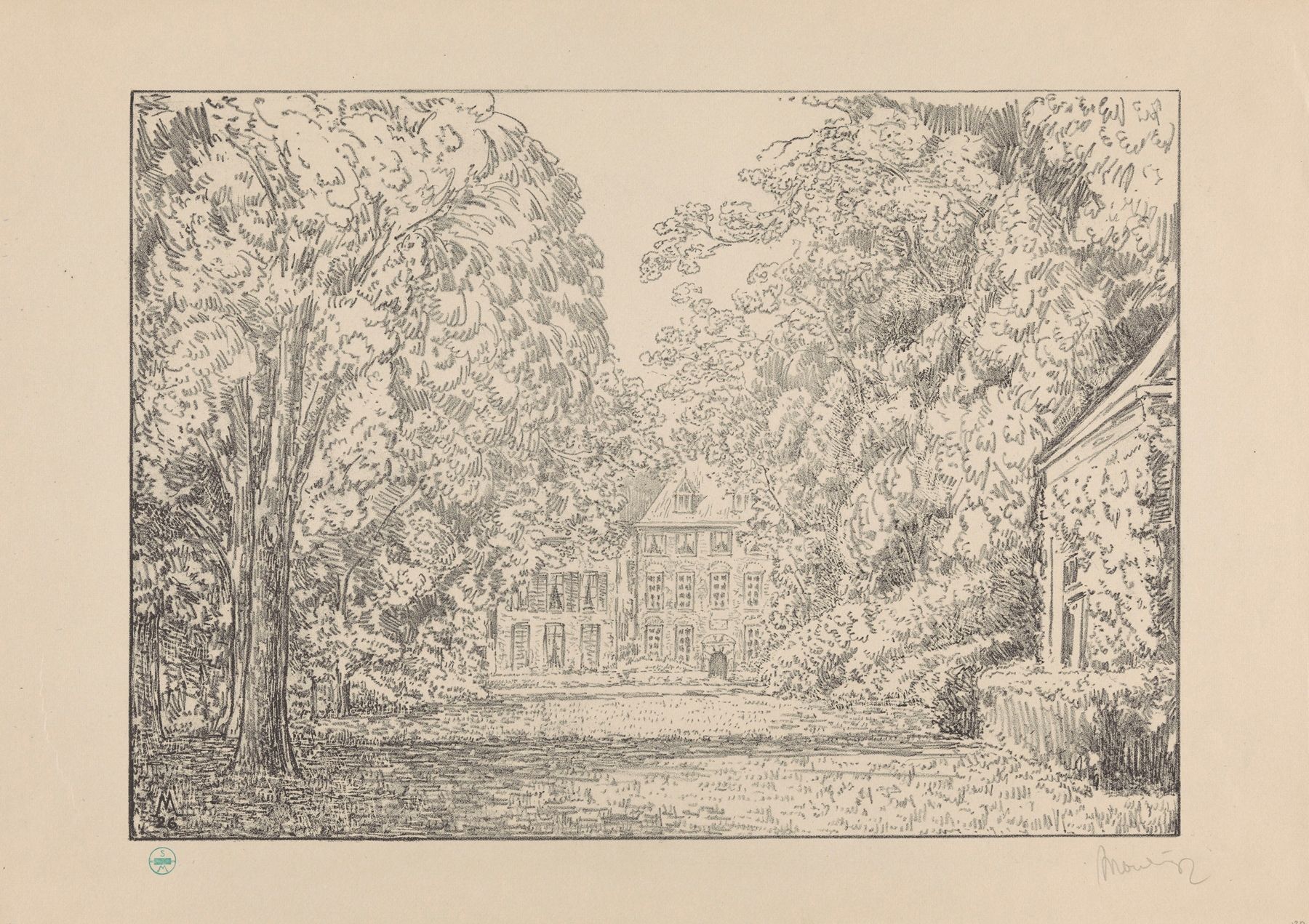
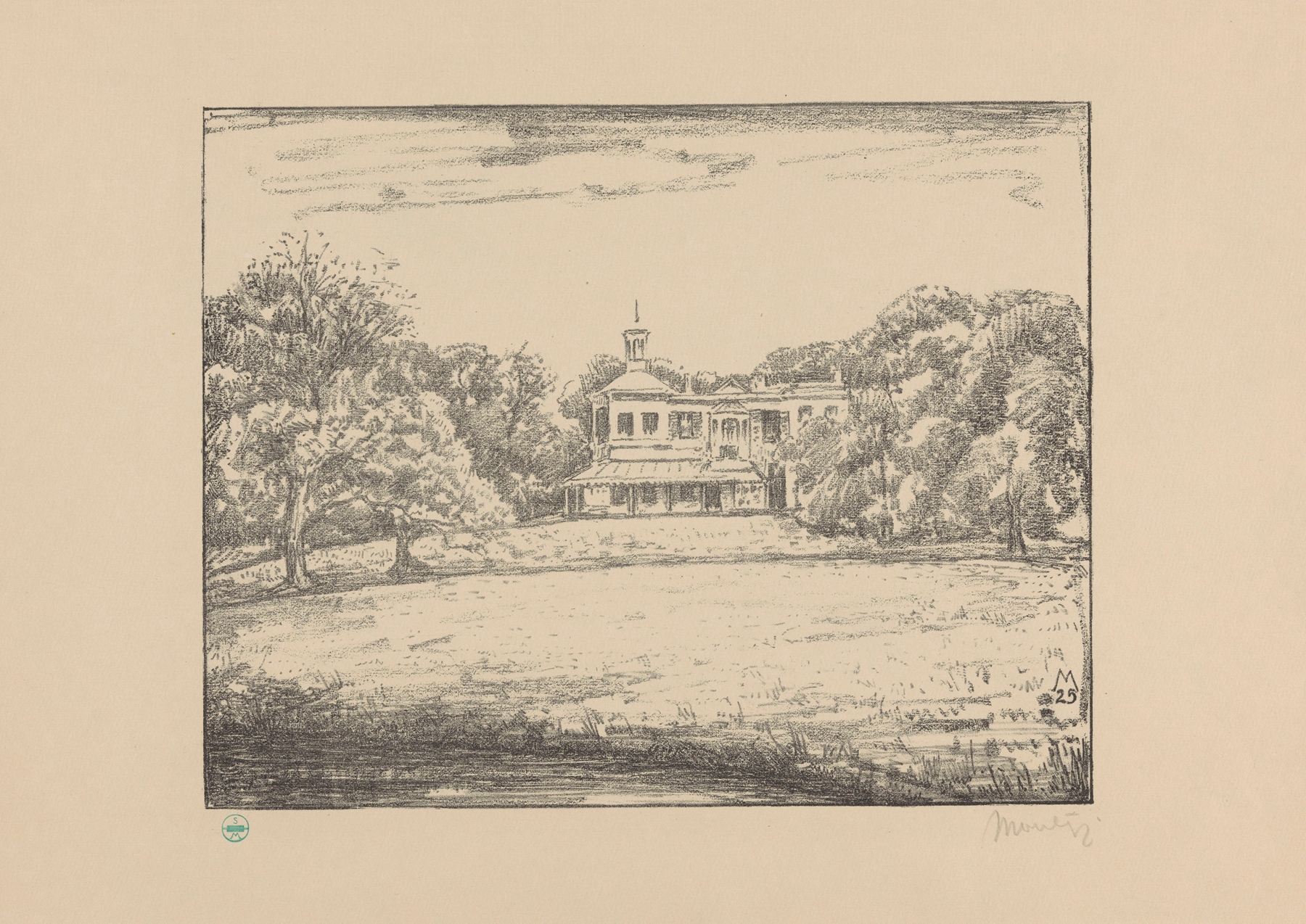
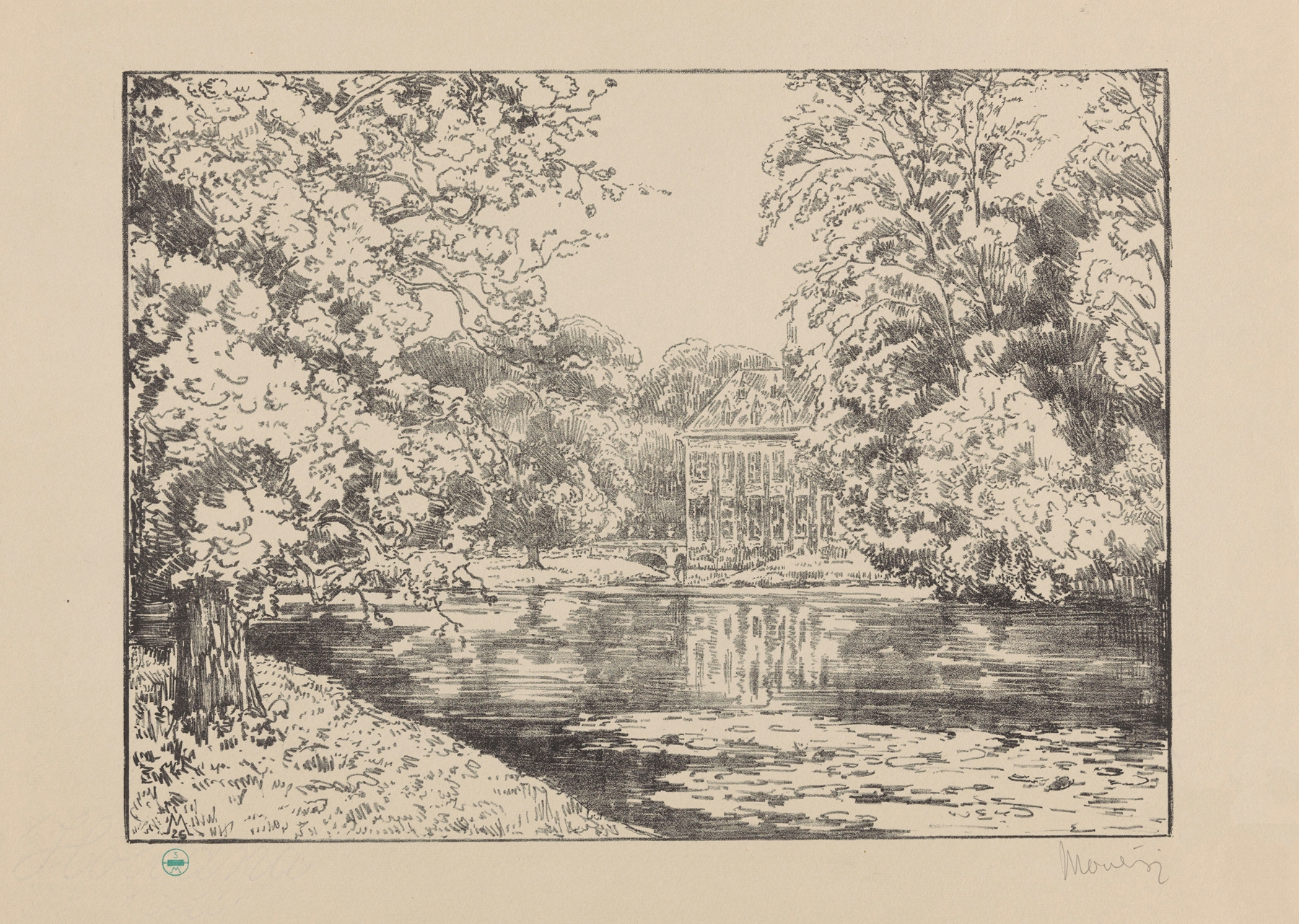
Gezicht op villa Groot Haesebroek vanuit de tuin Groot Hasebroeck — History & Analysis
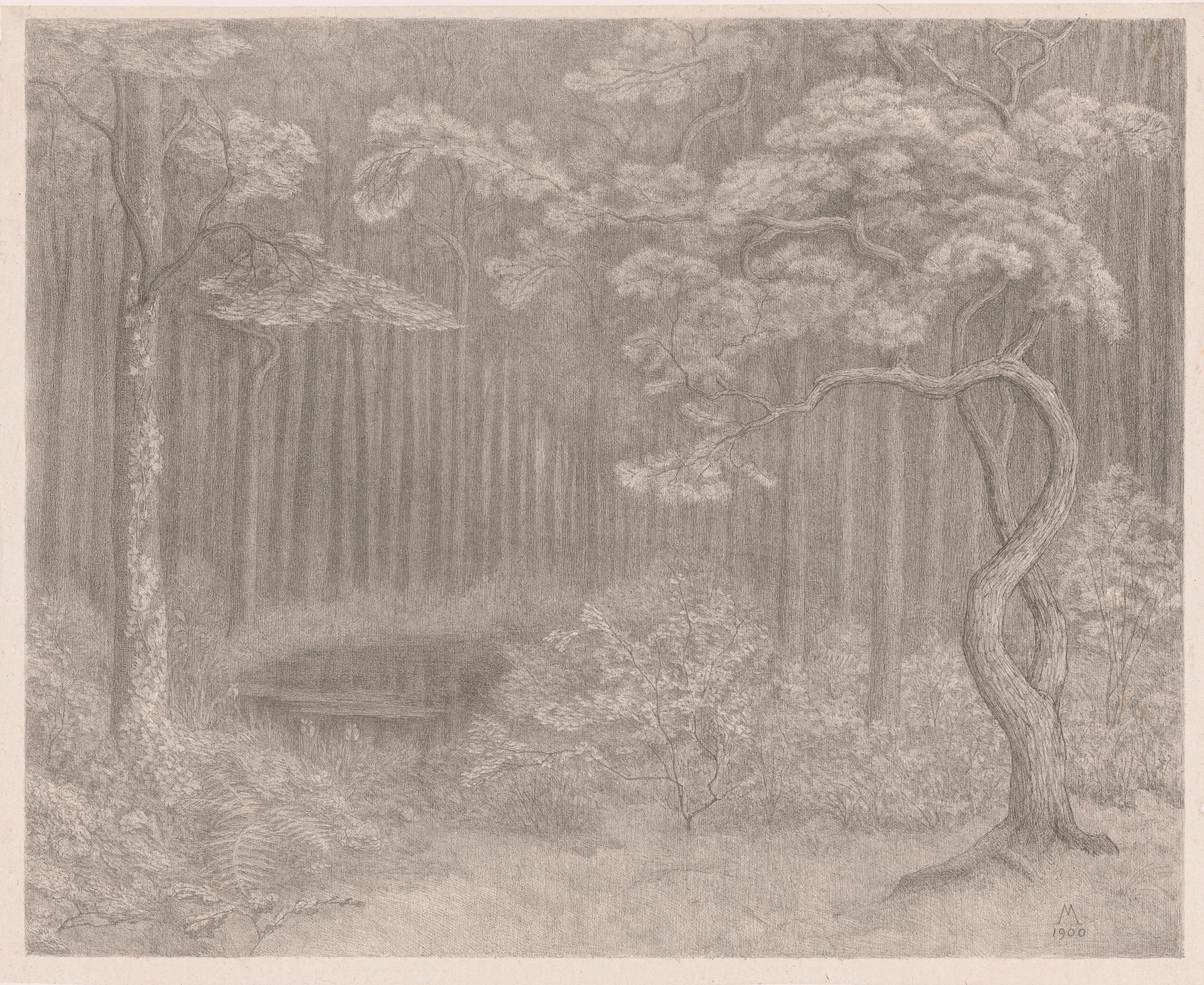
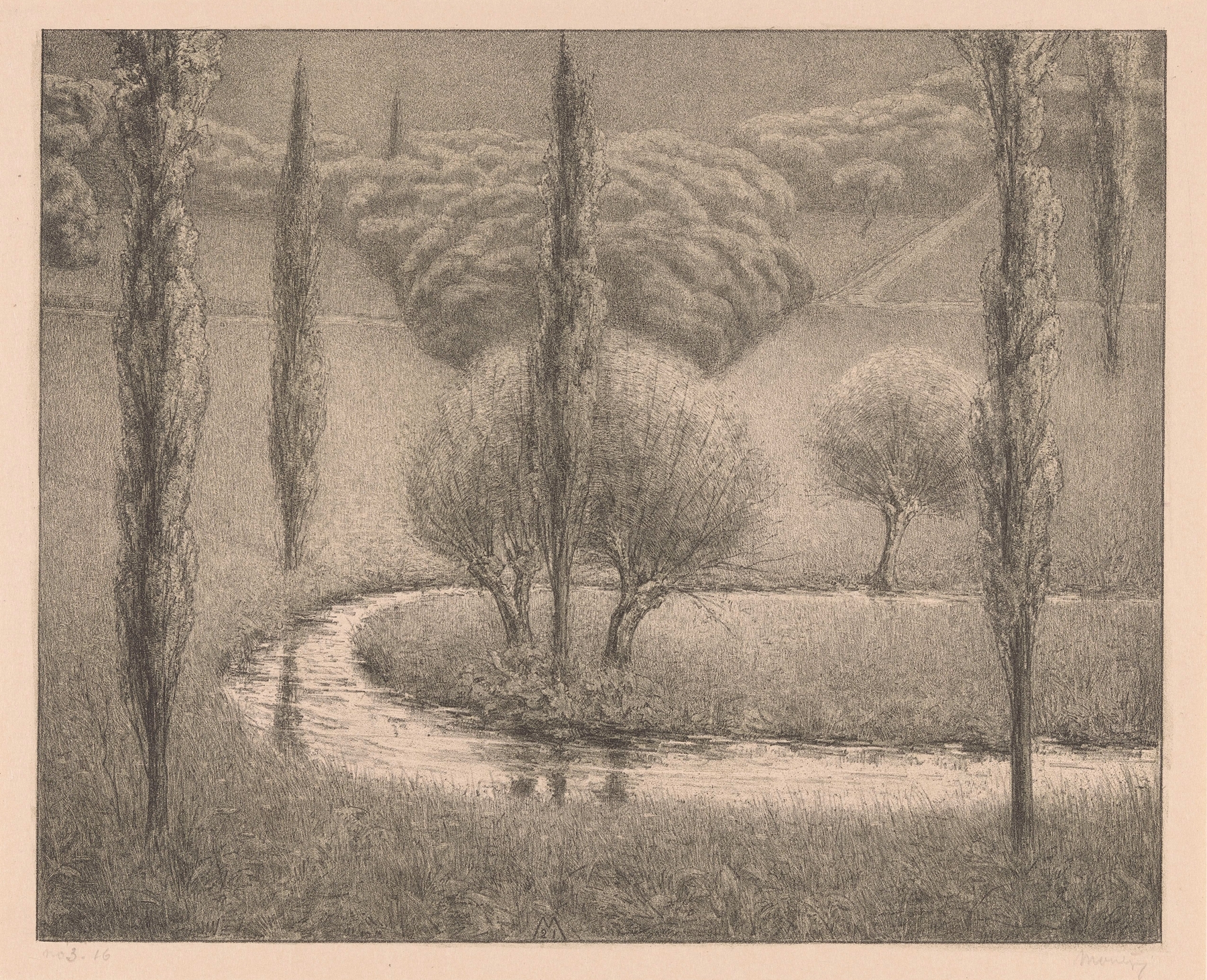
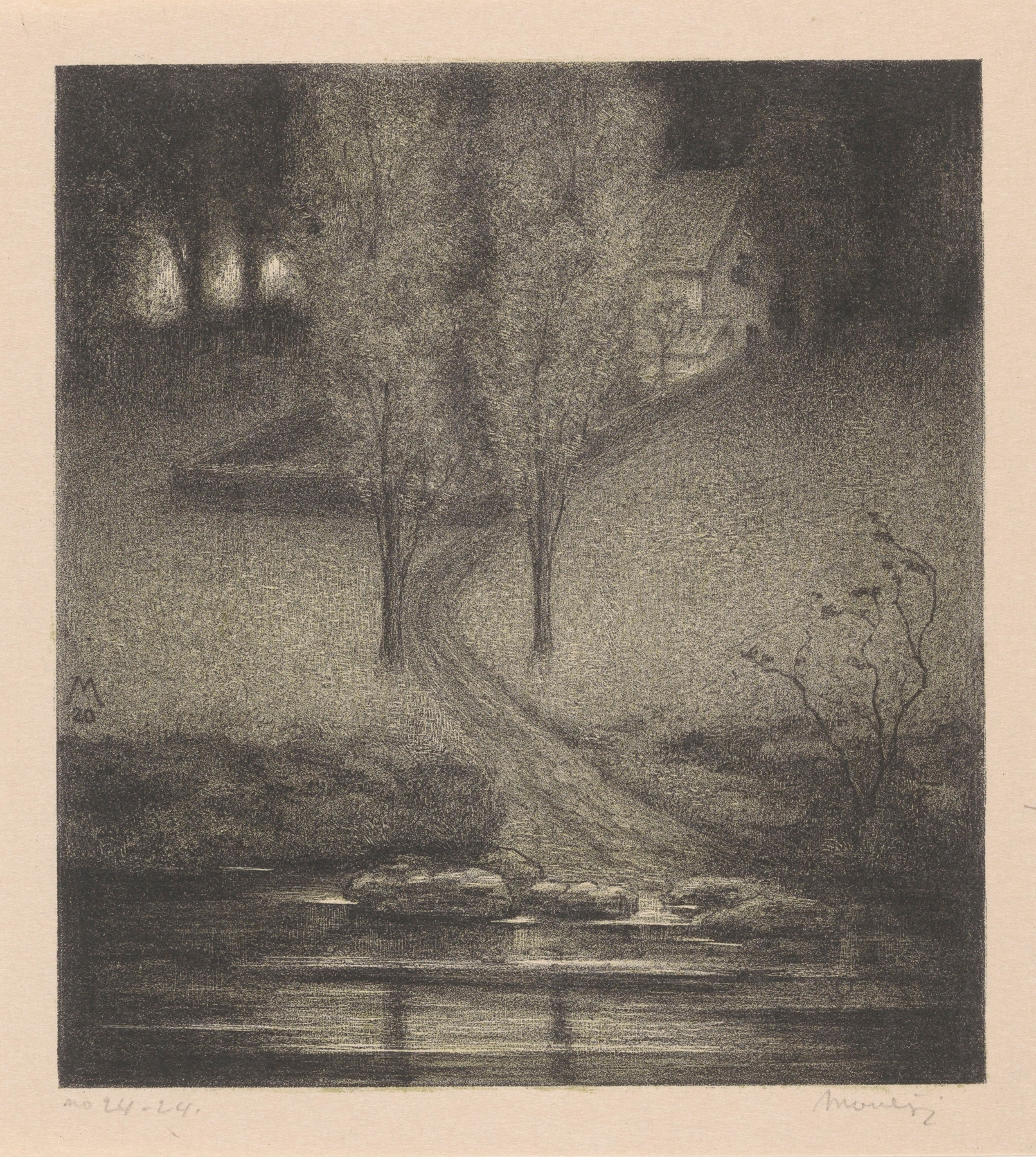
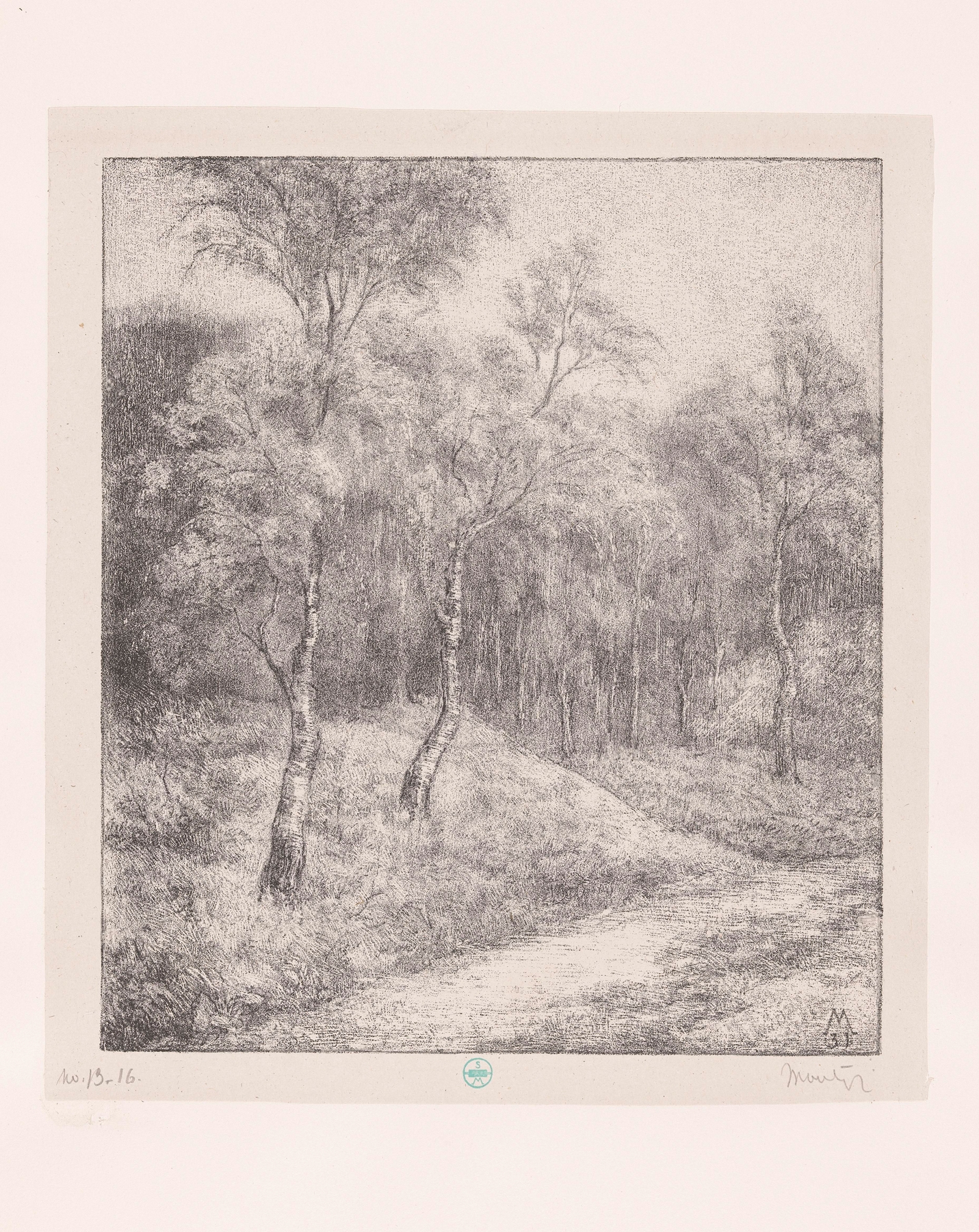
Did the painter know this moment would outlive them? In a world defined by the transience of life, there lies an echo of permanence within the quiet embrace of nature and architecture. Focus on the lush greenery that envelops the villa, drawing your gaze to the meticulously painted leaves that sway gently in the imagined breeze. Notice how the sunlight bathes the garden in a golden hue, each stroke capturing the vitality of the flora. The villa, an elegant structure, stands as a testament to time, its windows reflecting the world outside while remaining a sanctuary of solitude.
The careful composition, with its harmonious balance between the building and its natural surroundings, invites contemplation. Within this idyllic scene, a subtle tension simmers beneath the surface. The grandeur of the villa juxtaposes with the wildness of the garden, suggesting a delicate dance between human achievement and nature’s unpredictable power. Is this a portrayal of tranquility, or does it hint at an underlying fear of encroaching entropy?
Each detail—be it the vibrant color palette or the serene yet watchful positioning of the villa—whispers of a fleeting moment that captures both beauty and an unspoken anxiety. In 1929, Simon Moulijn painted this work while navigating a post-World War I Europe, a time fraught with uncertainty and change. The interwar period was marked by a quest for identity and reflection in art, as artists sought to reconcile their experiences with the rapidly evolving world around them. In this context, the villa stands as a symbol of stability amidst the chaos, revealing the artist's desire to freeze a fleeting moment in the face of existential fears.