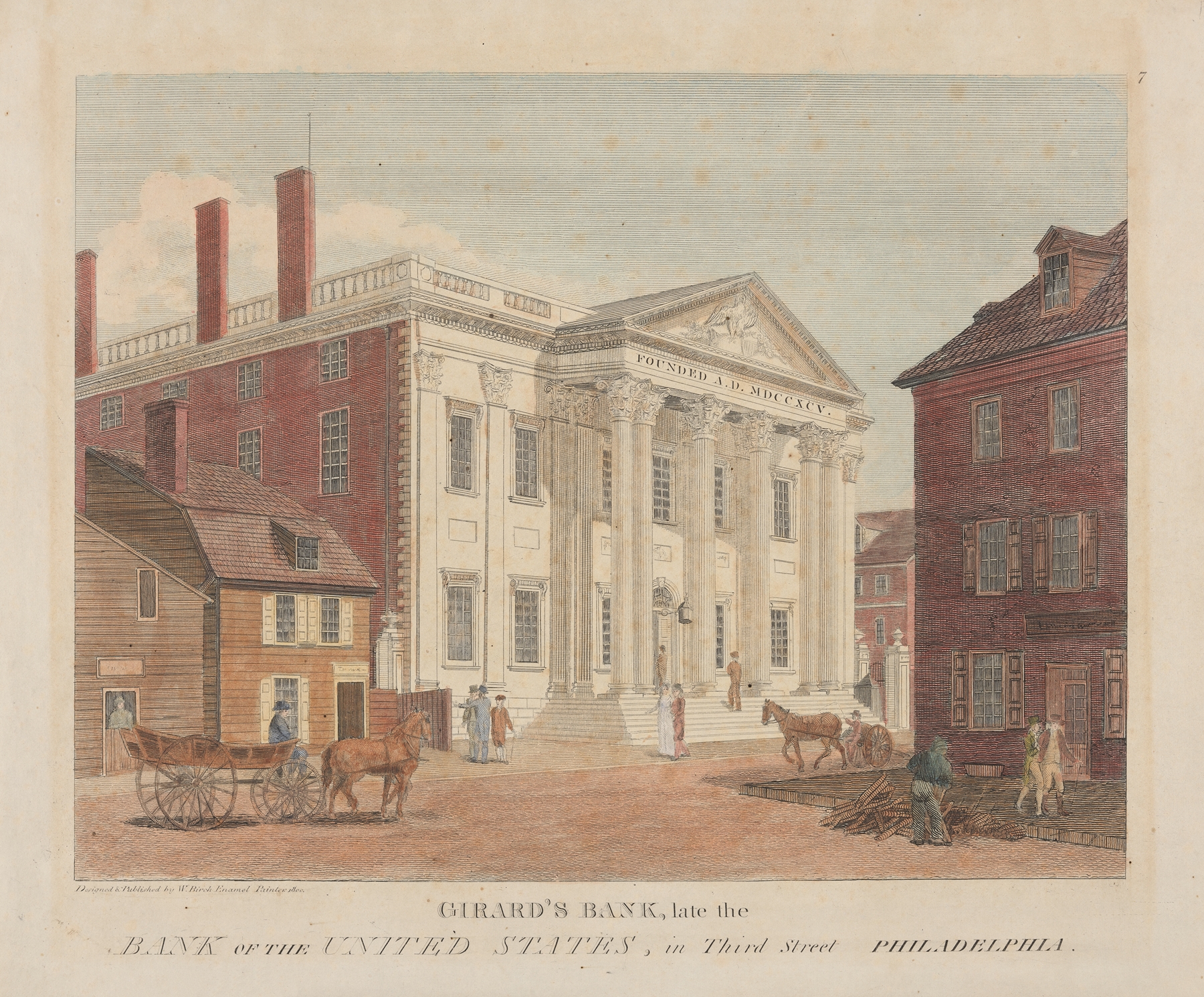
Girard’s Bank, late the Bank of the United States, in Third Street Philadelphia. — History & Analysis
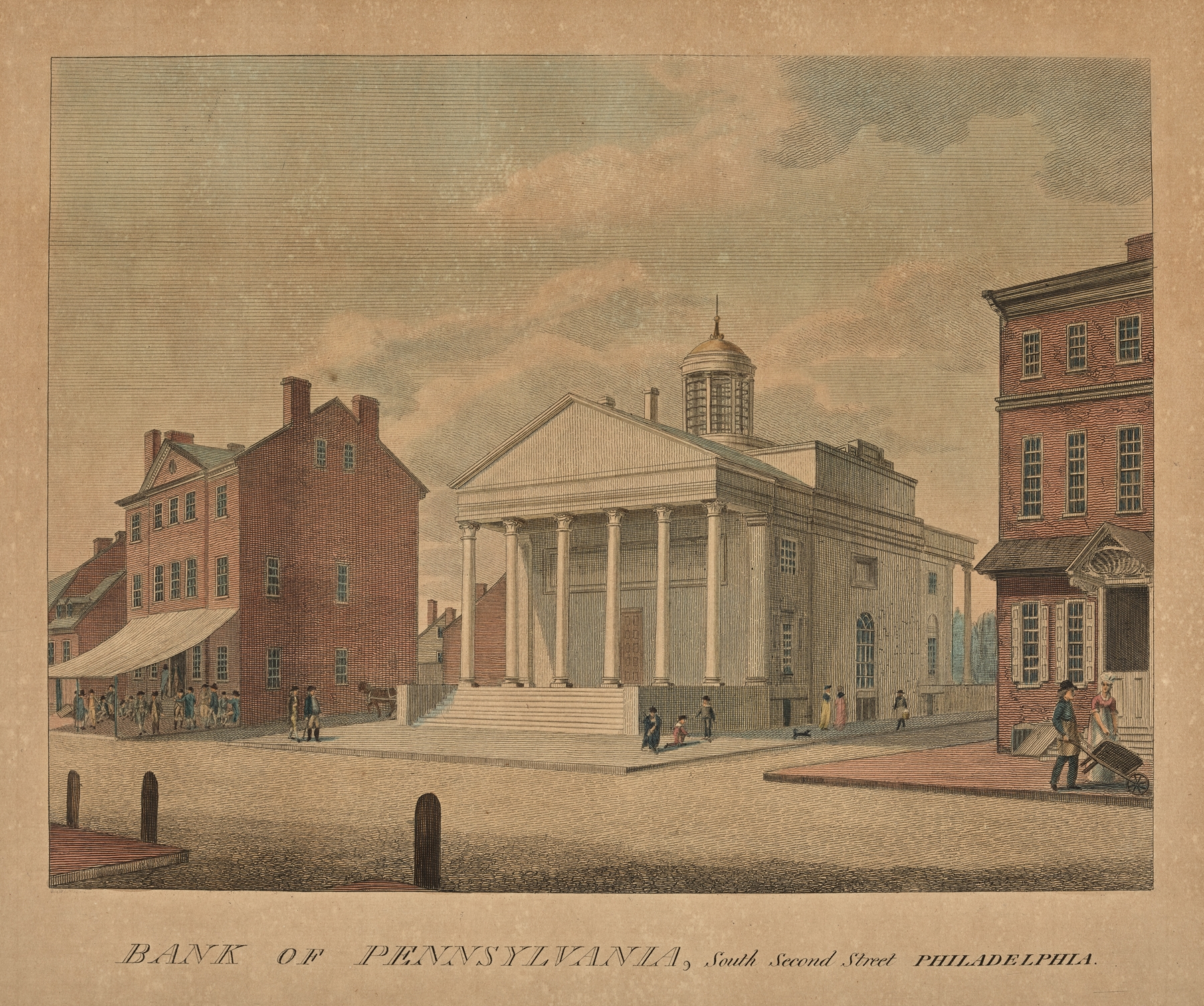
What secret hides in the quiet of the canvas? In the stillness of Girard’s Bank, a legacy of ambition and commerce whispers through the meticulously rendered architecture and the figures who traverse the scene. Look to the foreground where the grand entrance of the bank, with its imposing columns, stands as a testament to the ideals of prosperity and stability. Notice how the soft, muted tones of the building contrast with the vibrant blues and greens of the surrounding landscape, drawing your eye to the meticulously detailed façade.
The play of light across the surface creates a sense of time, suggesting both historical weight and the promise of future transactions. Delve deeper into the painting's emotional undercurrents, where the figures seem both purposeful and distant, evoking a sense of isolation amidst the bustling economic life. The shadowed corners hint at untold stories, perhaps of aspirations unfulfilled or the burdens that accompany wealth. The delicate balance between light and dark further emphasizes the duality of success and solitude, inviting viewers to reflect on what legacies truly mean.
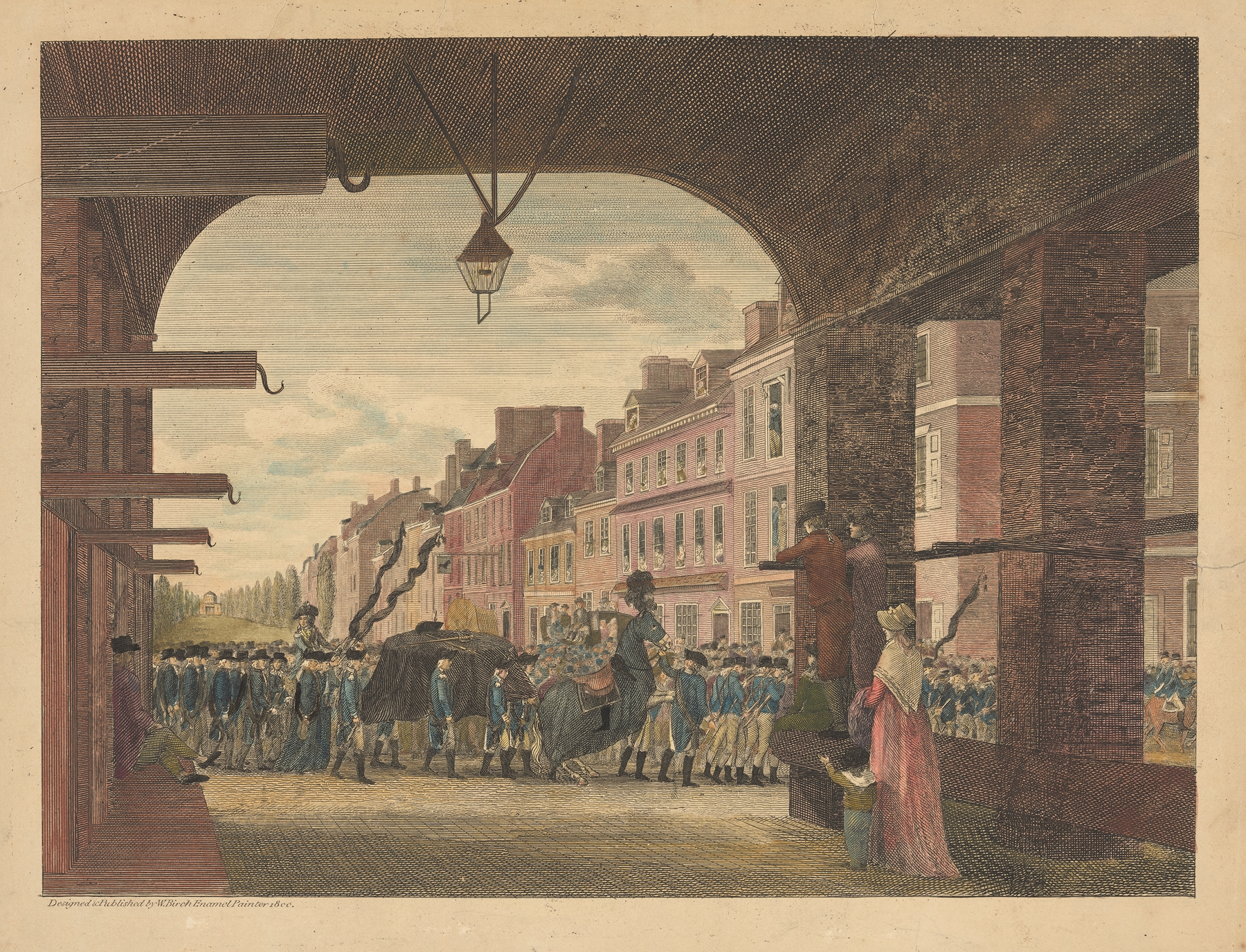
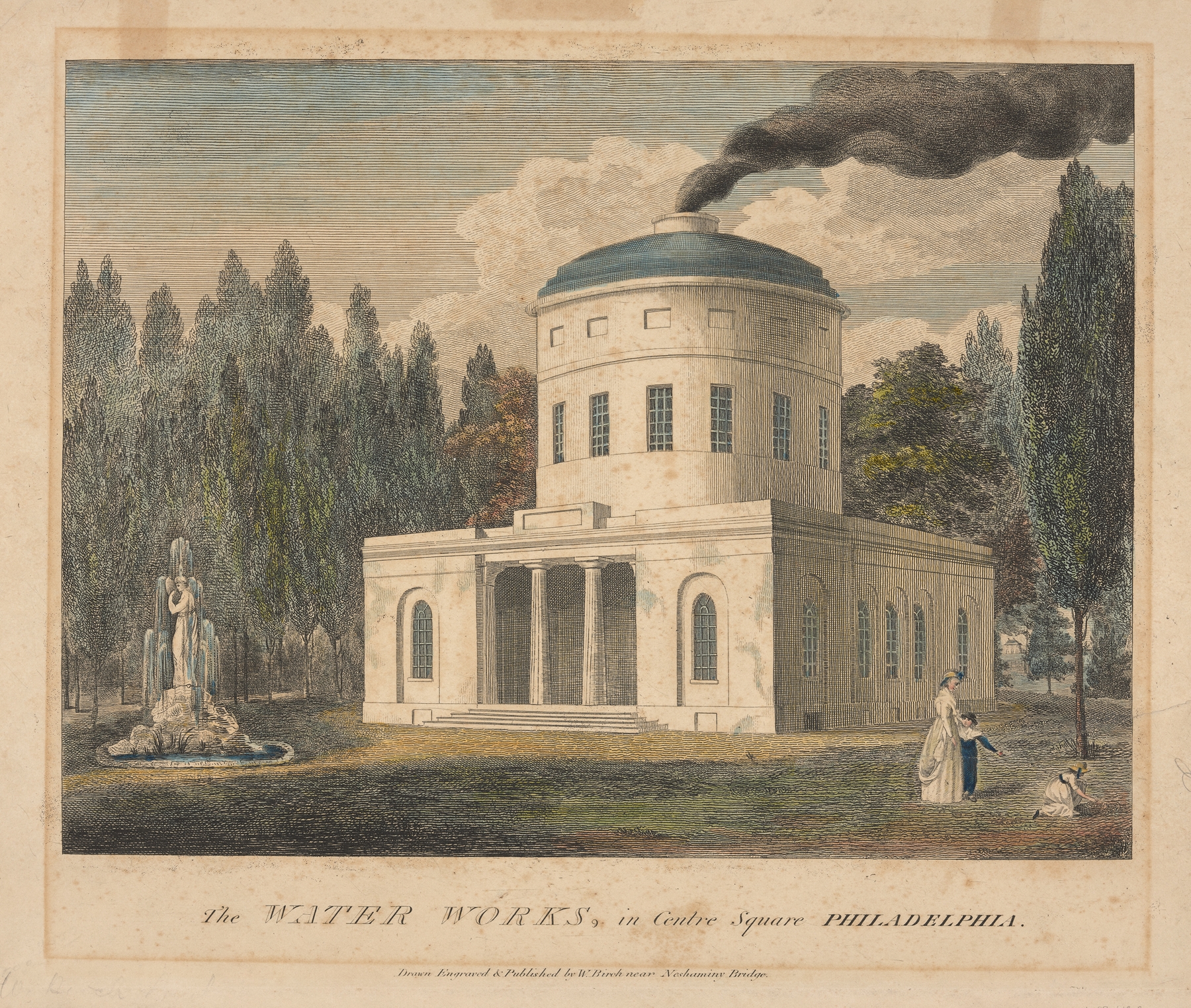
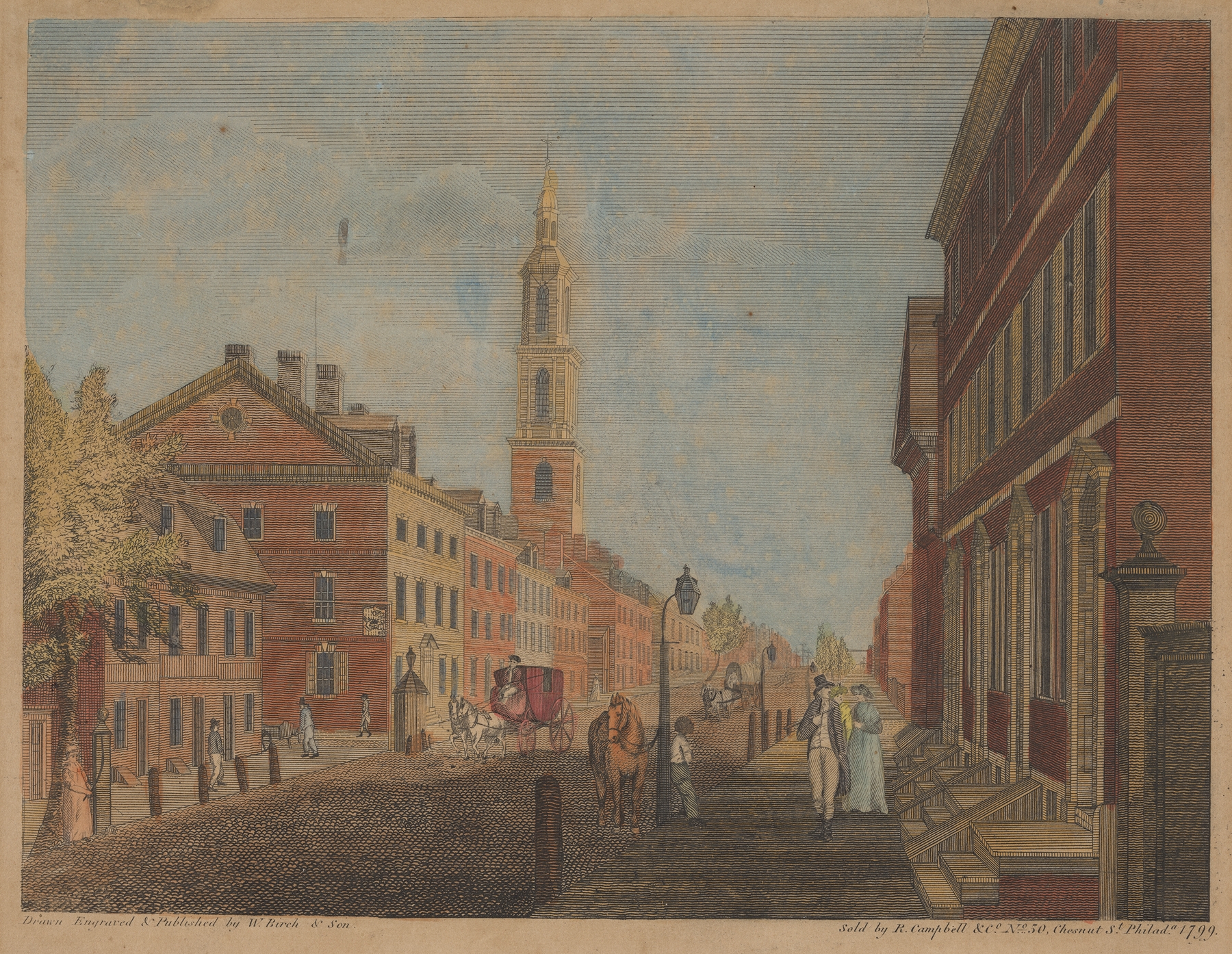
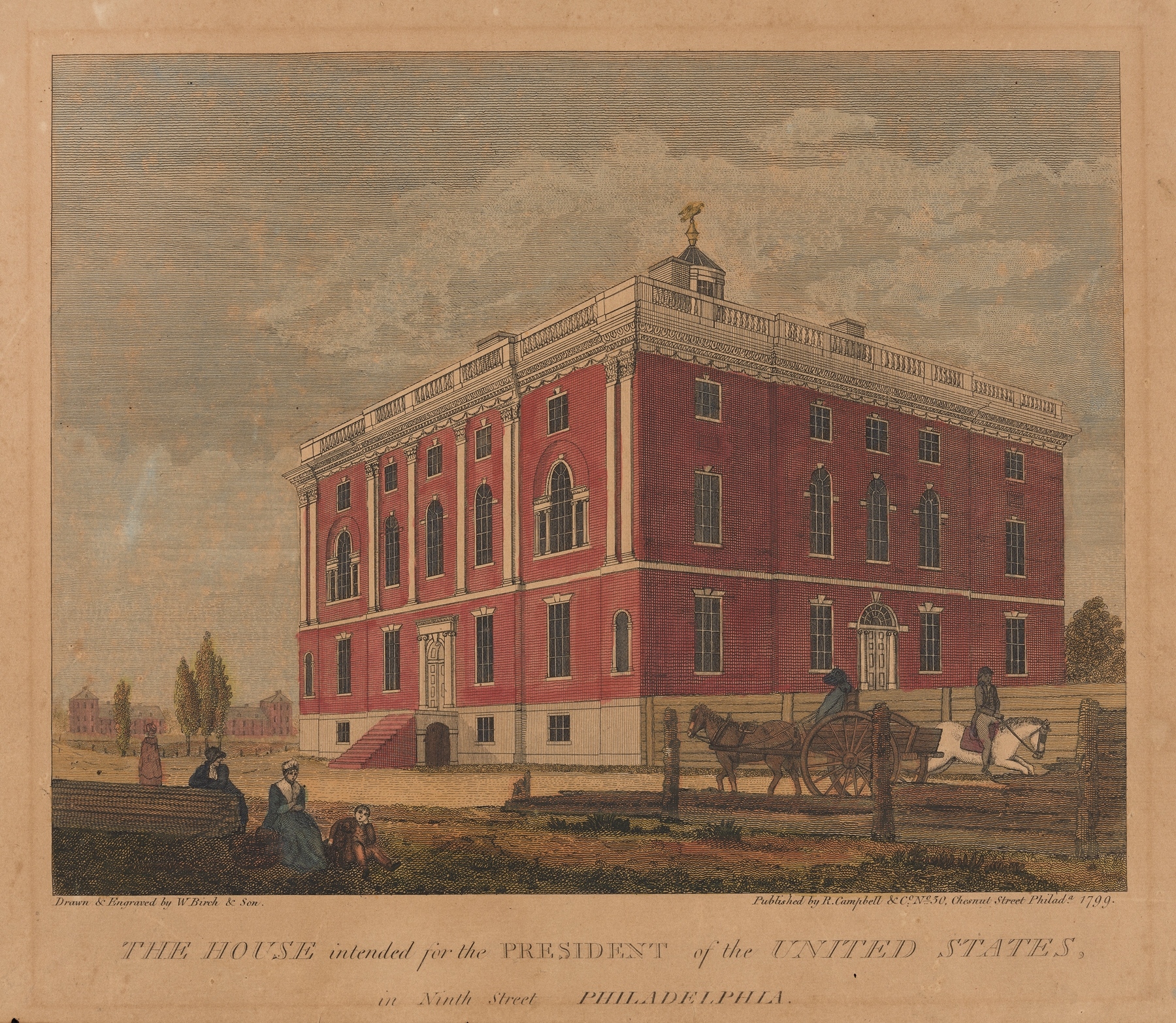
William Russell Birch painted this work in 1800, during a time when Philadelphia was emerging as a financial hub in the United States. As a prominent engraver and painter, Birch captured the architectural beauty and societal shifts of his time, documenting the growth of a nation defined by its commerce. His detailed portrayal of the bank encapsulates the aspirations of early American society against a backdrop of burgeoning democracy and prosperity.
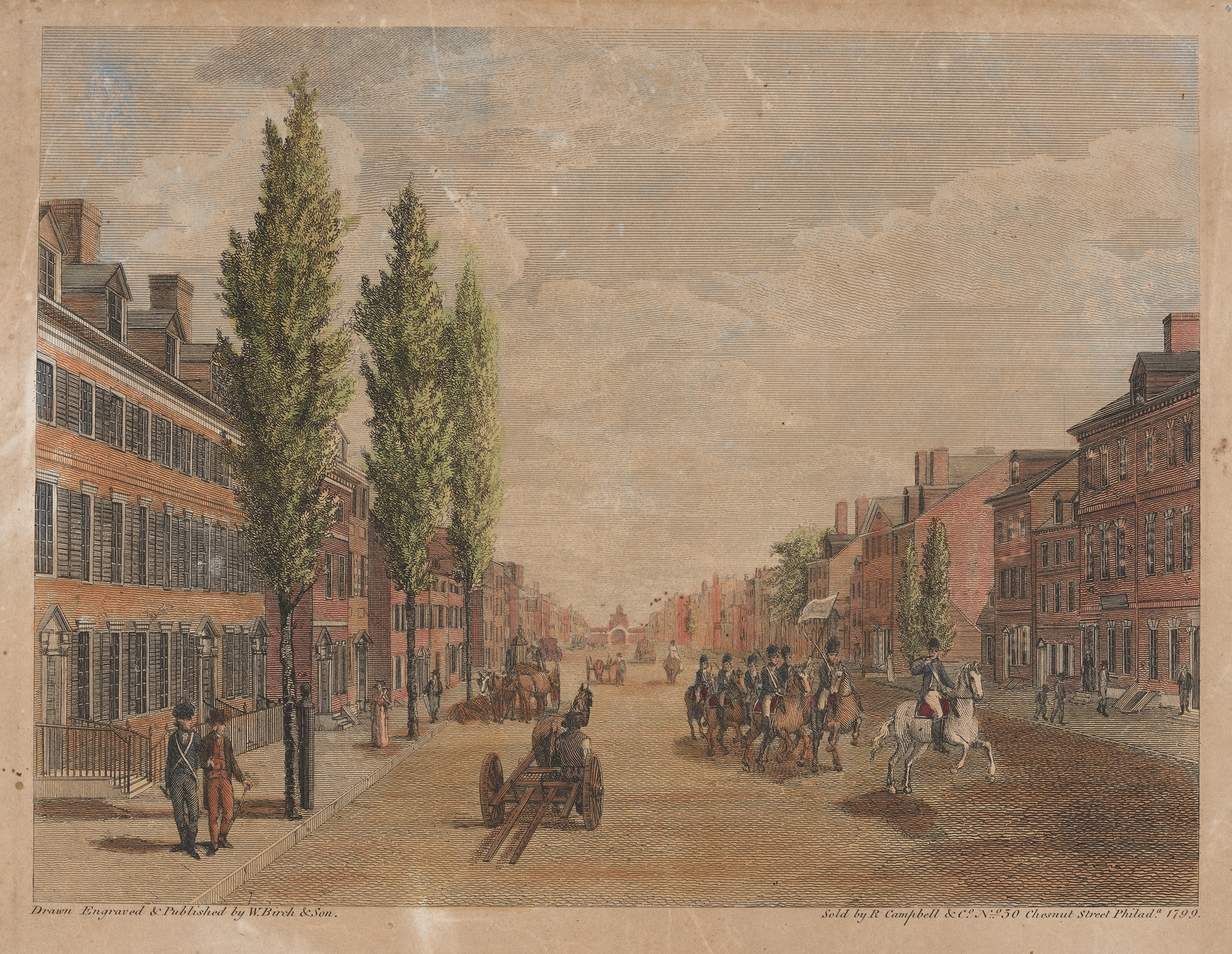
![Second Street north from Market St. w[i]th Christ Church. Philadelphia., by William Russell Birch, public domain](https://froigstrpvutwqtqikzt.supabase.co/storage/v1/object/public/art-images/artworks/ae10cefad1b4b09eab503db665d8f122c1796a118217ad99aa9afe67d3a02bd4.jpg)