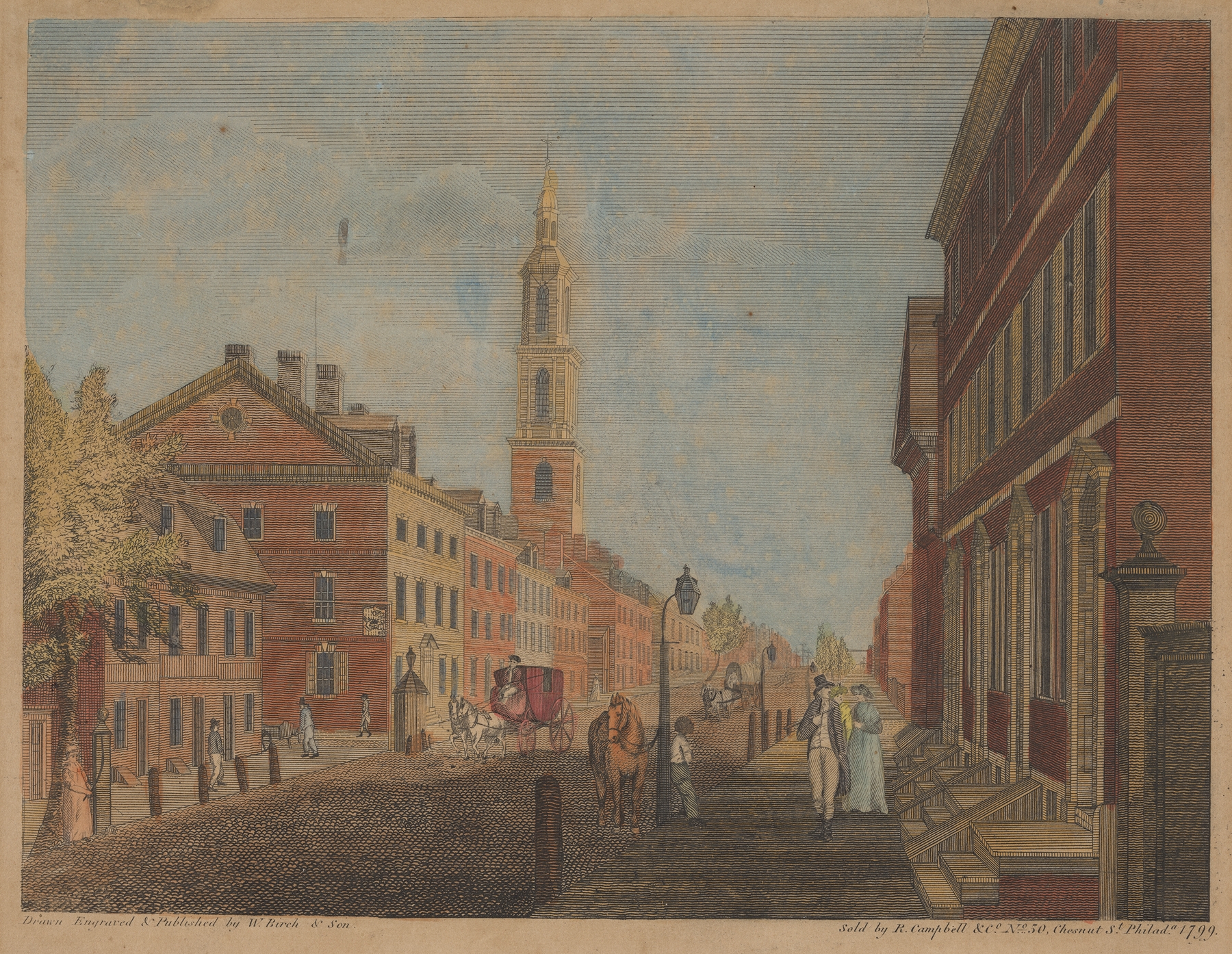
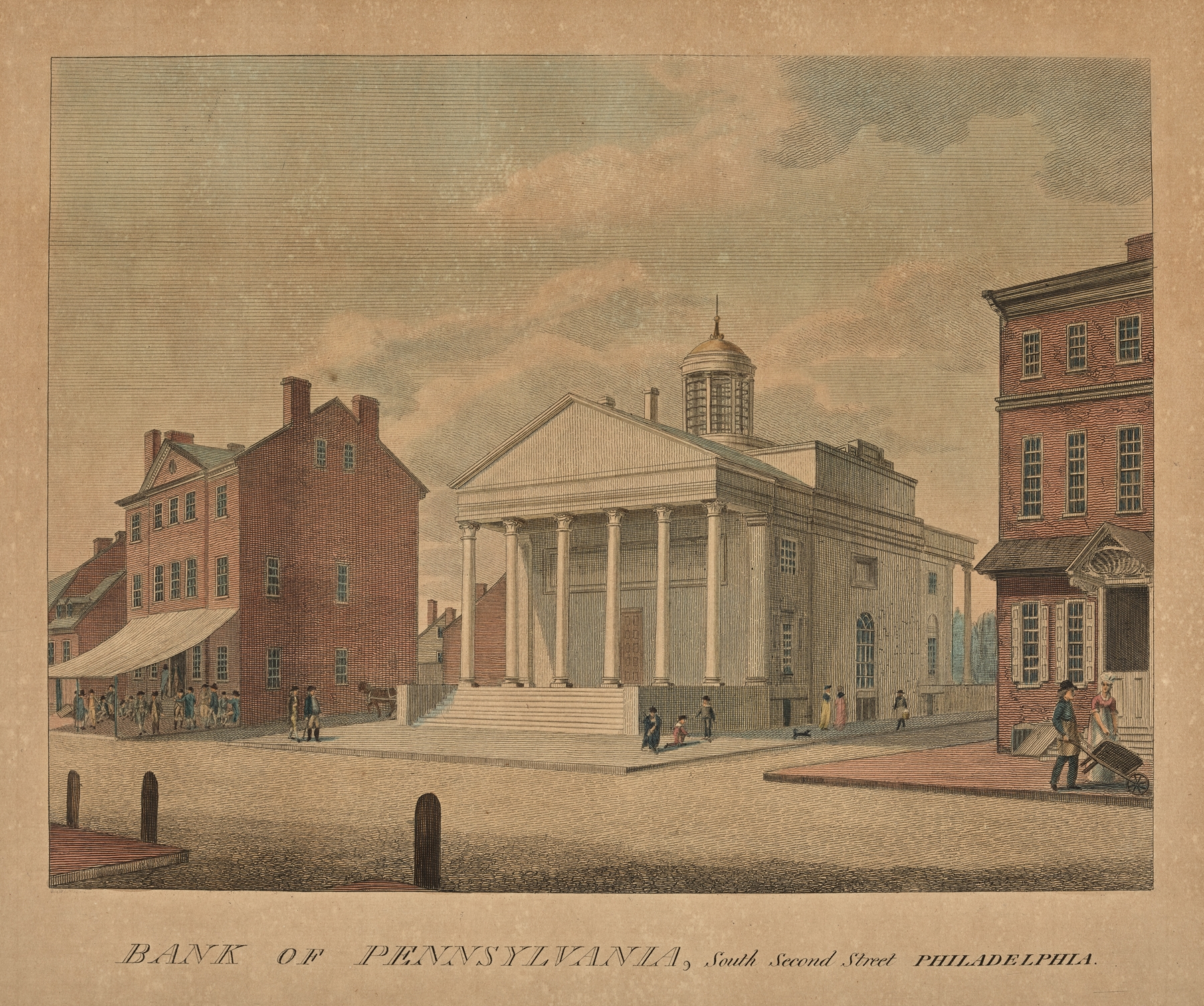
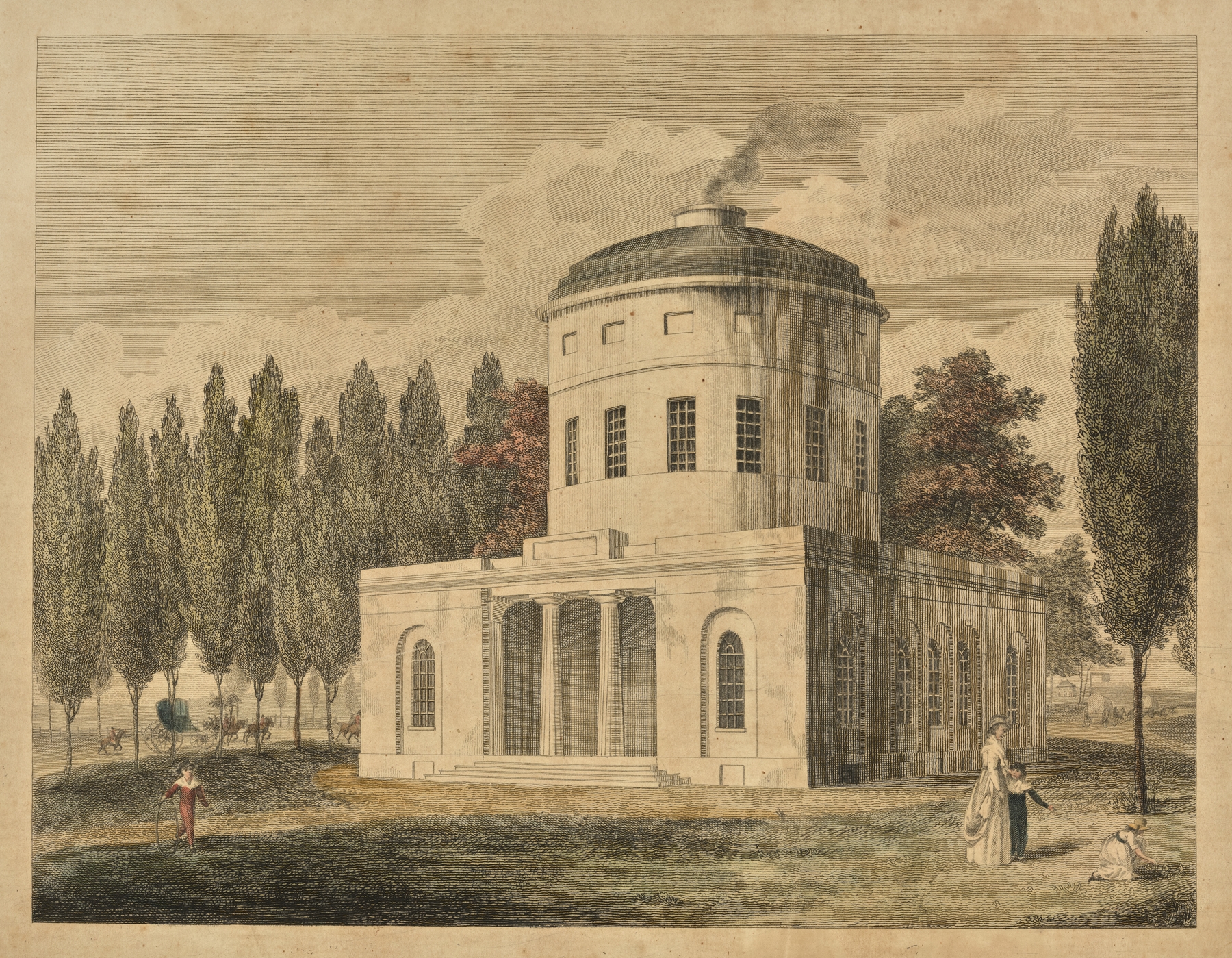
Second Street north from Market St. w[i]th Christ Church. Philadelphia. — History & Analysis
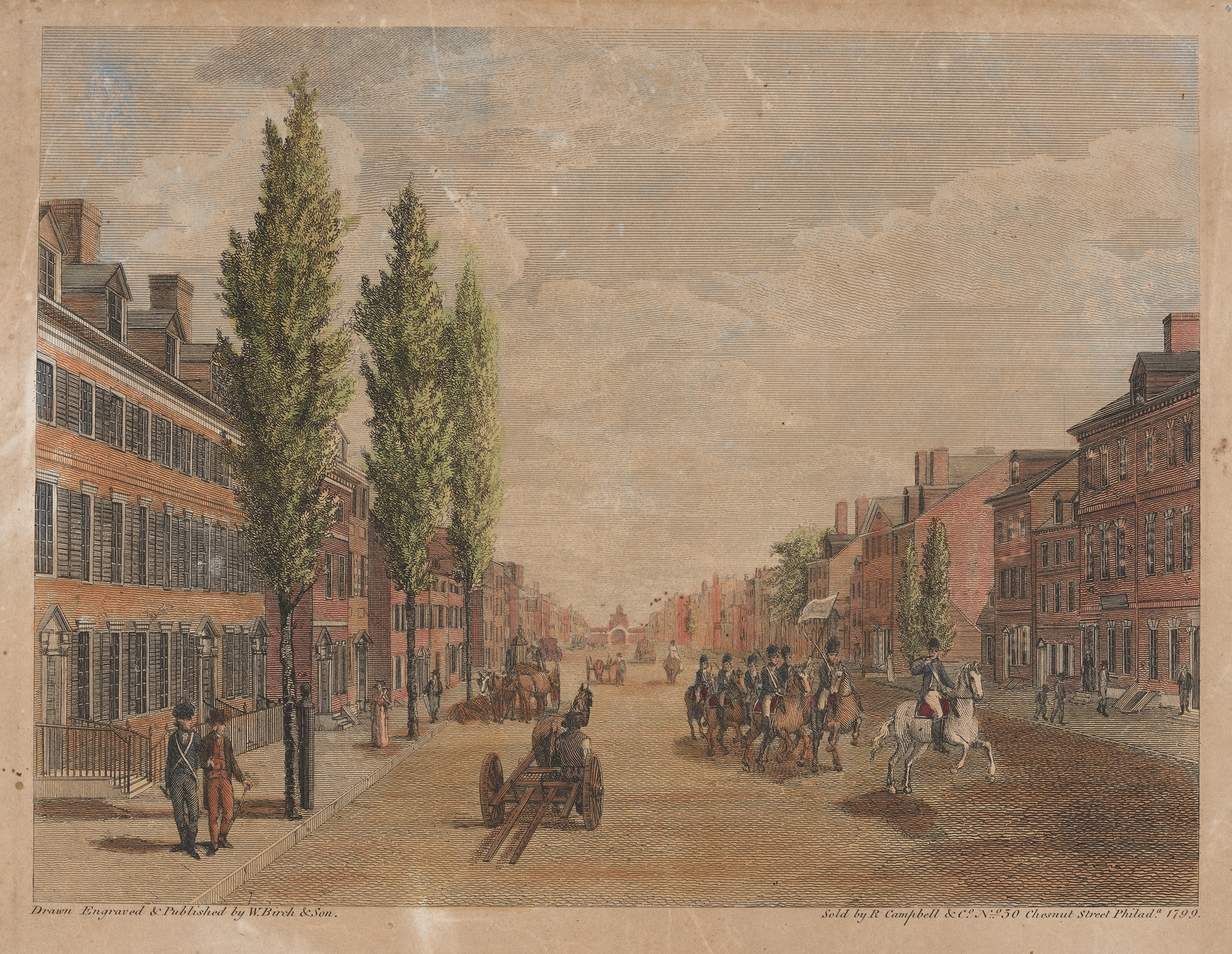
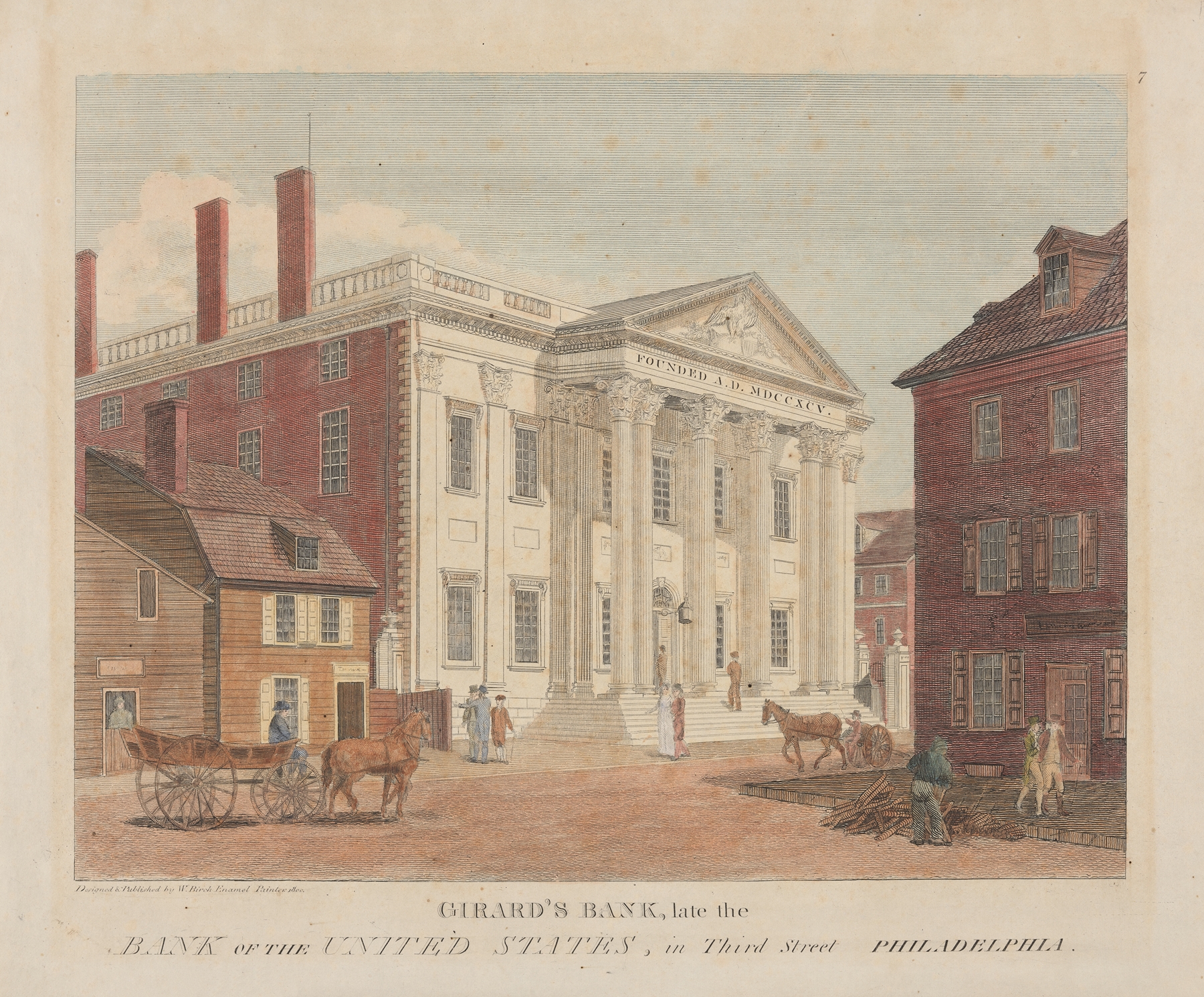
What secret hides in the quiet of the canvas? In a world of bustling streets and vibrant voices, the stillness of this scene invites us to reflect on the beauty of momentary solitude and the hidden stories within it. Look to the foreground where the cobblestone path winds gently, leading your eye toward the grand façade of Christ Church. The artist captures the nuances of light filtering through the branches of nearby trees, casting dappled shadows that play against the building's white surface.
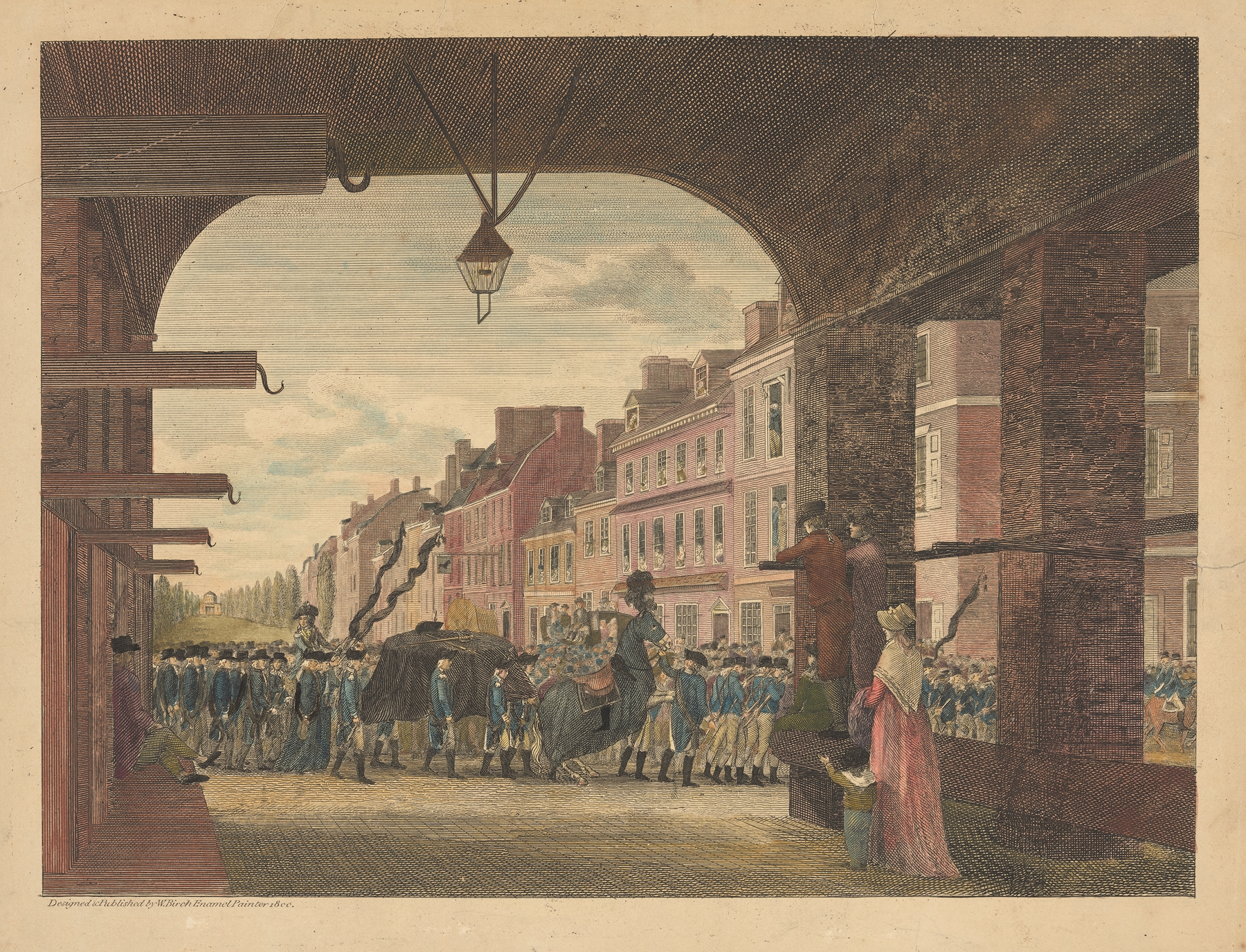
Notice how the composition is anchored by the contrasting textures of the rough cobblestones and the smooth lines of the church’s architecture, creating a harmonious balance that draws you deeper into this serene urban landscape. Within the careful strokes lies a tapestry of contrasts: the bustling life outside this tranquil pocket versus the silent reverence of the church. Birch choreographs a delicate dance between the manmade and the natural, as horse-drawn carriages pass by, their motion frozen in time. This juxtaposition evokes feelings of nostalgia and longing, hinting at the ephemeral nature of life and the connections that define our existence in this ever-evolving city.
In 1800, the artist was deeply entrenched in the early American art movement, capturing the emerging identity of a young nation. Working in Philadelphia, he was influenced by both European techniques and the burgeoning American landscape. This period marked a turning point in which artists began to explore their surroundings with an eye toward the unique character and spirit of American life, and Birch’s work stands as a testament to that evolving narrative.