High Street, from Ninth Street, Philadelphia. — History & Analysis
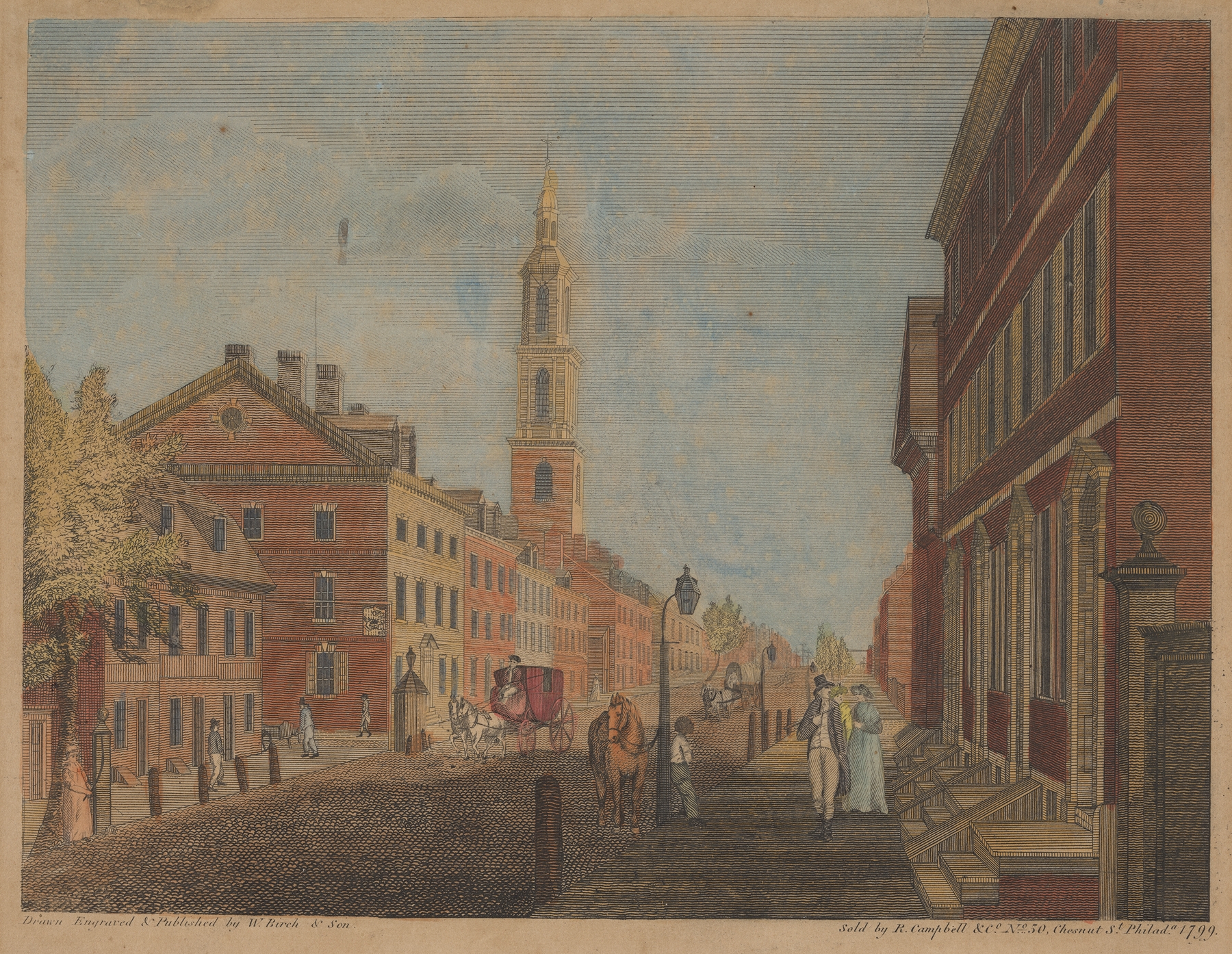
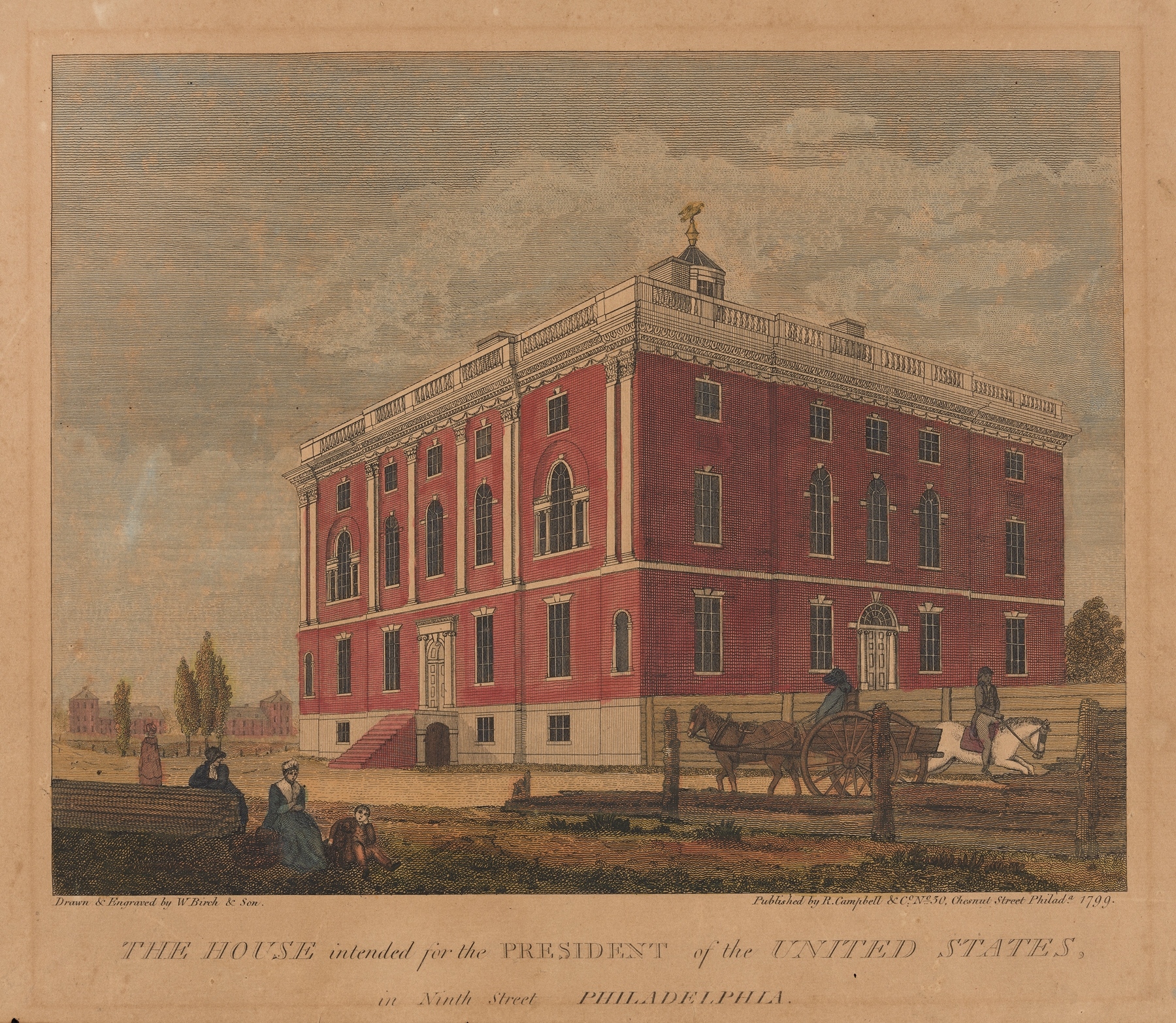
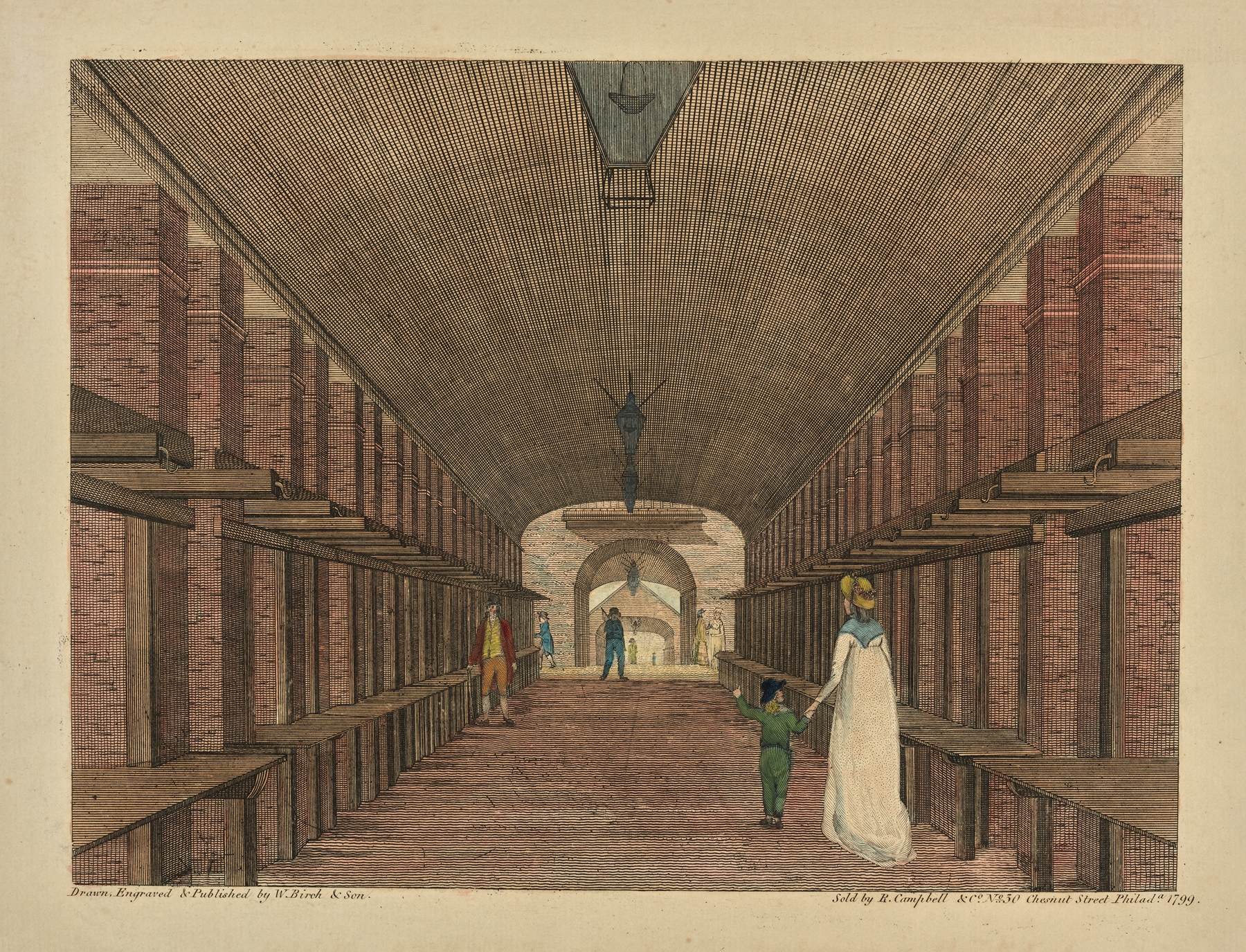
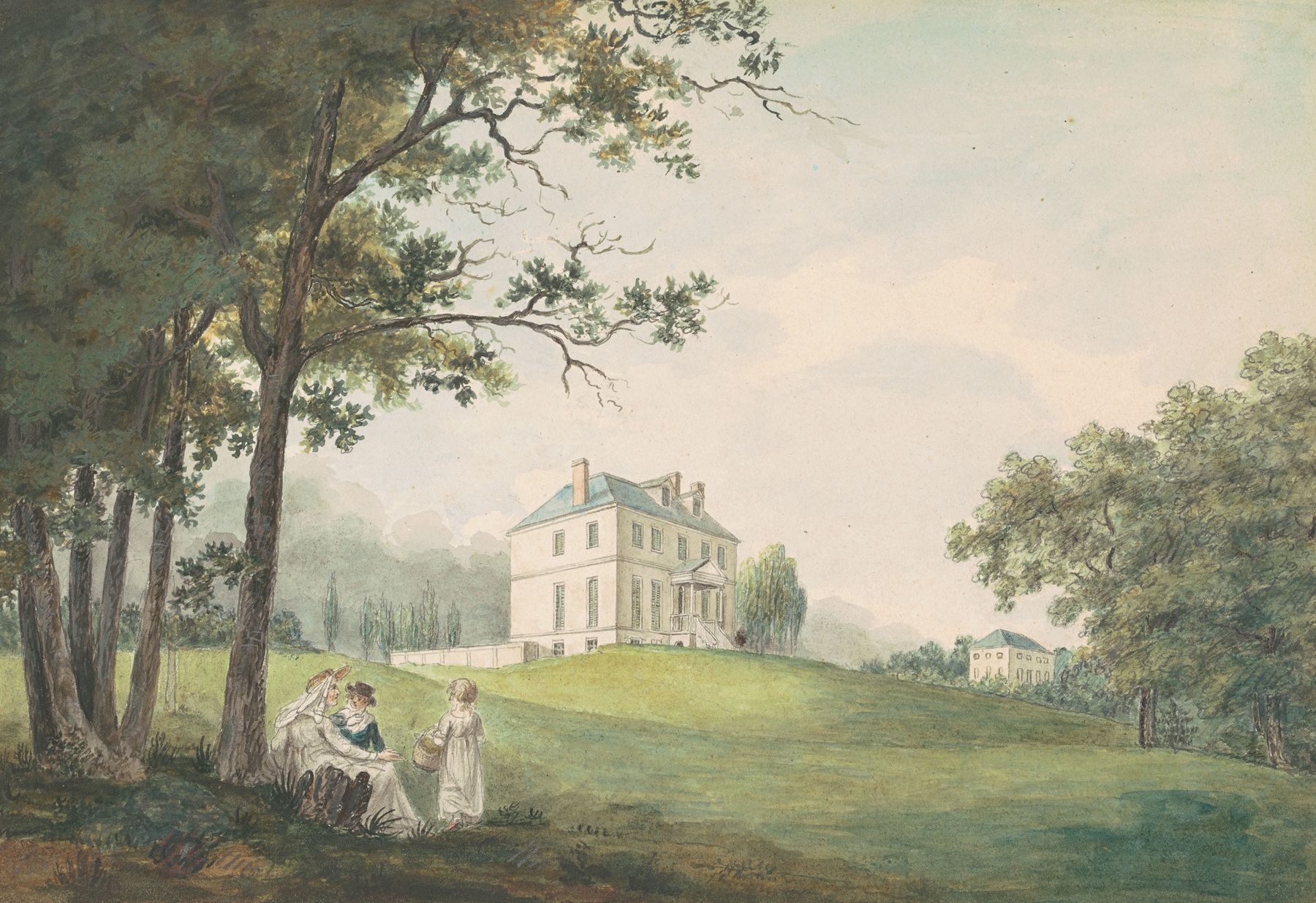
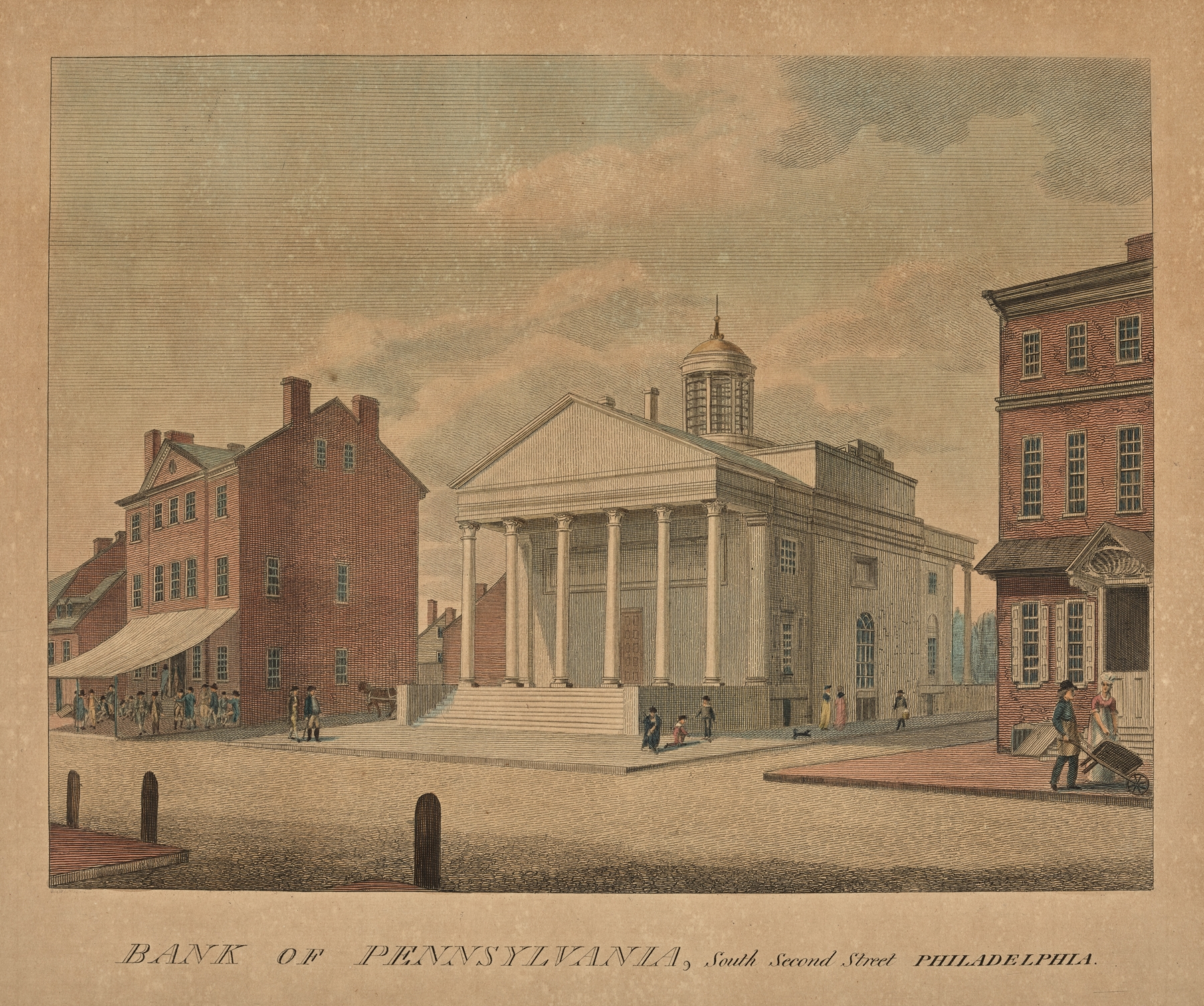
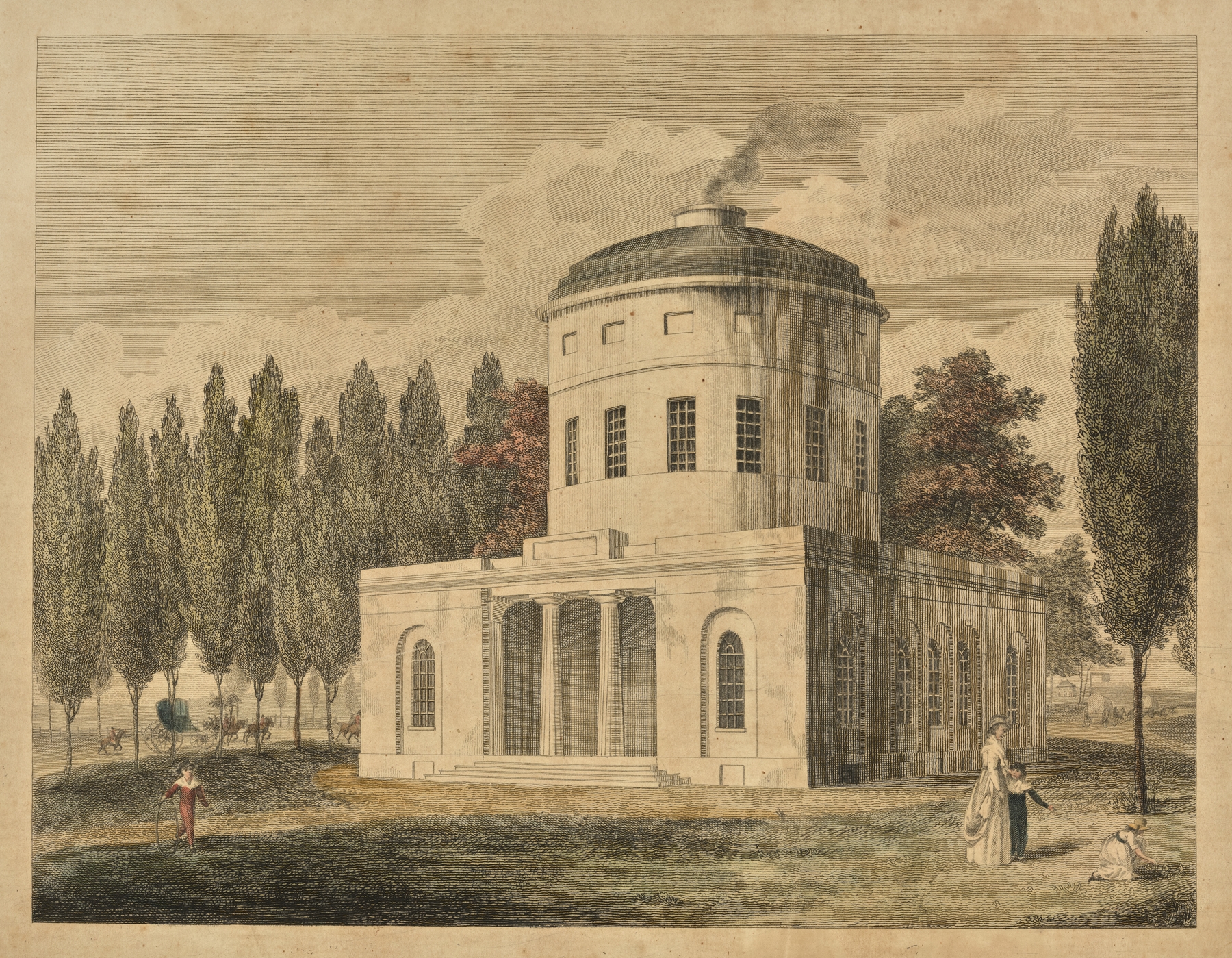
“The canvas doesn’t lie — it simply waits.” In its delicate portrayal of urban life, this painting whispers the fragility of existence in an ever-changing world. The fleeting moments captured within the frame beckon us to reflect on the transience of our surroundings and the stories embedded in the architecture of our lives. Look to the left at the row of stately buildings that rise confidently against the backdrop of a cerulean sky. The artist employs soft, muted colors that evoke a sense of nostalgia, while the gentle brushstrokes breathe life into the scene.
Notice how the light dances off the cobblestone street, its reflections drawing your gaze toward the figures walking gracefully along the pavement, suggesting a rich tapestry of daily life. The composition balances the vibrancy of the scene with an underlying stillness, inviting contemplation. Hidden within this picturesque view lies a contrast between permanence and impermanence. The sturdy buildings symbolize the resilience of community, while the human figures, transient and ethereal, hint at the fleeting nature of individual experience.
Each passerby becomes a fleeting note in the symphony of city life, illuminating the juxtaposition between the enduring structures and the ephemeral human presence that animates them. In 1799, Birch painted this work amidst a burgeoning American identity, as Philadelphia was increasingly recognized as a center of culture and commerce. Settling in the city after moving from England, the artist documented the rapidly changing urban landscape, reflecting both his personal journey and the transformative landscape of a nation in its infancy.
![Second Street north from Market St. w[i]th Christ Church. Philadelphia., by William Russell Birch, public domain](https://froigstrpvutwqtqikzt.supabase.co/storage/v1/object/public/art-images/artworks/ae10cefad1b4b09eab503db665d8f122c1796a118217ad99aa9afe67d3a02bd4.jpg)