Arch Street, with the Second Presbyterian Church. Philadelphia. — History & Analysis
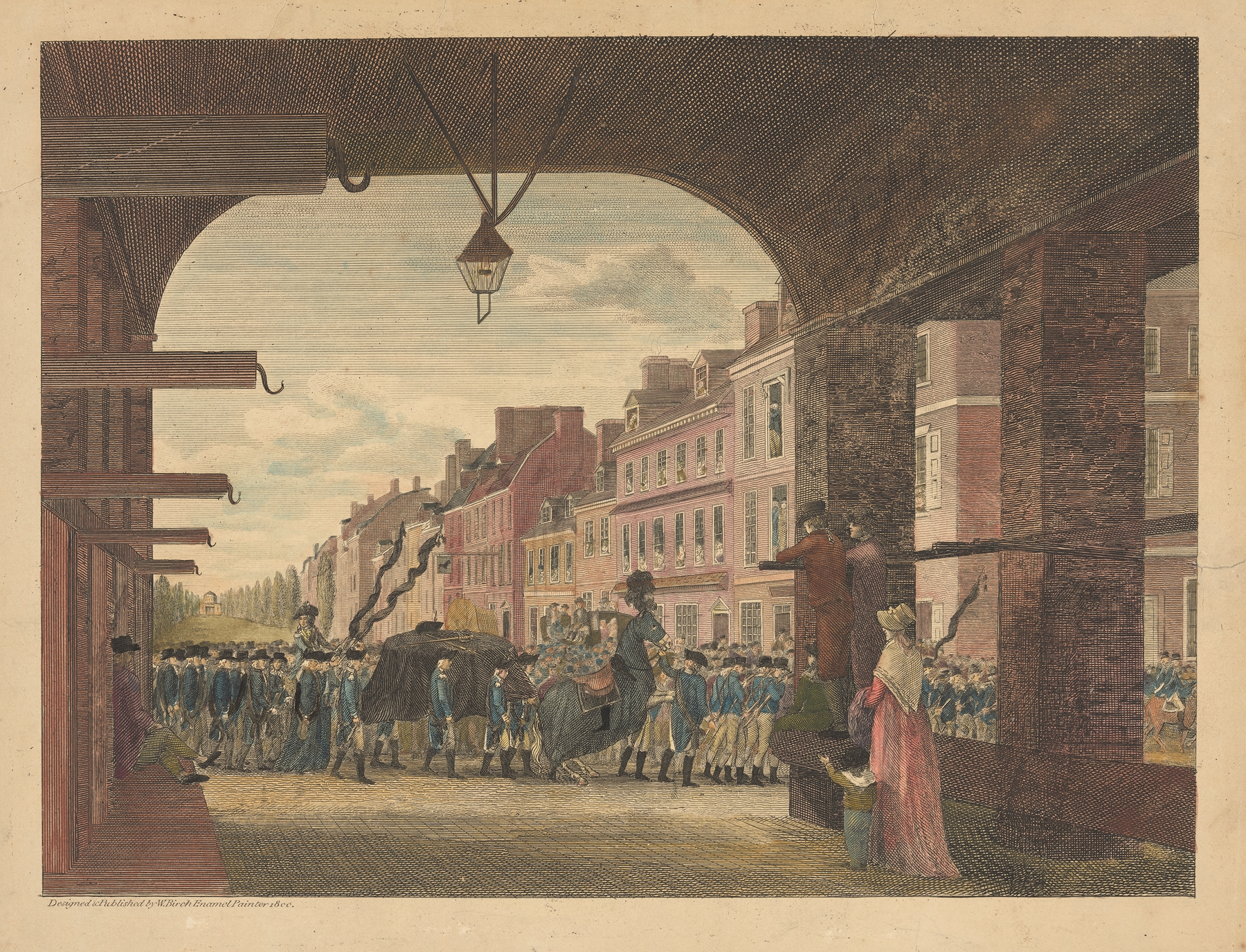
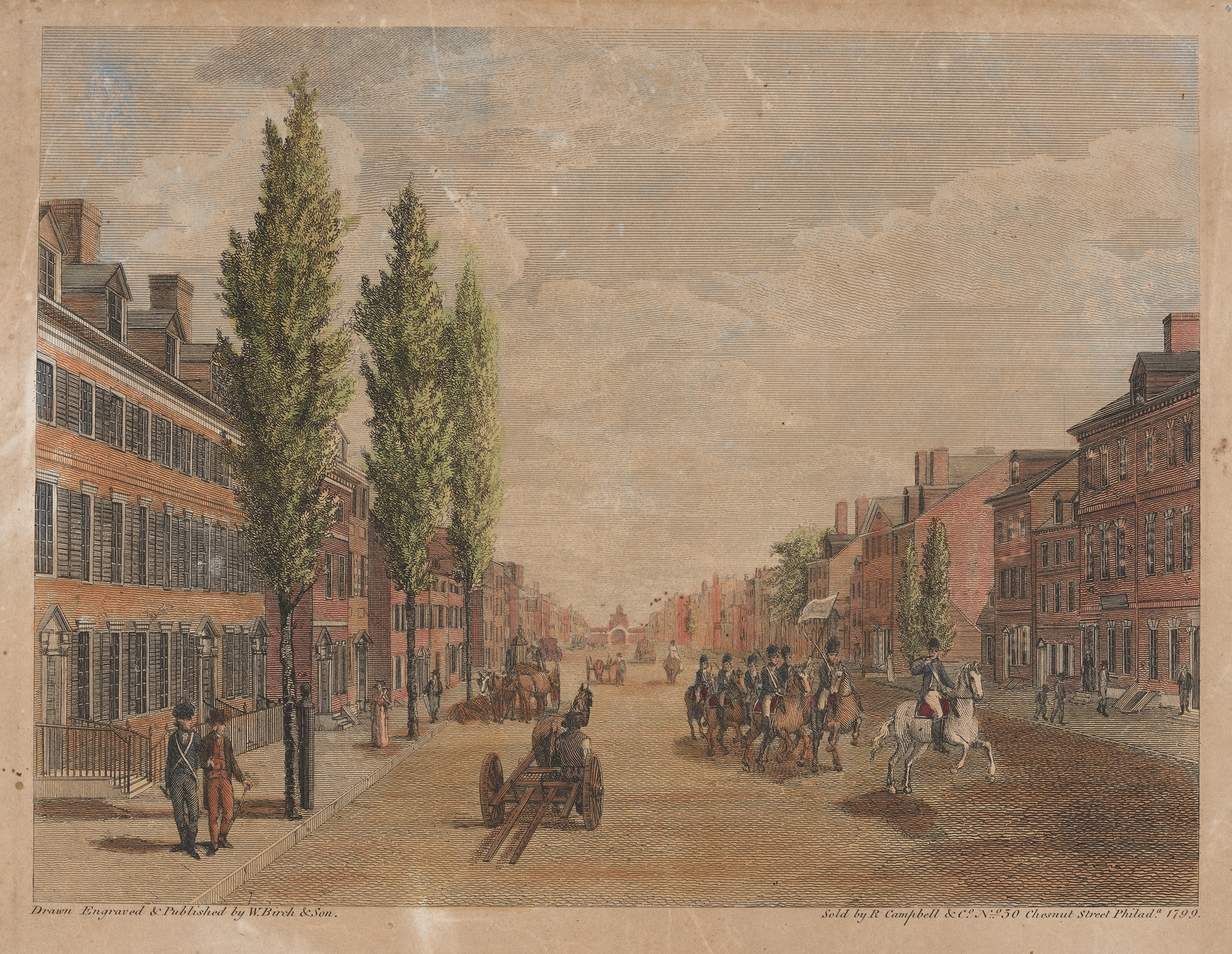
“Every silence here is a confession.” It whispers through the air of an era long past, where brick and mortar stood witness to the lives woven into the fabric of a burgeoning city. Look to the left at the striking façade of the Second Presbyterian Church, its steeple piercing the sky as if reaching for an unreachable truth. Notice the meticulous detail of the architecture, rendered in soft hues that echo the warmth of the fading day. To the right, the bustling street is alive with gentle figures, their movements almost ethereal, as if caught between realms—a fleeting moment captured on paper.
Yet, beneath the surface of this picturesque scene lies a tapestry of nostalgia and the passage of time. The church stands sturdy, a testament to faith and community, while the figures traverse the cobblestone road, suggesting the transient nature of life. This juxtaposition of permanence and ephemerality speaks to the artist’s contemplation of change, an acknowledgment that memories, much like the architecture, can remain steadfast even as time moves inexorably forward.
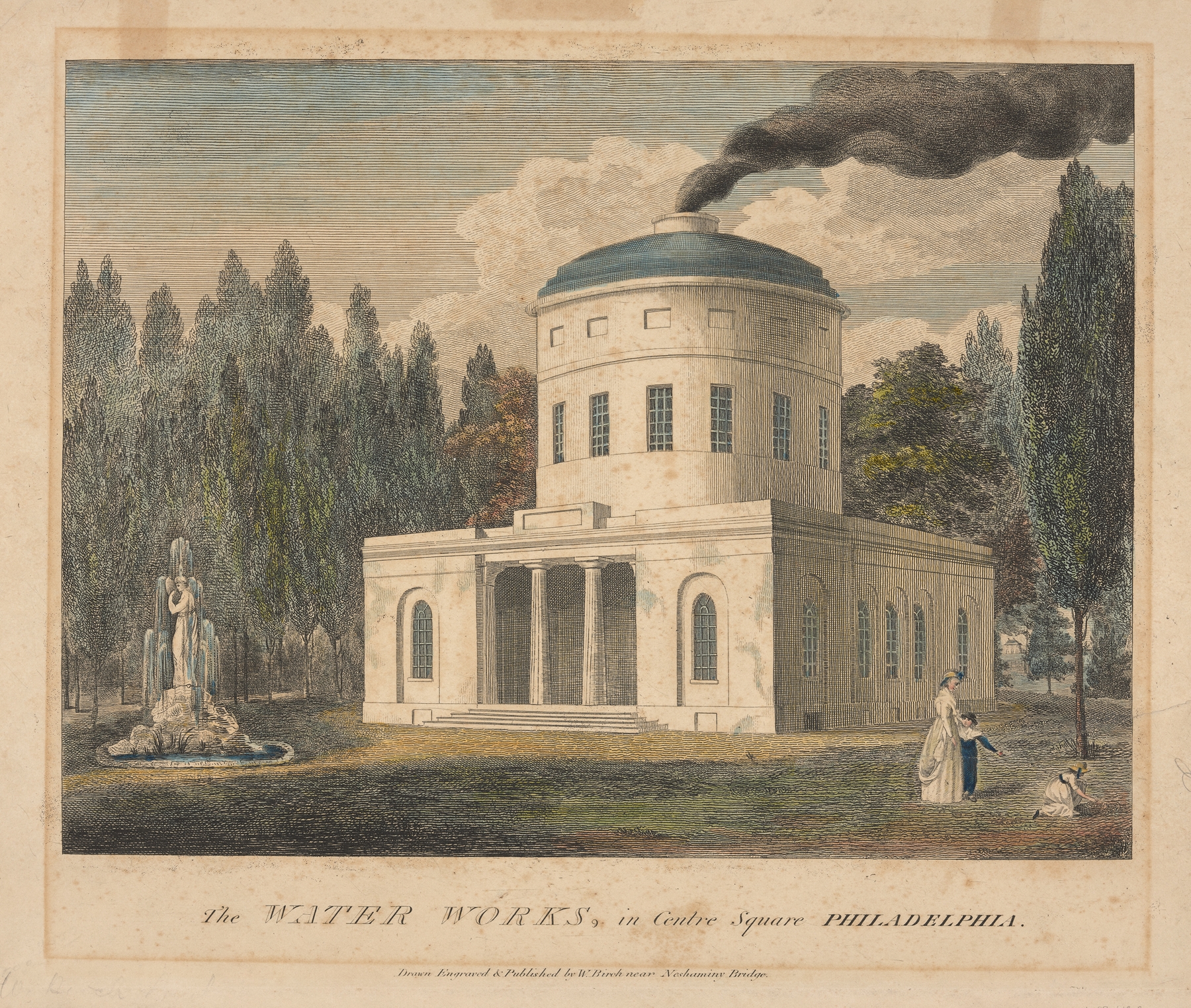
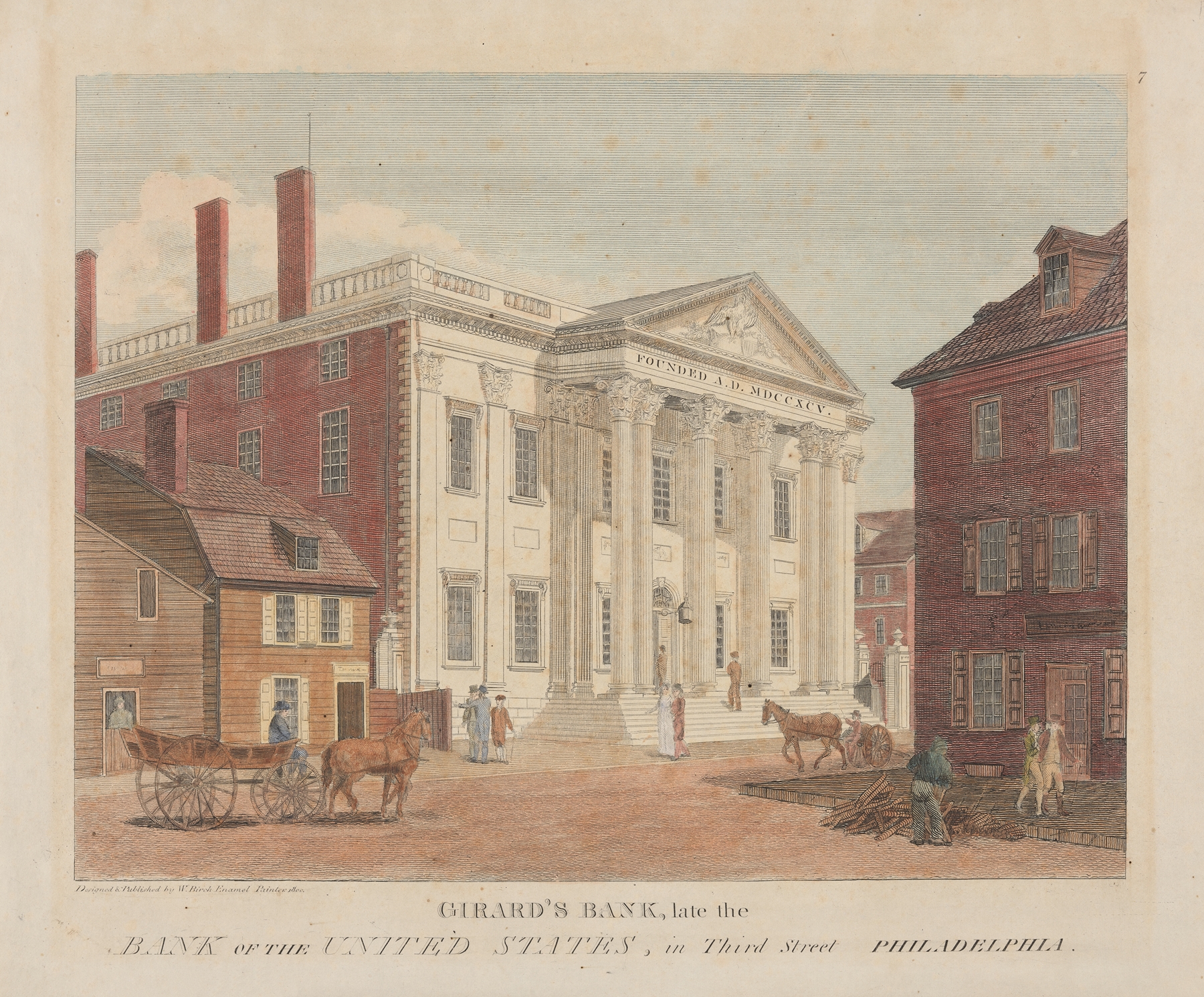
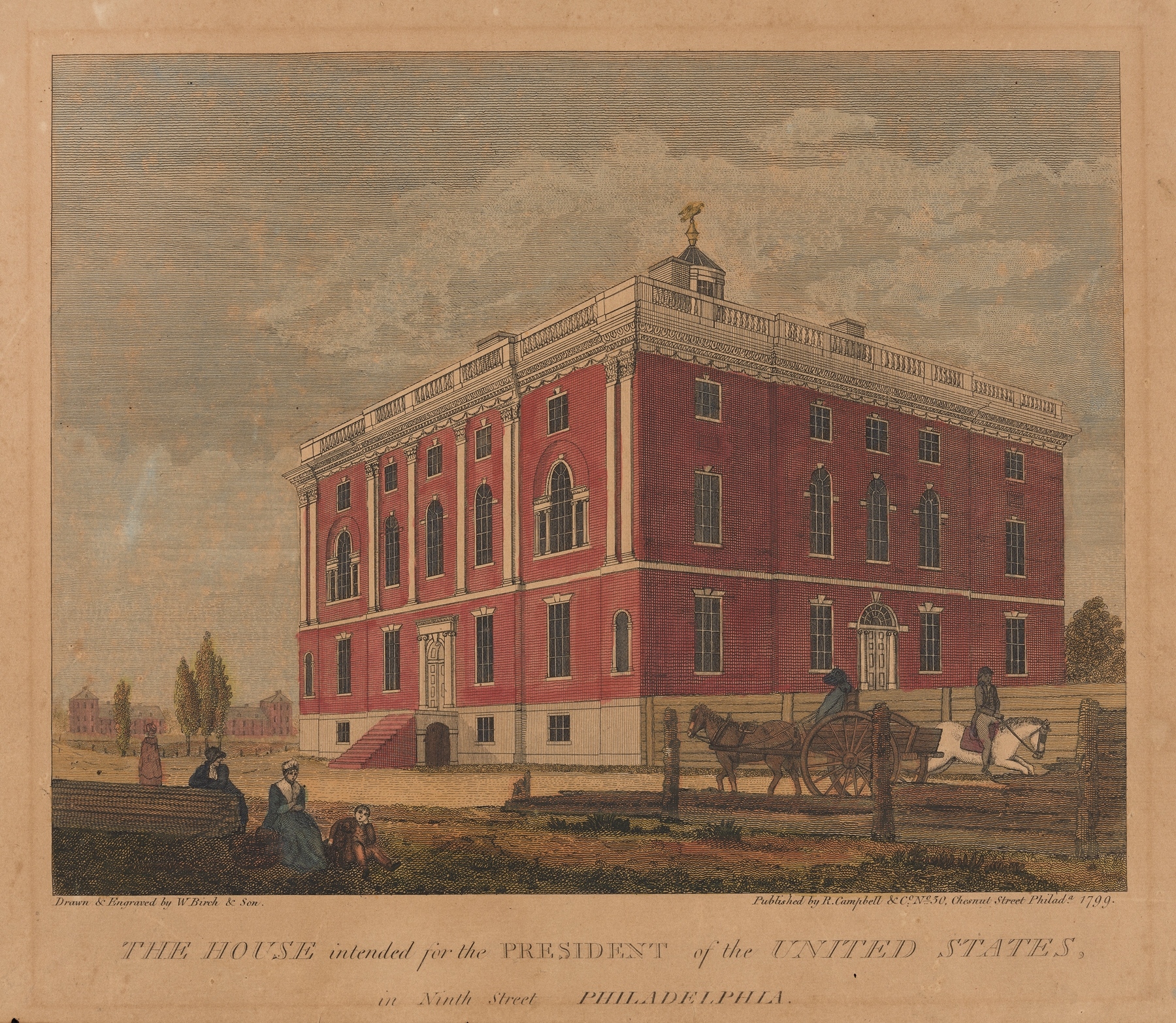
In 1799, Birch produced this work while living in Philadelphia, a city at the heart of a young nation’s identity. The post-Revolutionary period was brimming with optimism and uncertainty, and Birch sought to document the nuances of urban life. His attention to both the grandeur of the church and the intimate scenes of daily existence reflect a pivotal moment in American art, where the interplay of history and personal narrative began to take shape.
![Second Street north from Market St. w[i]th Christ Church. Philadelphia., by William Russell Birch, public domain](https://froigstrpvutwqtqikzt.supabase.co/storage/v1/object/public/art-images/artworks/ae10cefad1b4b09eab503db665d8f122c1796a118217ad99aa9afe67d3a02bd4.jpg)