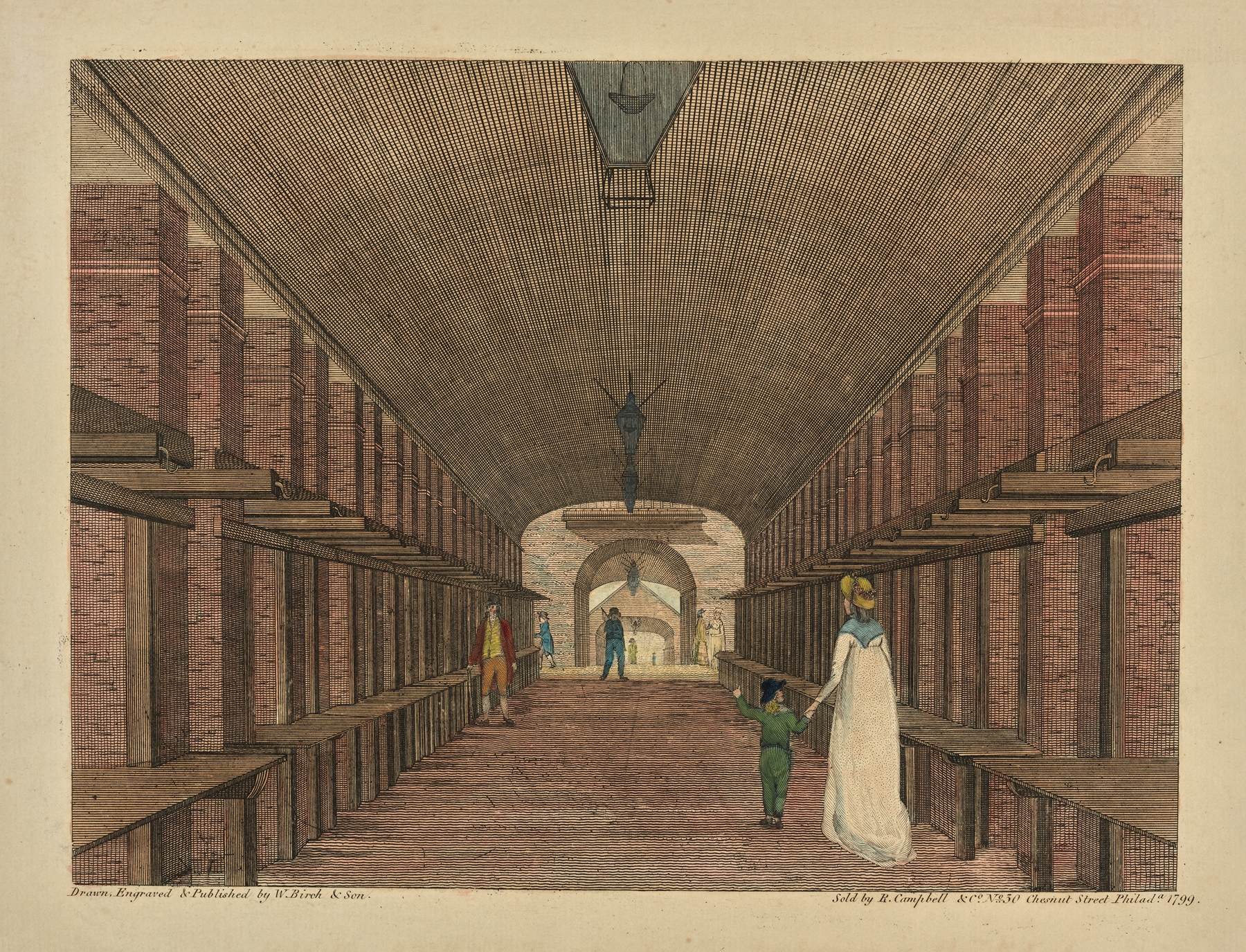
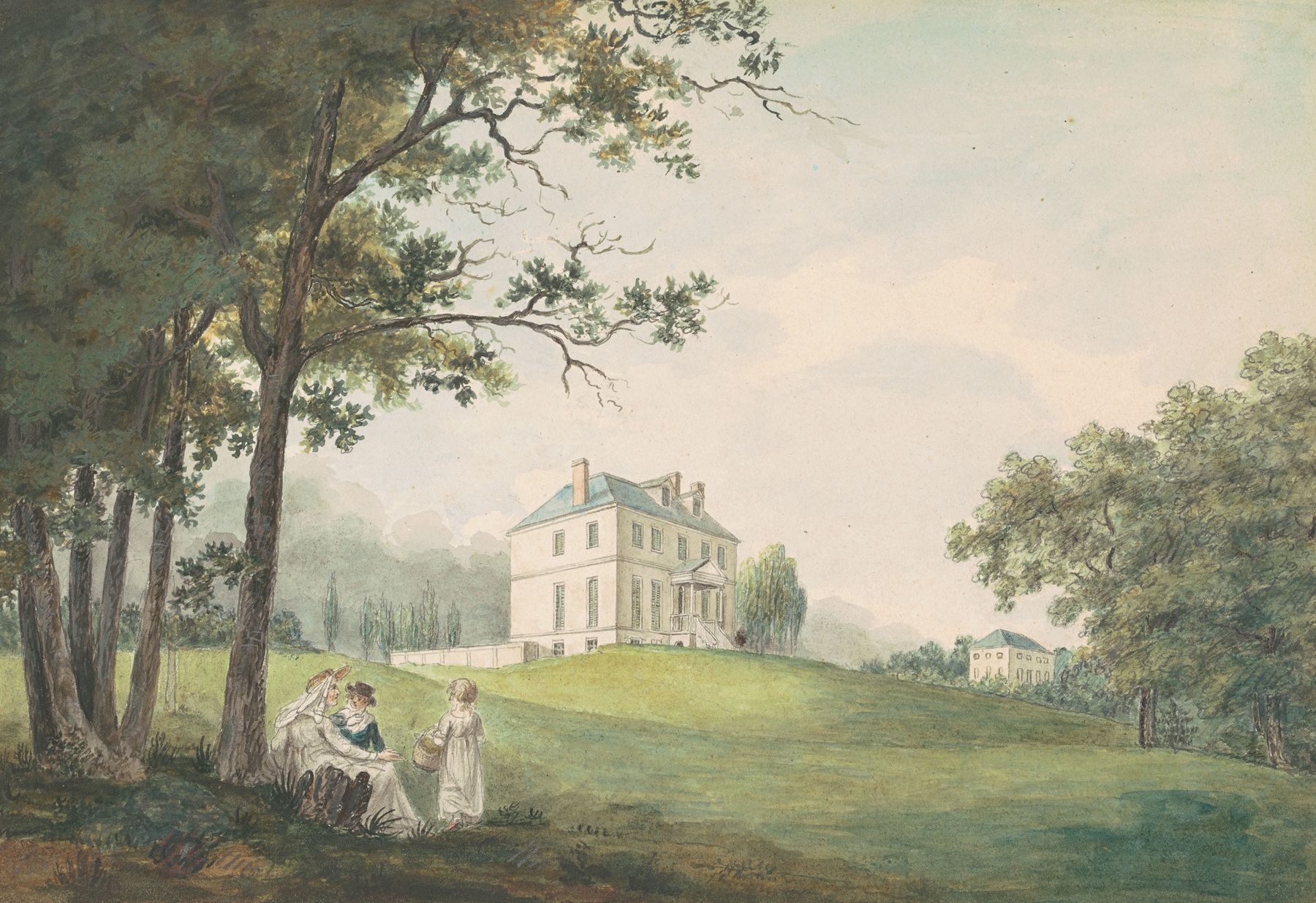
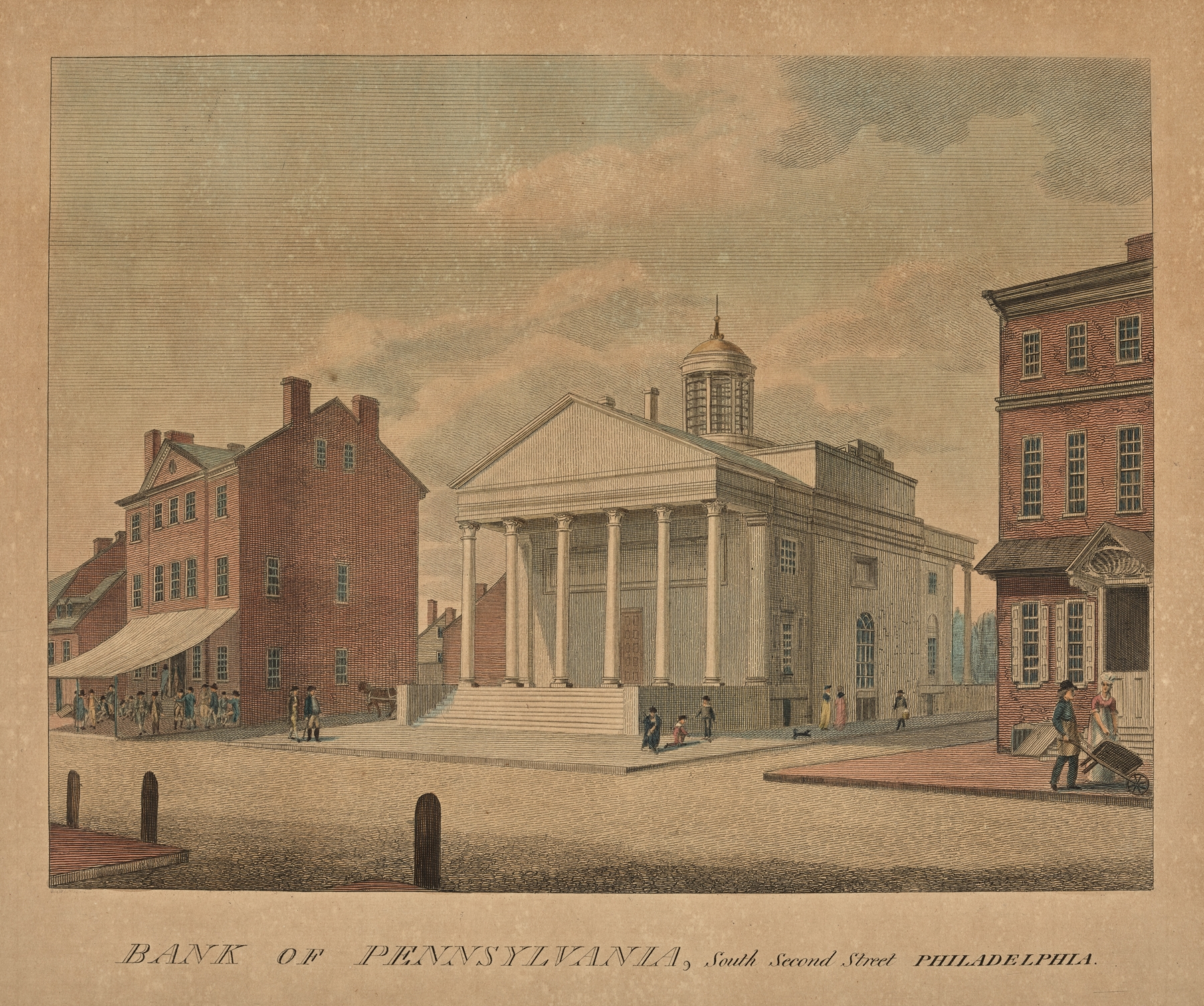
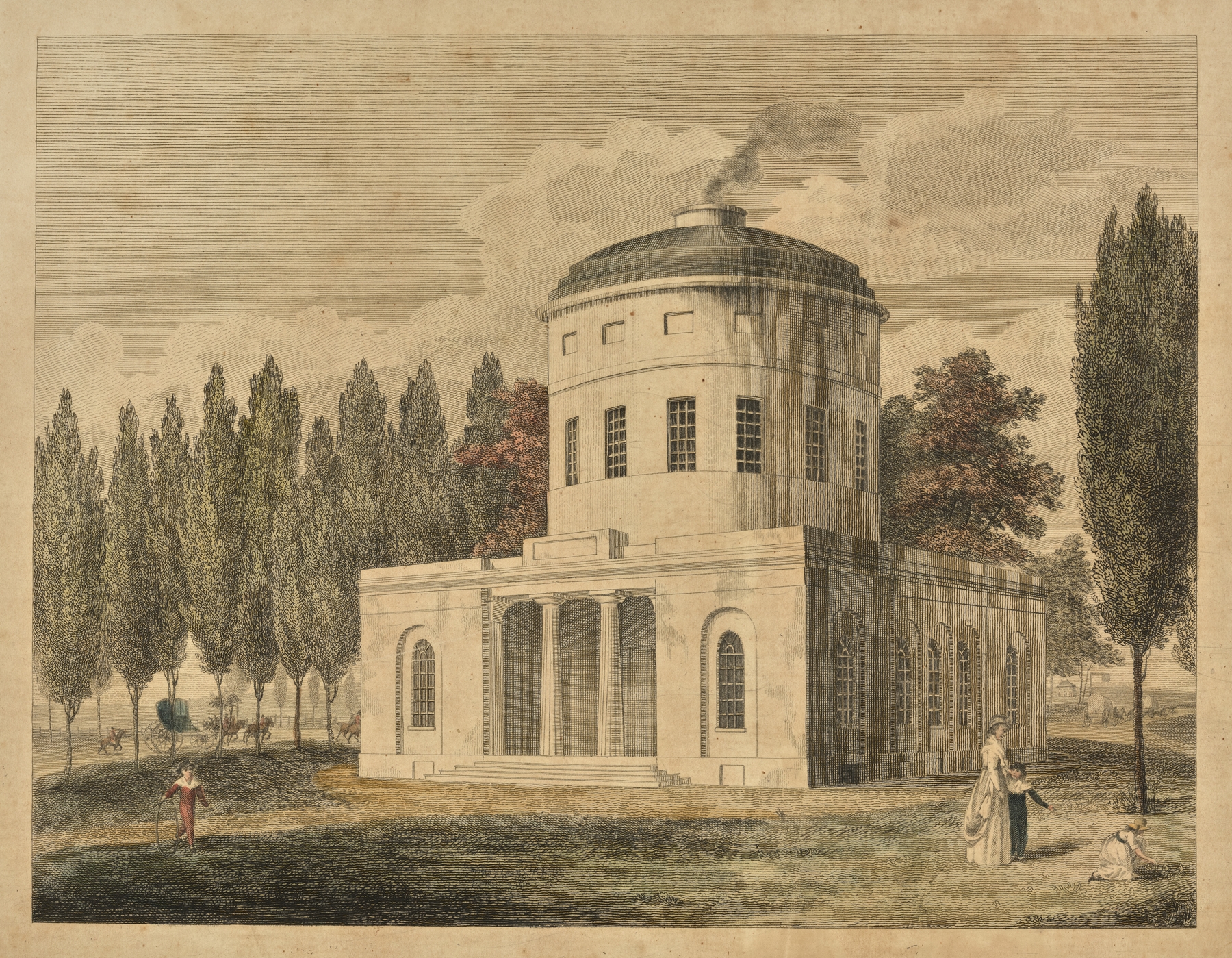
The Water Works, in Center Square Philadelphia — History & Analysis
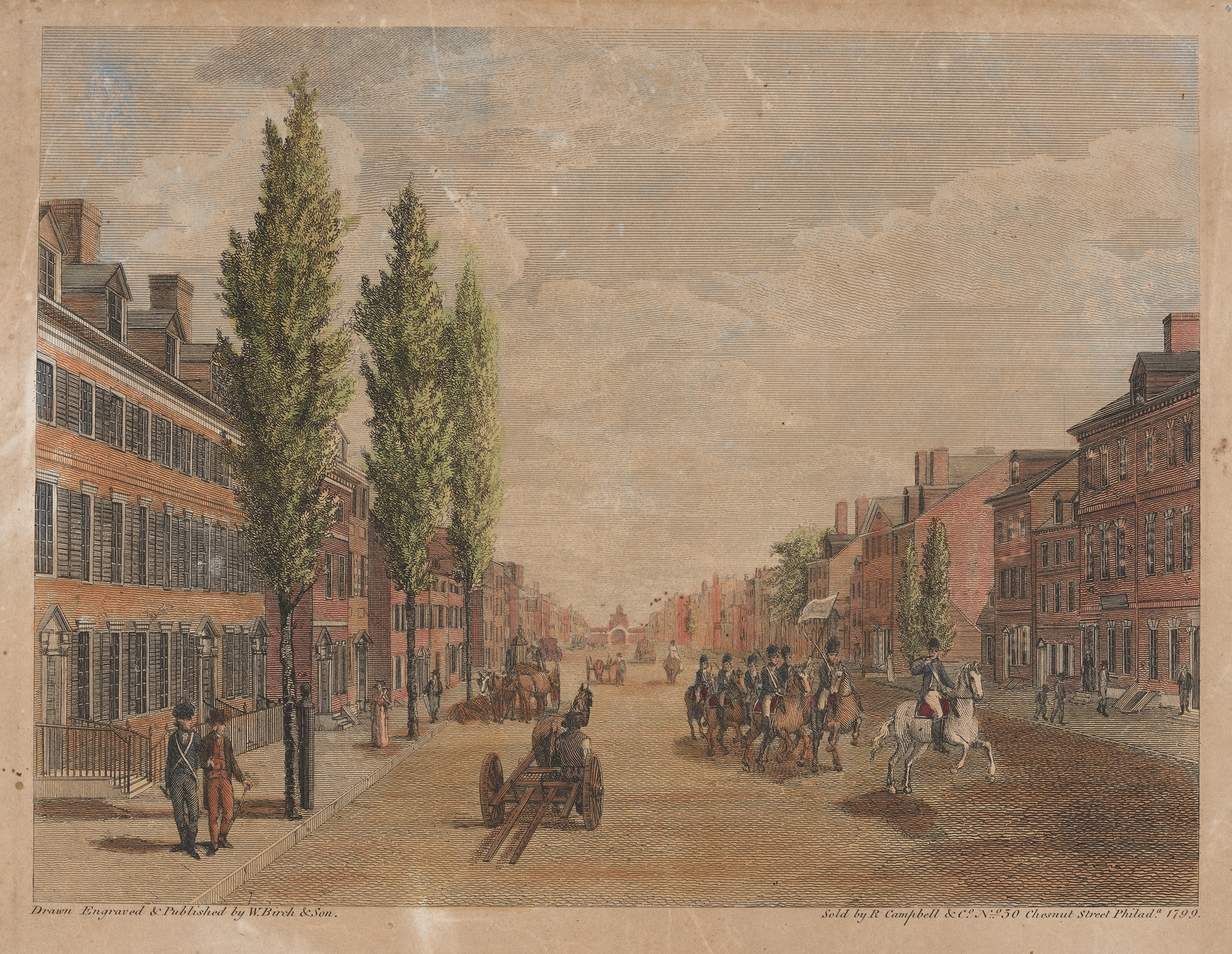
“Every silence here is a confession.” In the stillness of The Water Works, truth unfolds, revealing the layers of human experience tucked behind the flowing waters and architectural elegance. Each ripple, each stone tells a story, urging us to listen beyond the surface. Look to the left at the meticulously rendered waterwheel, its wooden slats catching the soft, golden light of the sun. The gentle play of shadows creates a dance of contrast across the canvas, guiding your eye to the workers tending to the pumps, their labor imbued with both purpose and serenity.
Birch’s delicate brushstrokes bring the scene to life, while the palette of greens and blues evokes a sense of calm, reflecting the harmony between nature and industry. Yet beneath this tranquil façade lies a deeper narrative—one of progress, labor, and the quiet struggles of those who harness nature's gifts. The water, a symbol of life and vitality, hints at the unseen burdens carried by the workers. There’s a palpable tension between the beauty of the setting and the effort involved in maintaining it, suggesting a truth that often goes unspoken: progress demands sacrifice.
Created in an era when industrialization was reshaping American society, Birch painted this work as a celebration of both natural beauty and human achievement. The exact date is uncertain, but it is known that Birch was active in Philadelphia in the late 18th century, a time when the city was embracing modernization while grappling with the consequences of change. This piece embodies that moment—a reflection of both admiration for progress and a recognition of its complexities.
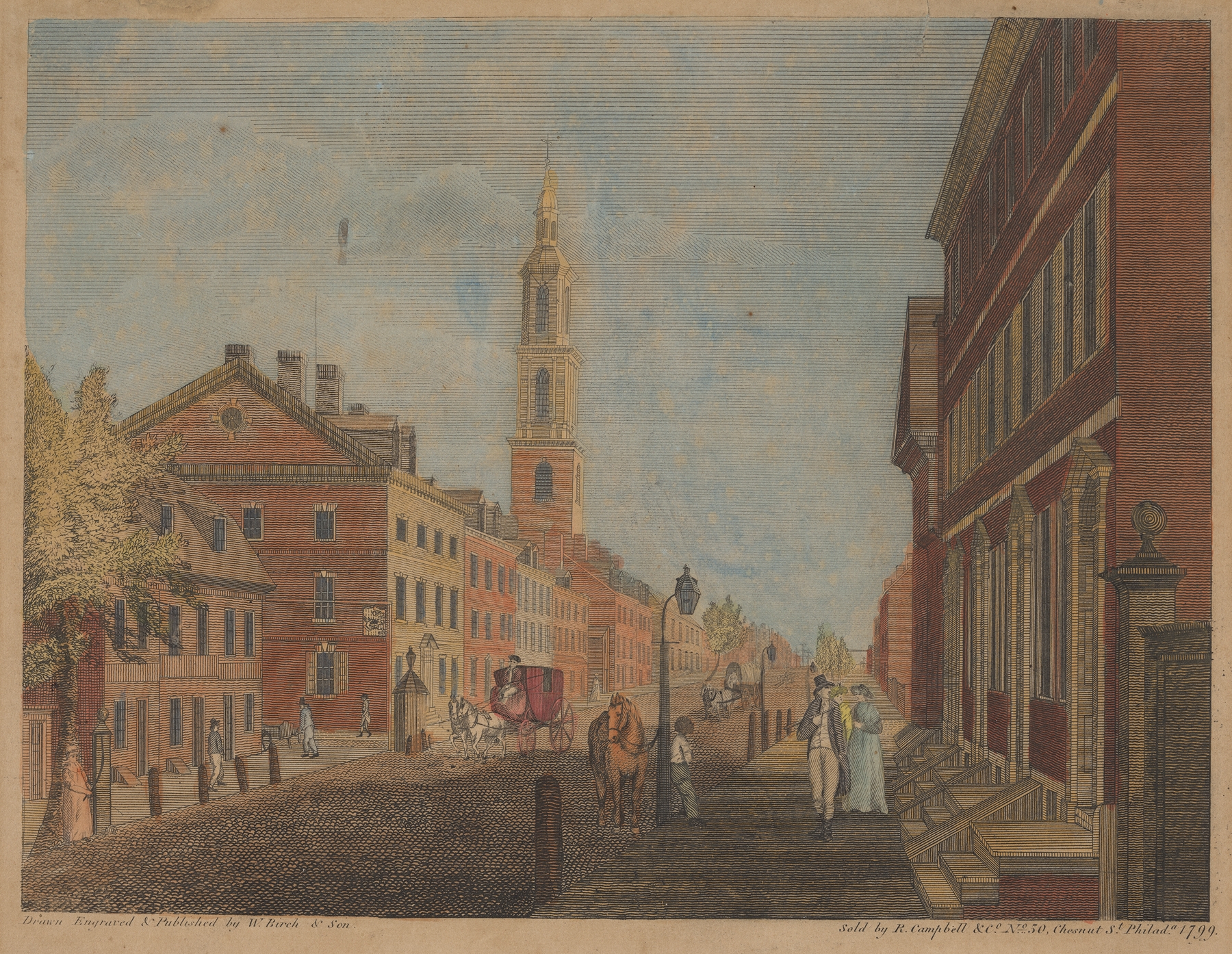
![Second Street north from Market St. w[i]th Christ Church. Philadelphia., by William Russell Birch, public domain](https://froigstrpvutwqtqikzt.supabase.co/storage/v1/object/public/art-images/artworks/ae10cefad1b4b09eab503db665d8f122c1796a118217ad99aa9afe67d3a02bd4.jpg)