Sweet Briar — History & Analysis
What if beauty was never meant to be finished? In a world where every brushstroke breathes life into the ephemeral, we are left to ponder the legacy of art and how it captures the fleeting moments of nature's glory. Focus on the delicate blossoms in Sweet Briar, where hues of soft pink and white mingle against a muted background. The graceful curves of the petals draw the eye to their intricate details, while the leaves provide a lush, verdant contrast. Notice how the light dances upon the surfaces, accentuating textures and giving the scene a vibrant life.
Birch's meticulous technique showcases the delicate balance of shadow and illumination, inviting viewers to appreciate the quiet elegance of this floral composition. Hidden within the beauty of this piece lies a deeper contemplation on transformation and preservation. The ever-blooming flowers evoke a sense of transient beauty, while the artist’s choice of medium ensures their permanence in art. Each petal whispers of moments lost in time, yet immortalized on canvas.
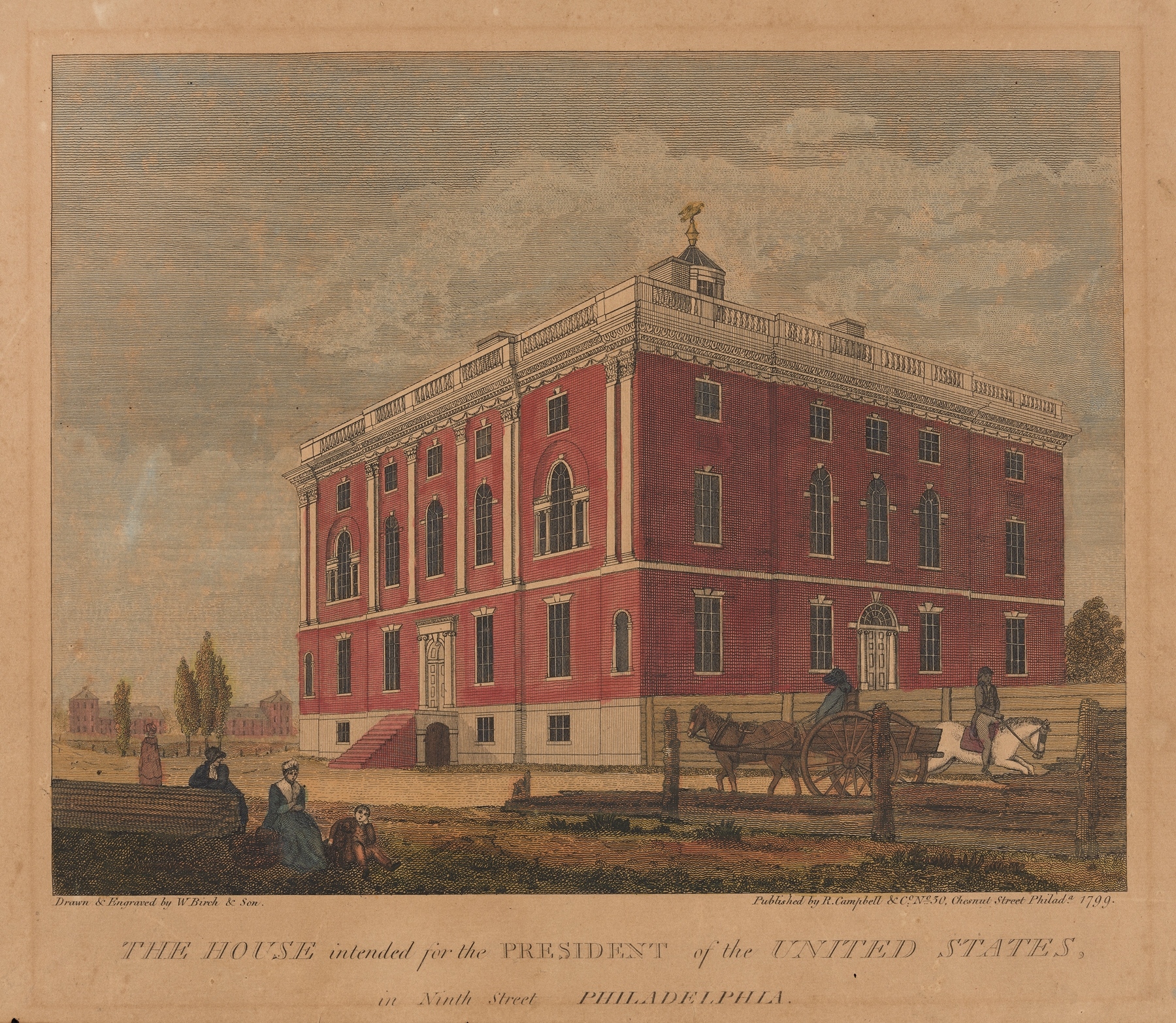
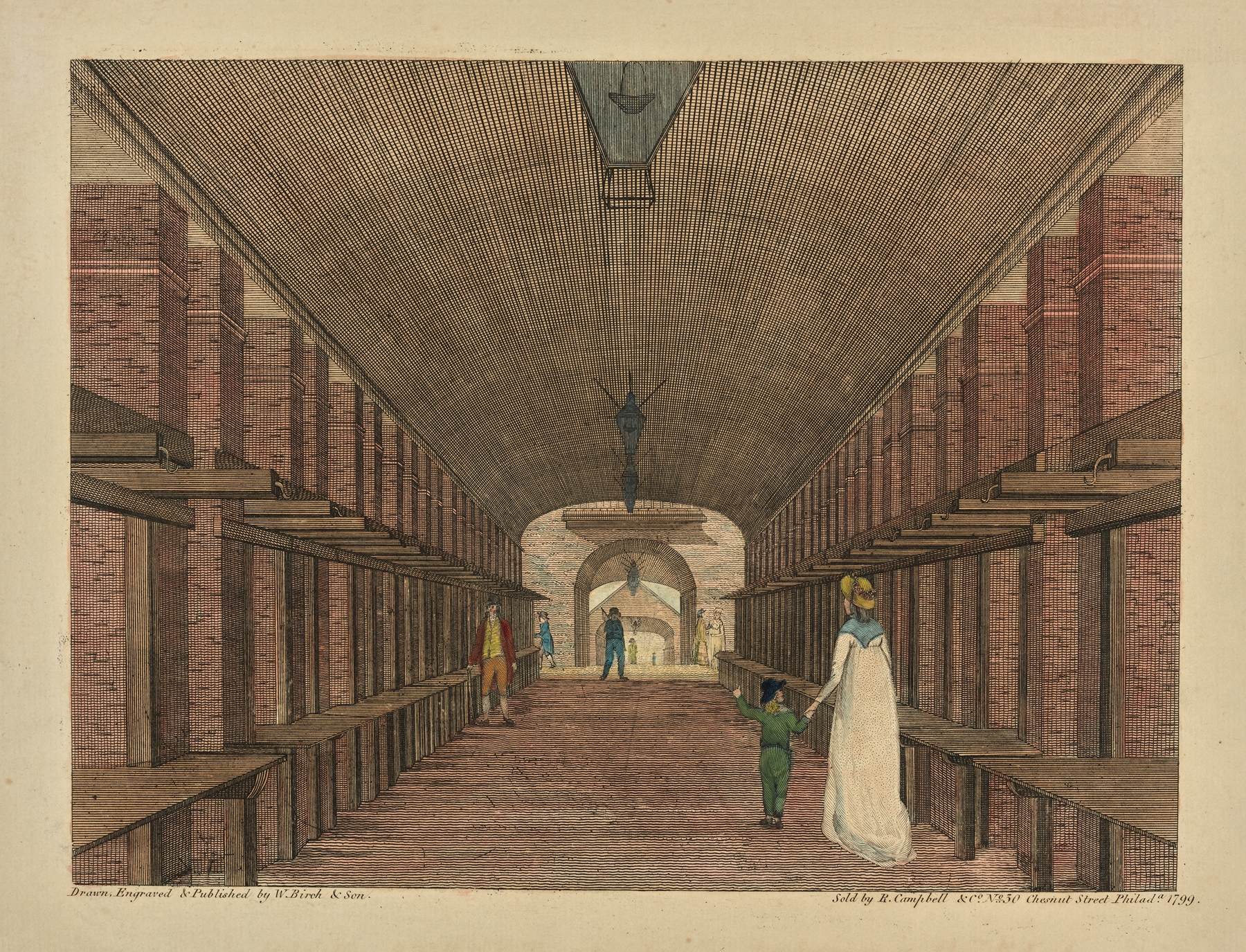
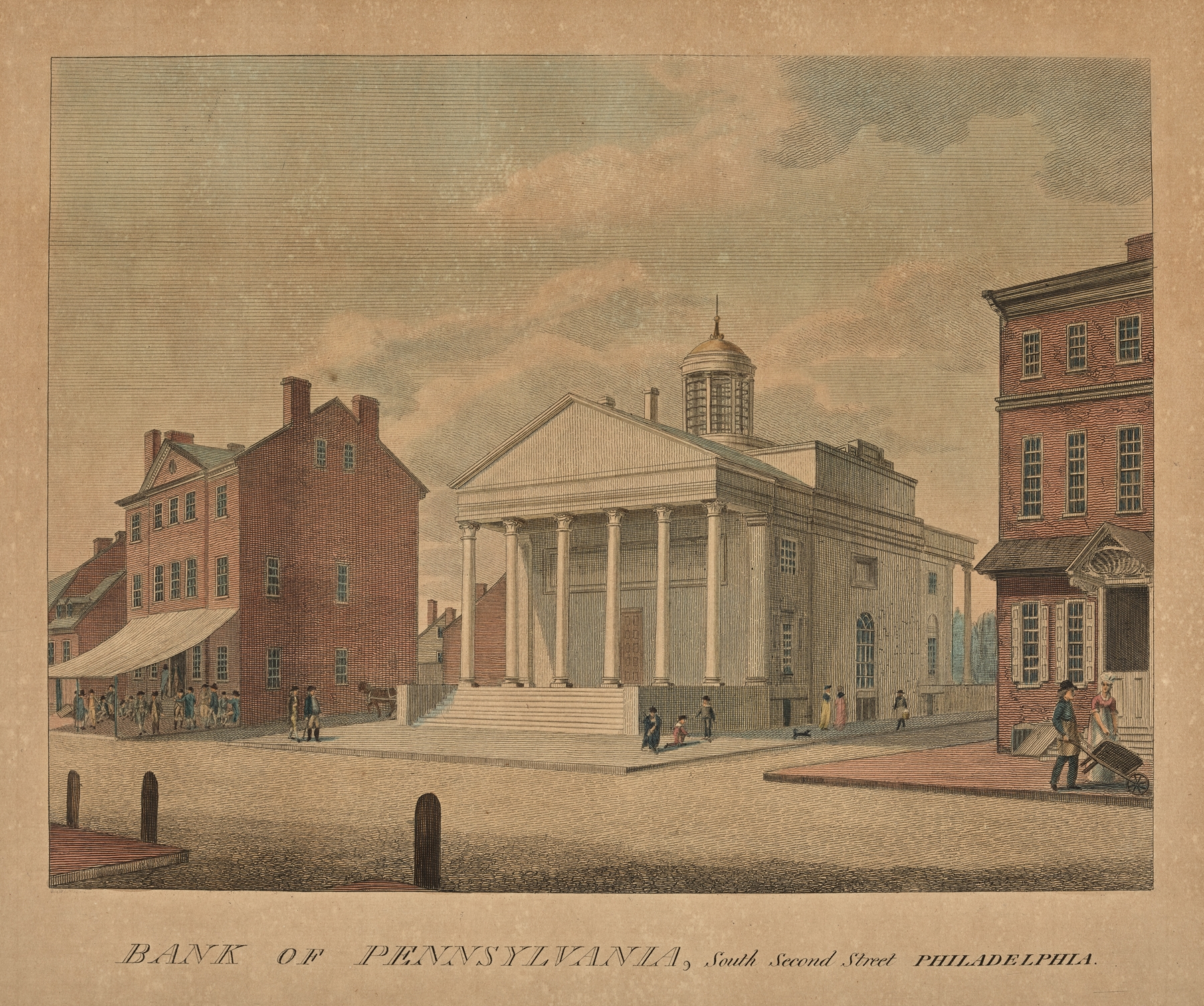
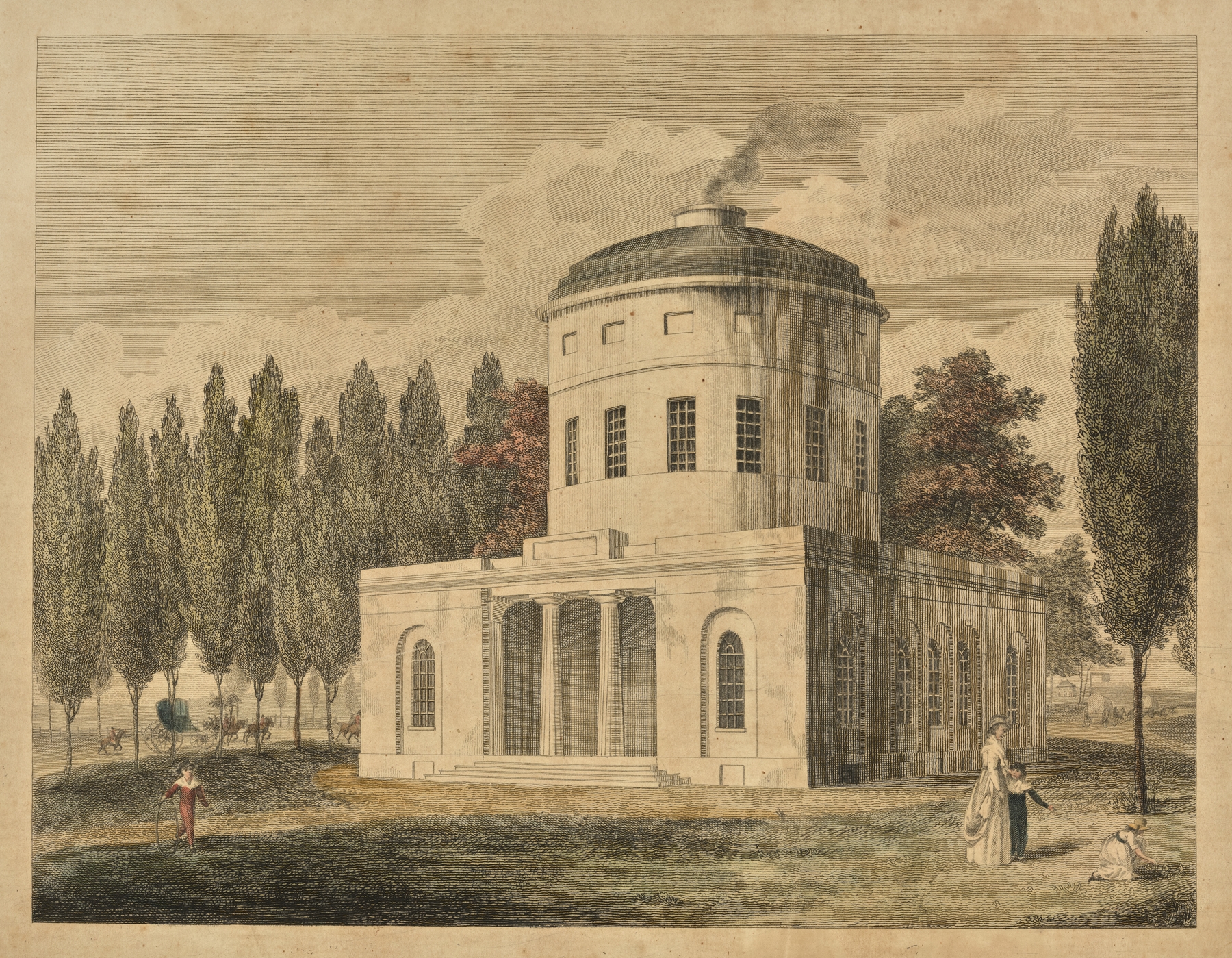
This tension between the ephemeral and the lasting invites reflections on what we leave behind — our own legacies. William Russell Birch painted Sweet Briar around 1808 while living in the United States. Having emigrated from England, Birch was immersed in a world rich with new influences and artistic possibilities. This period marked a time when American artists sought to establish their distinctive identity, and Birch’s botanical works resonated with the growing appreciation for nature and its beauty, capturing the essence of a burgeoning nation.
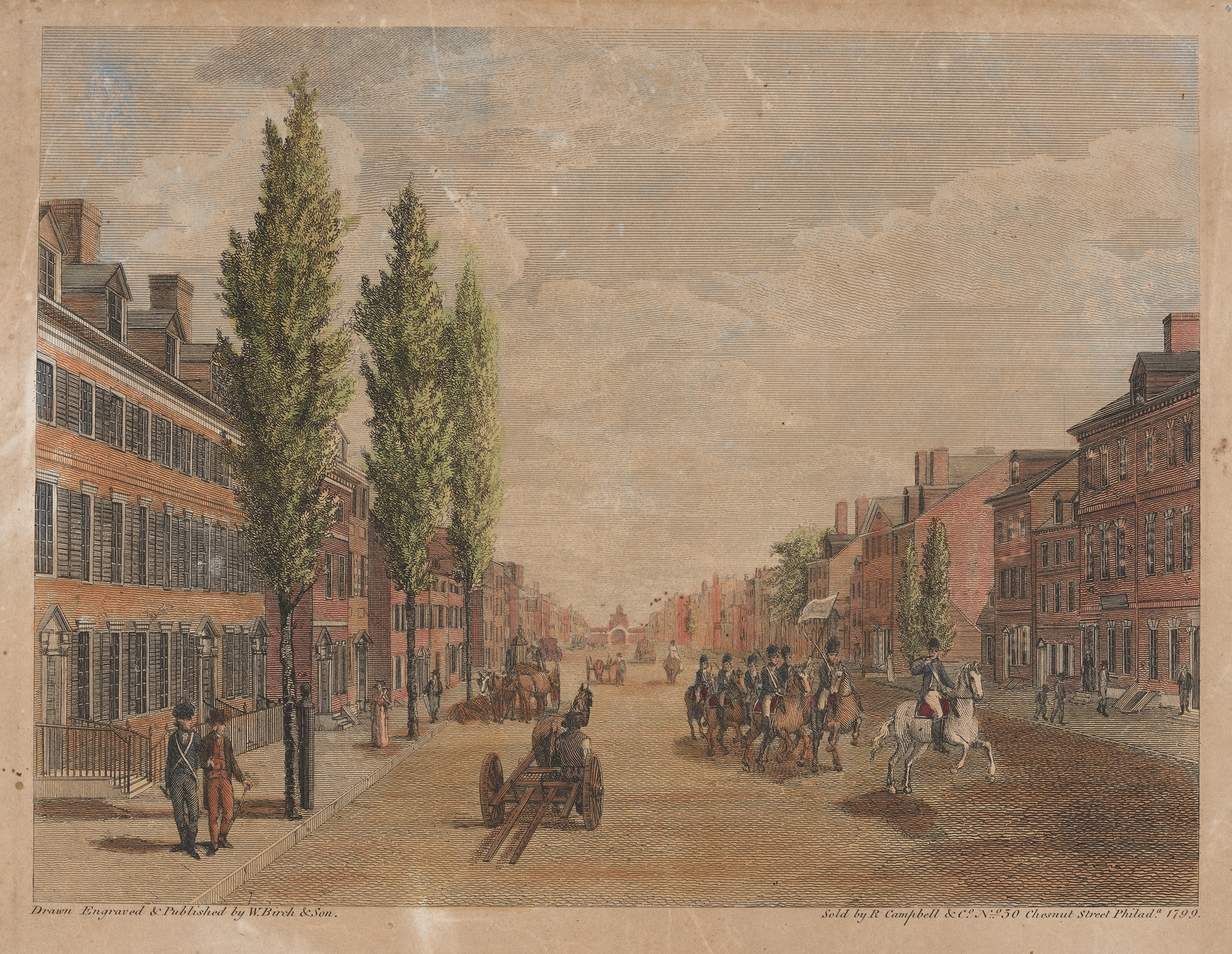
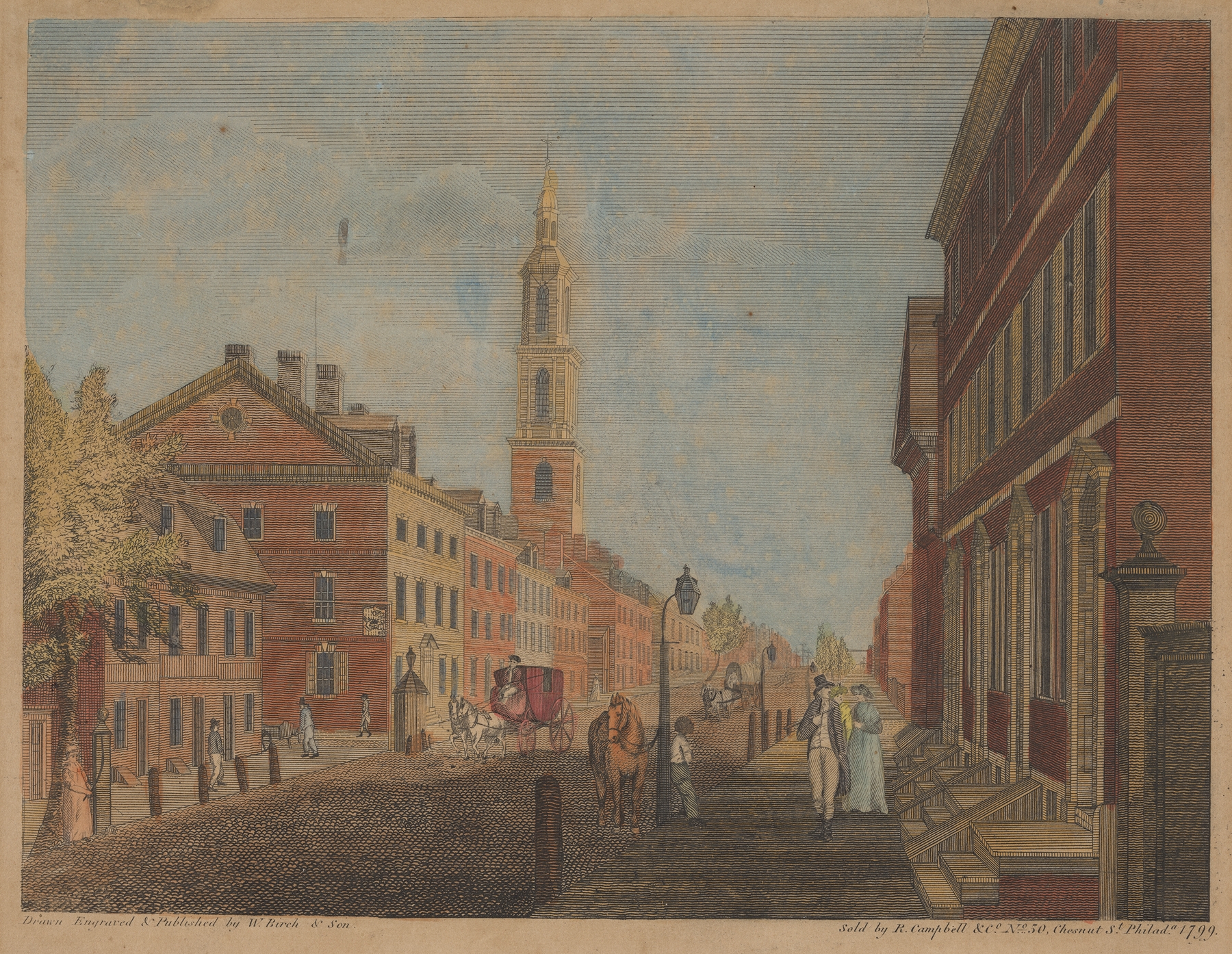
![Second Street north from Market St. w[i]th Christ Church. Philadelphia., by William Russell Birch, public domain](https://froigstrpvutwqtqikzt.supabase.co/storage/v1/object/public/art-images/artworks/ae10cefad1b4b09eab503db665d8f122c1796a118217ad99aa9afe67d3a02bd4.jpg)