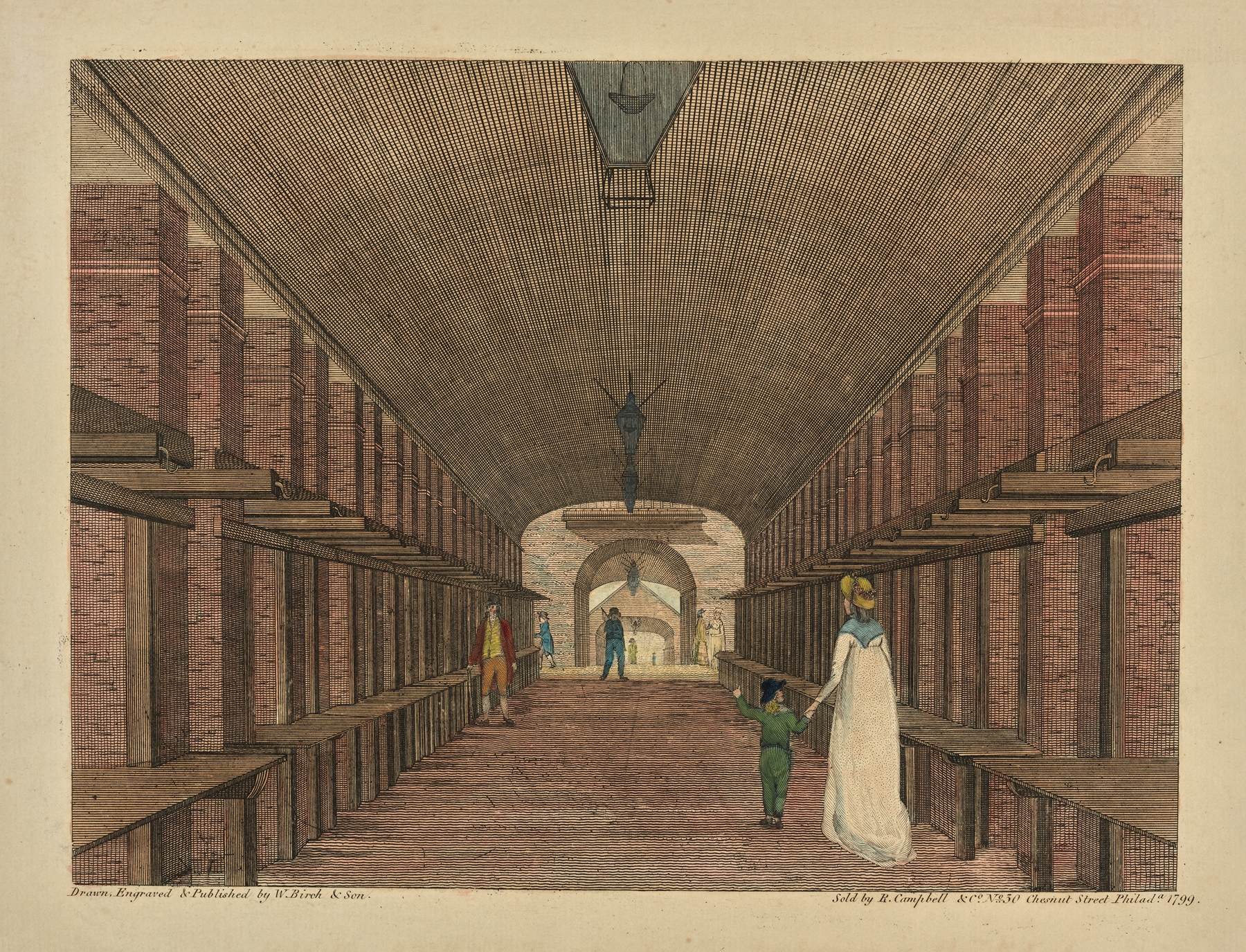
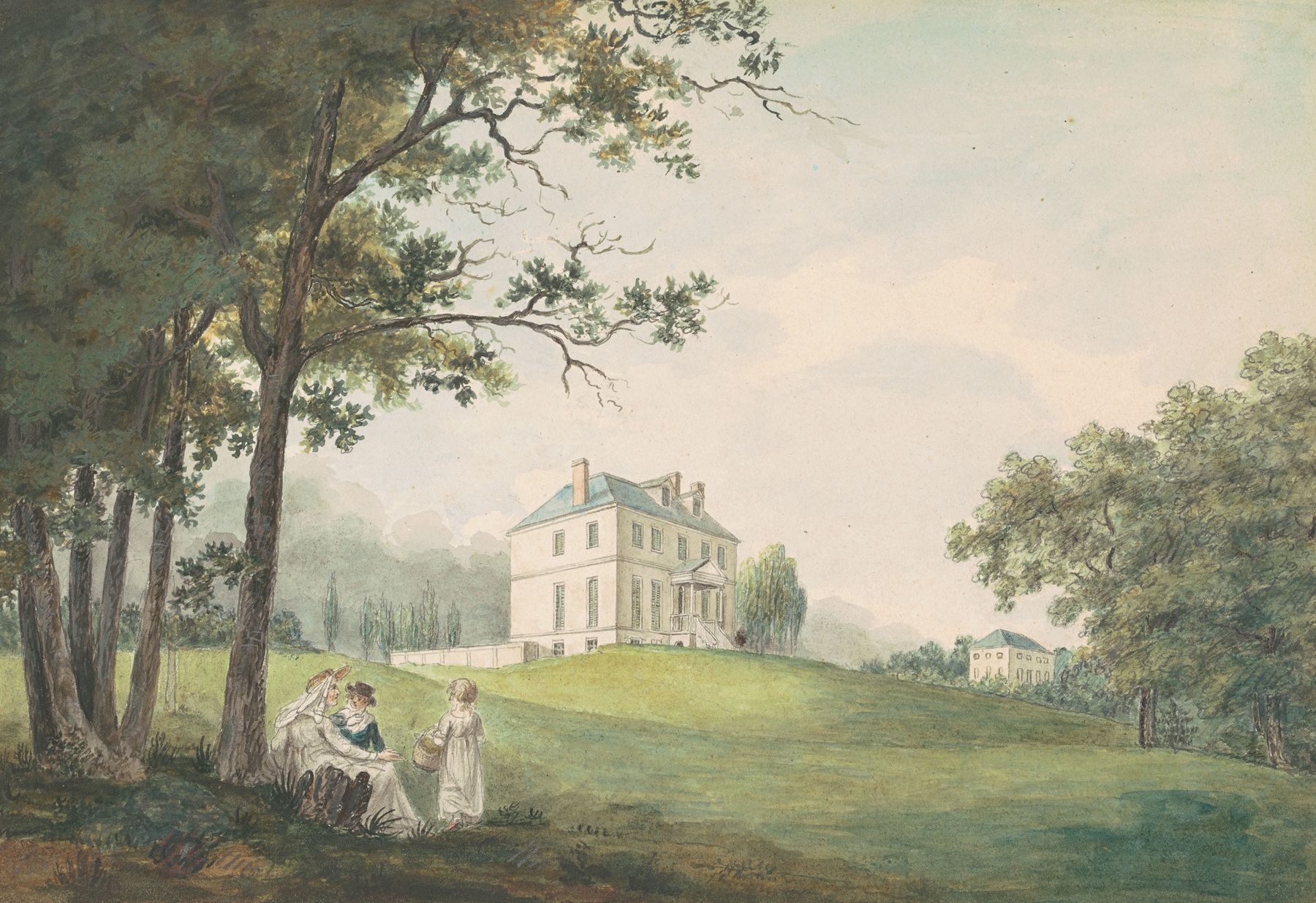
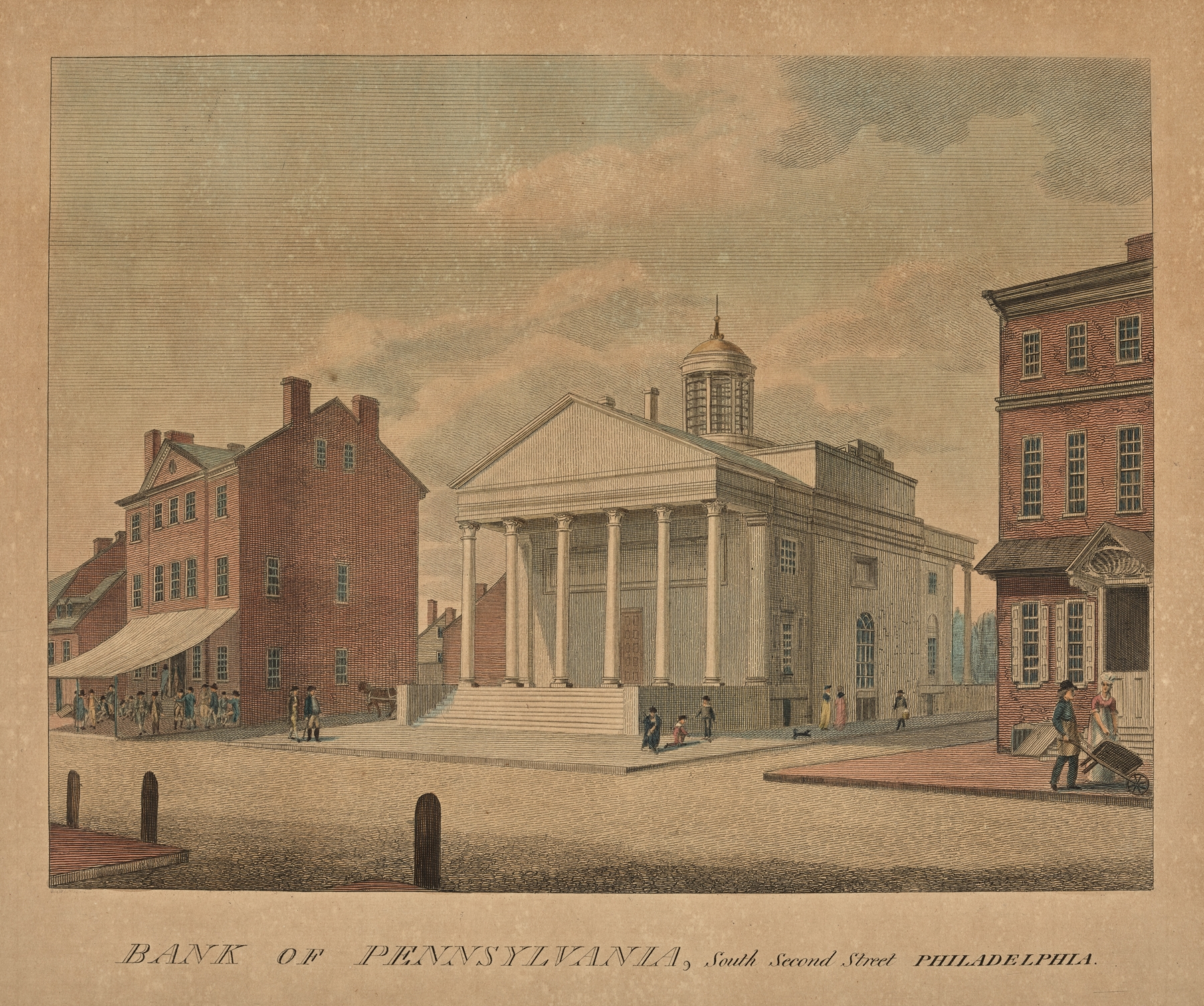
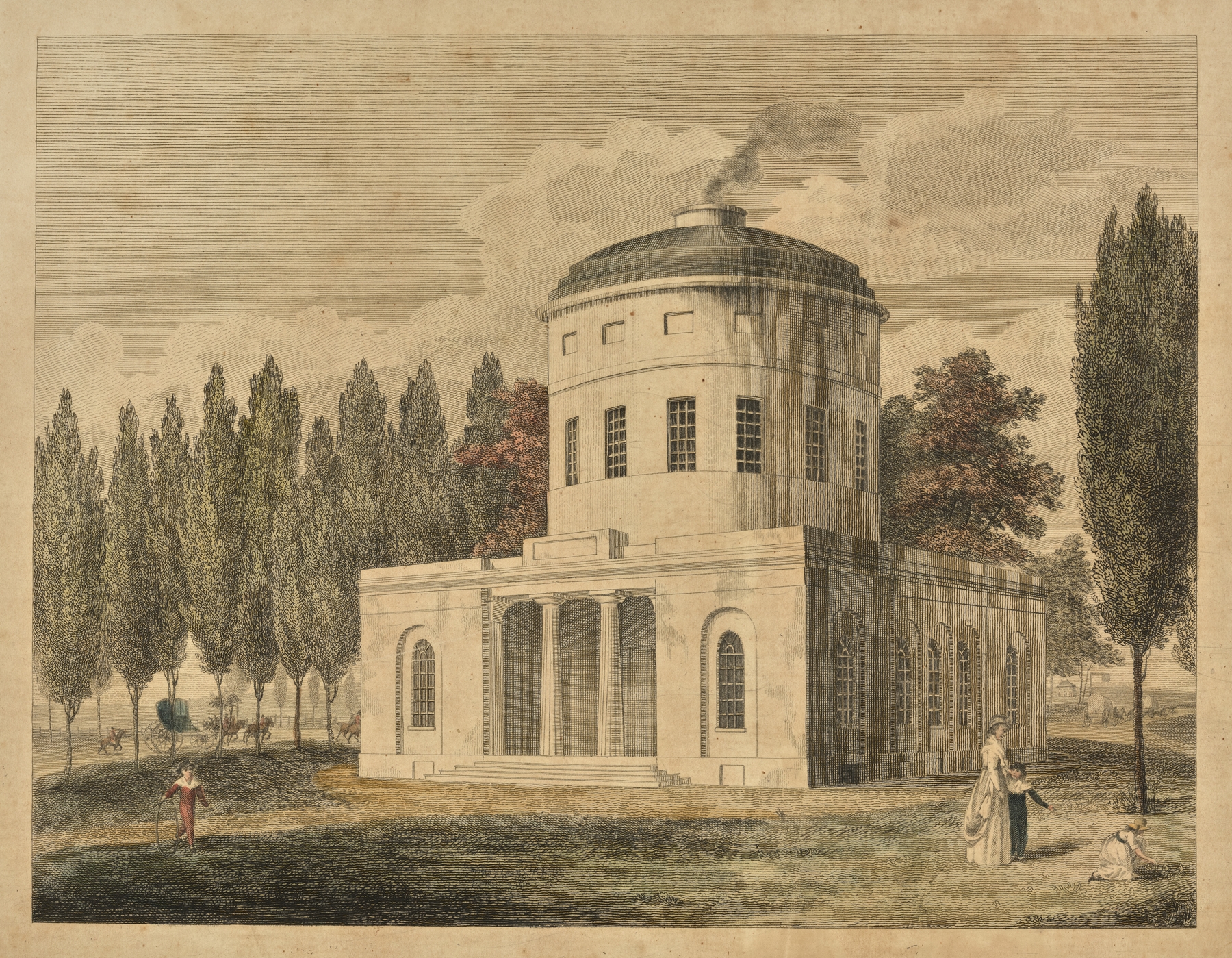
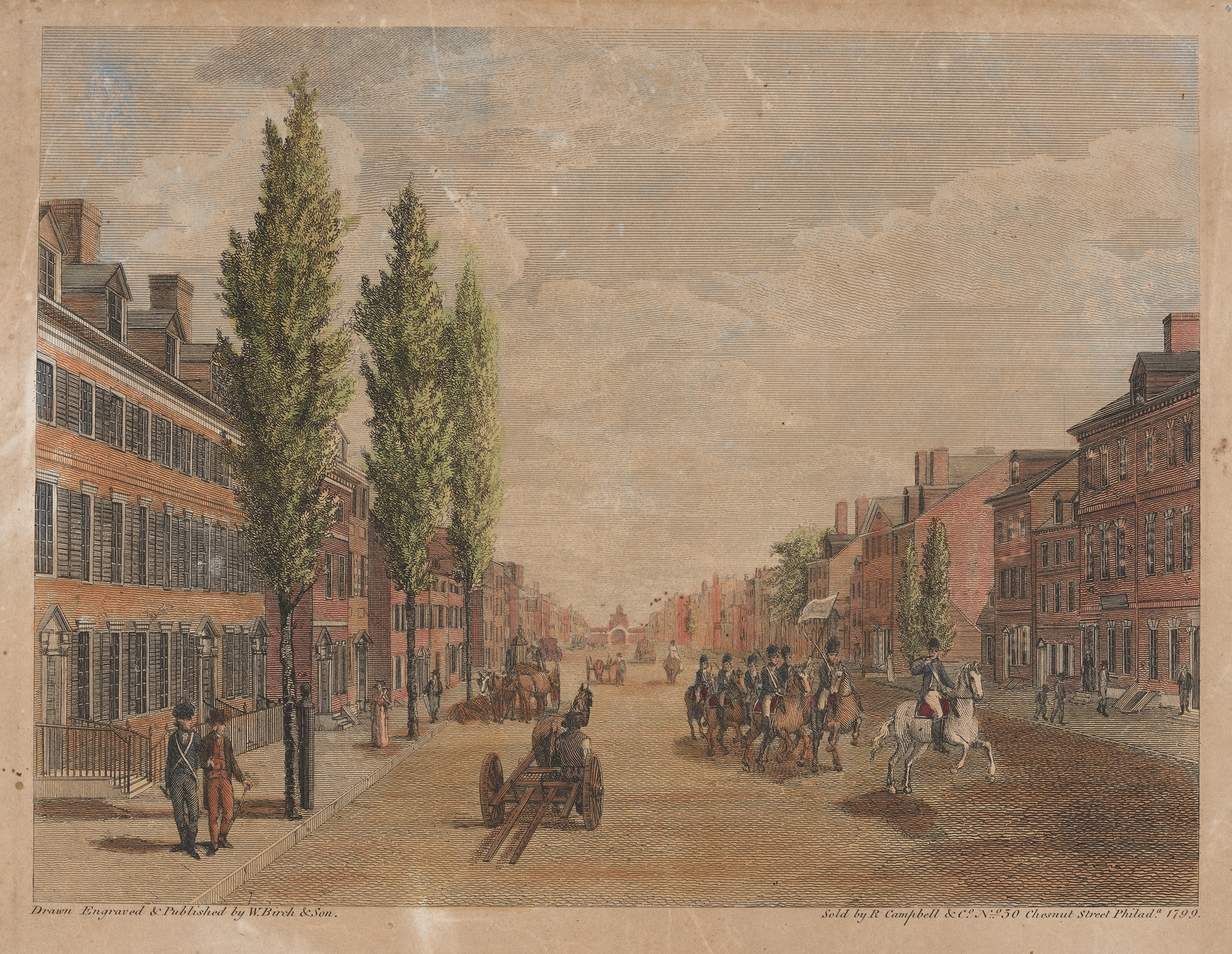
The house intended for the President of the United States, in Ninth Street Philadelphia. — History & Analysis
“Sometimes beauty is just pain, disguised in gold.” The allure of a perfect facade can often mask the tumultuous feelings that underpin it, an obsession concealed beneath elegance. Focus on the meticulously detailed architecture that commands your attention. Look first at the delicate cornices and grand columns, rising majestically against the pale sky, a testament to ambition and hope. Observe the way the light caresses the building's surfaces, highlighting the curves and edges that form its imposing presence. The palette of soft earth tones is complemented by dashes of brilliance, echoing the promise of greatness wrapped within the classic lines.
Yet, beneath the surface beauty lies a deeper tension. The grand design symbolizes both aspiration and unattainable ideals, hinting at the weight of expectations resting on its very foundations. The emptiness surrounding the structure speaks volumes, suggesting isolation and the haunting fragility of dreams unfulfilled. The scene invites reflection on the obsession with legacy and power, revealing a yearning for something that may never truly belong to the dreamer.
In 1799, while residing in Philadelphia, Birch captured this vision during a formative period in American history. The nation was navigating its identity, striving for unity and purpose as it emerged from the shadows of revolution. Birch's work reflects the architectural aspirations of the time, mirroring the ambitions of a young democracy seeking a place in the world. His intricate rendering of this future presidential residence not only immortalizes a vision but also anticipates the burdens of leadership that lie ahead.
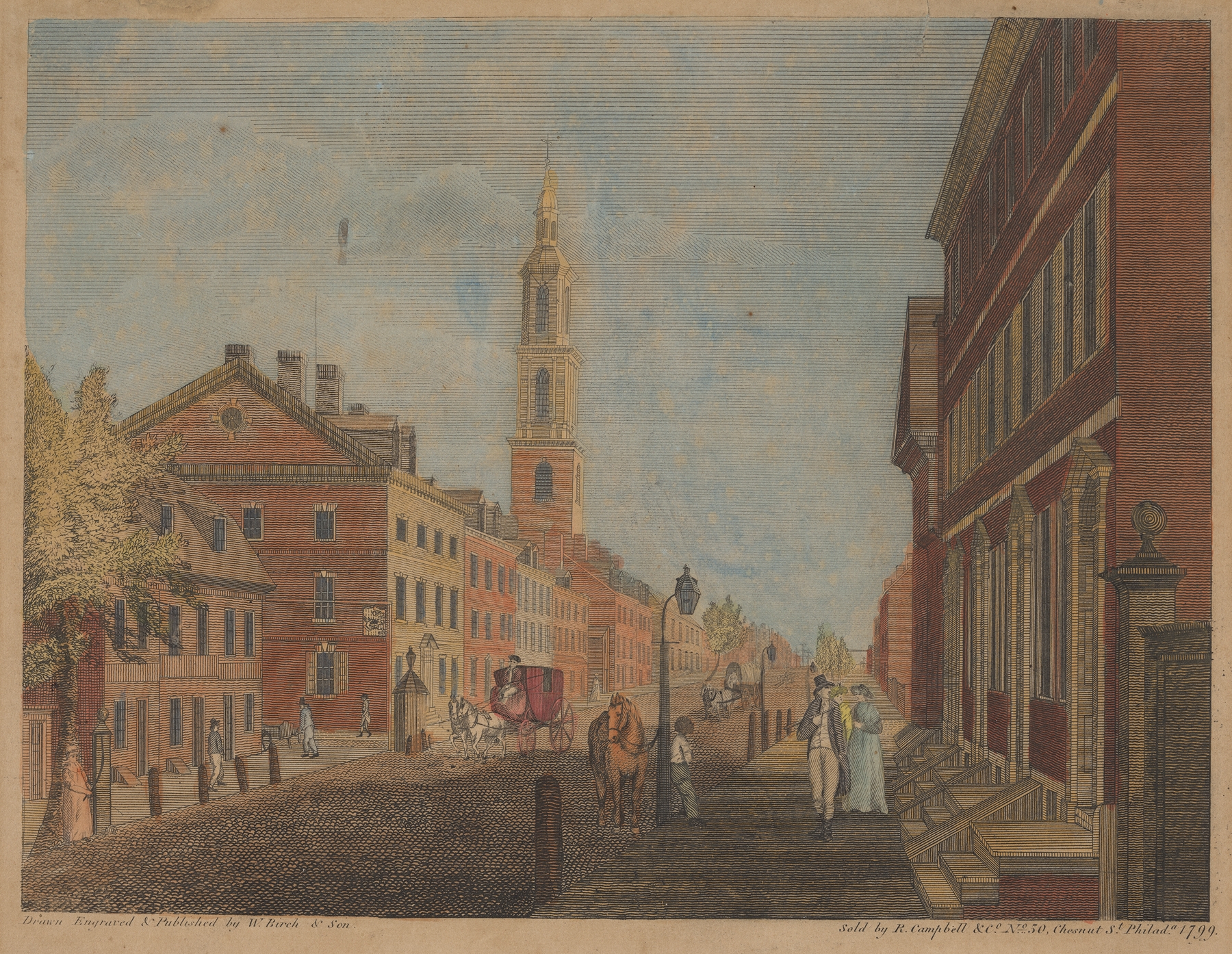
![Second Street north from Market St. w[i]th Christ Church. Philadelphia., by William Russell Birch, public domain](https://froigstrpvutwqtqikzt.supabase.co/storage/v1/object/public/art-images/artworks/ae10cefad1b4b09eab503db665d8f122c1796a118217ad99aa9afe67d3a02bd4.jpg)