Golden Gate, Yellowstone National Park — History & Analysis
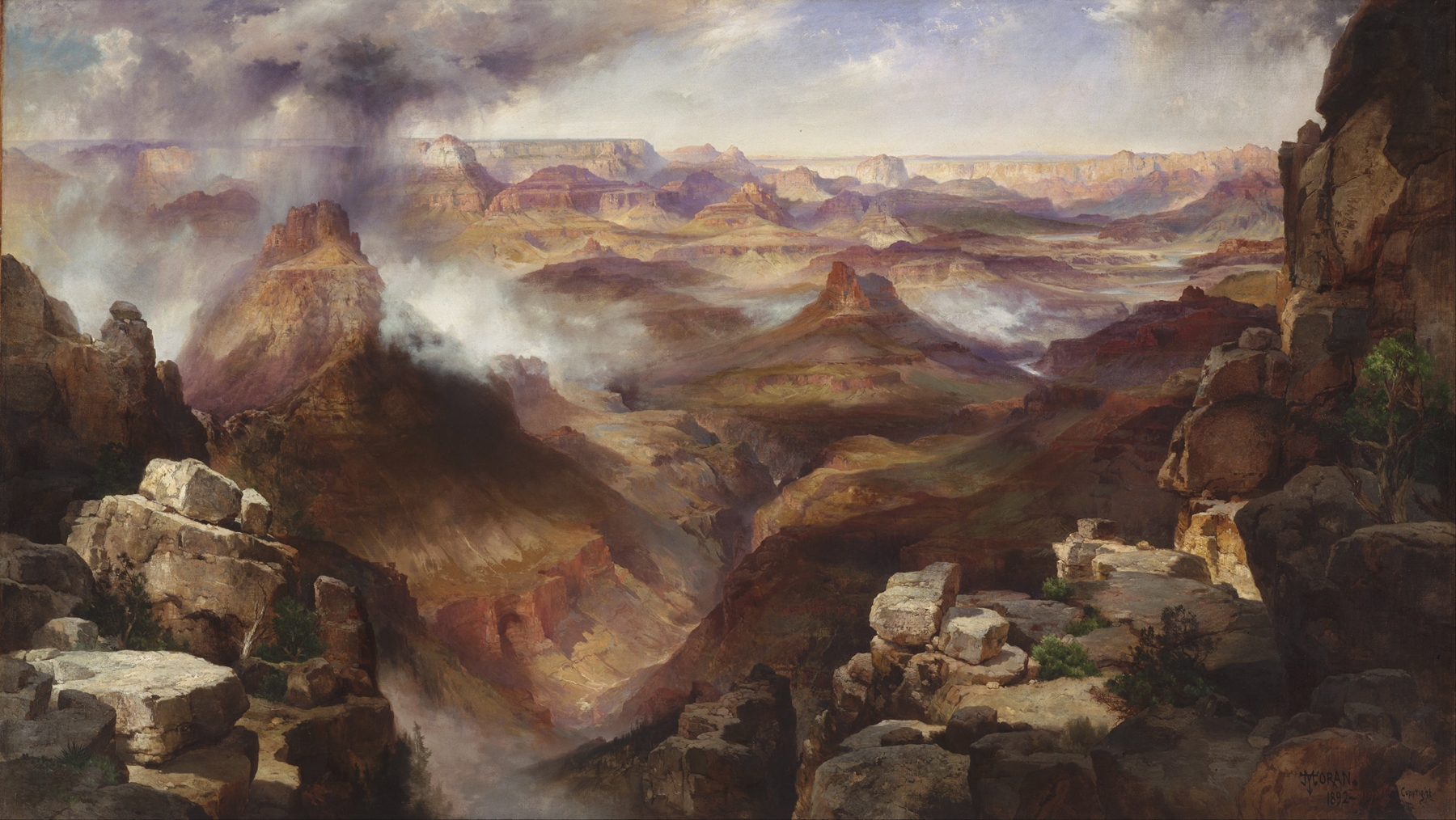
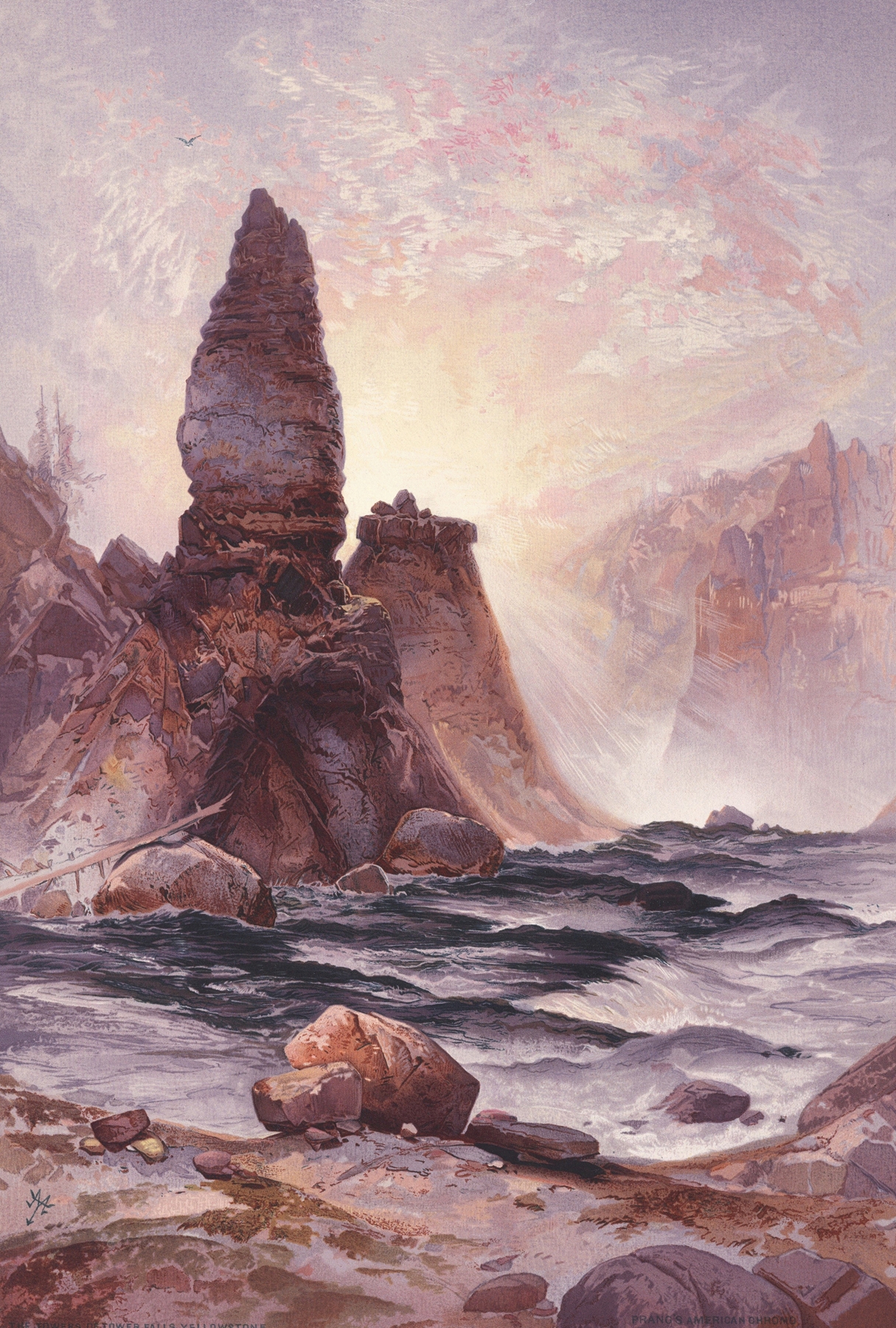
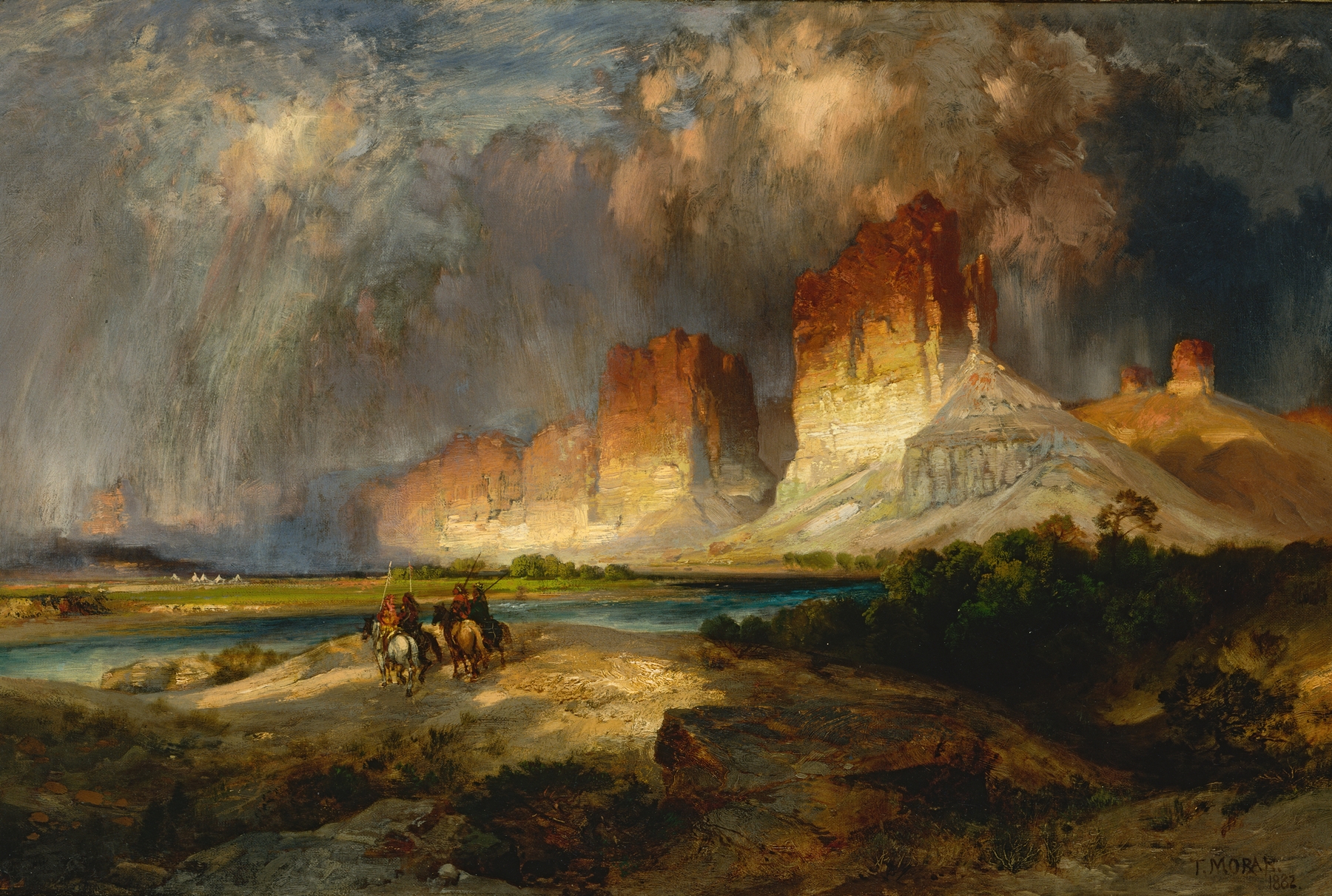
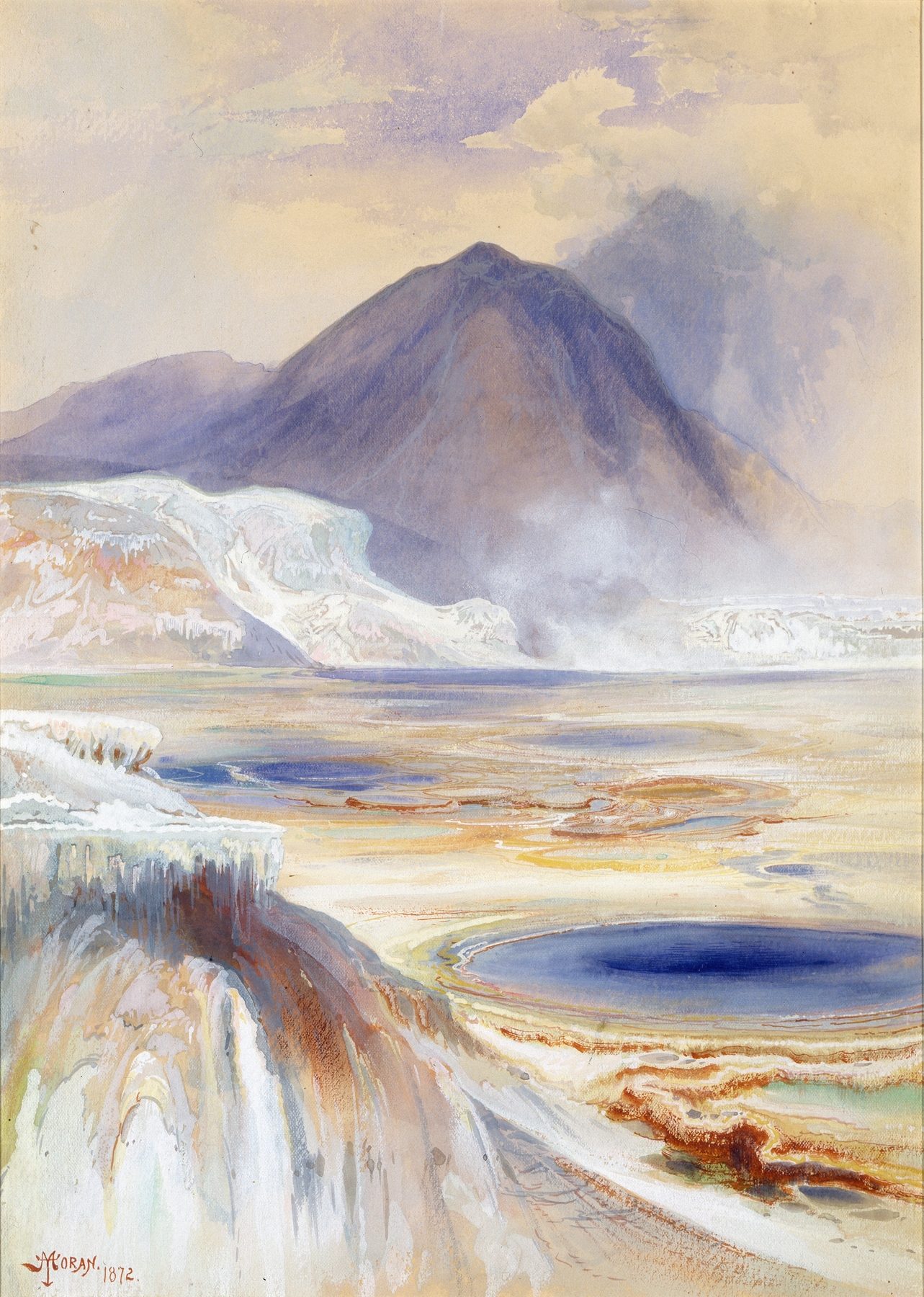
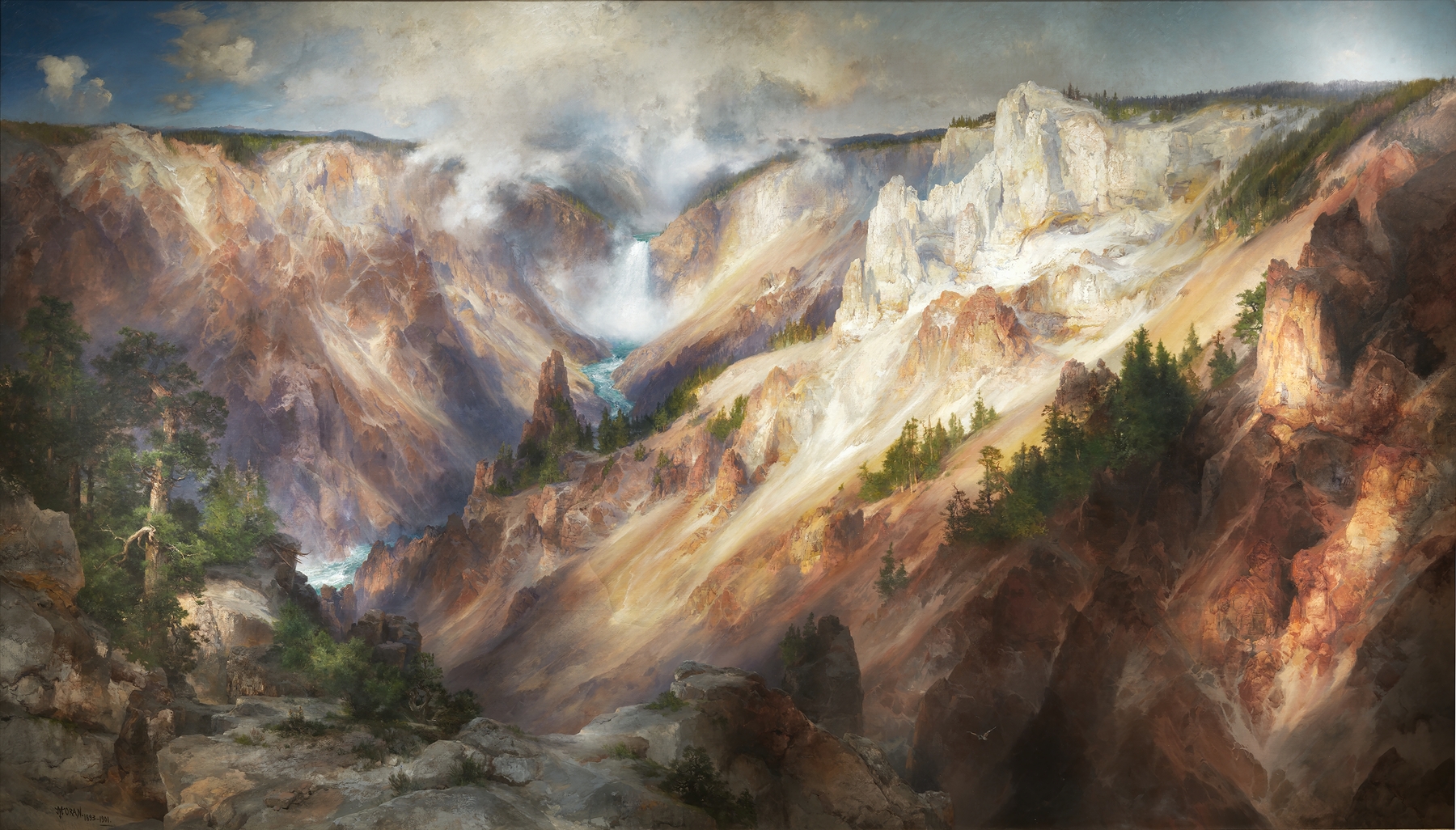
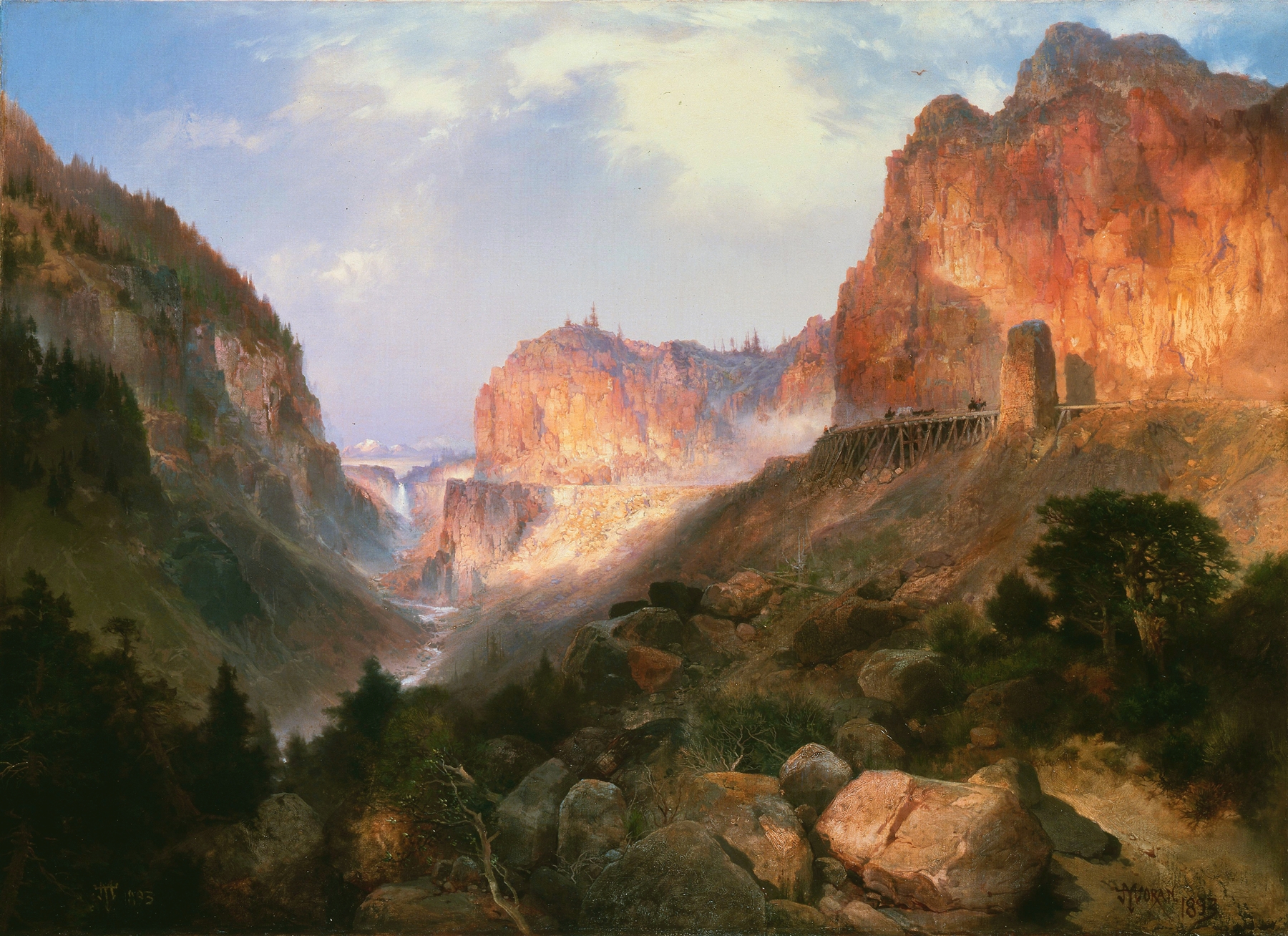
What if silence could speak through light? In Golden Gate, Yellowstone National Park, the radiance captured on canvas transforms the landscape into an ecstasy of color and form, echoing nature's profound harmony. Look to the left at the majestic cliffs, where rich hues of gold and amber blend seamlessly, illuminated by a warm glow. The artist’s technique is meticulous; each brushstroke conveys the texture of the rocks, inviting the viewer's eye to trace the contours of the land.
Notice how the sky transitions from a vibrant cerulean into soft pastels, a visual symphony that balances the ruggedness of the terrain with the ethereal quality of dawn. In this painting, the interplay between light and shadow evokes a sense of transcendence. The golden gate stands as a beacon of nature's splendor, a threshold to a world untouched by time. The juxtaposition of the tranquil water below and the towering cliffs above creates emotional tension, suggesting both the serenity and the raw power of the natural world, urging the viewer to reflect on their own place within it.
Created in 1893, Moran produced this work during a period of growing interest in America’s natural landscapes. At the time, he was deeply involved with the conservation movement and the establishment of national parks. His commitment to capturing the sublime beauty of these locations reflected a broader cultural shift toward appreciating and preserving nature amid the rapid industrial changes of the late 19th century.