Gothic Church Ruin — History & Analysis
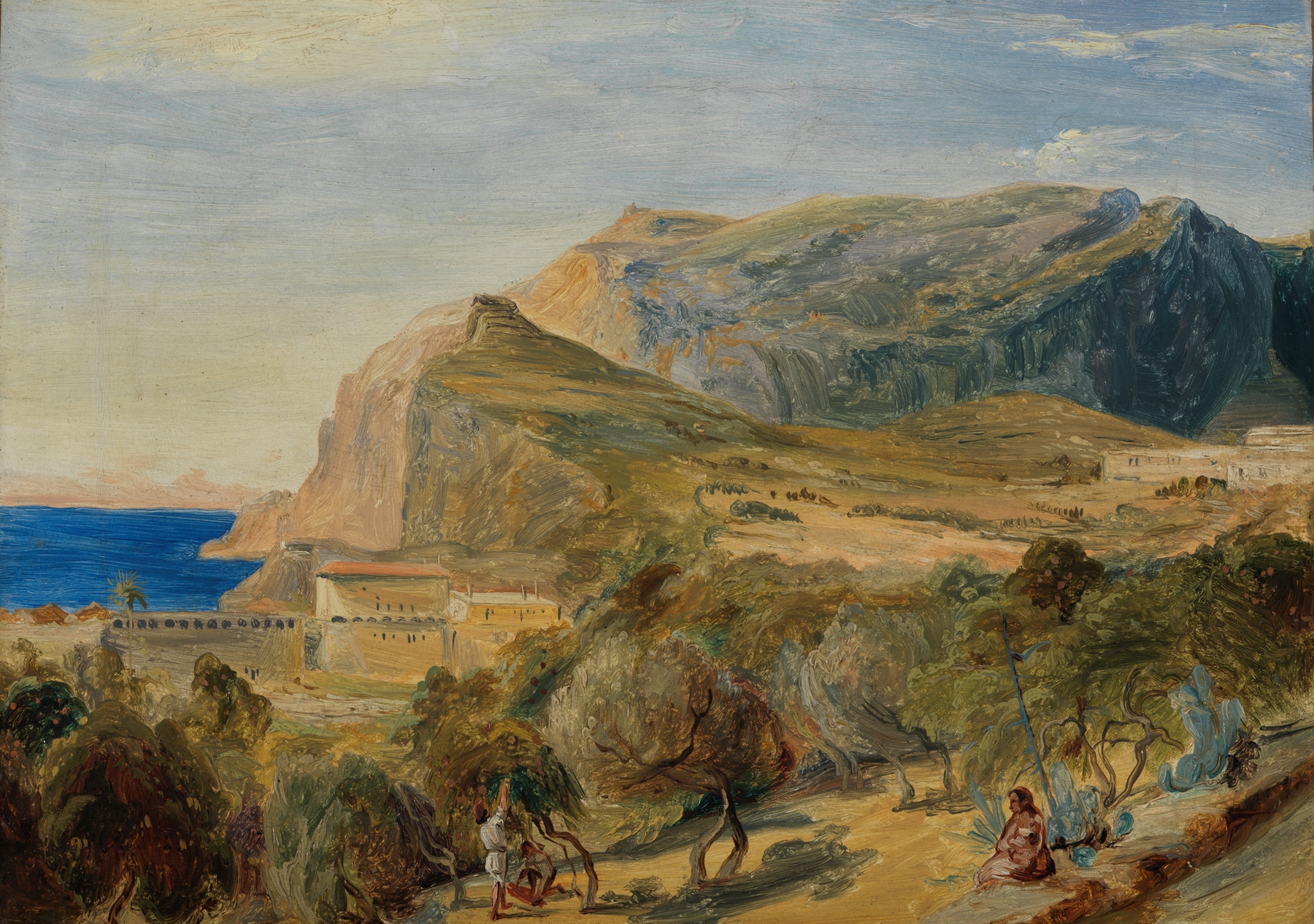
What secret hides in the quiet of the canvas? In Gothic Church Ruin, a world of crumbled stone and whispered dreams unfolds, inviting us to ponder the vestiges of a once-great structure, now a mere echo of its past. Look to the center, where the towering remnants of the church reach towards the vast sky, their jagged silhouettes stark against the soft, muted hues of twilight. The interplay of light and shadow creates a haunting atmosphere, revealing intricate details of decay with a subtle touch. Explore the foreground, where overgrown grass and wildflowers reclaim their space, accentuating the resilience of nature amidst human frailty.
The artist’s brushwork imbues each stone with texture, echoing stories unheard. The contrast between the grandeur of the ruin and the encroaching wilderness evokes a poignant sense of loss and rebirth. Here, the crumbling architecture stands as a testament to the passage of time, prompting reflections on the impermanence of human endeavors. Subtle hints of vibrancy in the flora suggest a rebellion against the desolation, offering a glimmer of hope amidst the melancholy.
It is a silent commentary on the revolution of nature, ever persistent in its embrace of the forgotten. Created between 1829 and 1831, this work emerged during a tumultuous period in Europe, marked by social unrest and the push for change. Carl Blechen painted in a moment characterized by a burgeoning interest in Romanticism, where artists sought to evoke deep emotional responses through landscapes and historic ruins. His exploration of the Gothic aesthetic intertwines with the cultural transformations of the time, reflecting a world on the brink of redefinition.