Landscape in Winter at Moonlight — History & Analysis
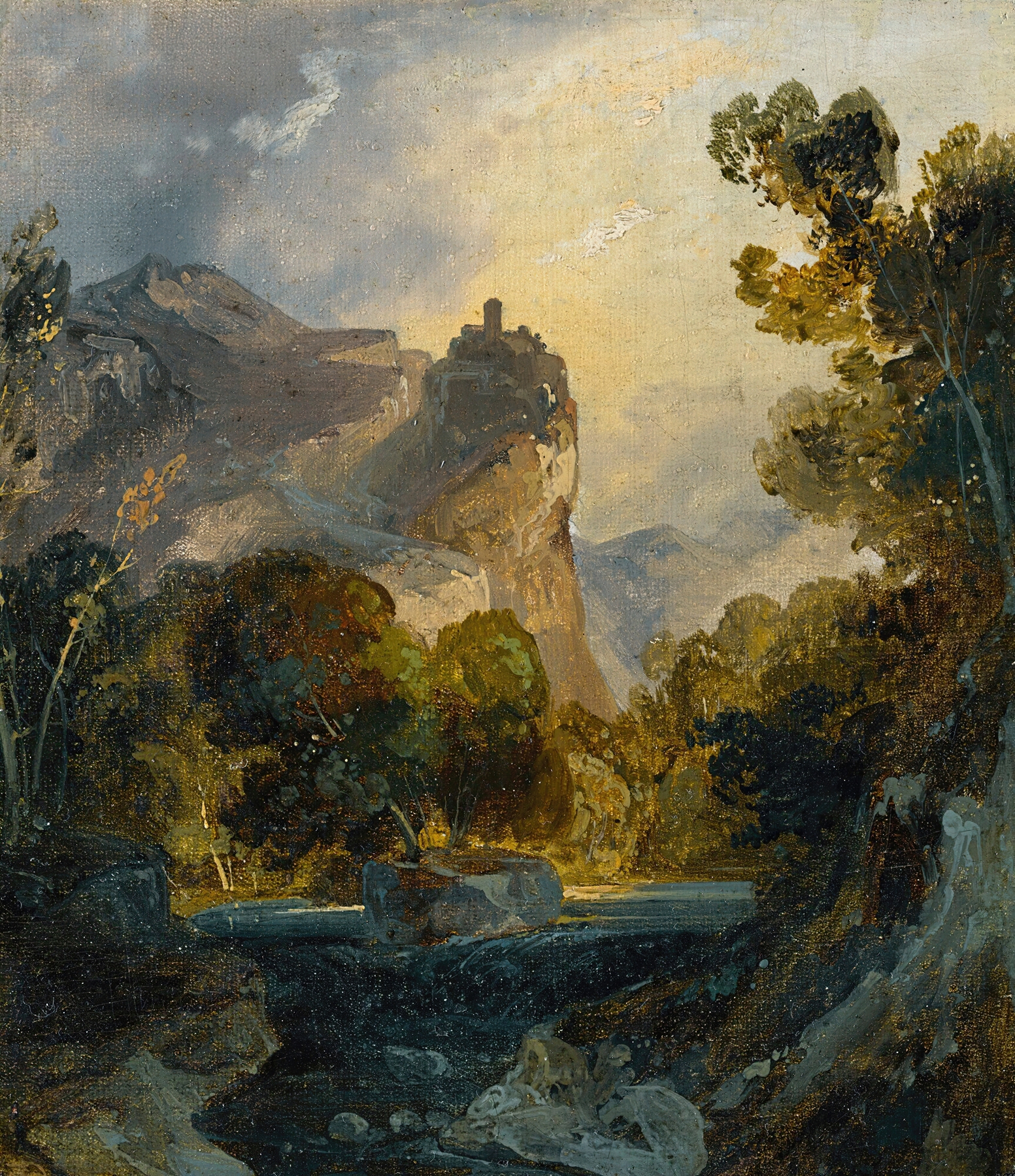
What if beauty was never meant to be finished? In the silence of a moonlit winter, a serene landscape unfolds, whispering secrets of the night. Look to the foreground, where the delicate brushstrokes capture a thick layer of snow blanketing the earth, glistening with the ethereal glow of the moonlight. The distant trees, their skeletal branches reaching skyward, blend seamlessly into the deep indigo of the night sky, creating a gentle contrast that evokes tranquility.
Shadows dance softly across the terrain, enhancing the stillness enveloping the scene, inviting the viewer to breathe in the crisp, cold air. Delve deeper into the painting, and one can sense the tension between the starkness of winter and the quiet beauty that lies within it. The moon, almost a distant guardian, casts a silvery light that suggests a fleeting moment captured in time, leaving the viewer to ponder the ephemeral nature of both seasons and life itself. The absence of human figures further amplifies this solitude, allowing the landscape to communicate its own story, rich with emotion yet devoid of color.
In 1836, while residing in Berlin, Blechen created this work amidst a time of artistic exploration in Romanticism. He sought to capture the sublime beauty of nature through his unique perspective, emphasizing the emotional resonance landscapes could evoke. This piece reflects a moment of personal introspection and artistic maturation, as he embraced the tension between light and dark, silence and sound, ultimately revealing a world that feels both complete and eternally unfinished.