Wald Mit Kleinem Weiher — History & Analysis
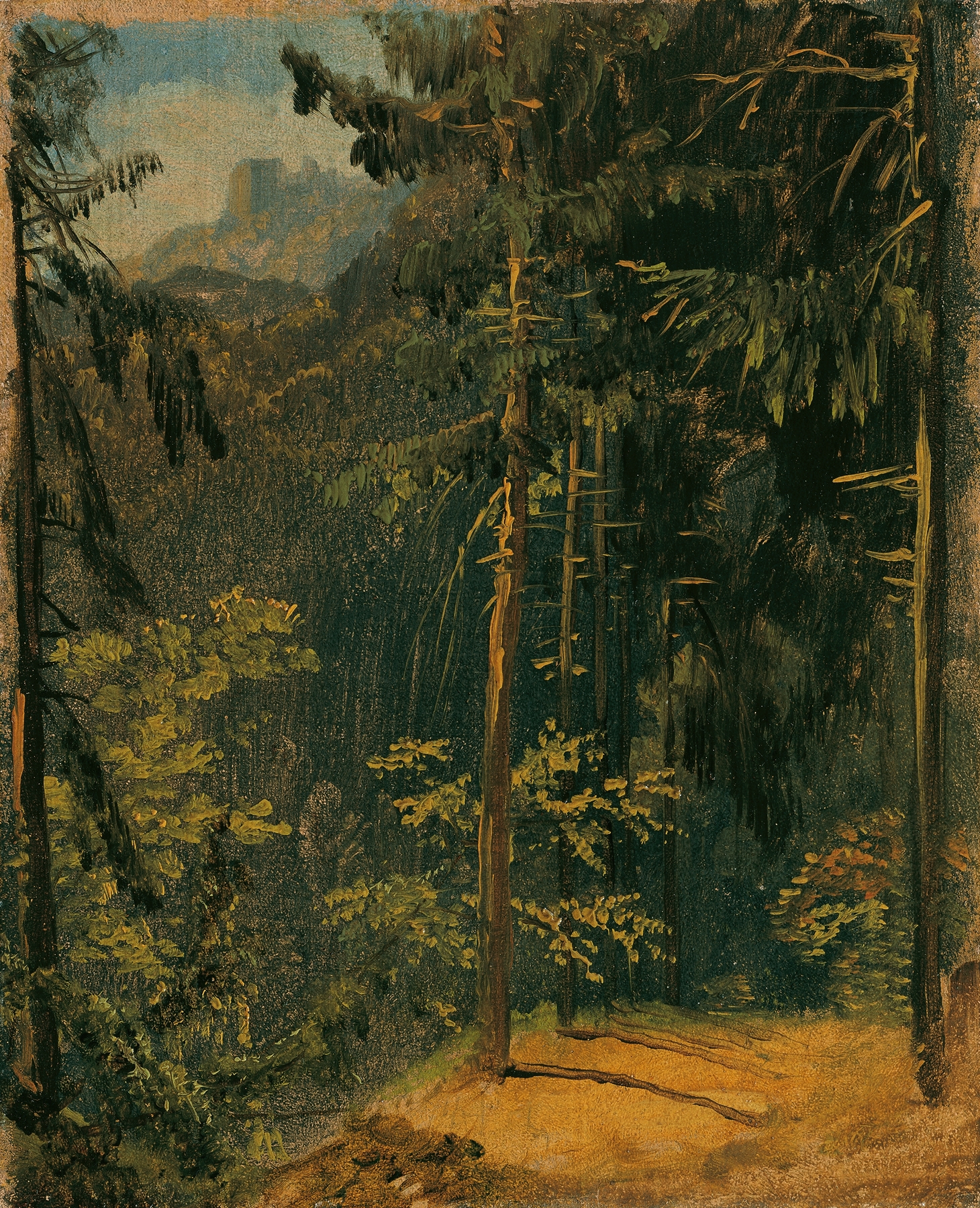
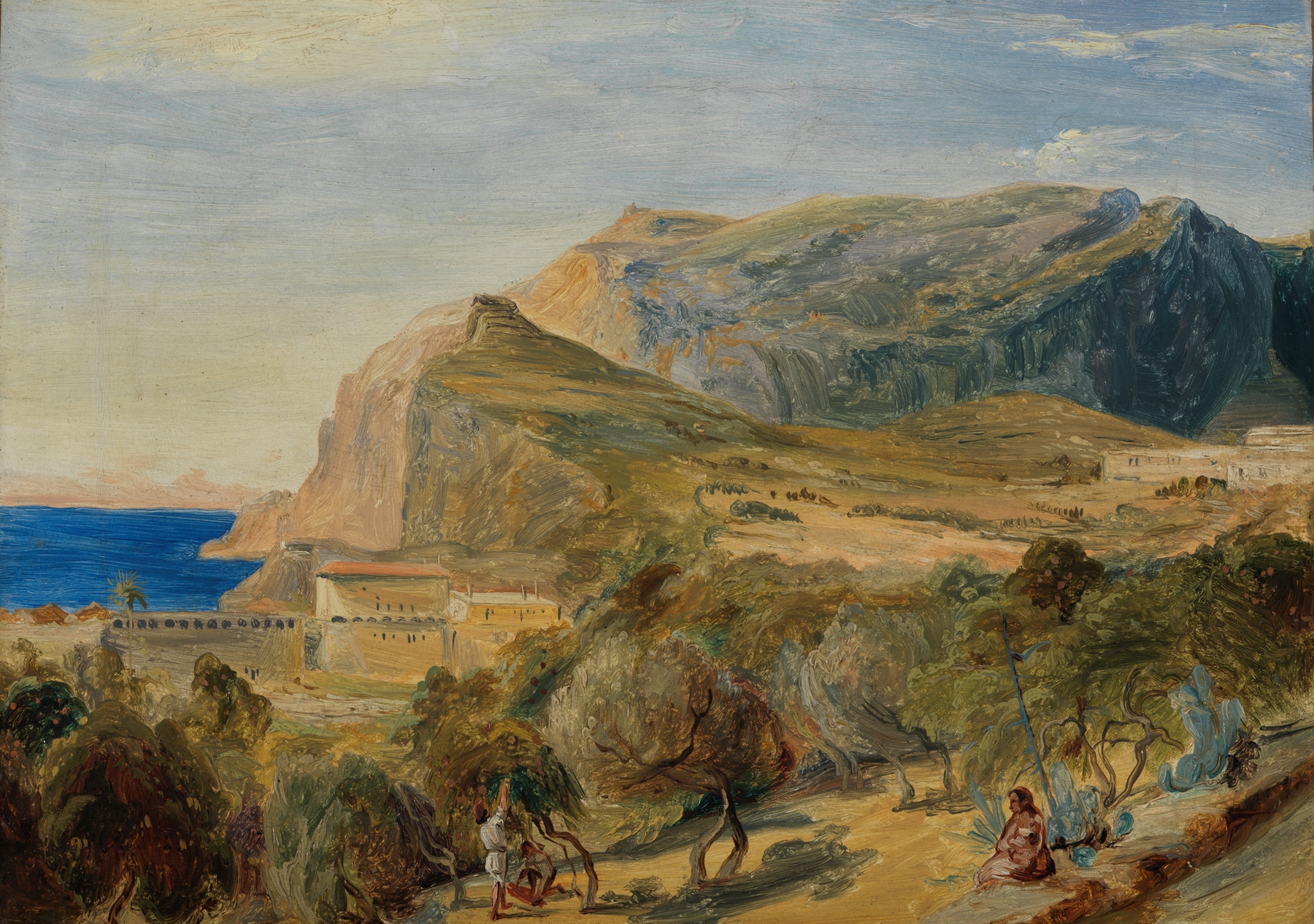
What if beauty was never meant to be finished? In Carl Blechen’s Wald Mit Kleinem Weiher, the ethereal dance of light and shadow invites us to contemplate the fleeting nature of our surroundings and the fragility of existence itself. Look to the center of the canvas where the serene pond lies nestled amid the lush foliage. The gentle ripples, captured with delicate brushwork, reflect the dappled light filtering through the trees overhead.
Notice how the greens and browns blend harmoniously, imbuing the scene with a sense of tranquility, while the splashes of color in the leaves suggest a moment caught between seasons—perhaps the cusp of autumn, a time when nature prepares for its inevitable change. Hidden within this picturesque setting are contrasts that evoke emotion. The stillness of the pond mirrors the quietude of the forest, yet it serves as a reminder of life’s transitory moments. The juxtaposition of vibrant life—fluttering leaves and vibrant flora—against the calm surface of the water conveys both serenity and a hint of melancholy, urging the viewer to reflect on the beauty that is always on the brink of transformation and loss.
Blechen painted Wald Mit Kleinem Weiher in the early 19th century, during a period when Romanticism flourished in Europe, emphasizing emotion and nature's sublime beauty. At this time, the artist was exploring the interplay of light and atmosphere, seeking to evoke deeper feelings in his viewers. Living in Berlin, he was influenced by the movement’s emphasis on depicting nature not just as a backdrop, but as a vital force that reflects human experience and vulnerability.