Waldweg im Harz — History & Analysis
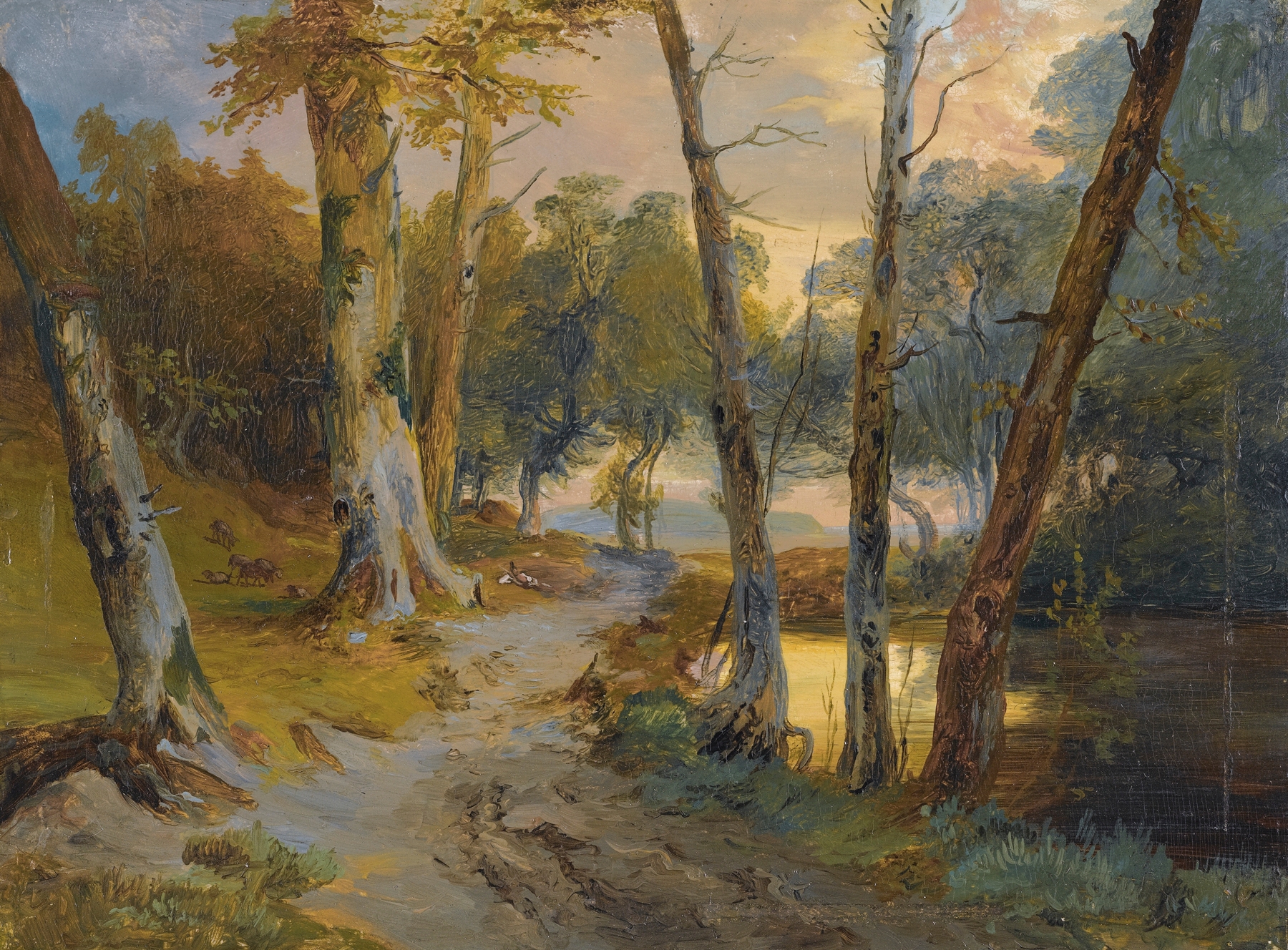
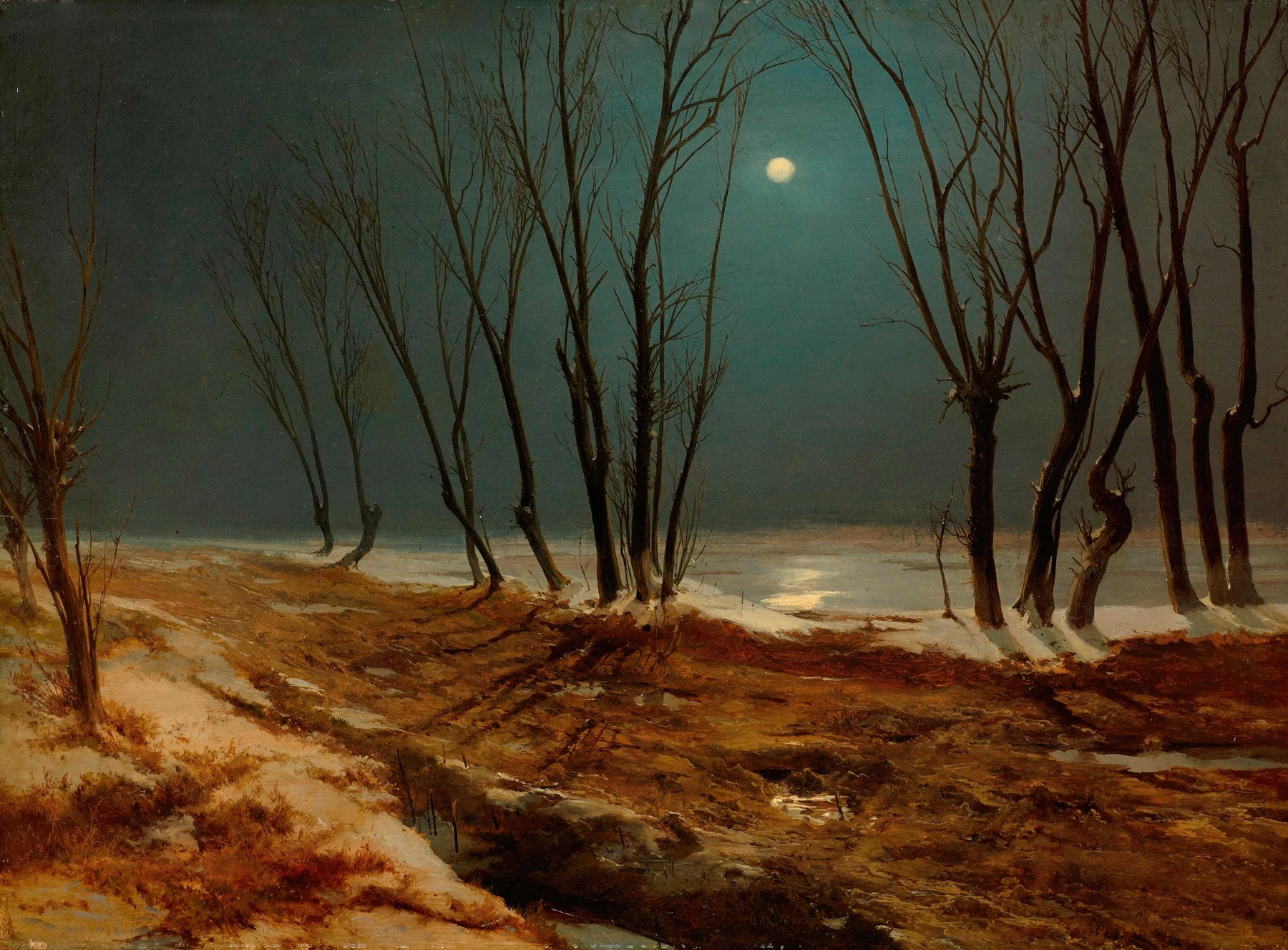
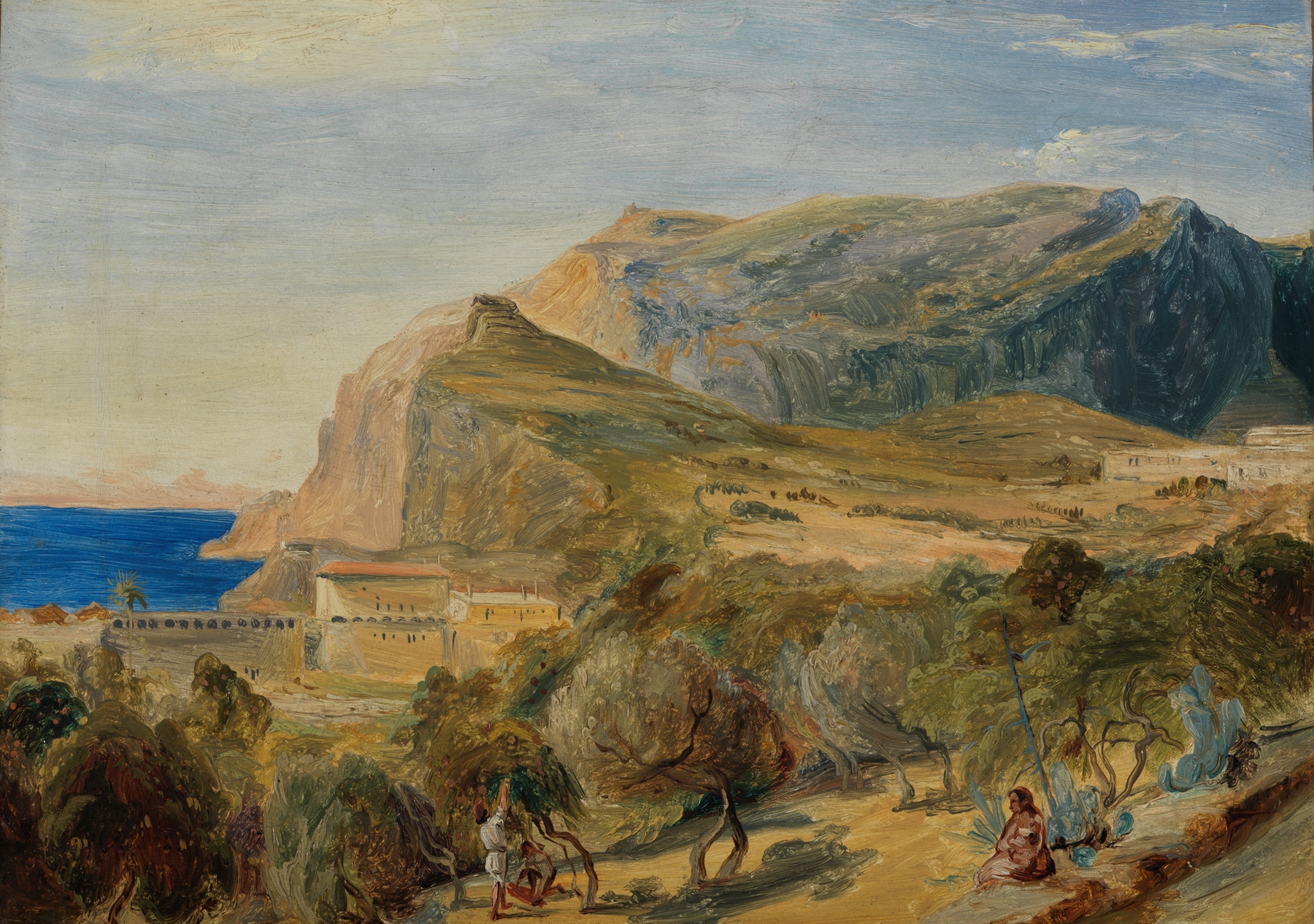
“Every silence here is a confession.” In the tranquil embrace of nature, beauty often whispers the loudest truths. Look to the left at the winding path that leads deep into the woods, inviting the viewer on a journey through a verdant corridor of trees. Notice how the dappled sunlight filters through the leaves, illuminating the rich greens and earthy browns with a warm glow. The delicate brushstrokes lend a soft texture to the foliage, while the interplay of light and shadow creates an atmosphere of soothing serenity, allowing the eye to wander effortlessly along the path.
The painting evokes a deep emotional resonance, contrasting the peace found in nature with the solitude of existence. The meandering trail symbolizes the journey of life, suggesting both discovery and introspection. Hidden among the trees, the distant mountains loom as silent witnesses, embodying the timelessness of nature while also hinting at the challenges that lie ahead. Each element, from the pebbled ground to the towering trees, challenges the viewer to reflect on their own path and the beauty that surrounds them.
Carl Blechen created this landscape in 1833, during a period of personal struggle as he grappled with mental health issues. Working primarily in Germany, he was influenced by Romanticism, which sought to capture the sublime beauty of nature and the emotional depth it could invoke. This painting emerged from a time when artists began to explore realism and the intricate relationship between humanity and the natural world, marking a pivotal moment in the evolution of landscape painting.