Gothic Church Ruins — History & Analysis
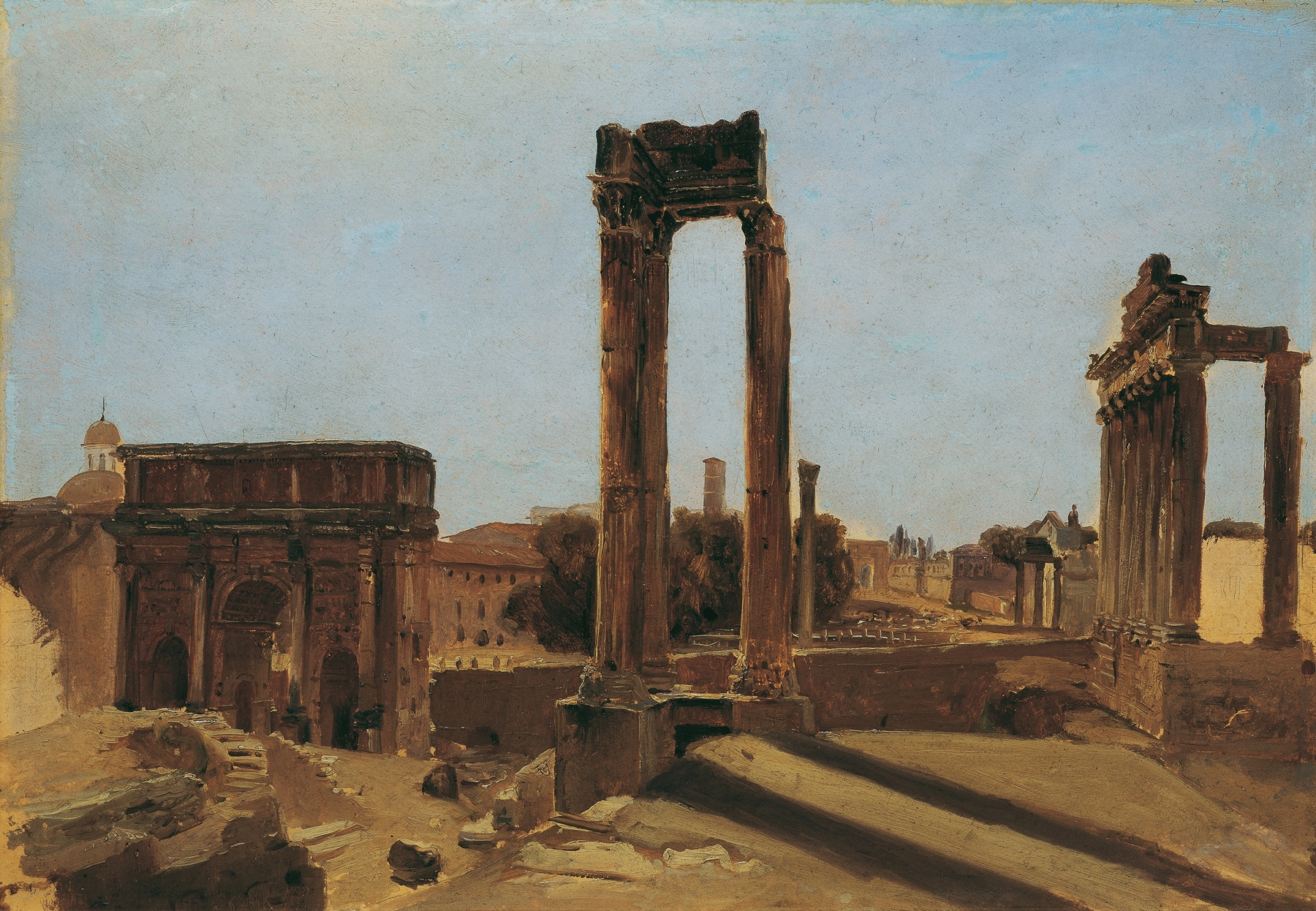
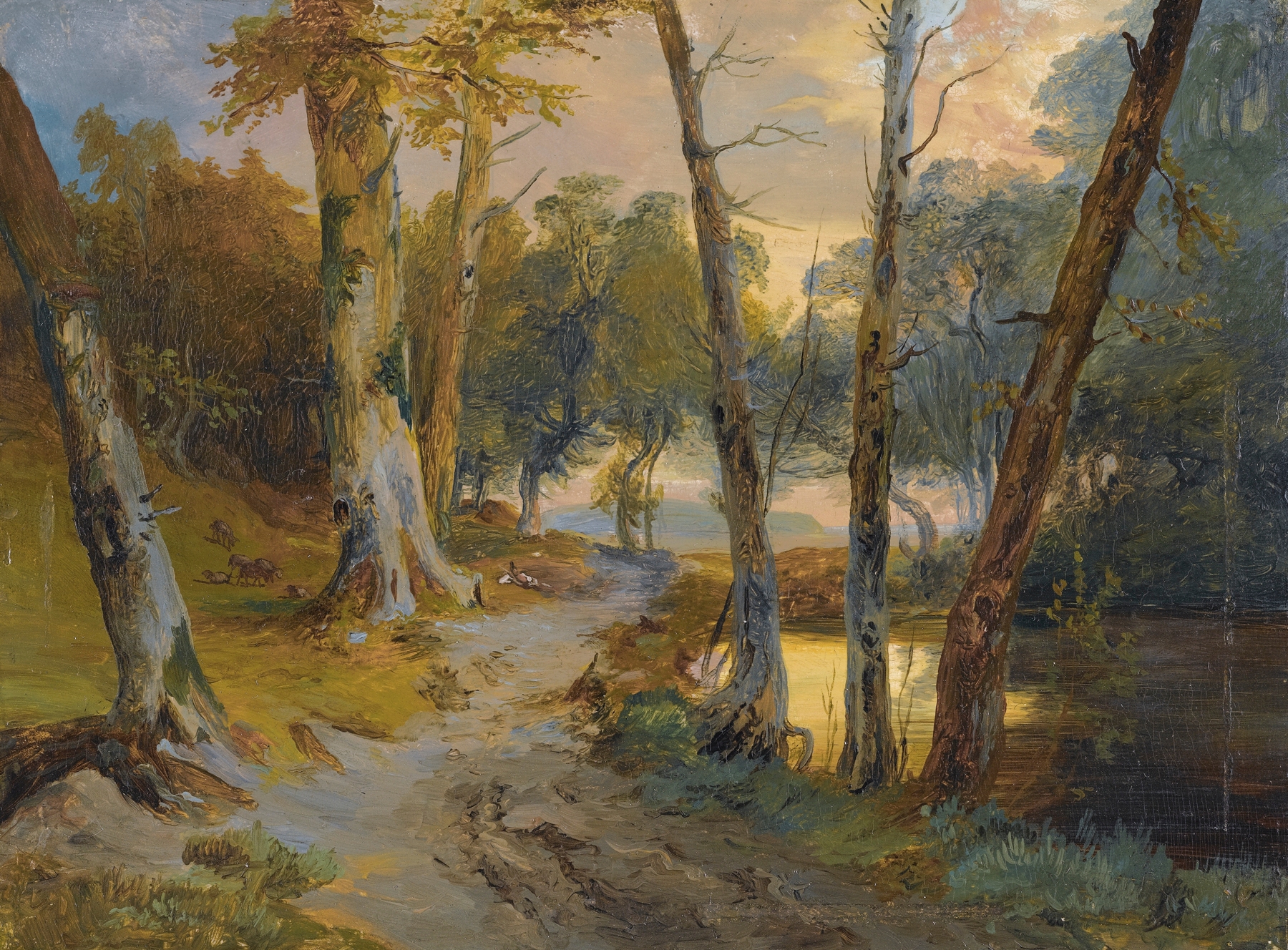
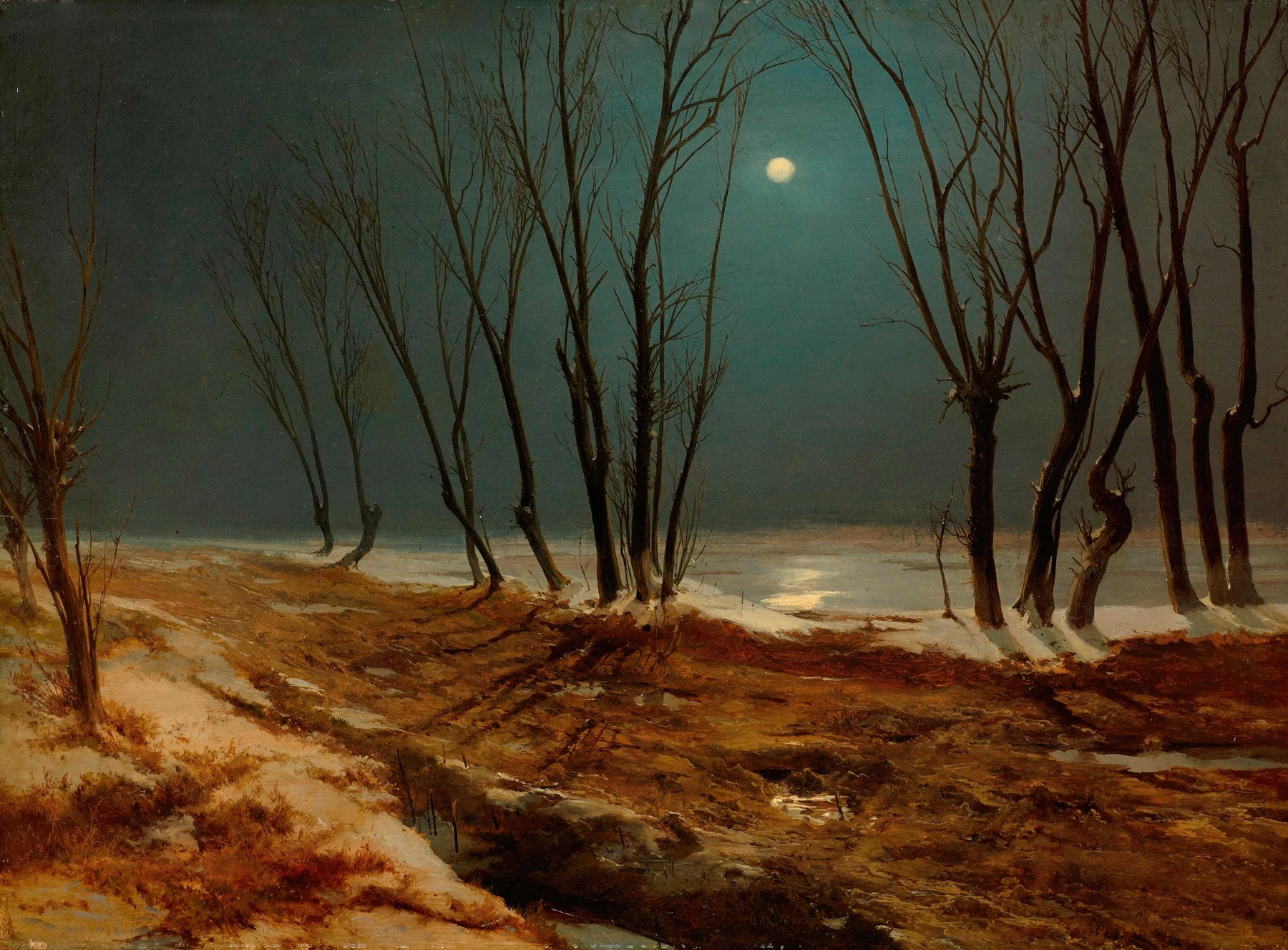
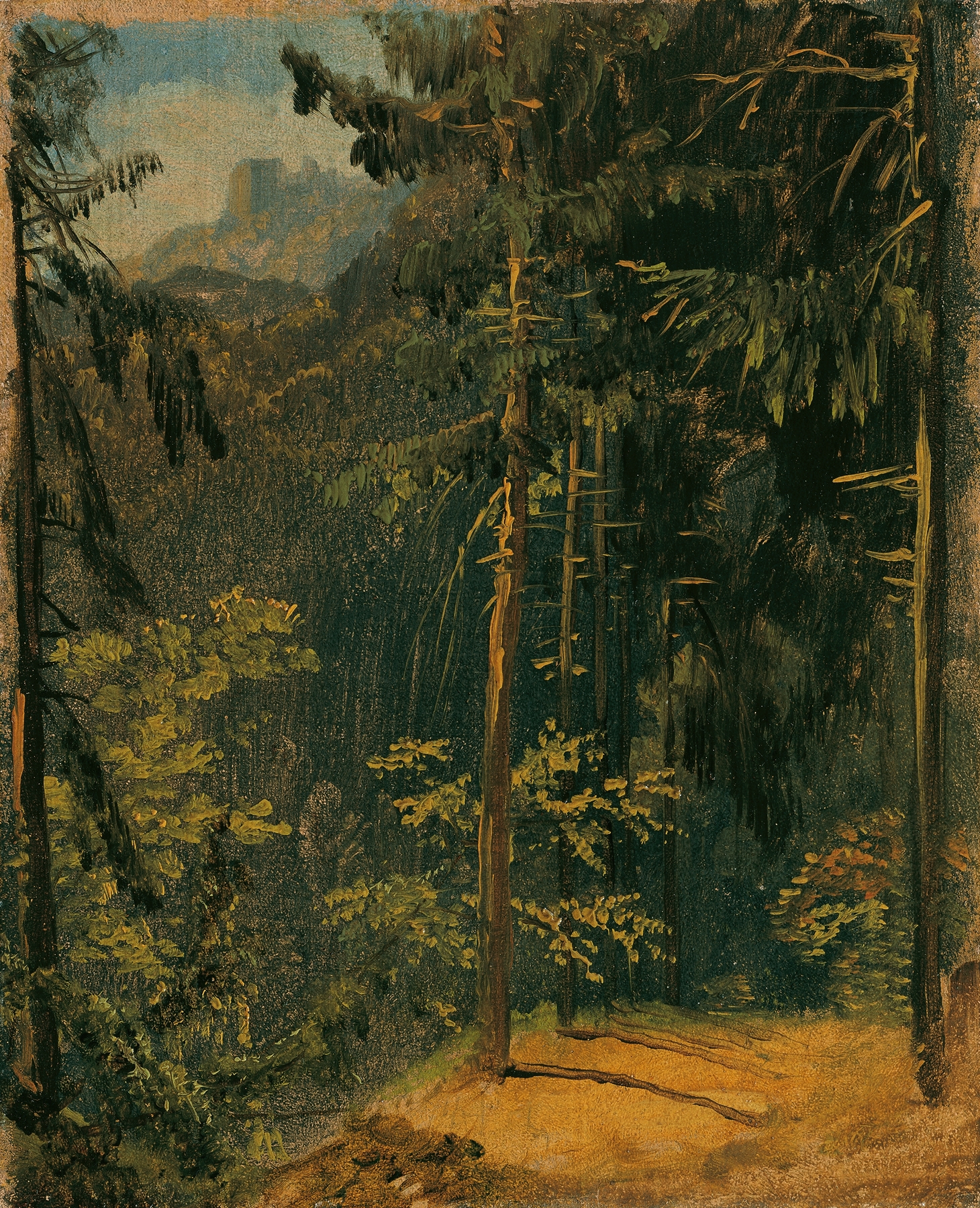
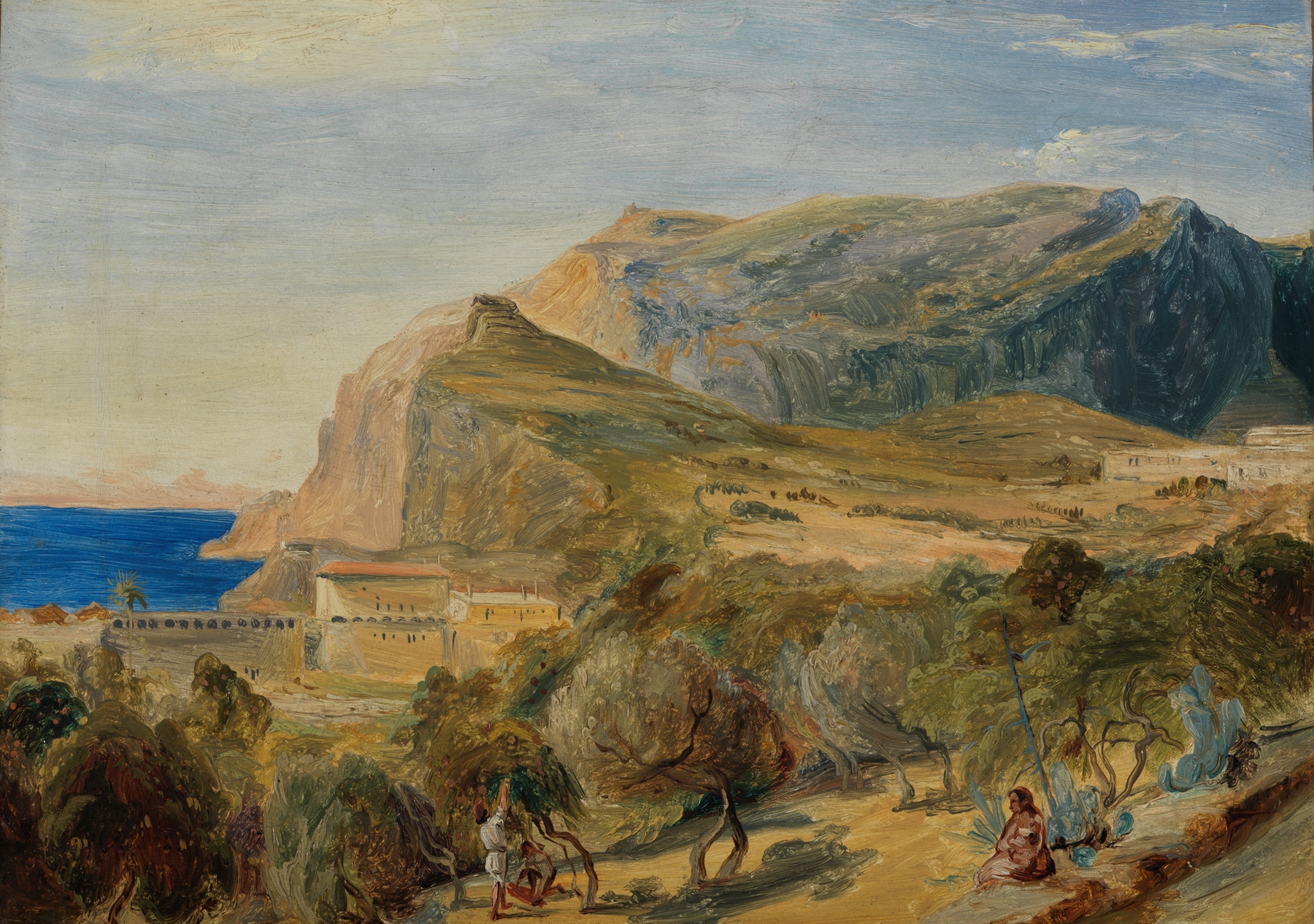
Could beauty survive in a century of chaos? The haunting remnants of Gothic architecture whisper tales of resilience amid decay, echoing a promise of balance in tumultuous times. Look to the left, where crumbling arches reach toward the sky, their forms a delicate interplay of light and shadow. The artist masterfully employs a muted palette, blending earthy browns and soft grays with fleeting hints of green, inviting the viewer to explore the juxtaposition of nature reclaiming its territory.
Notice how the trees entwine with the stone, suggesting a harmonious coexistence that defies destruction. Each brushstroke reveals Blechen's intent to capture not just a scene, but the dialogue between man-made structures and the relentless forces of nature. In this work, emotional tension lies in the contrasts — the starkness of the ruins against the softness of the foliage, the stillness of stone compared to the life-giving vibrancy of the trees. This duality reflects a deeper significance: the enduring beauty of what remains, even when faced with the inevitability of time.
The Gothic Church's remnants symbolize a history that, while scarred, continues to inspire awe and reverence, prompting us to reflect on our own legacies. Carl Blechen painted this masterpiece during the early 19th century, a time when Romanticism began to flourish in Germany. This period saw an increasing interest in nature's beauty and the sublime, as artists sought to express deep emotional experiences. Blechen, influenced by both the natural world and the ruins that dotted the European landscape, created a work that captures the fragile balance between human accomplishments and the relentless passage of time.