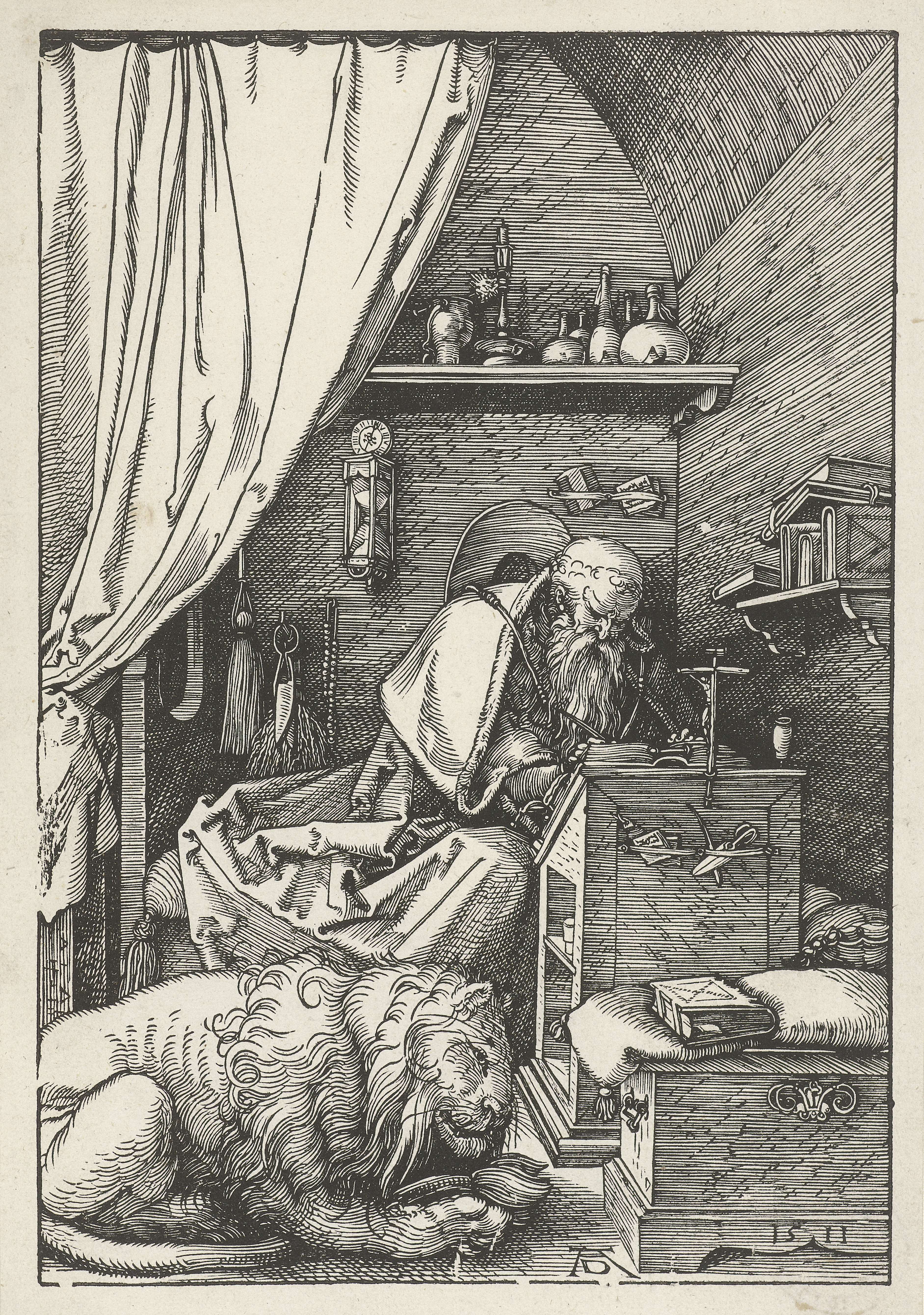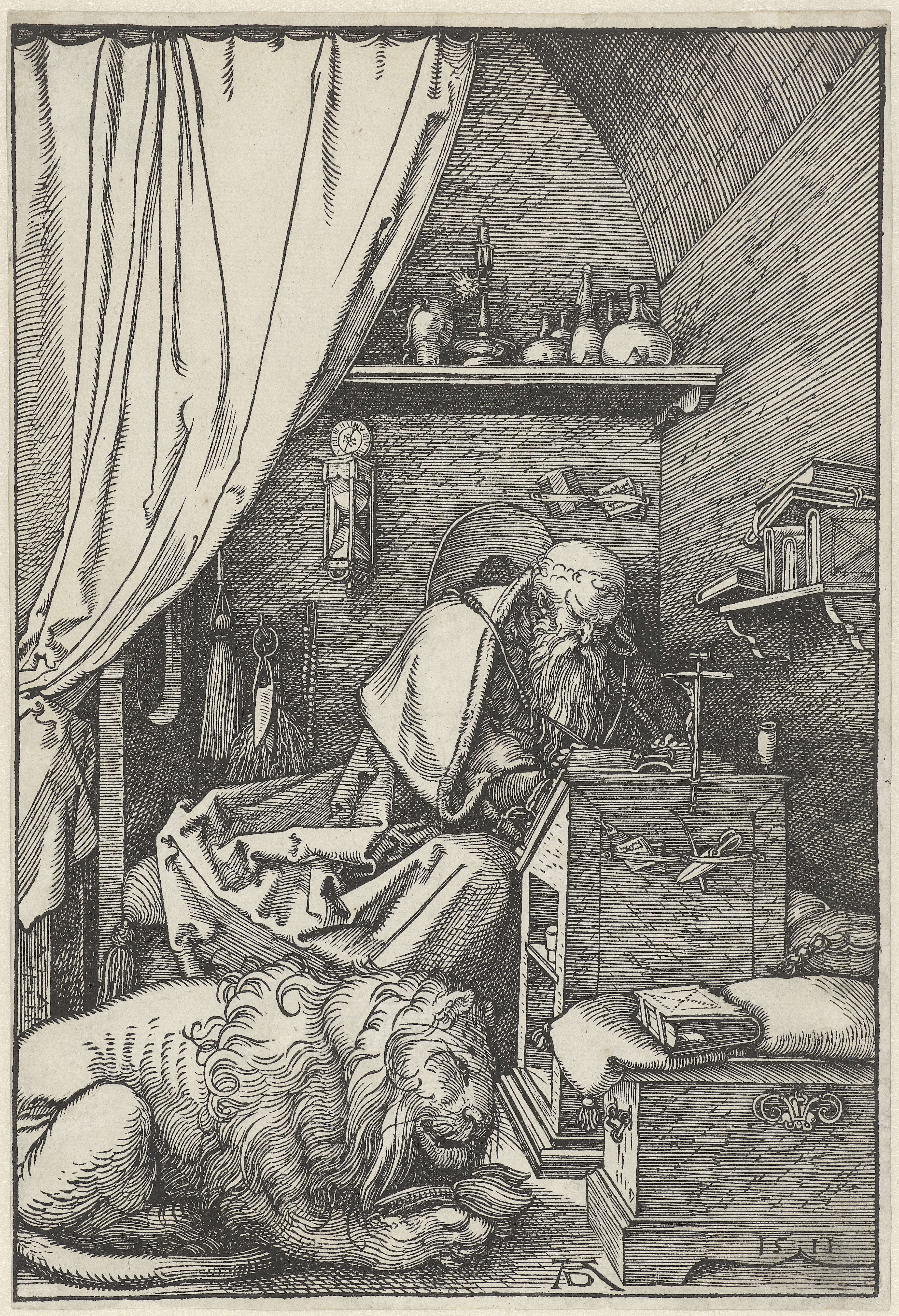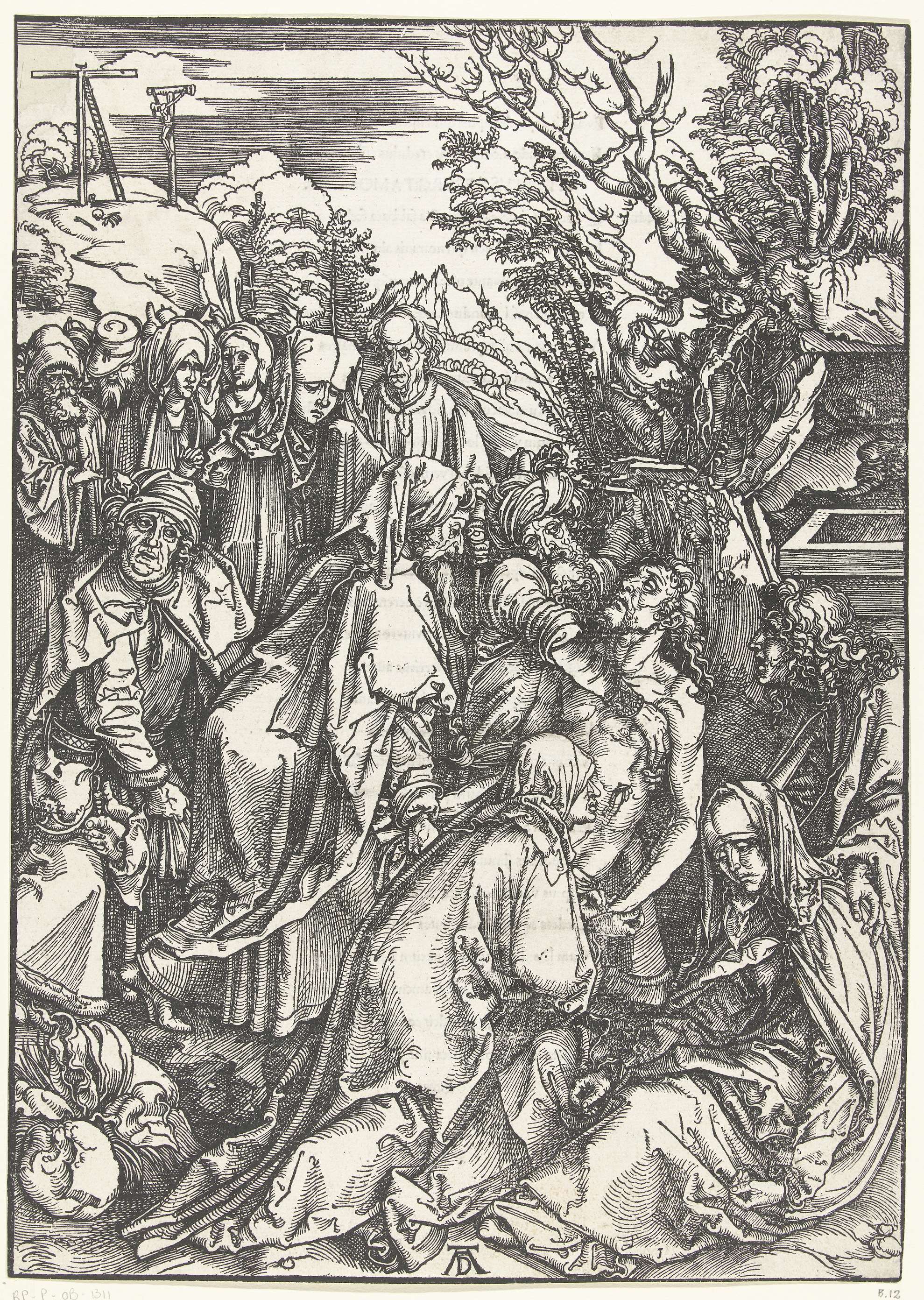
Did the painter know this moment would outlive them? The act of creation, the longing to capture a fleeting instant, pulses with the desire inherent in *Graflegging*. Look to the center of the composition, where a figure lies reclined, seemingly at peace, yet there is a palpable tension in the air. The artist’s meticulous detail reveals the softness of skin contrasting against the sharpness of the drapery, illuminating the complex interplay of vulnerability and strength. Notice how the light falls upon the figure’s face, highlighting both the grace and the fragility of human existence, while the darker hues beckon a deeper reflection on mortality. Beneath the surface, a rich tapestry of hidden meanings unfurls. The figure, draped in fabric, evokes a sense of both comfort and confinement, a delicate balance that echoes the duality of life itself. This tension between desire and surrender resonates through the contrasting elements of light and shadow, revealing a profound inquiry into the nature of being. The body’s repose may signify a moment of tranquility, yet it simultaneously hints at the inevitable passage of time, urging the viewer to contemplate their own existence. In 1511, Dürer created this piece during a time when he was fully immersed in the exploration of printmaking and the human form. He was in Nuremberg, a city buzzing with artistic innovation and intellectual discourse. As the Renaissance flourished, Dürer’s keen observations of nature and humanity were becoming increasingly influential, marking a pivotal moment in his career as he sought to blend technical mastery with deep emotional resonance in his work.