Gray Day at the Sea — History & Analysis
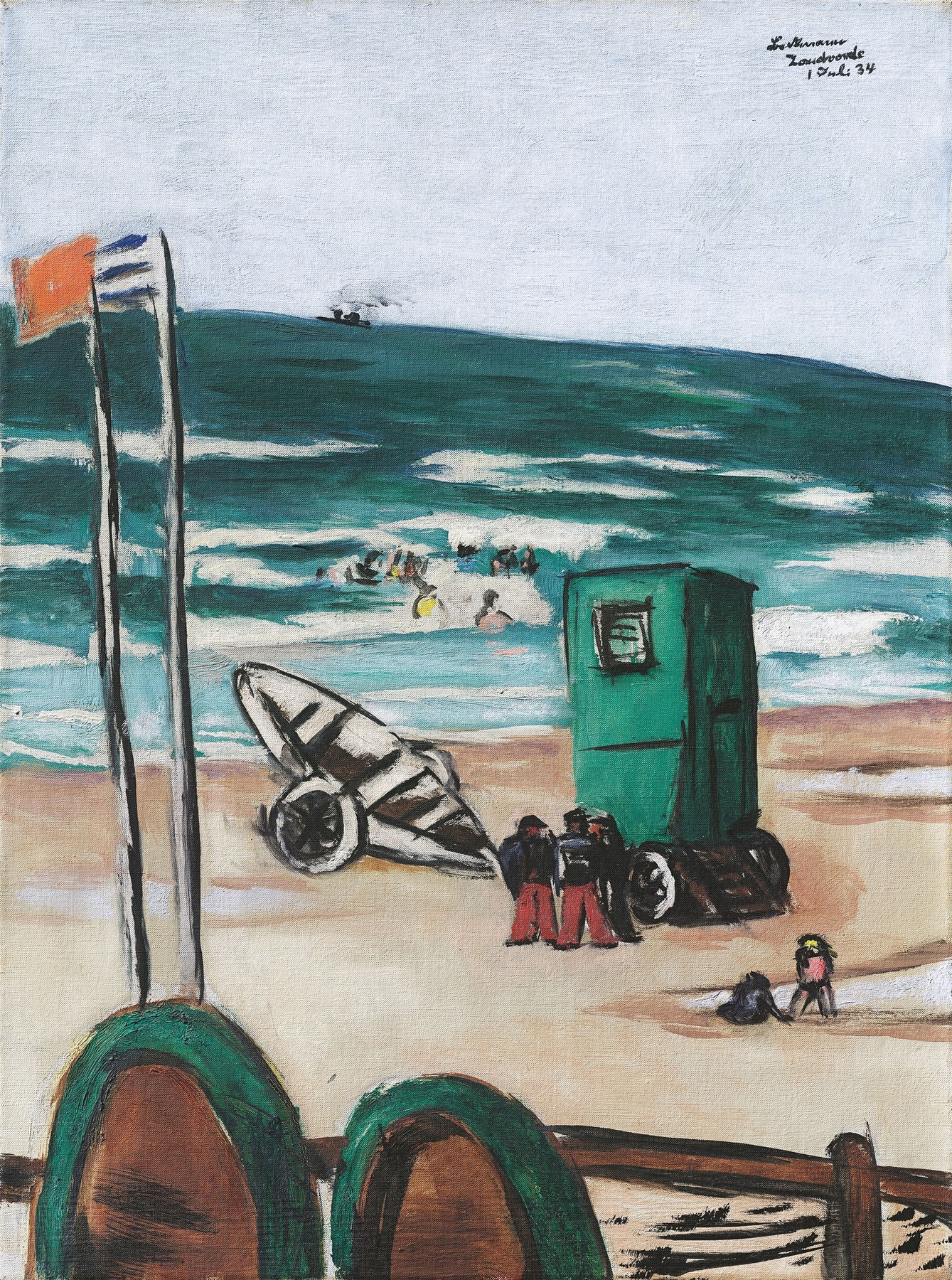
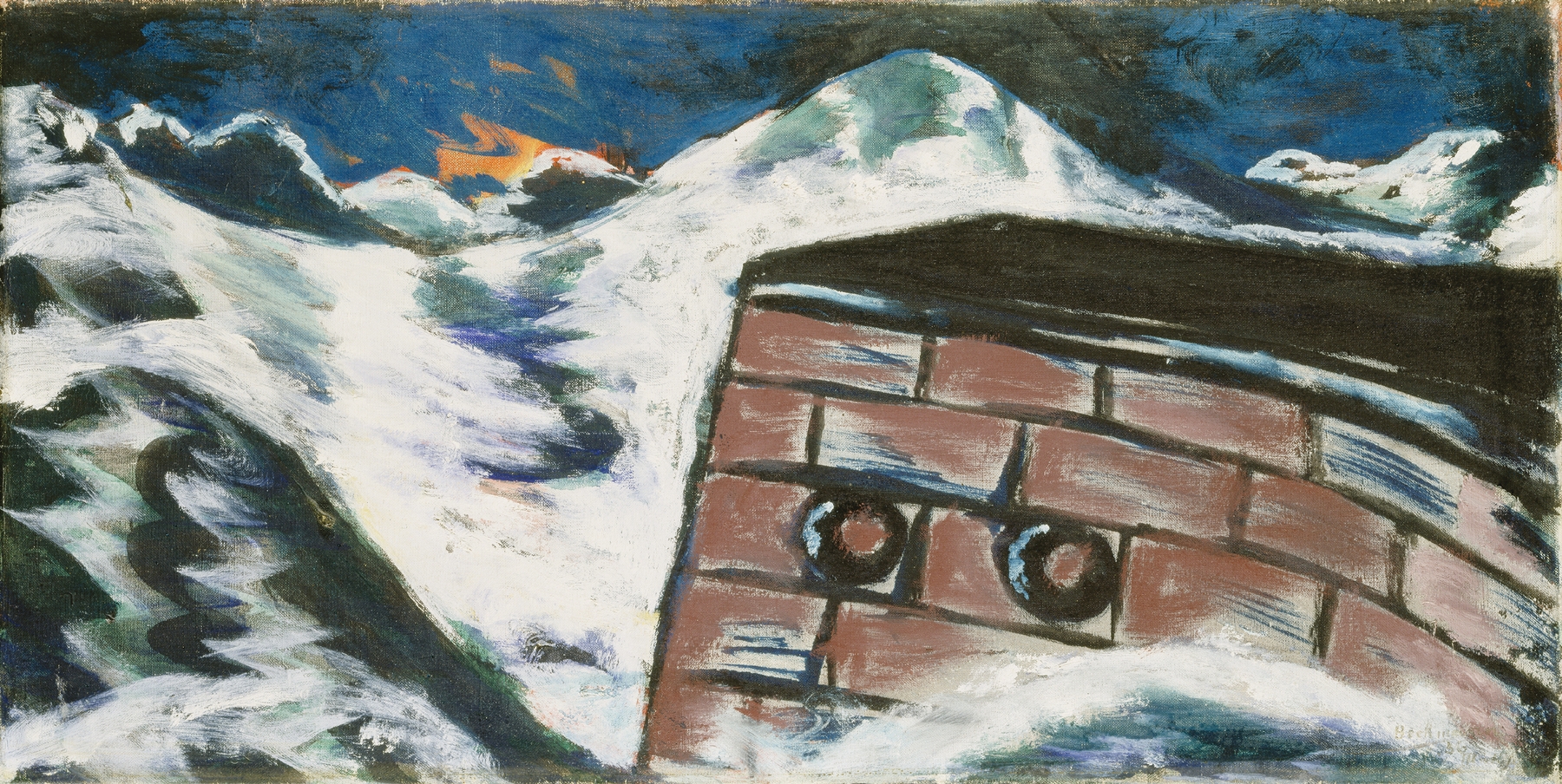
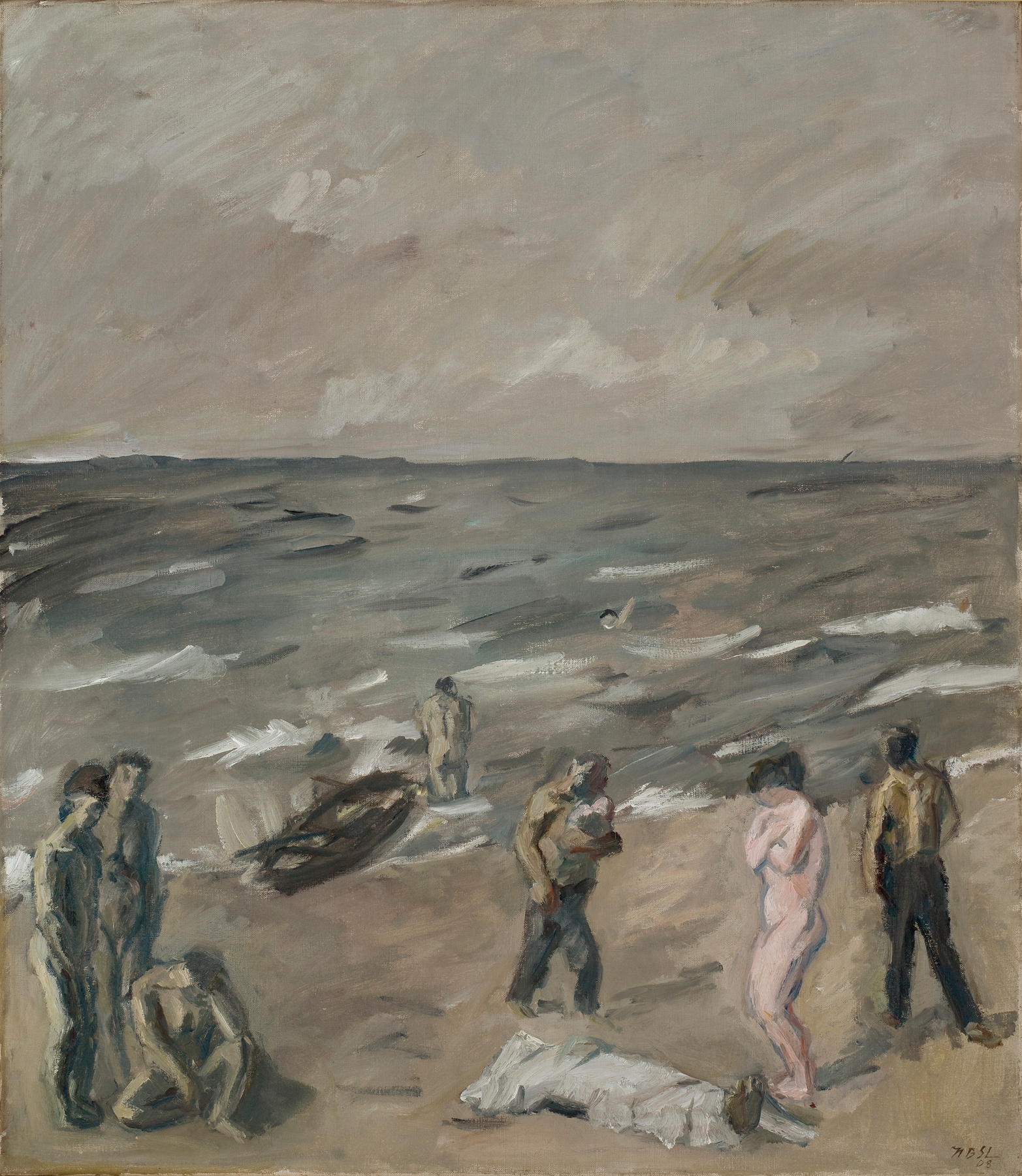
“Under the brush, chaos becomes grace.” In the murky embrace of Gray Day at the Sea, a world of emotion and illusion unfolds, inviting viewers to confront the complexity of human experience intertwined with nature. Look closely at the tumultuous waves crashing against the shore, where dark blues and grays meet in a dance of turbulence. Notice how the horizon blurs, almost indistinguishable from the sky, creating a disorienting effect that pulls the eye into the depths of the painting.
The brushwork is frenetic, offering a contrasting energy that speaks to Beckmann's mastery over texture, while the muted palette evokes a somber mood, hinting at the turmoil lying beneath the surface. In this work, the viewer grapples with a sense of existential dread and introspection. The chaotic sea embodies the internal struggles of humanity, while the starkness of the landscape suggests isolation amidst nature's vastness.
Elements like the indistinct figures on the shore whisper of human presence, yet their anonymity underscores a poignant theme: in the face of nature's indifference, we are often left feeling small and disconnected. Created in 1907 during Beckmann's early years in Germany, this painting reflects his response to the changing socio-political landscape of a pre-war Europe, where art was increasingly seen as a space to explore psychological depth and existential questions. At this time, the artist was navigating personal challenges and artistic evolution, positioning his work as a counter to the prevailing movements of the era, and laying the groundwork for his later, more profound explorations of the human condition.