Gregoriusmis — History & Analysis
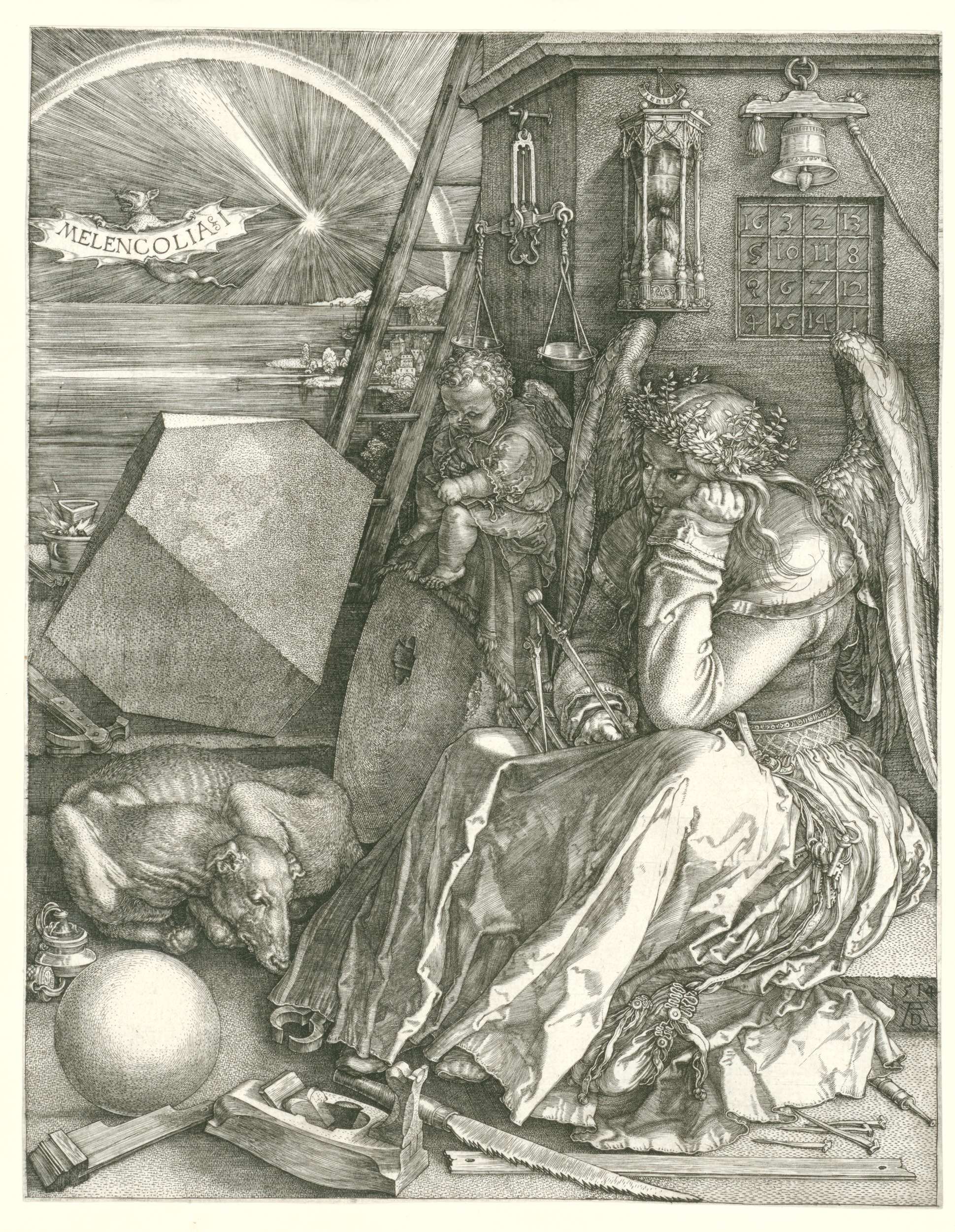
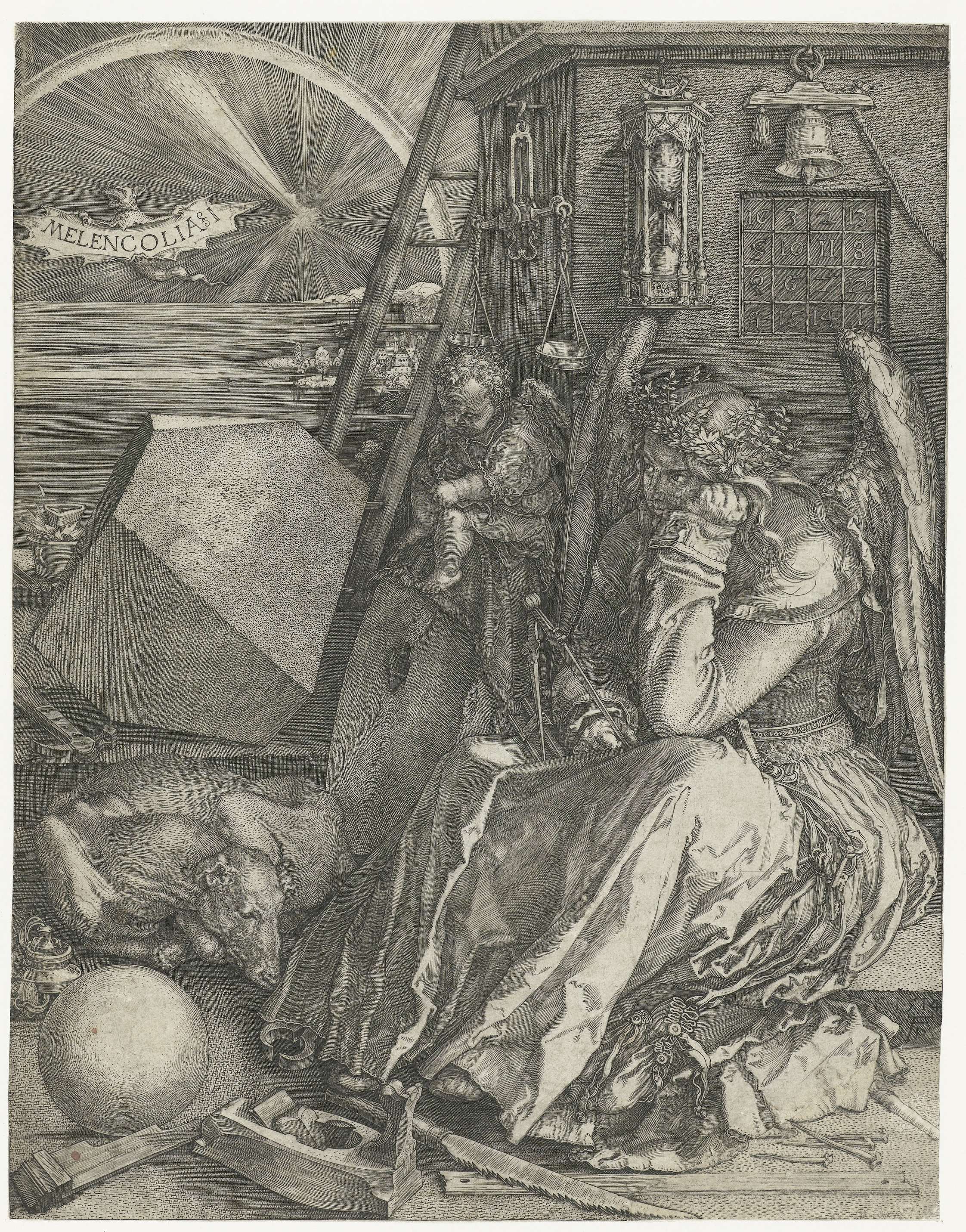
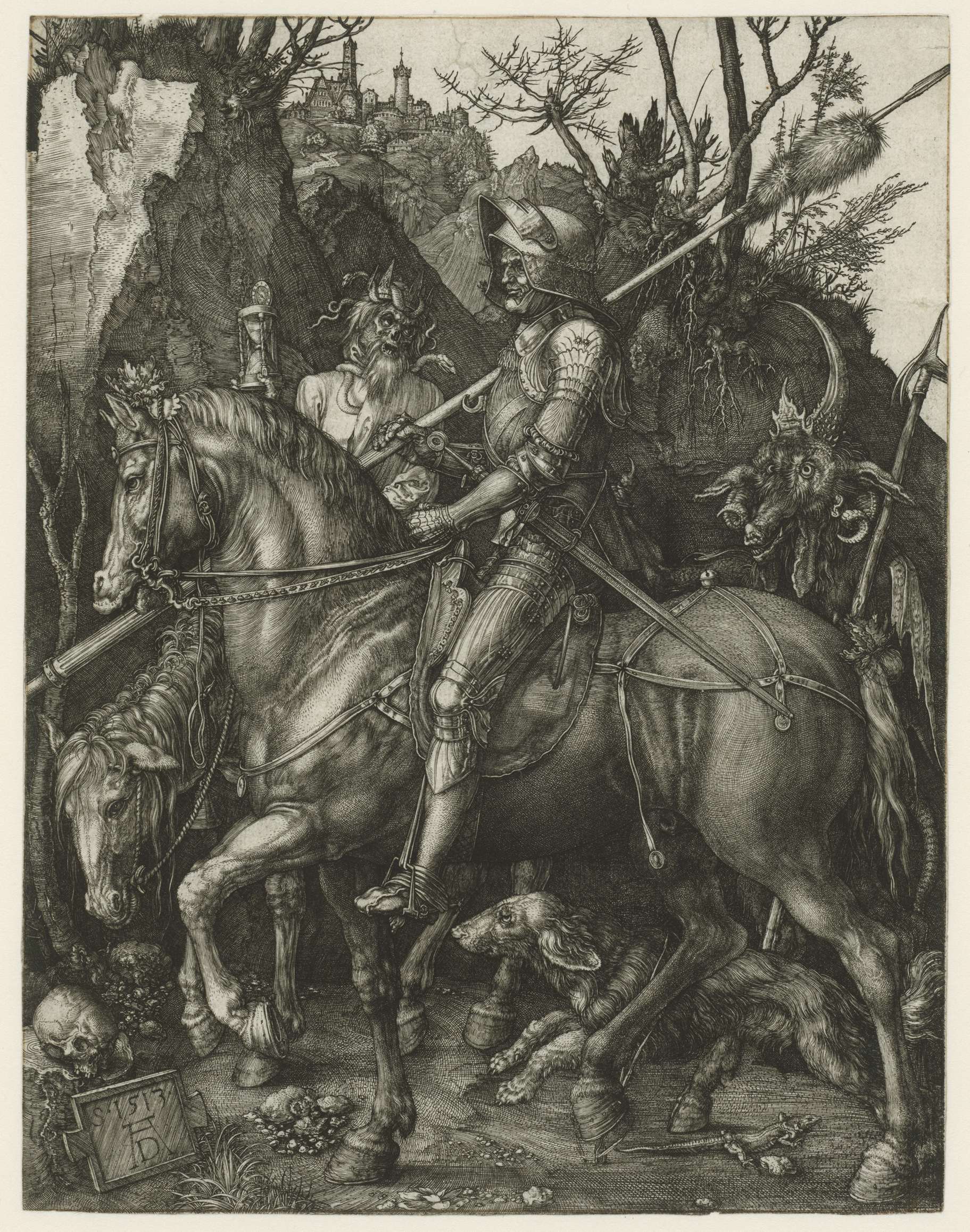
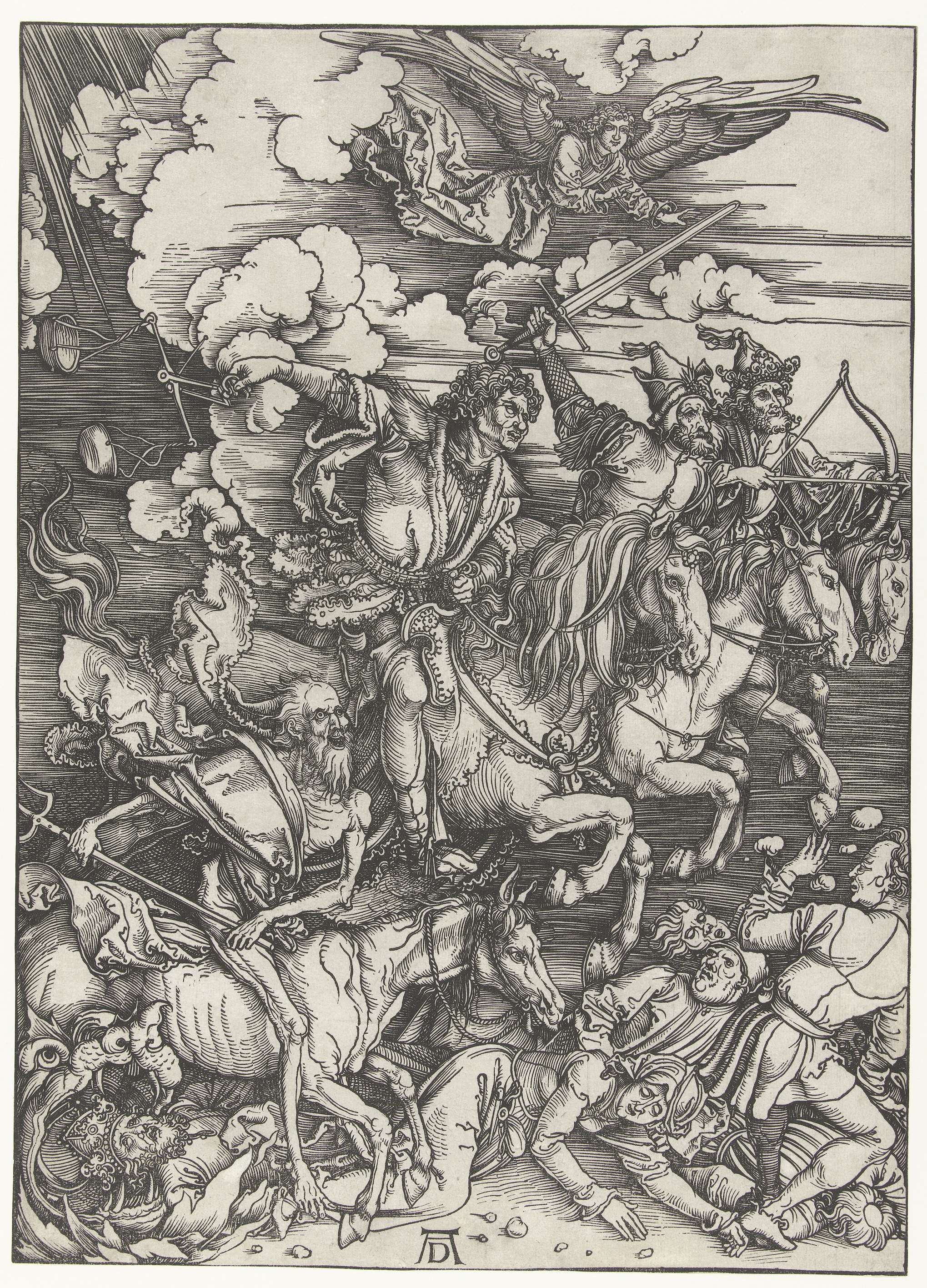
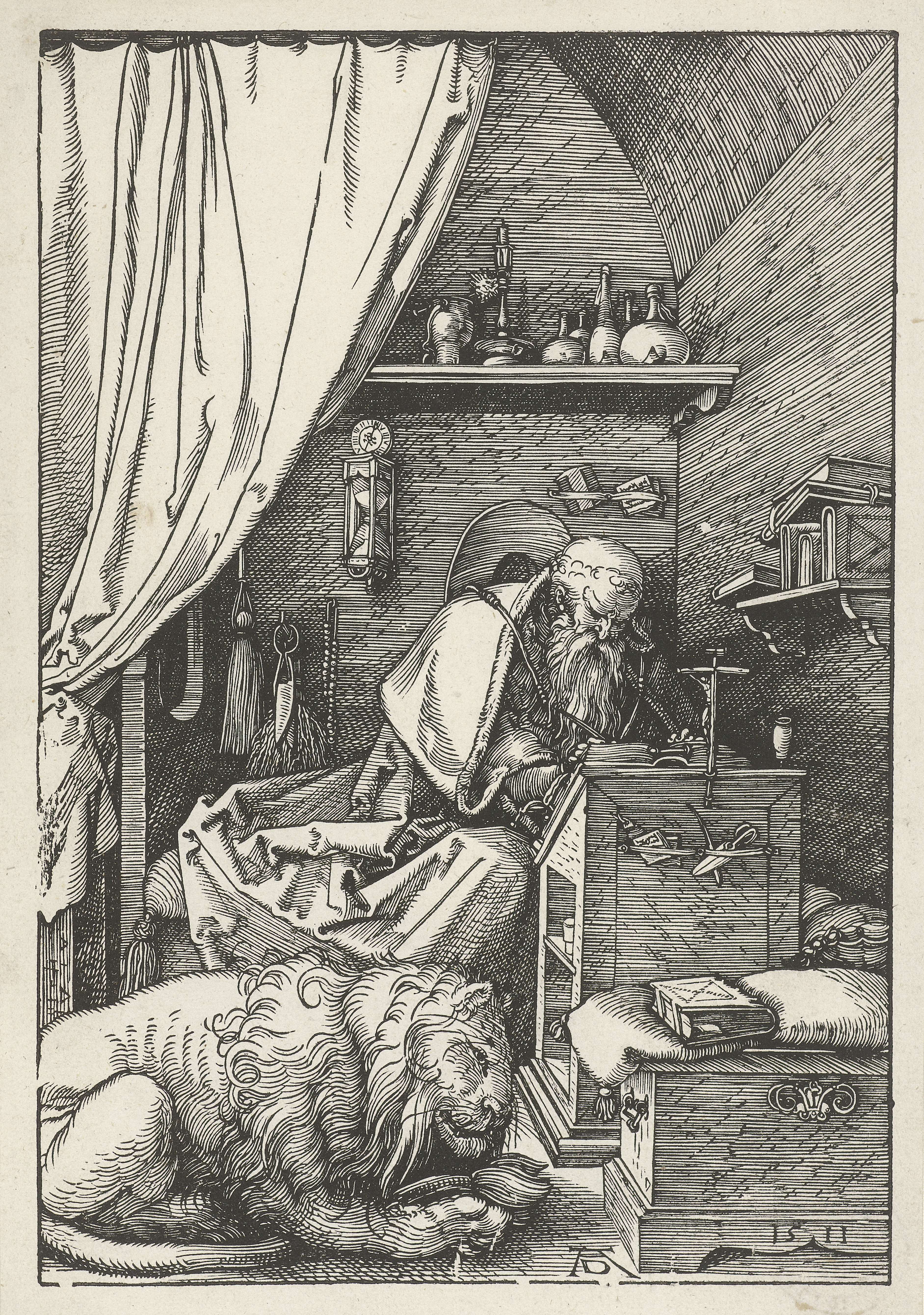
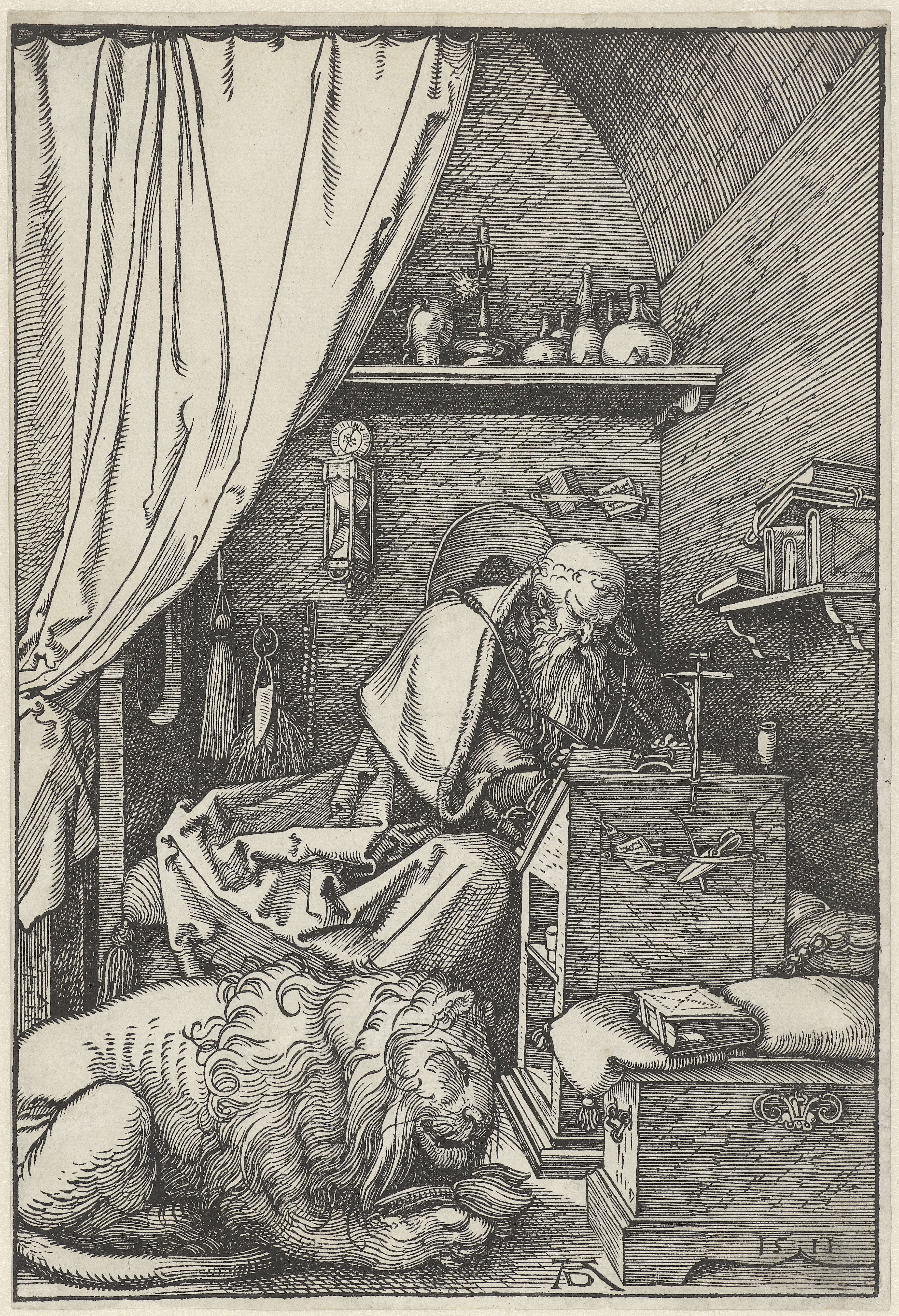
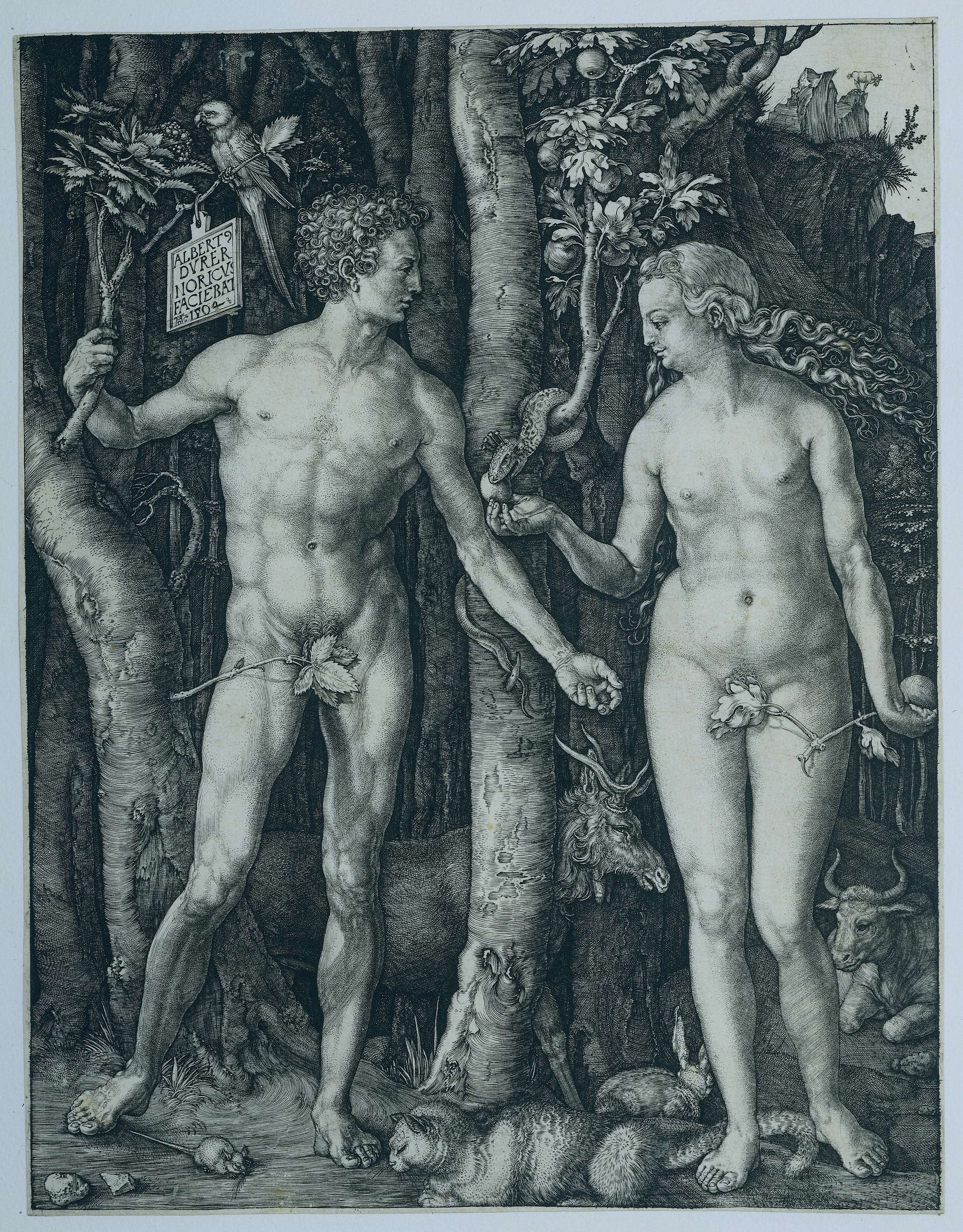
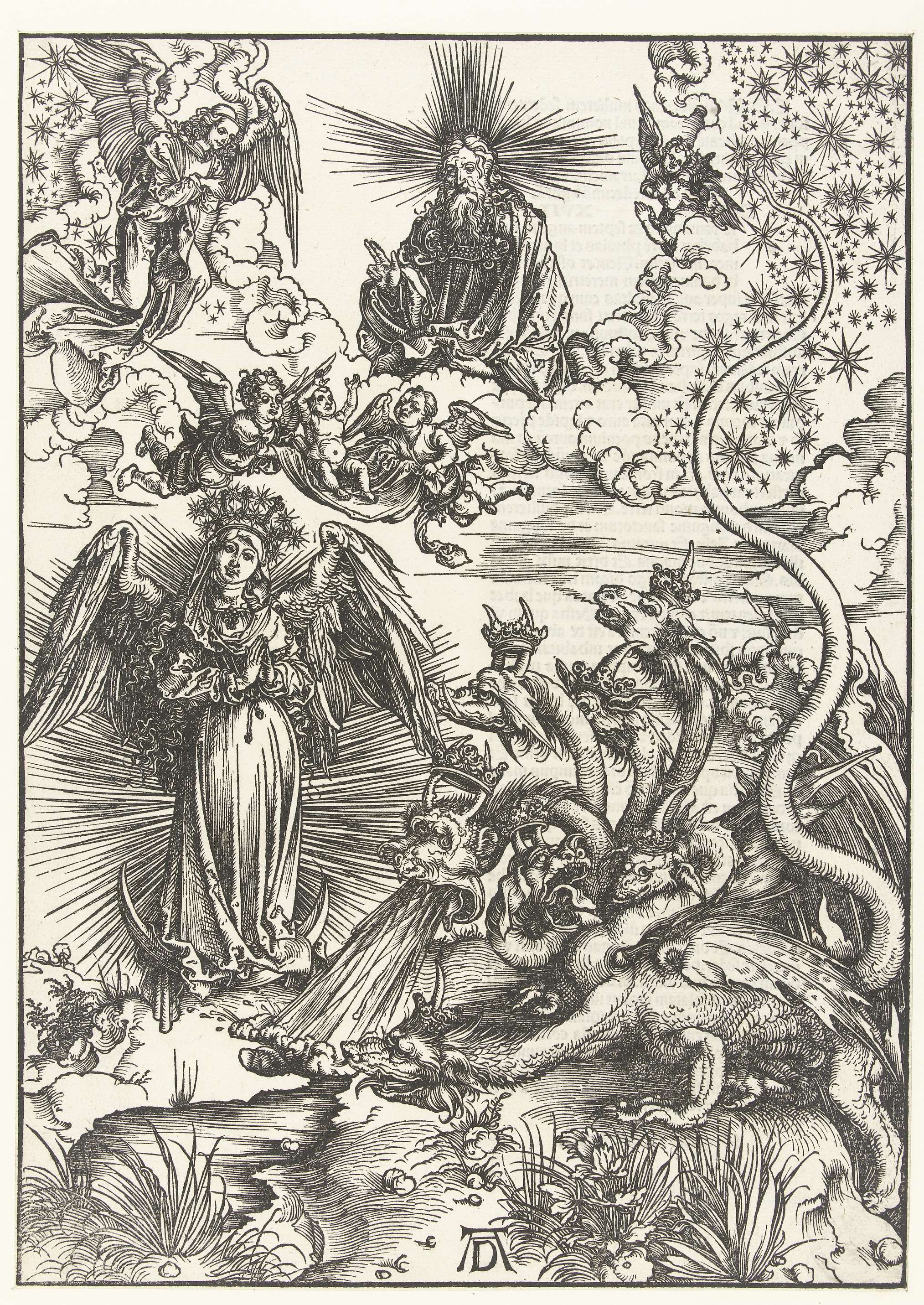
“Every brushstroke is a heartbeat remembered.” In the stillness of existence, how does one capture the fleeting nature of life? Albrecht Dürer’s work invites us to confront our own mortality through meticulous detail and profound symbolism. Look closely at the figure at the center, where intricately painted textures draw the eye. The rich interplay of light and shadow creates a three-dimensionality that feels almost alive. Notice how the vibrant colors blend seamlessly, contrasting with the somber theme at hand.
Dürer employs a delicate balance of emotion and precision, compelling the viewer to engage with each thoughtful stroke that contributes to the larger narrative. As you explore the surrounding elements, consider the juxtaposition between the ethereal and the corporeal. The way the figure's eyes seem to reflect an introspective gaze captures the essence of human contemplation on life and death. Subtle motifs within the composition hint at larger philosophical ideas—transience, legacy, and the inevitability of decay.
Every detail resonates with a profound tension, inviting reflection on what it means to be human. Created in 1511, this piece marks a pivotal moment in Dürer’s career, as he was gaining recognition beyond Germany. It coincided with a time of burgeoning artistic exploration and intellectual awakening in Europe, influenced by the Renaissance. Dürer’s engagement with themes of mortality shows not only his technical prowess but also a deep yearning to connect with the universal human experience amid the cultural shifts of his time.