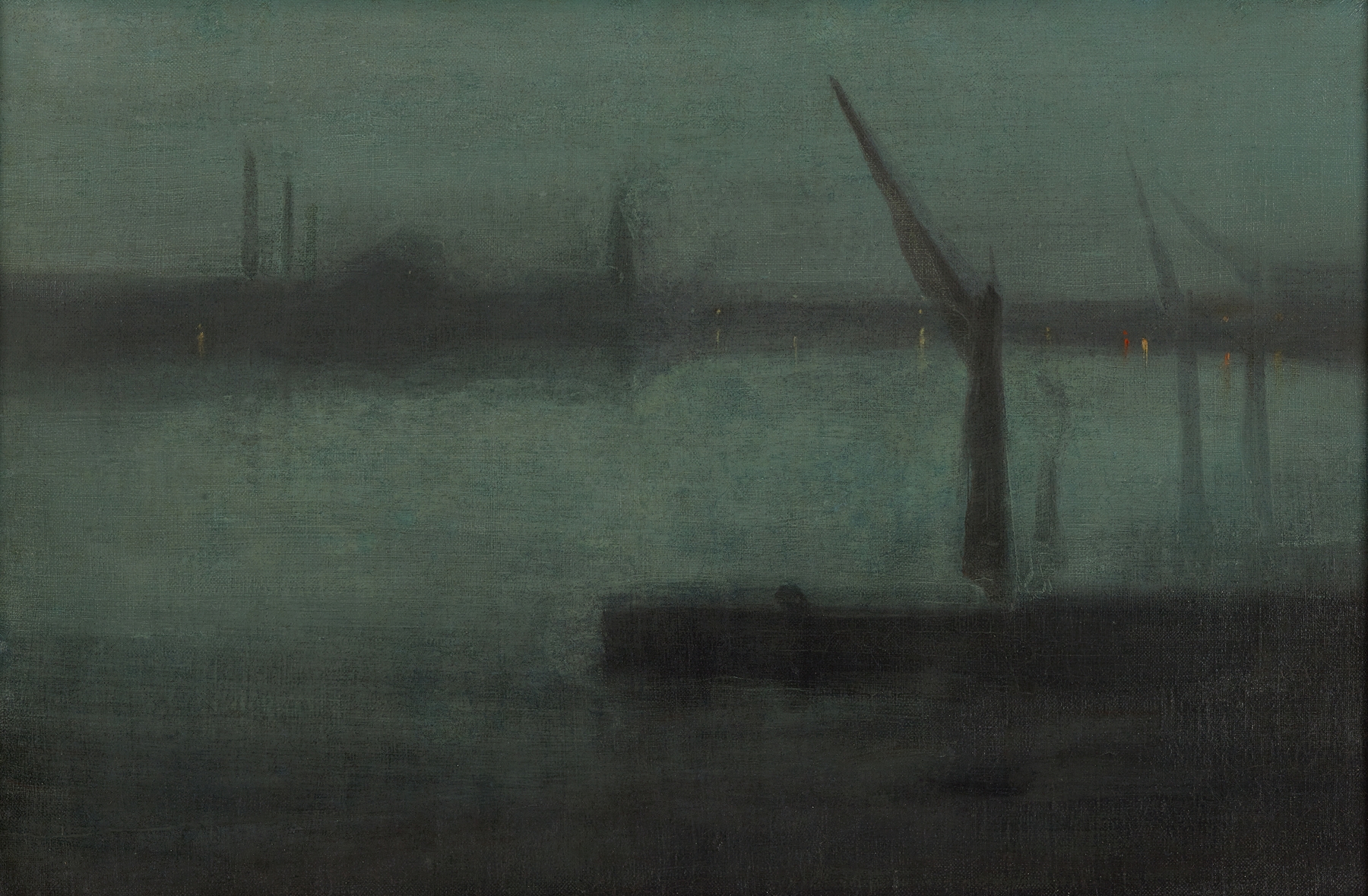
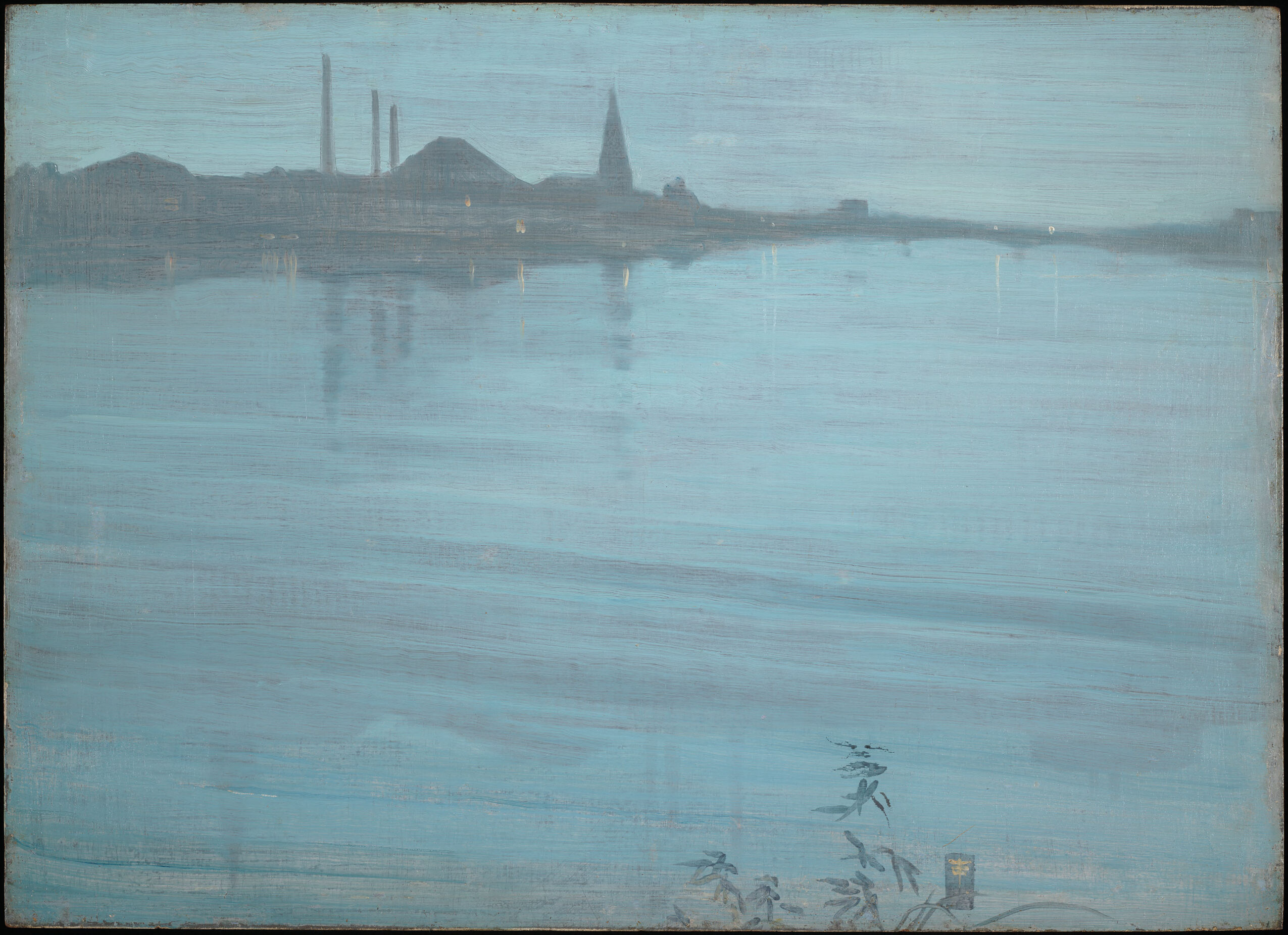
Grey and Silver–Pier, Southend — History & Analysis
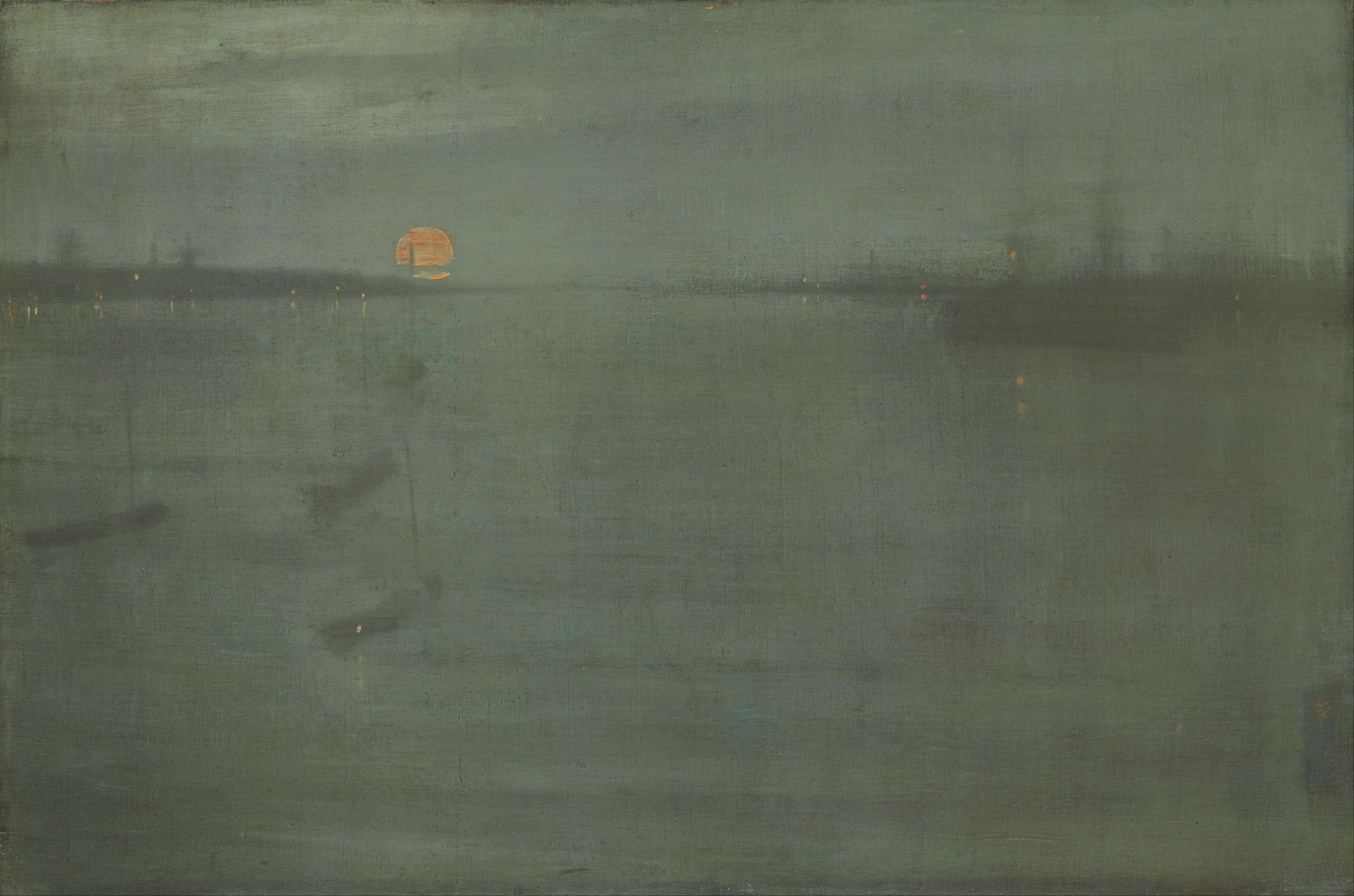
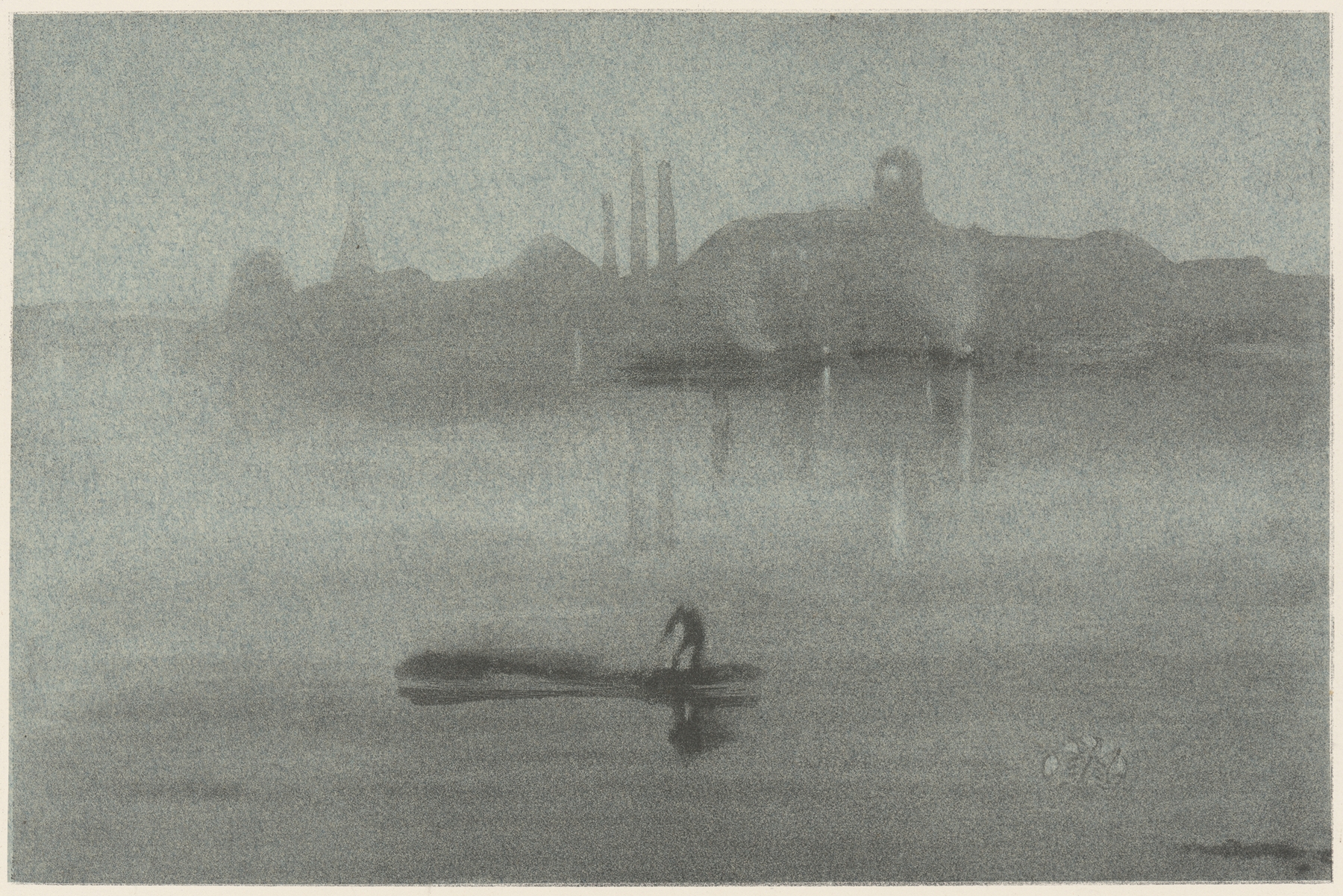
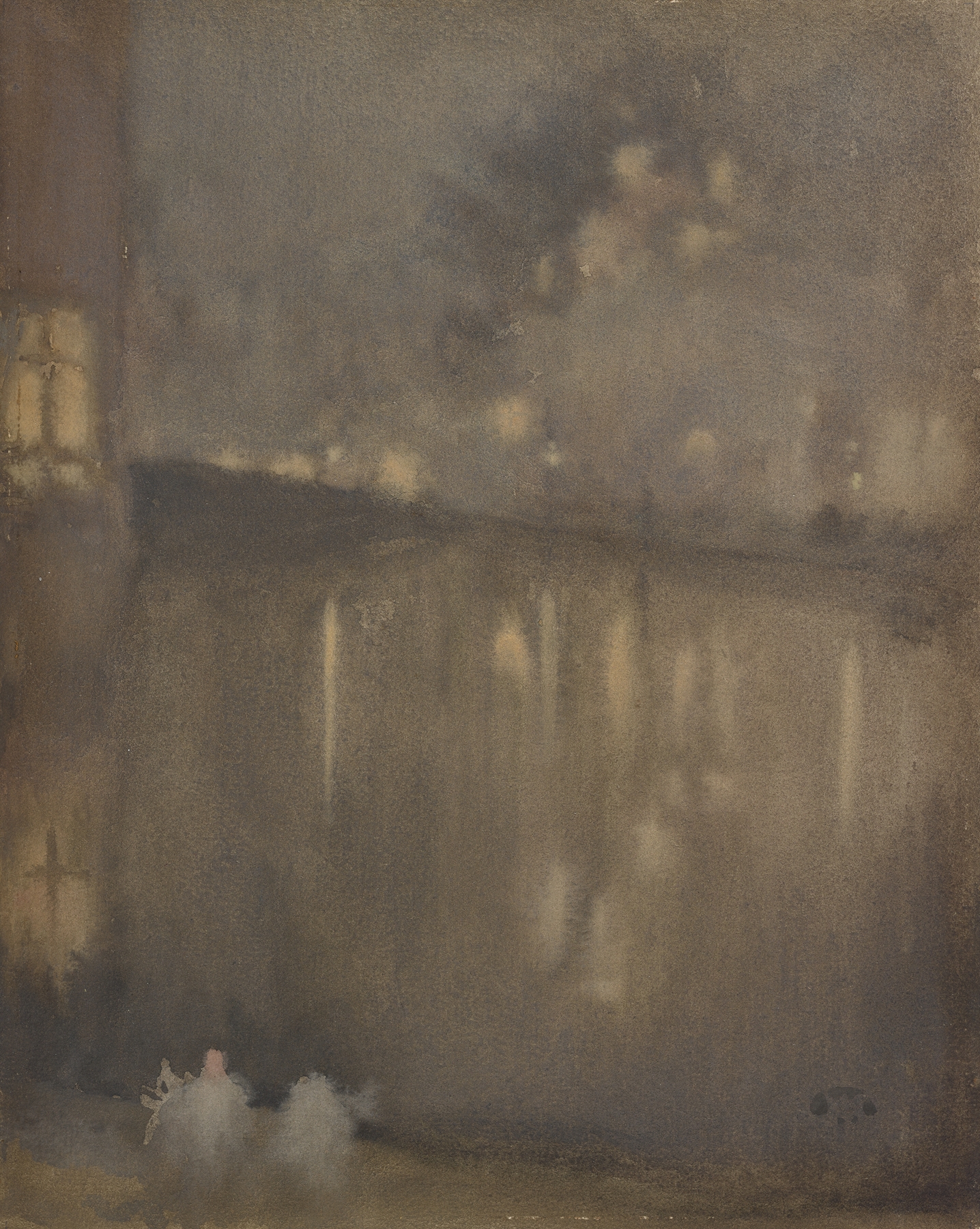
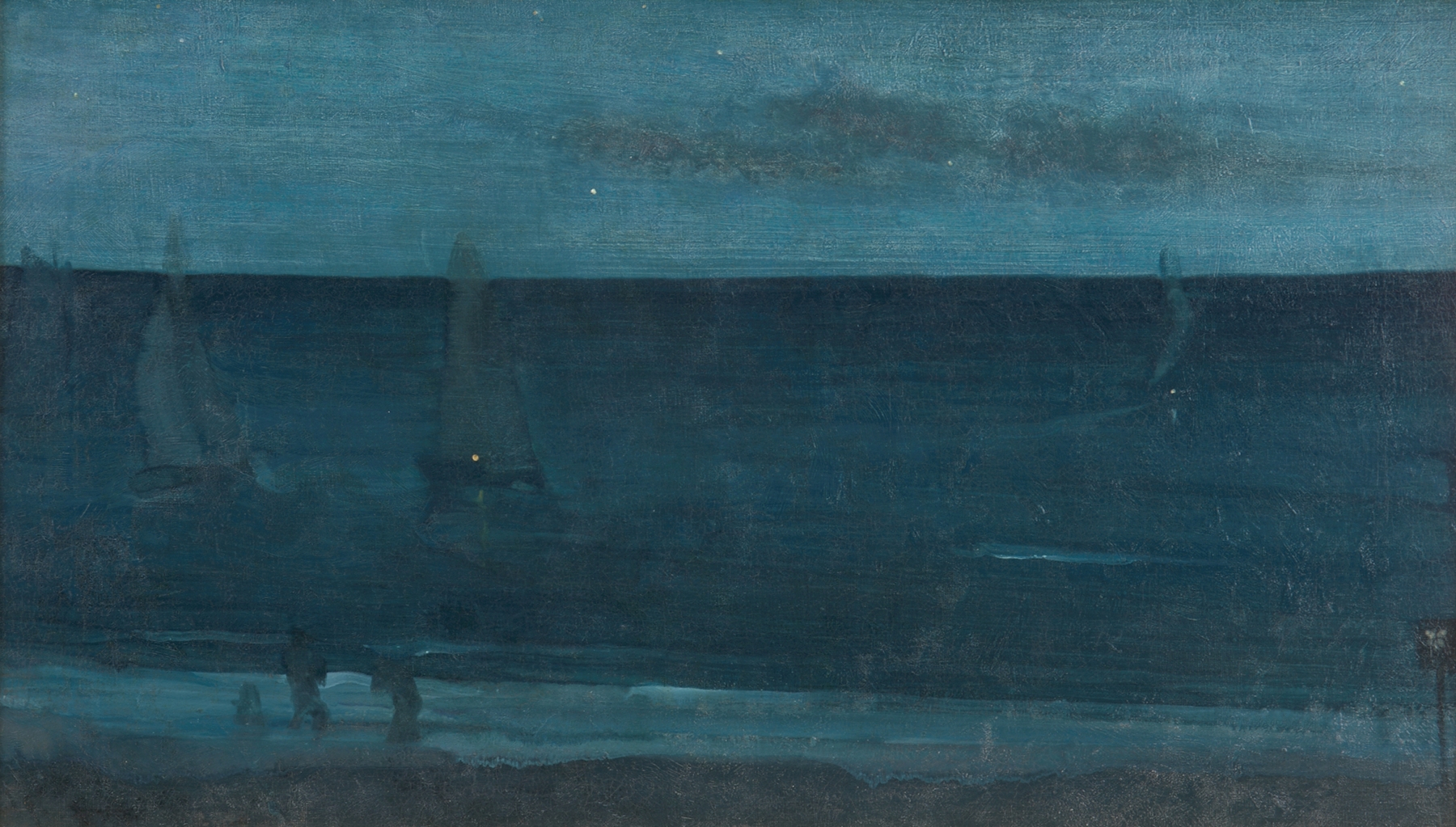
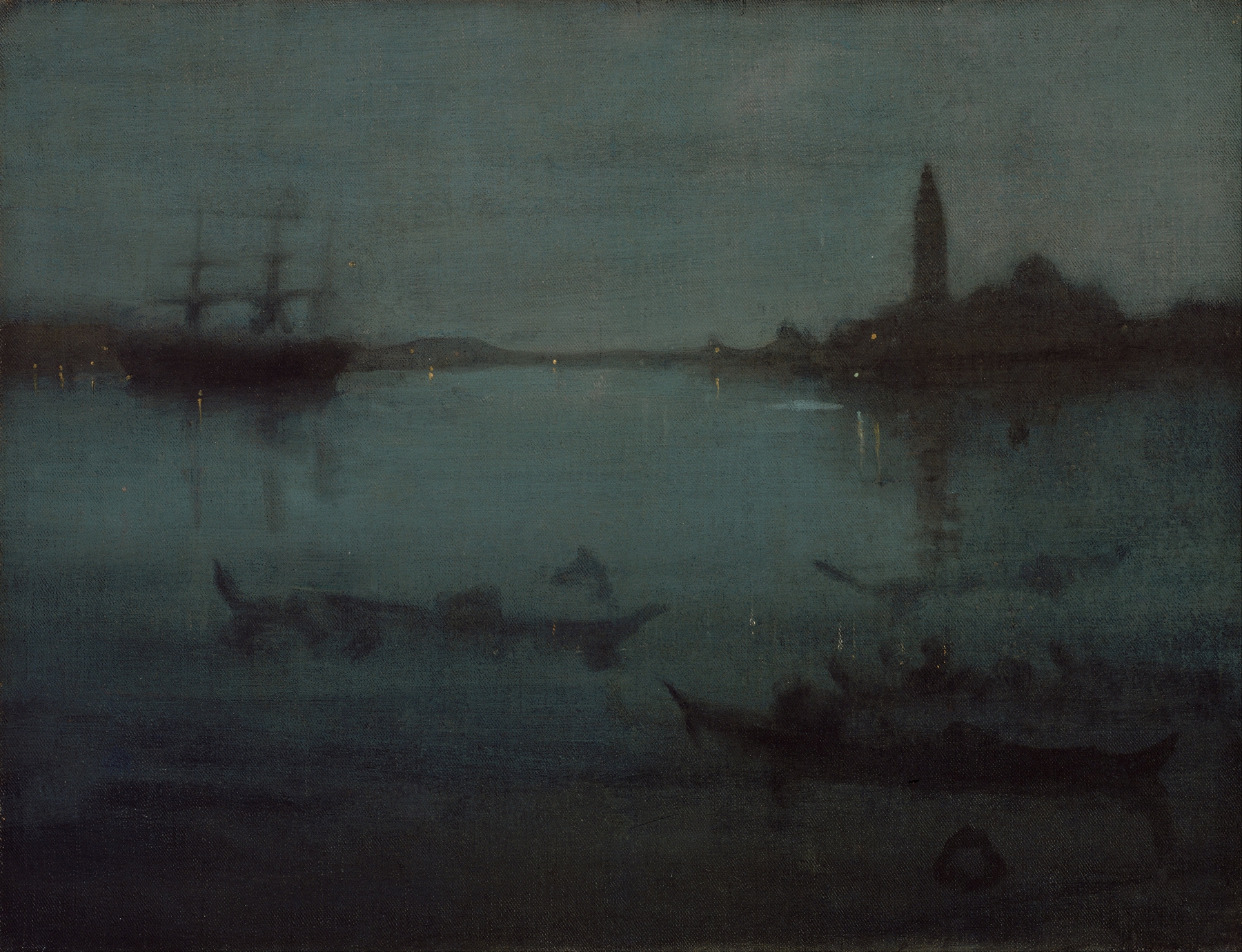
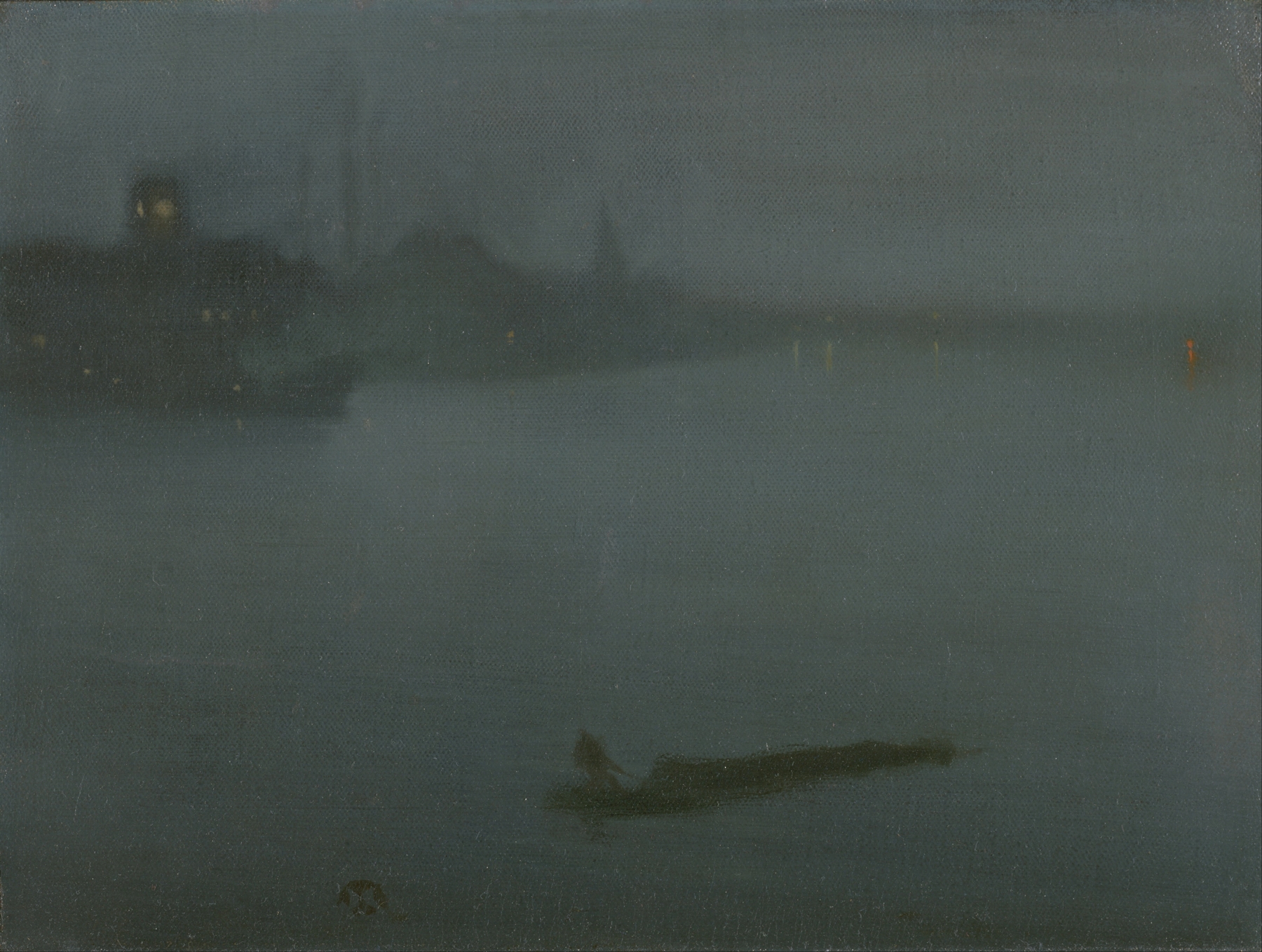
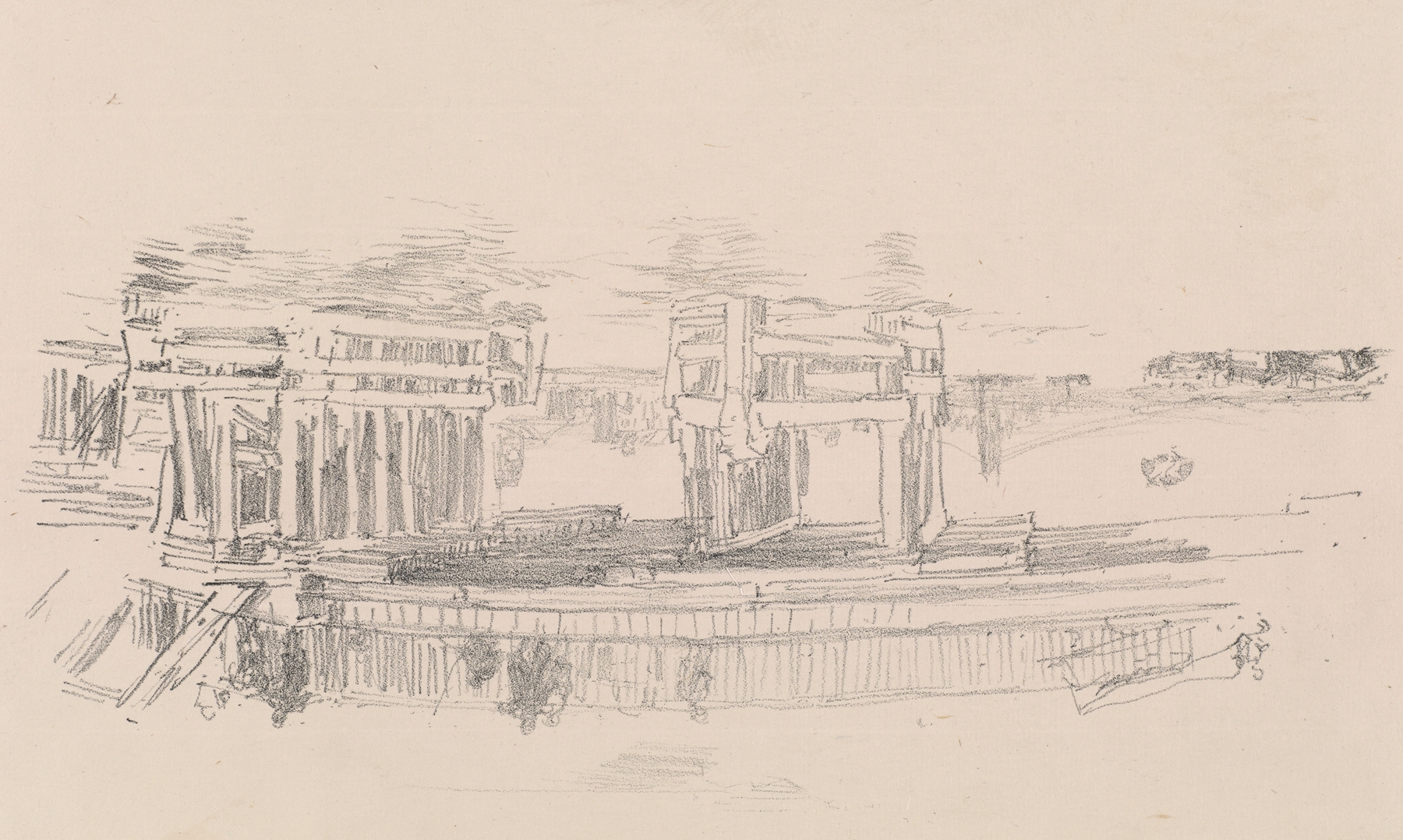
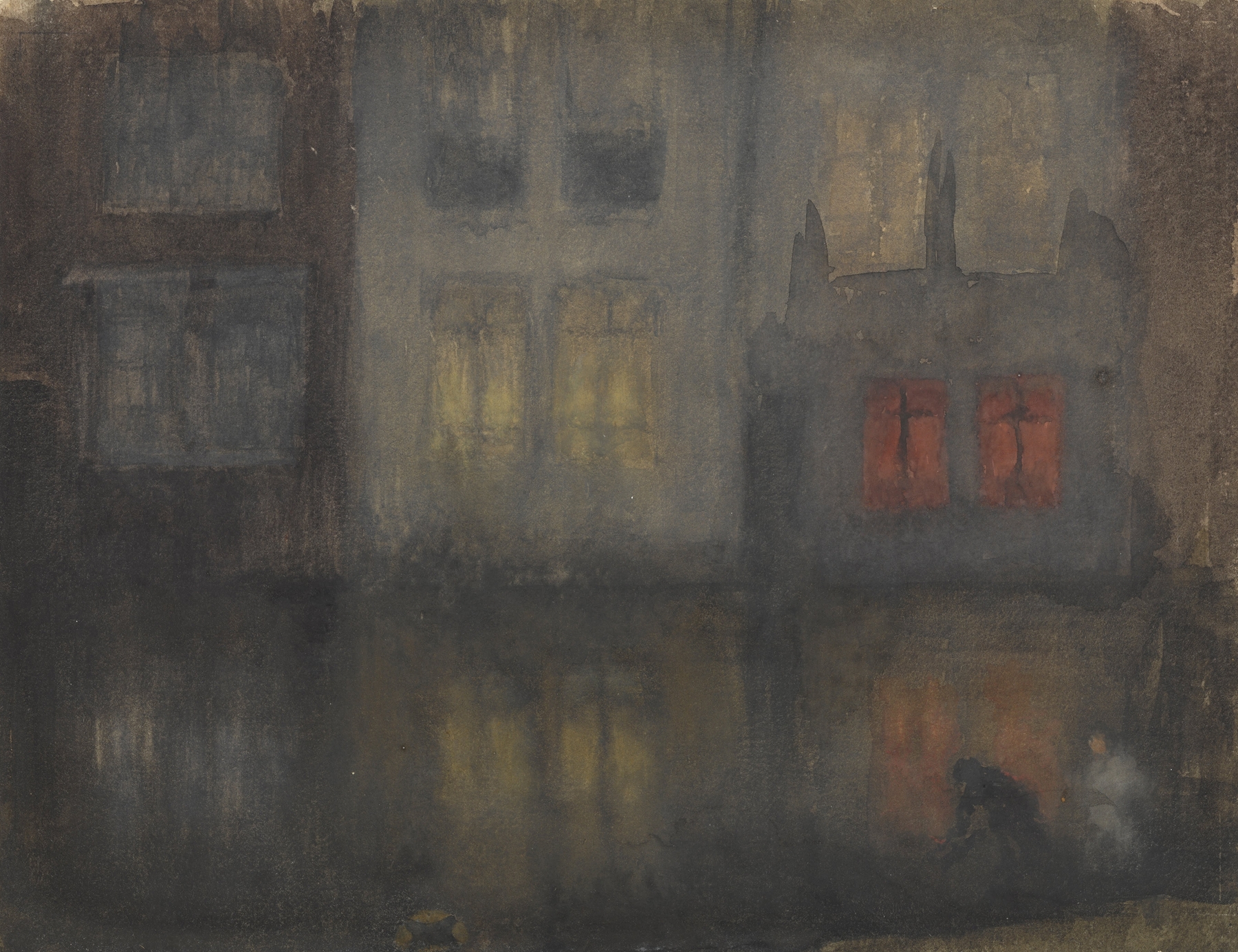
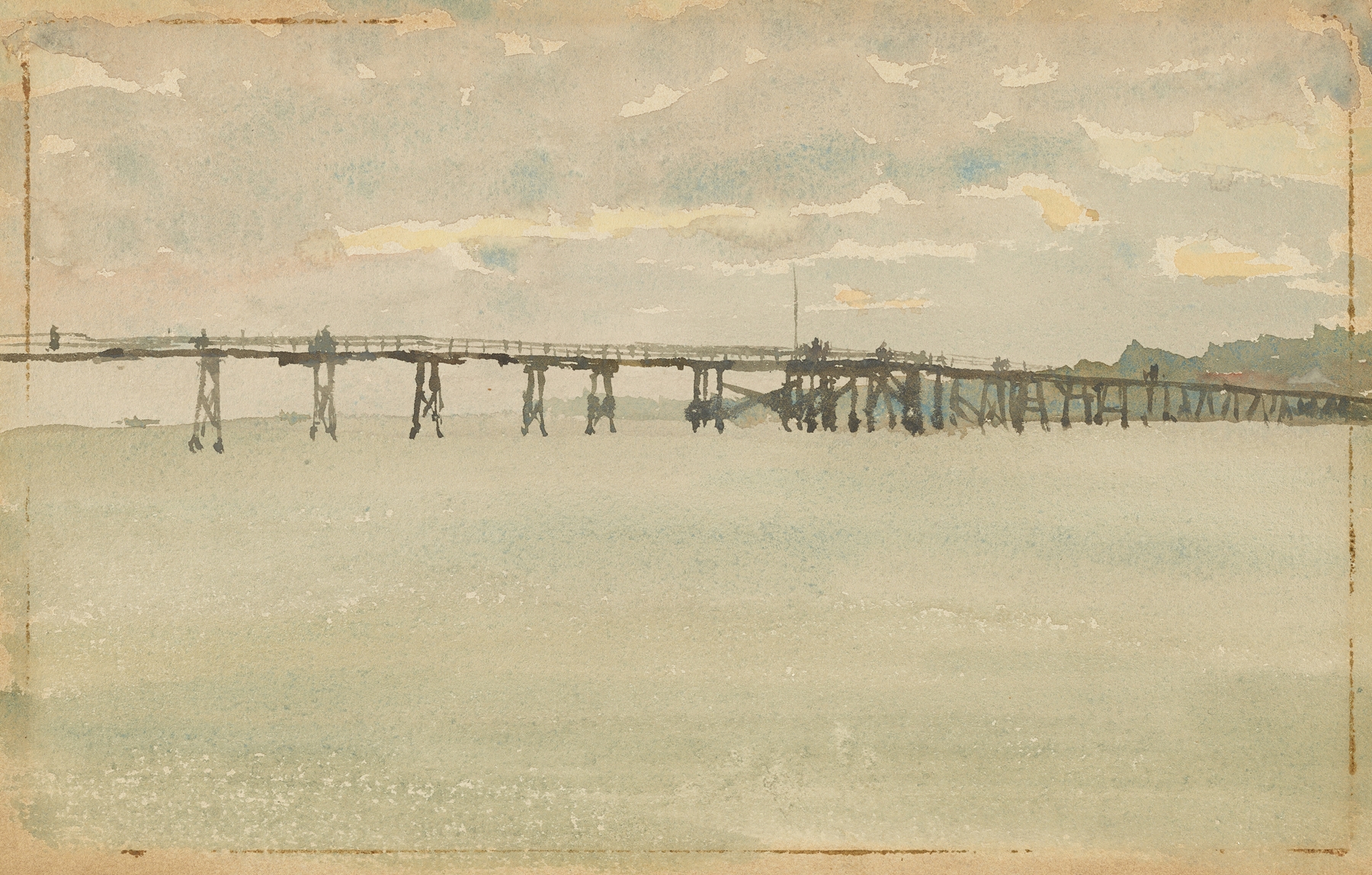
“The canvas doesn’t lie — it simply waits.” In this delicate balance of light and shade, Whistler invites us to pause and contemplate the ephemeral beauty of the everyday. Look to the left at the gentle curves of the pier, stretching gracefully toward the horizon, where a silvery mist blurs the boundary between sea and sky. The muted palette, dominated by greys and soft whites, evokes a sense of tranquility, while the subtle brushwork creates a sense of depth. Notice how the light dances upon the water's surface, weaving intricate patterns that guide your eye across the canvas, imparting a serene rhythm to the scene.
Beneath this calm exterior lies an intricate interplay of contrasts — the solidity of the pier against the ethereal expanse of the sea and sky. The figures on the pier, small and almost spectral, hint at the transient nature of human presence, each silhouette a fleeting moment against the vastness of the world. This tension between the enduring structure and the ephemeral atmosphere reflects the artist's exploration of balance, both in composition and in life itself.
Whistler created Grey and Silver–Pier, Southend between 1882 and 1883 while living in London. This period marked a pivotal moment in his career, as he shifted towards a more tonal and atmospheric style, influenced by Japanese aesthetics. At the time, Whistler was also navigating the art world’s changing dynamics, seeking to establish the principles of a new approach to beauty, one that resonated deeply with the complexities of modern life.