Nocturne: Black and Red—Back Canal, Holland — History & Analysis
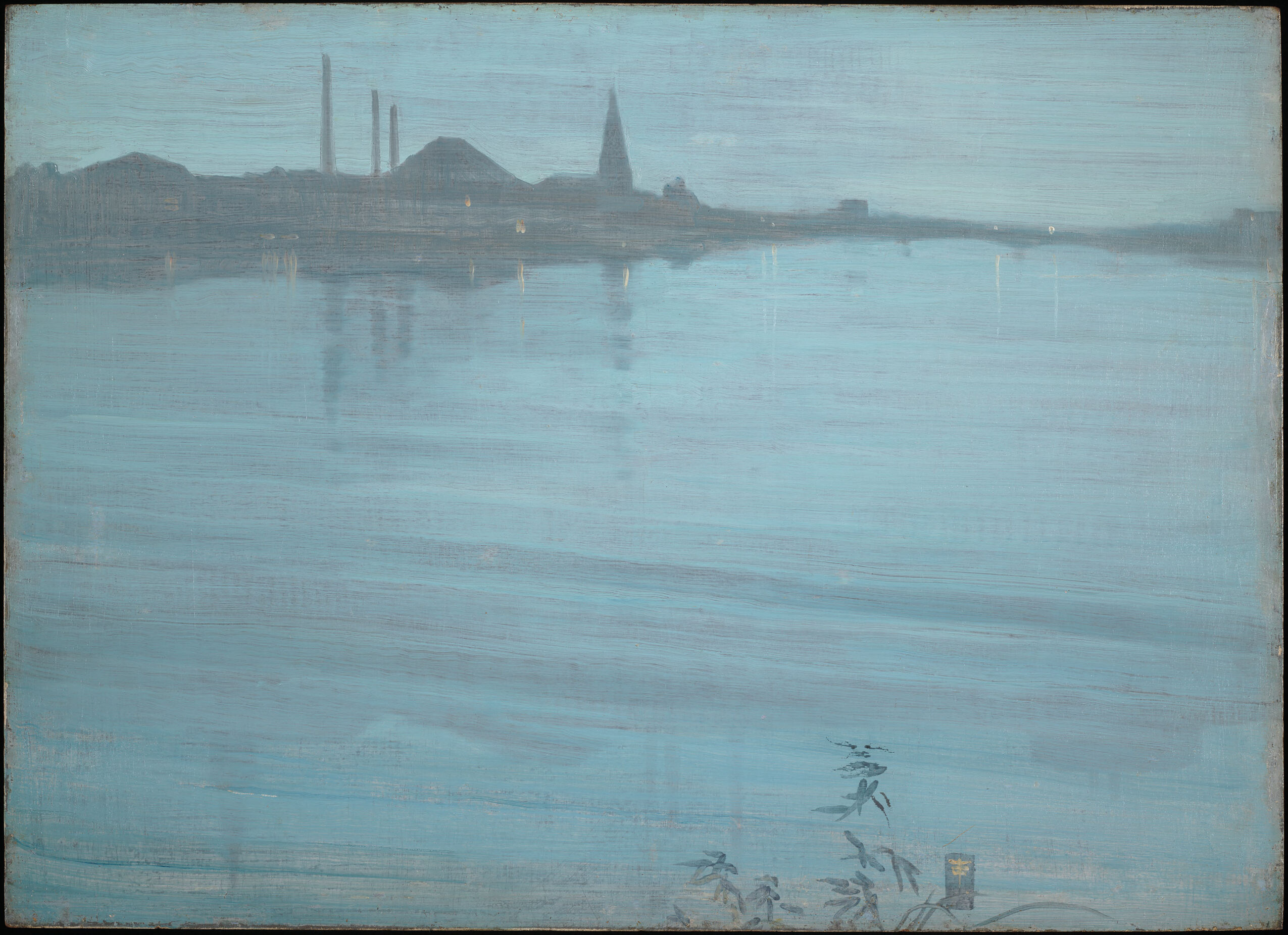
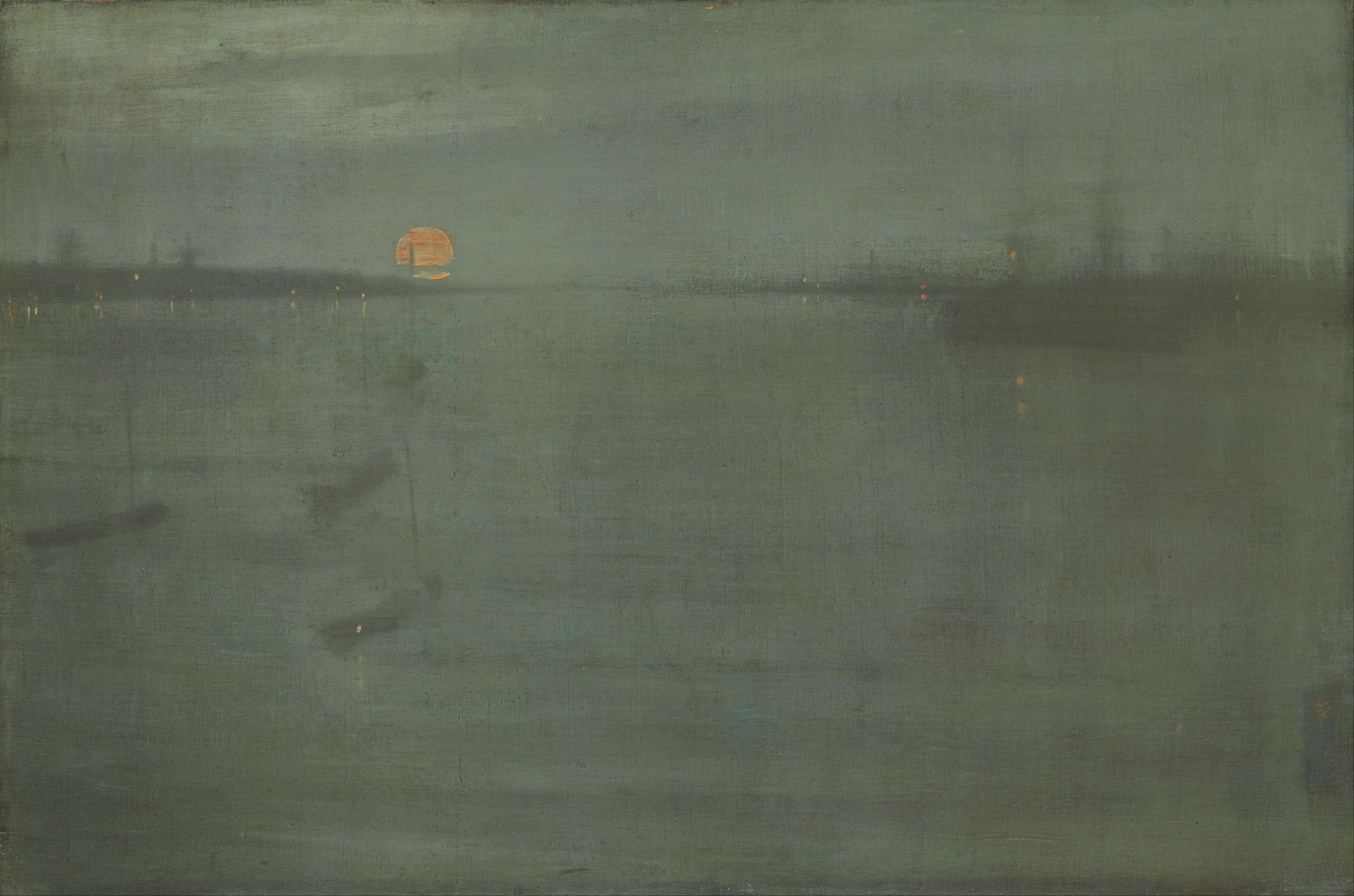
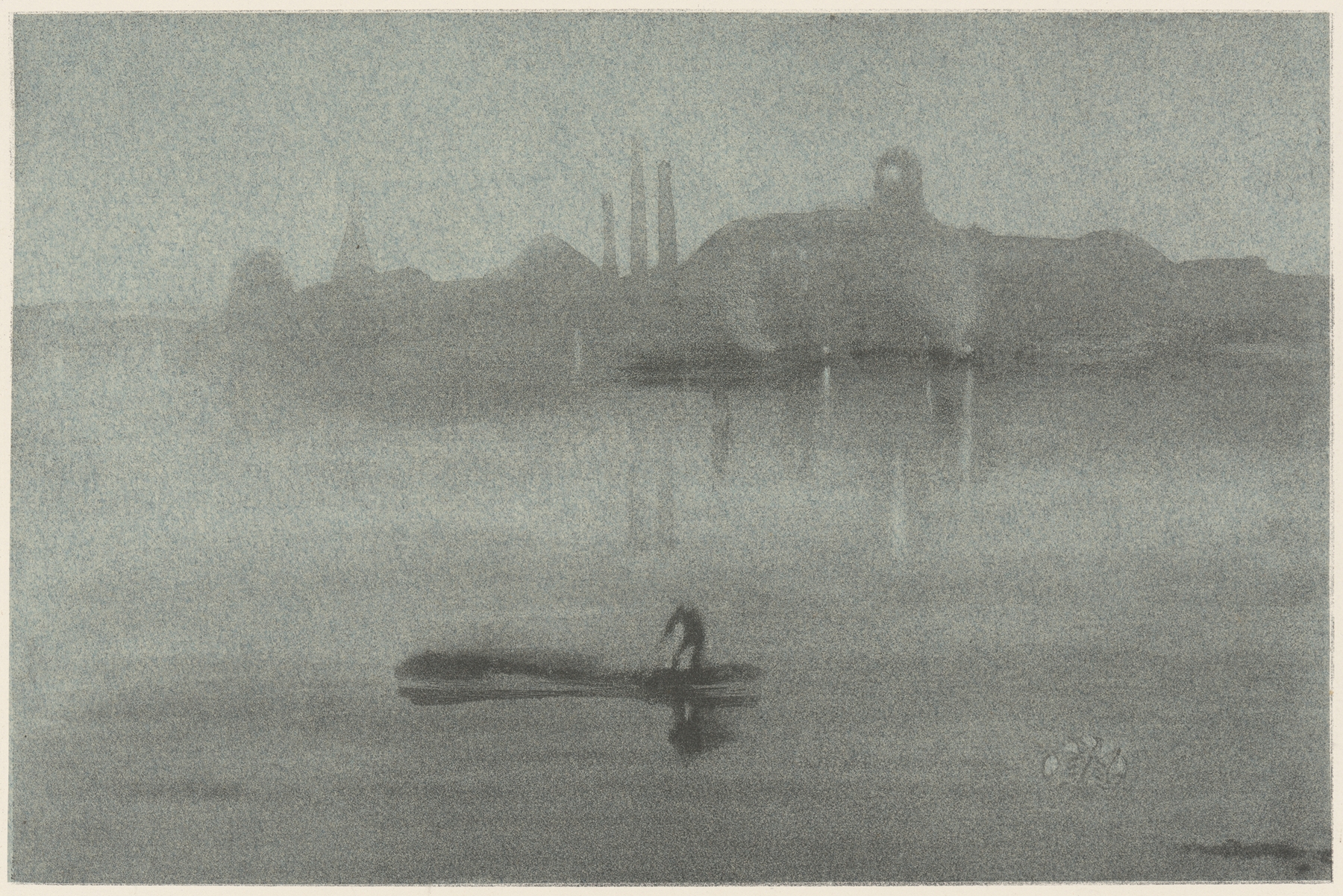
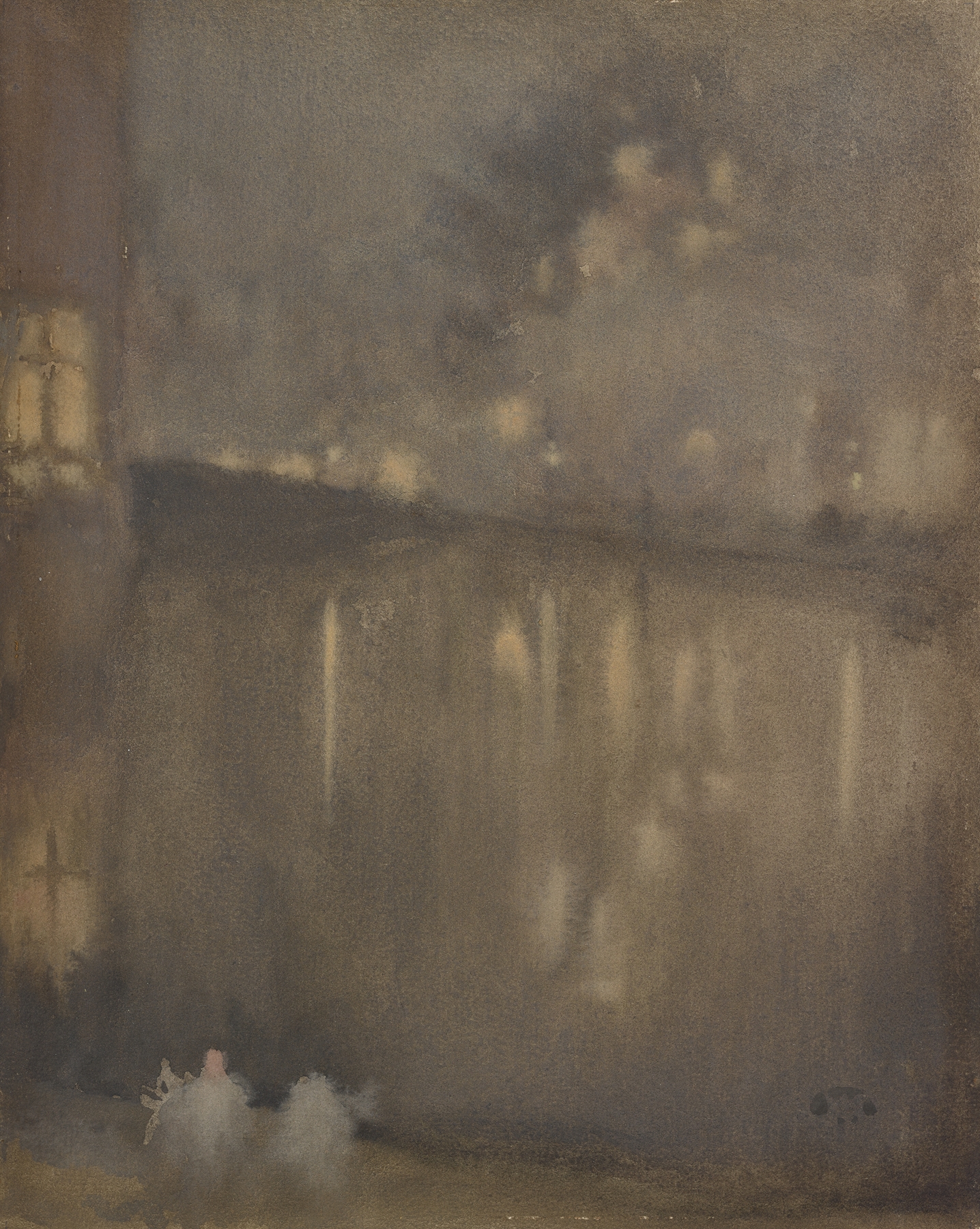
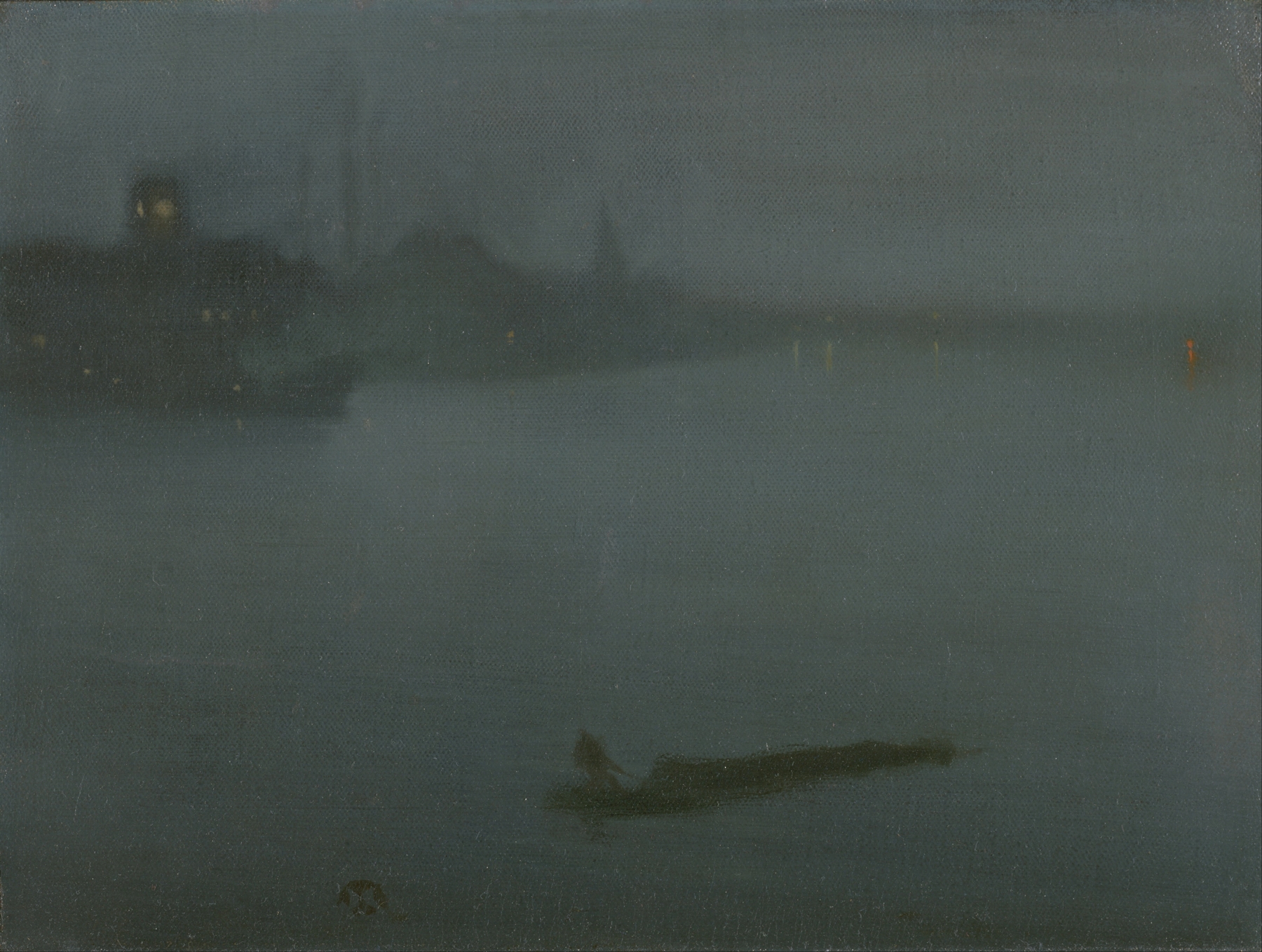
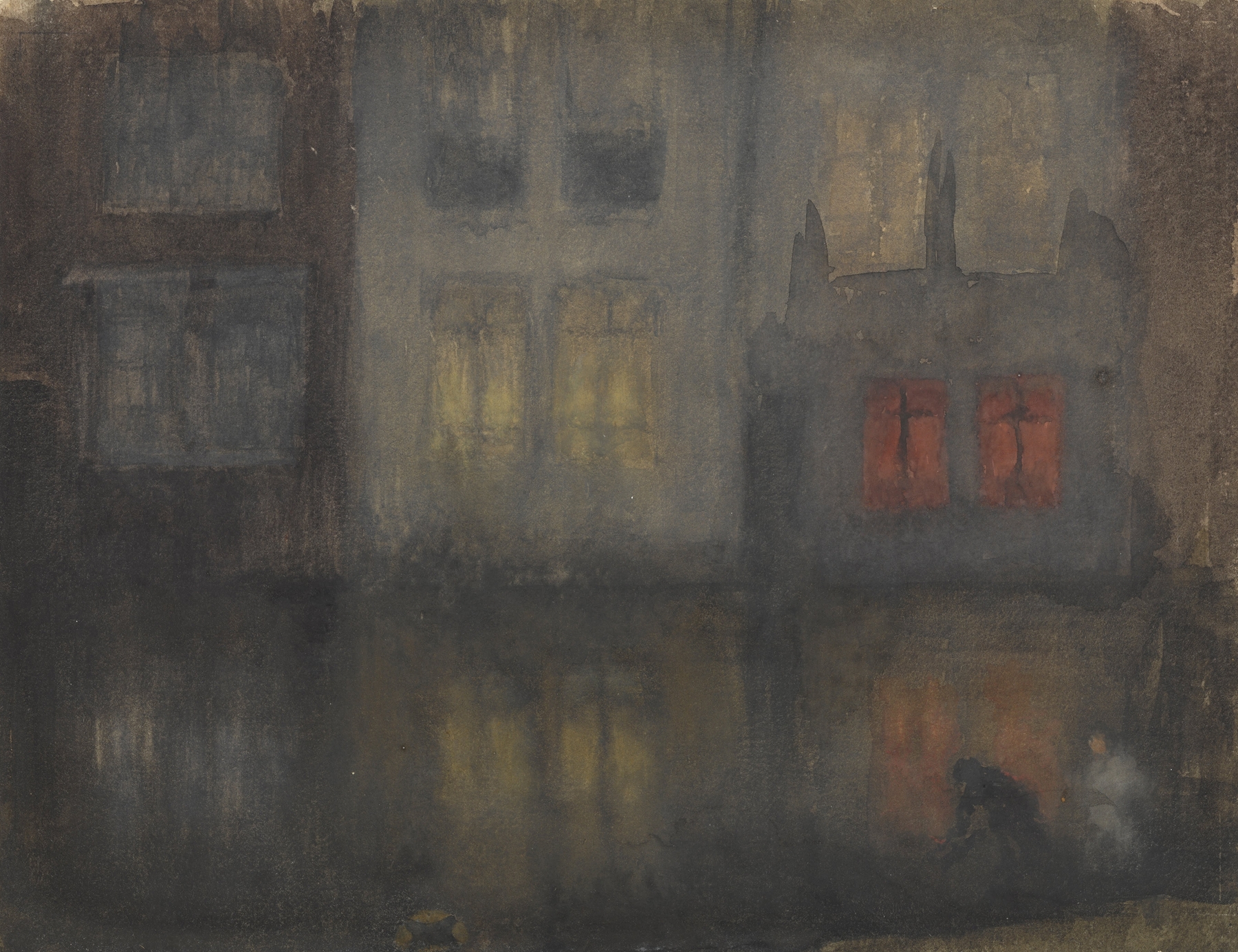
“Under the brush, chaos becomes grace.” In the depths of night, where shadows dance and whispers linger, a world waits to be reborn. The dark waters reflect the quiet intensity of life, hinting at the unspoken stories that flicker gently beneath the surface. Focus on the lower section of the canvas, where the inky blackness of the canal emerges, punctuated by delicate strokes of red that punctuate the water’s edge. The horizon melds into the night sky, allowing the viewer to become entranced by the interplay of light and form.
Whistler's technique reveals a masterful balance of color and texture, where the smoothness of the water contrasts with the subtle vigor of the surrounding elements. As you explore further, notice how the reflections transform into haunting shapes, each whispering a sense of renewal and hidden potential. The juxtaposition of the dark, still water against the vibrant red hints at an emotional dichotomy — a battle between tranquility and the fervent pulse of life. This painting encapsulates a moment of introspection as the viewer contemplates the time between dusk and dawn, a fleeting period of rebirth where darkness cradles the light.
Whistler created this artwork during a period marked by innovation and experimentation in the late 19th century. Living in Paris, he was immersed in the artistic movements that sought to capture ephemeral experiences. The work reflects his ongoing exploration of nocturne themes, aiming to evoke emotional and atmospheric depth rather than specific narratives, forever altering the perception of art in his time.