Old Battersea Bridge — History & Analysis
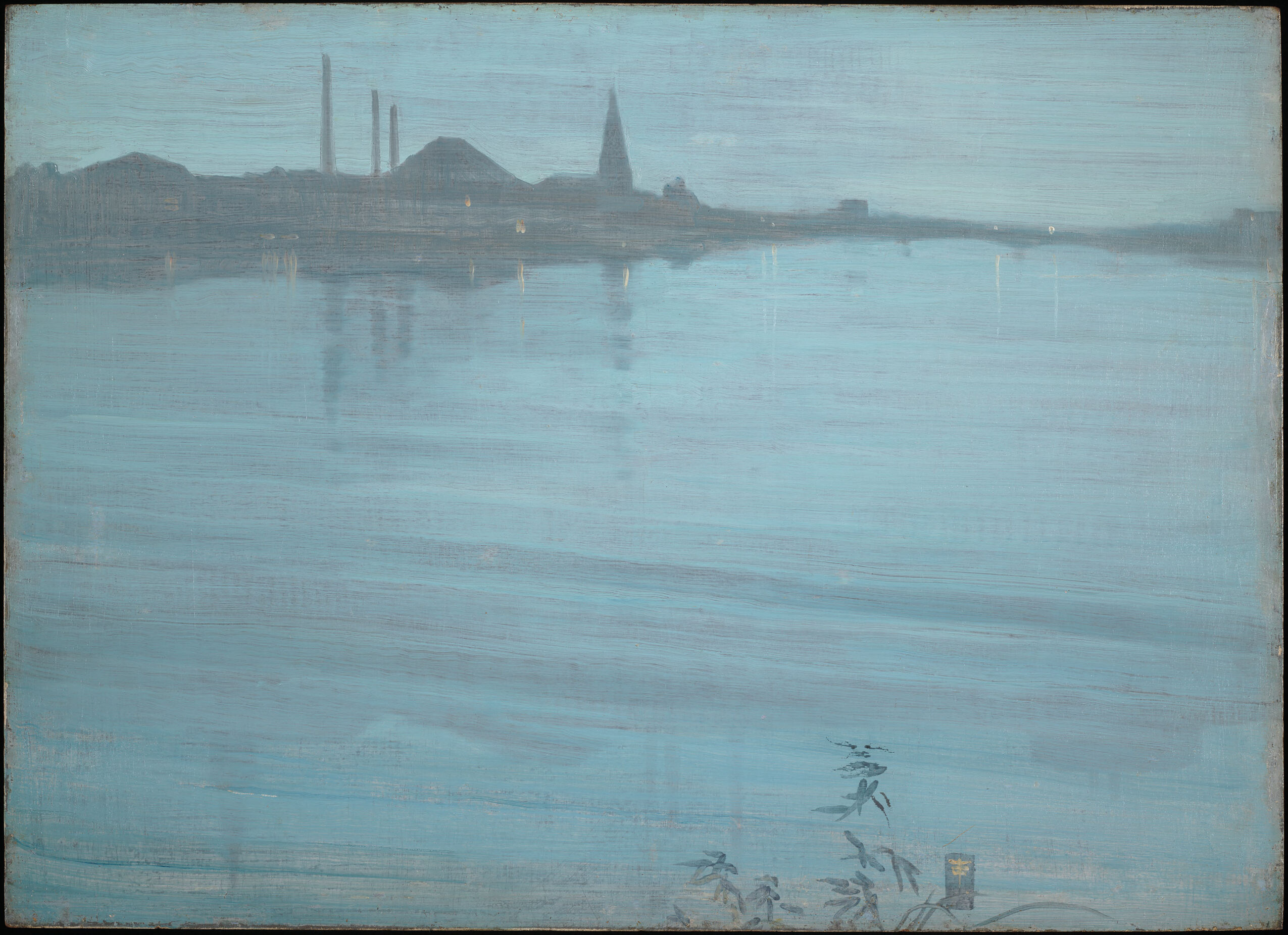
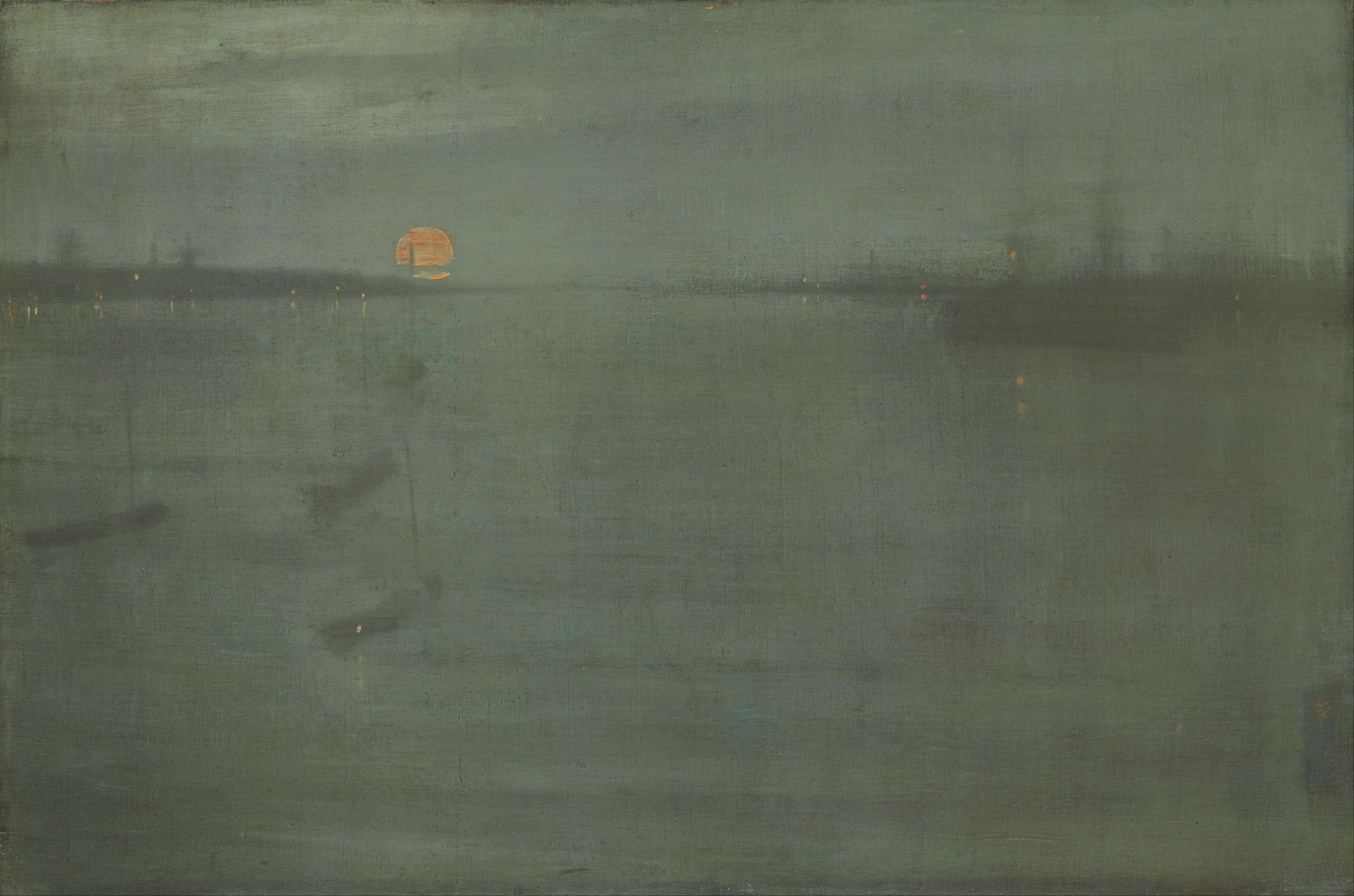
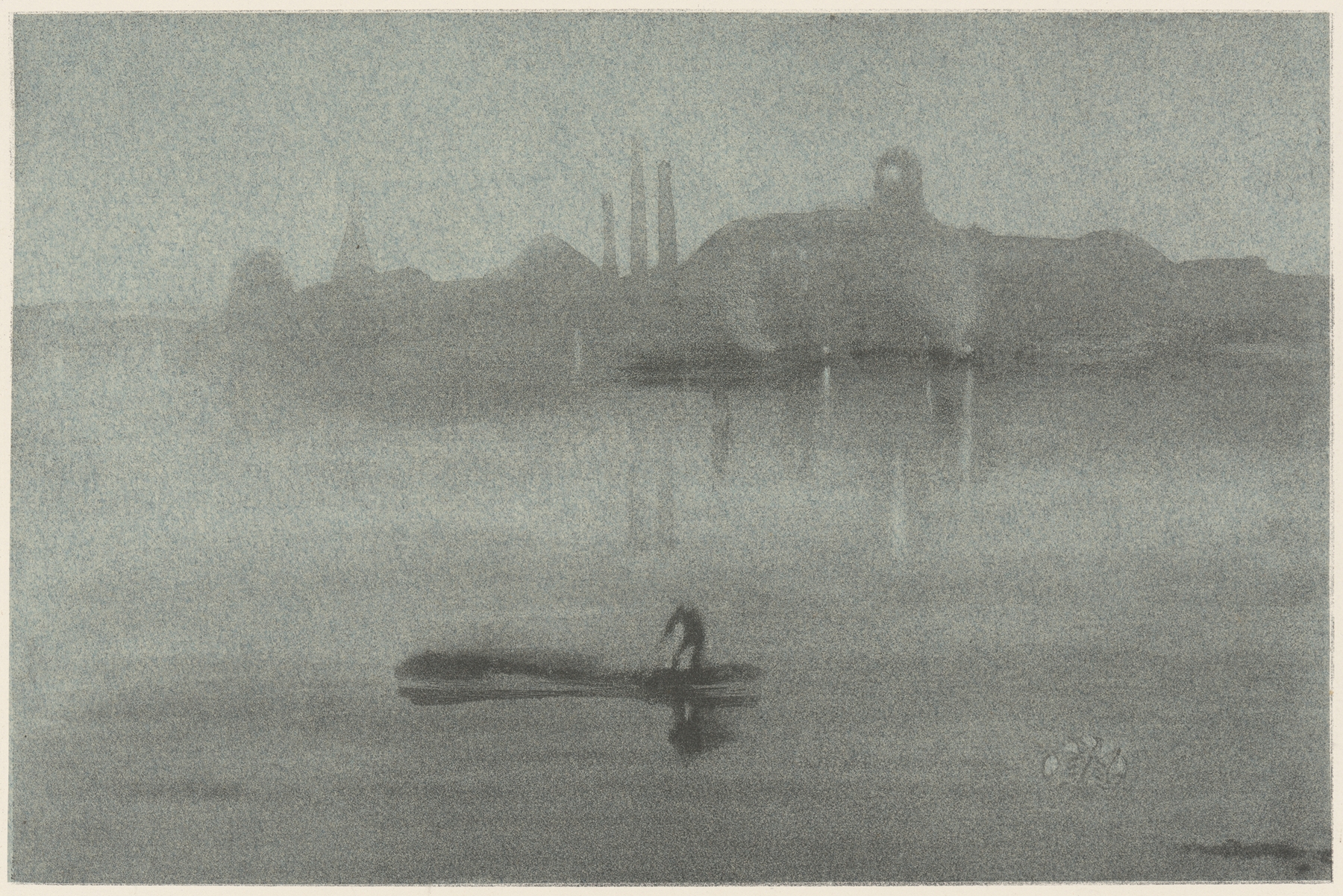
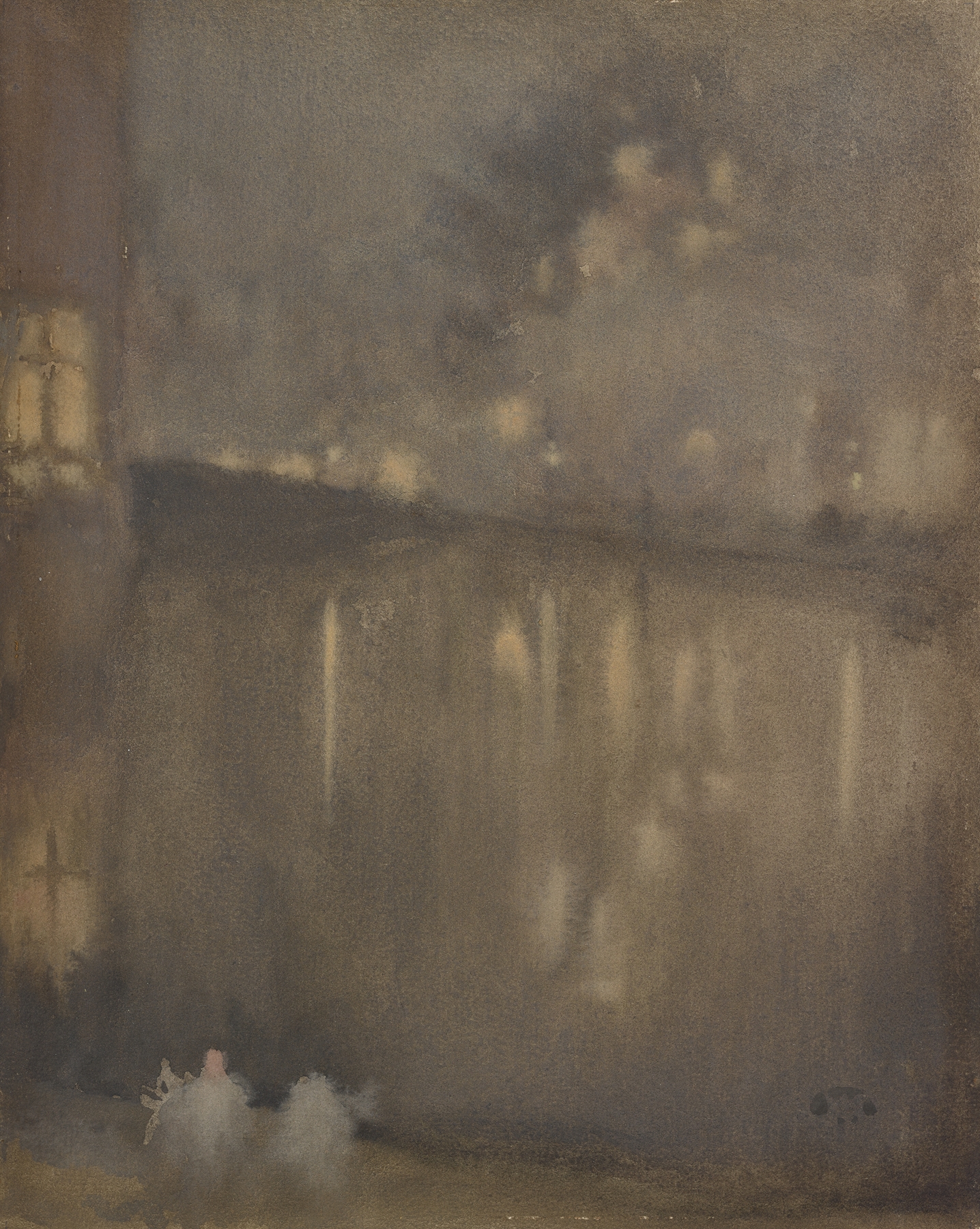
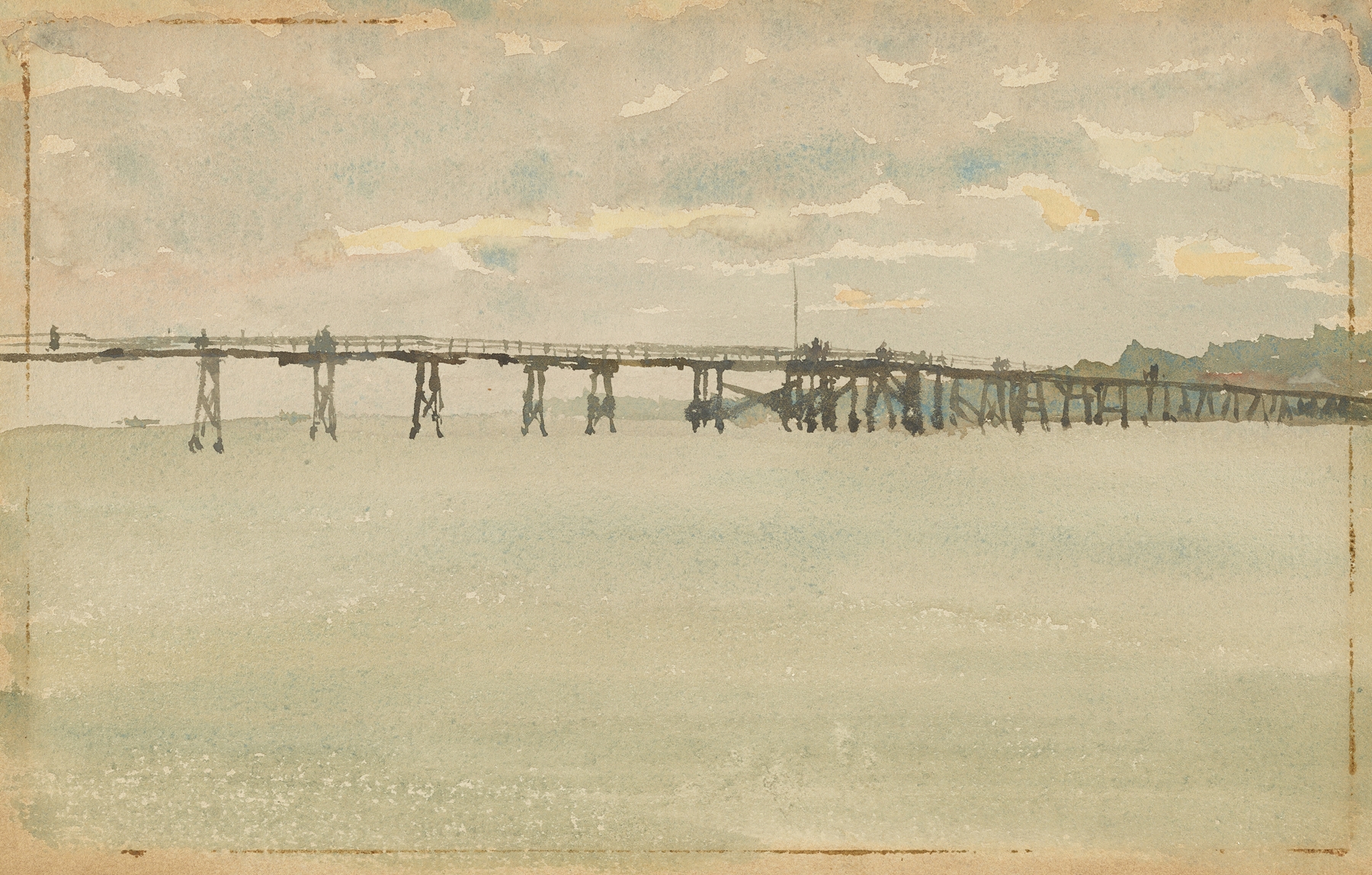
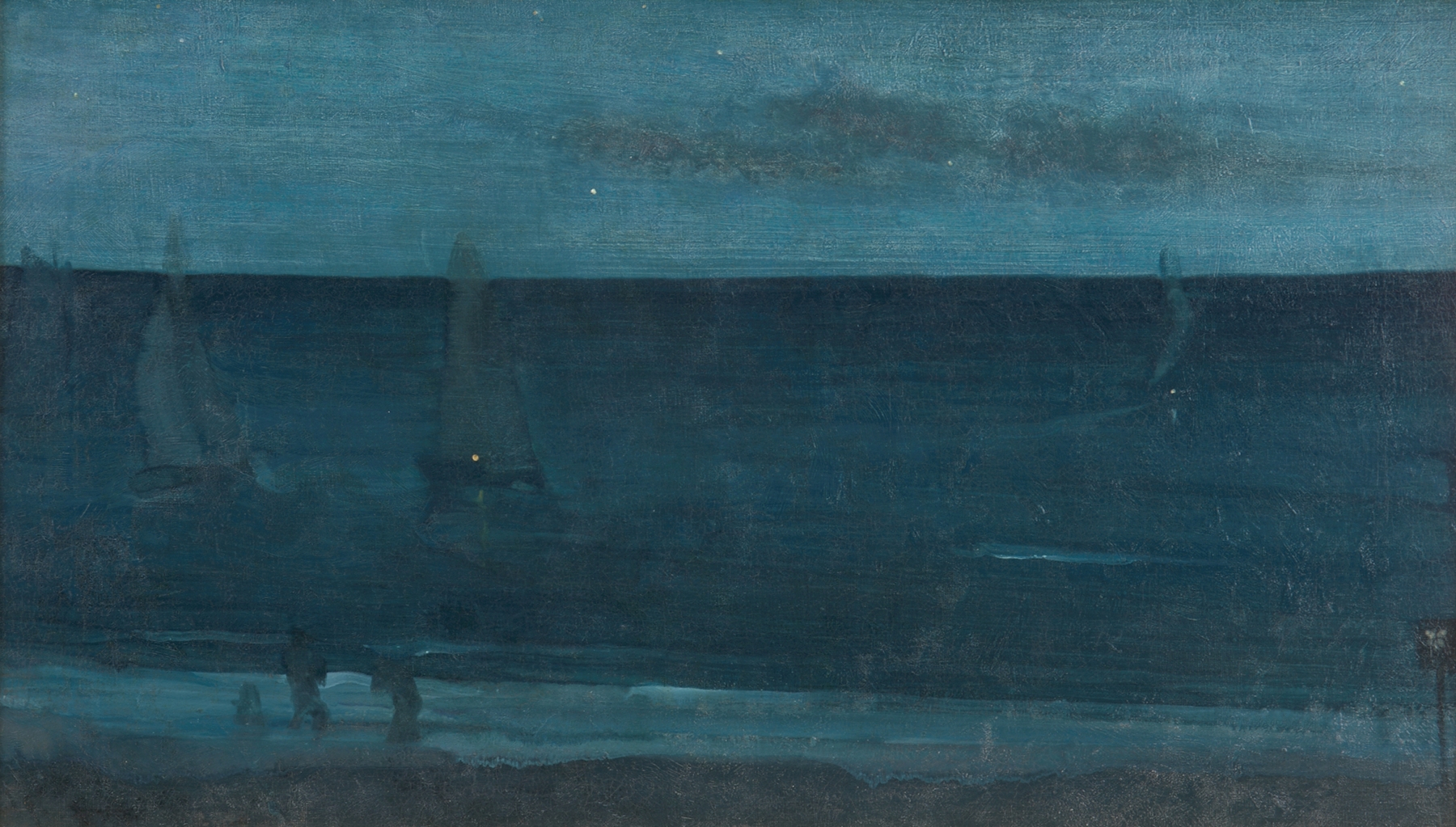
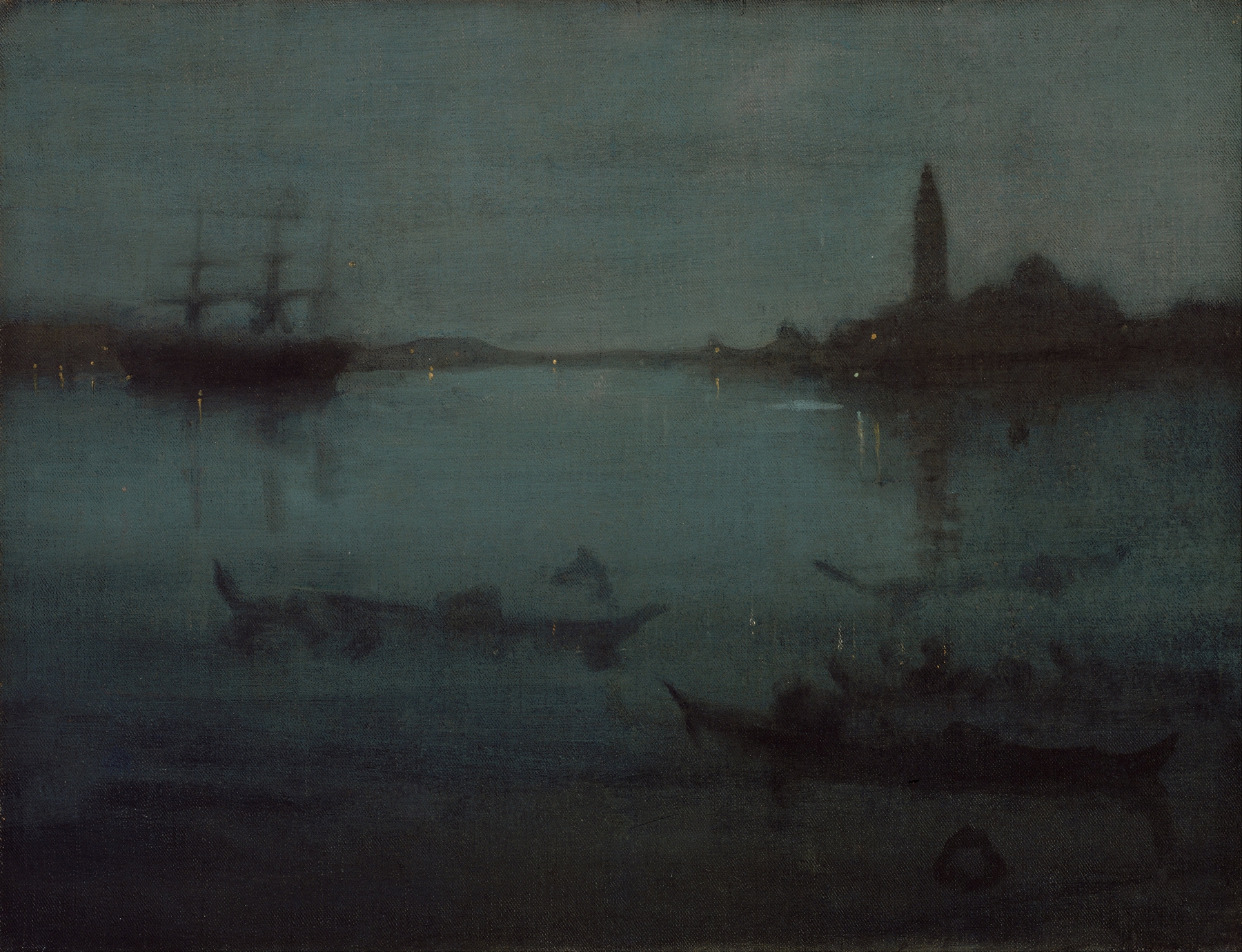
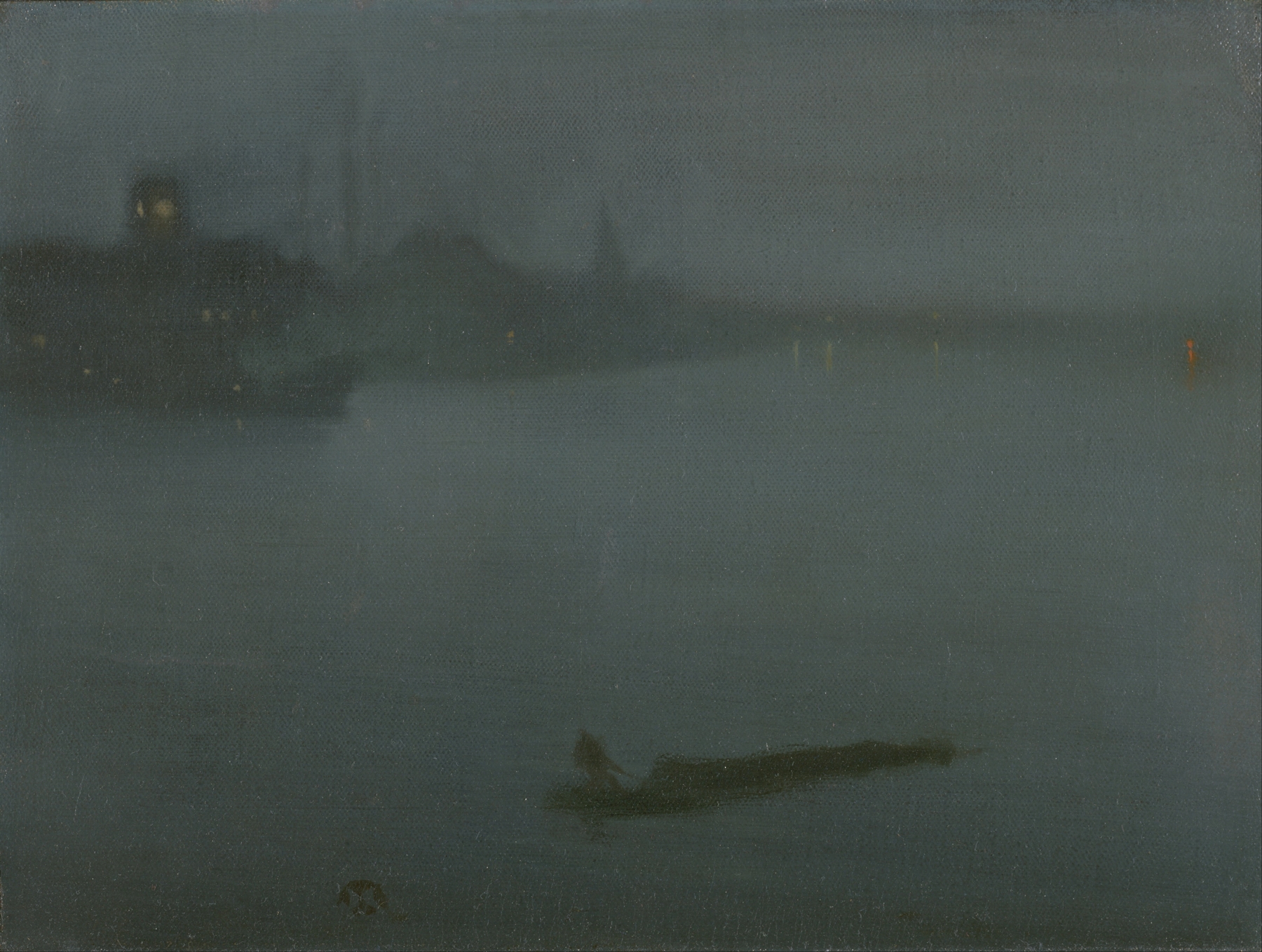
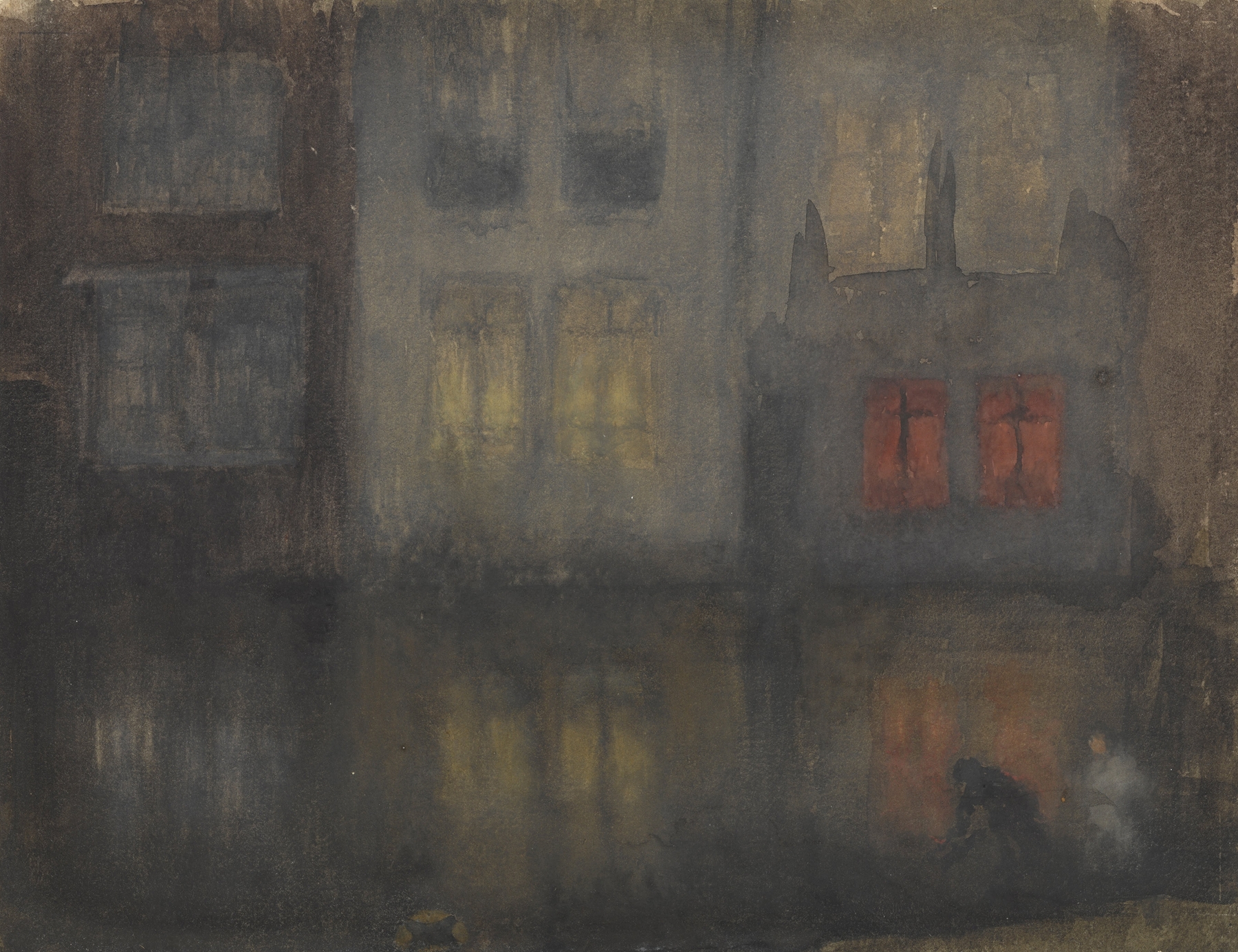
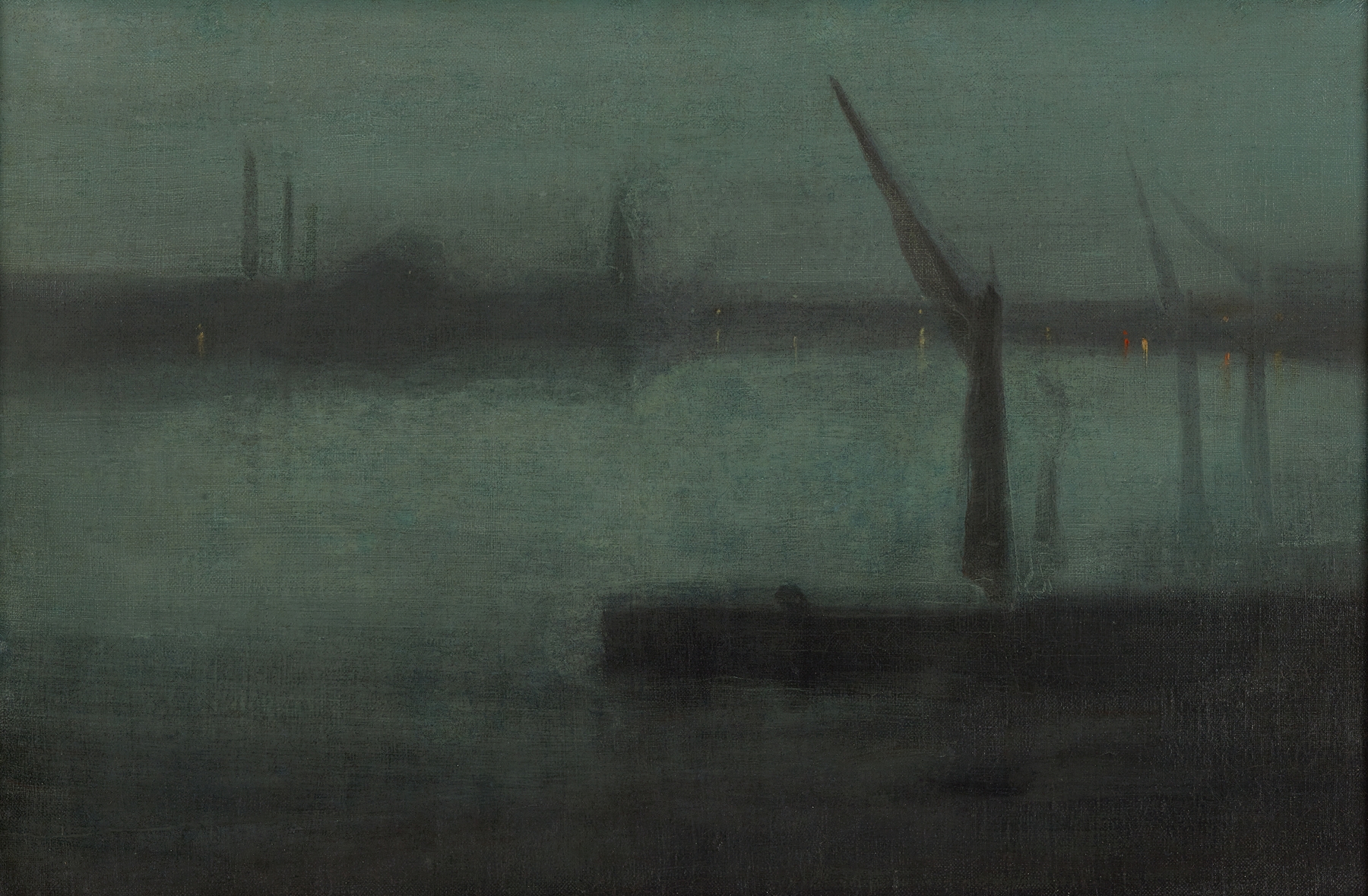
Can paint confess what words never could? In Old Battersea Bridge, the artist captures an unsettling stillness that reverberates with the tension of an unspoken past, inviting viewers to ponder the violence hidden beneath the surface of tranquility. Look to the center where the bridge arches gracefully above the water, its Iron structure juxtaposed with the soft, muted colors of the sky. Delicate brushstrokes blend hues of gray and blue, creating an ethereal atmosphere that envelops the scene. Notice how the light interacts with the river’s surface, glimmering like fractured glass, hinting at the underlying turmoil beneath the placid façade.
The somber palette evokes a sense of nostalgia, as if the bridge bears witness to countless stories, some of which are steeped in darkness. As you delve deeper, observe the contrasting elements—static structures and flowing water, tranquility and tumult. The bridge, a symbol of connection, stands vigil over the river, representing the delicate balance between life’s beauty and its hidden perils. Each stroke reveals a history steeped in the violence of time and change, as the river flows relentlessly forward, eroding the past while embracing the present.
The composition invites contemplation, urging viewers to confront the emotional weight concealed within the serene exterior. In the late 19th century, Whistler painted this work during a period of personal and professional upheaval. Living in London, he was navigating the complexities of the art world, grappling with public perception and his pursuit of aesthetic innovation. This painting, created between 1879 and 1887, reflects not only his artistic evolution but also the broader cultural shifts of the era, where the industrial landscape of London was undergoing profound transformations.