Nocturne: Grey and Gold–Canal, Holland — History & Analysis
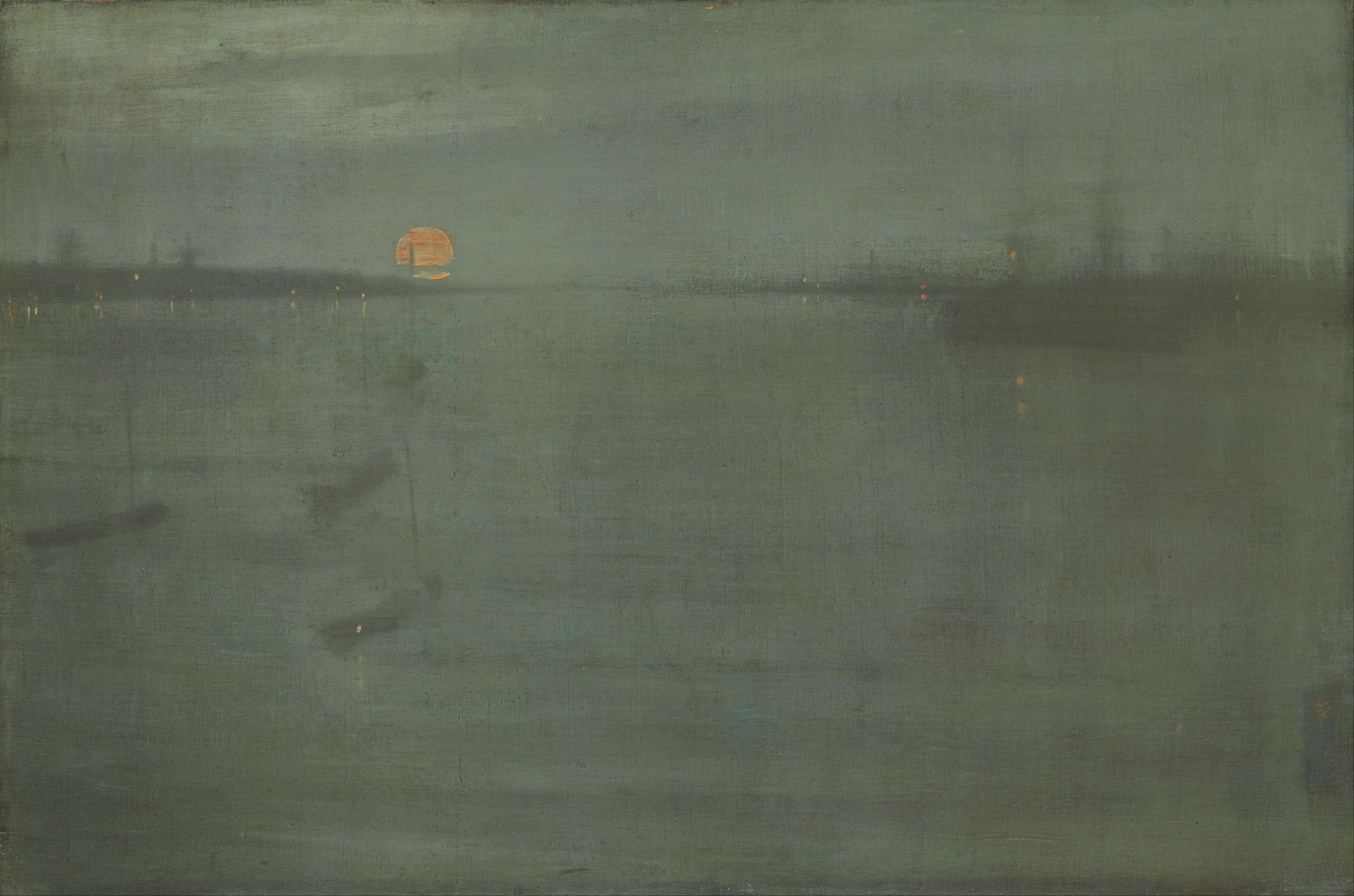
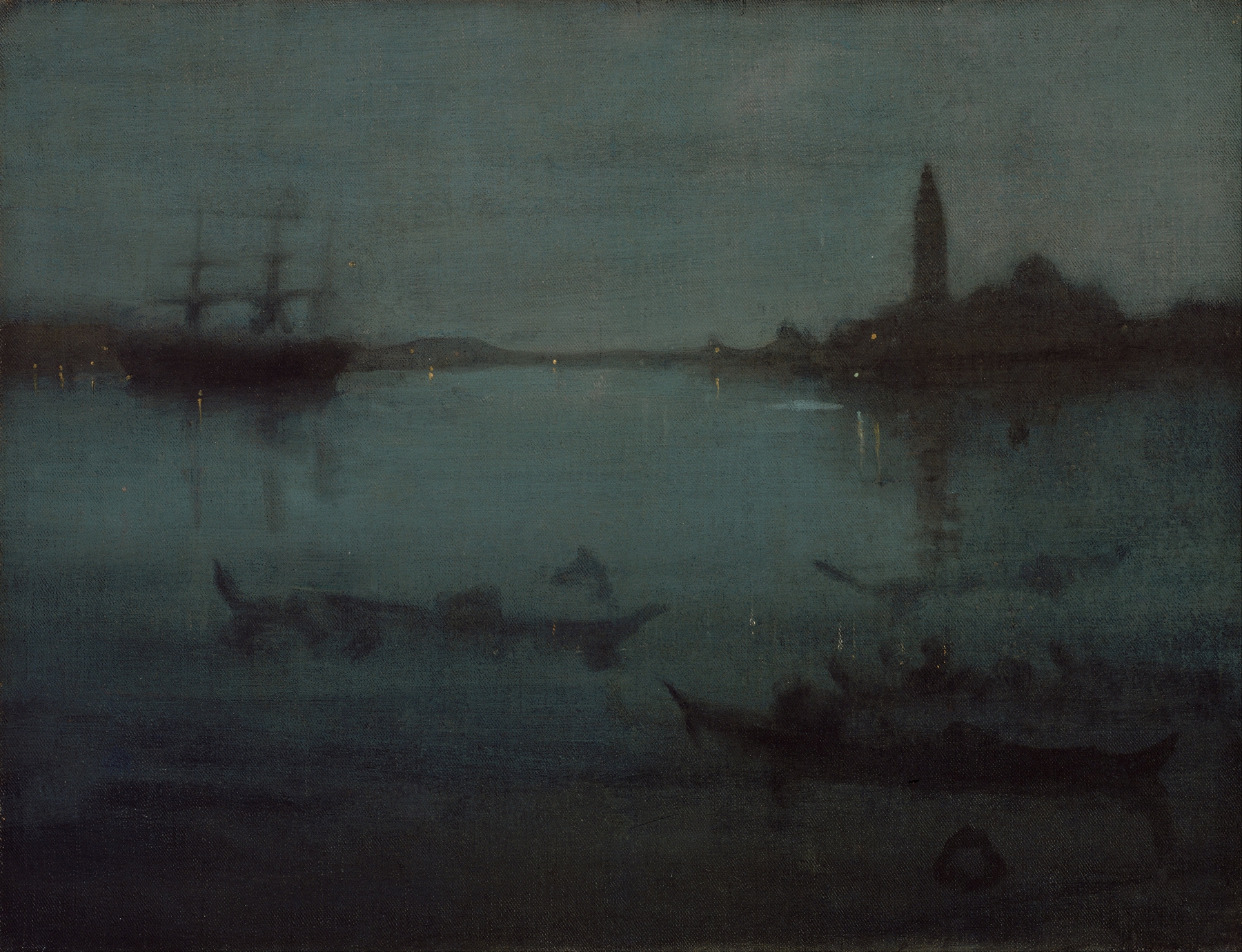
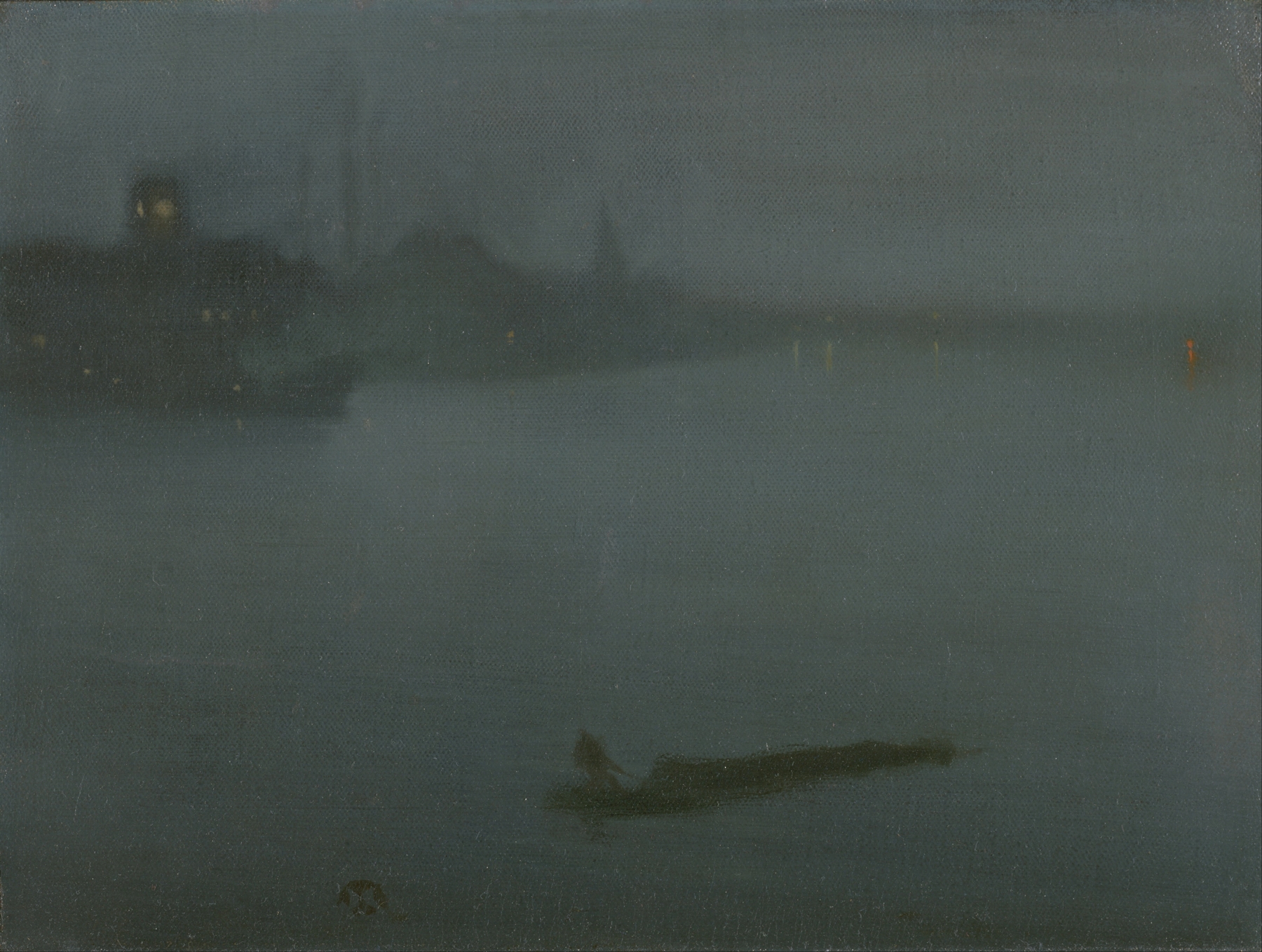
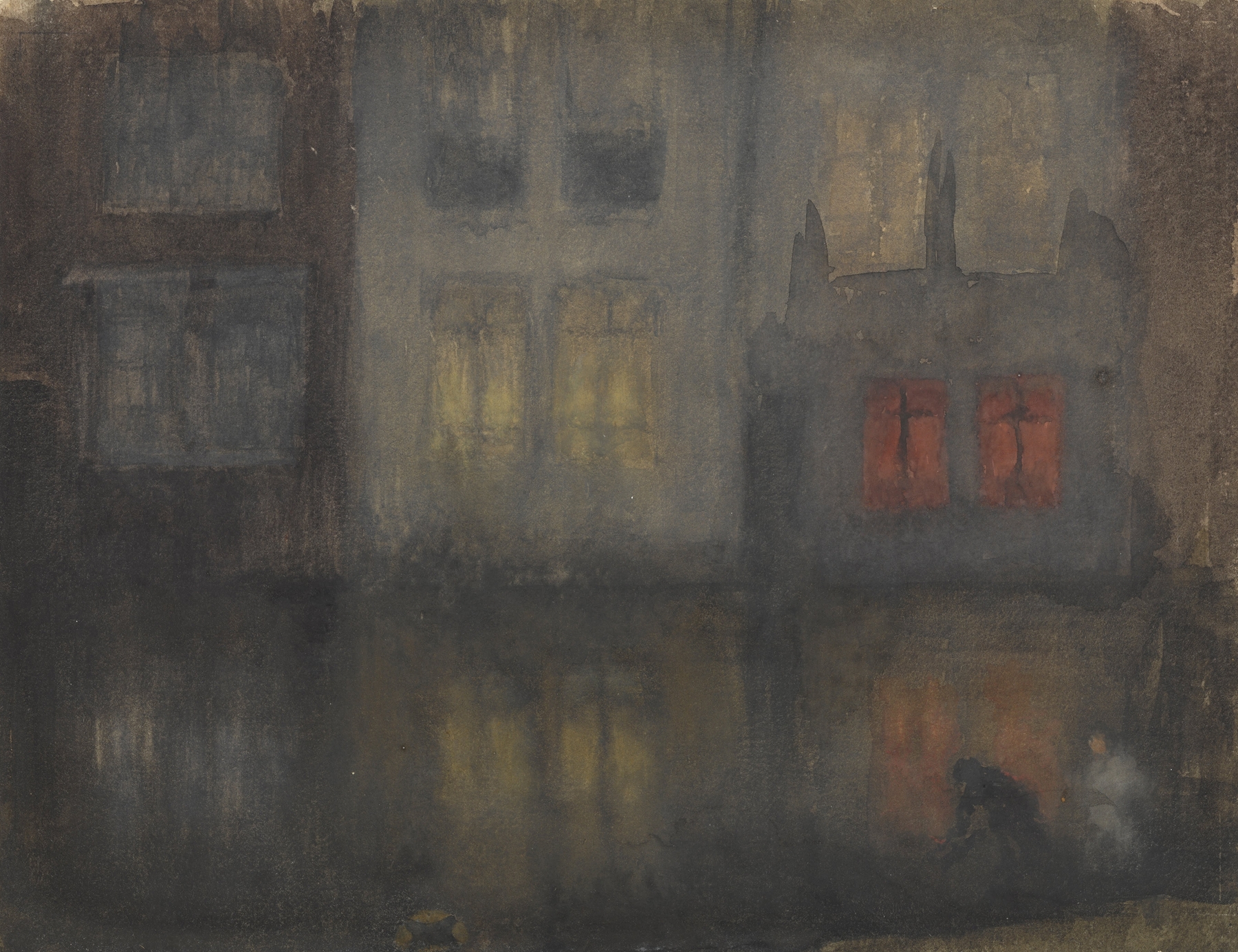
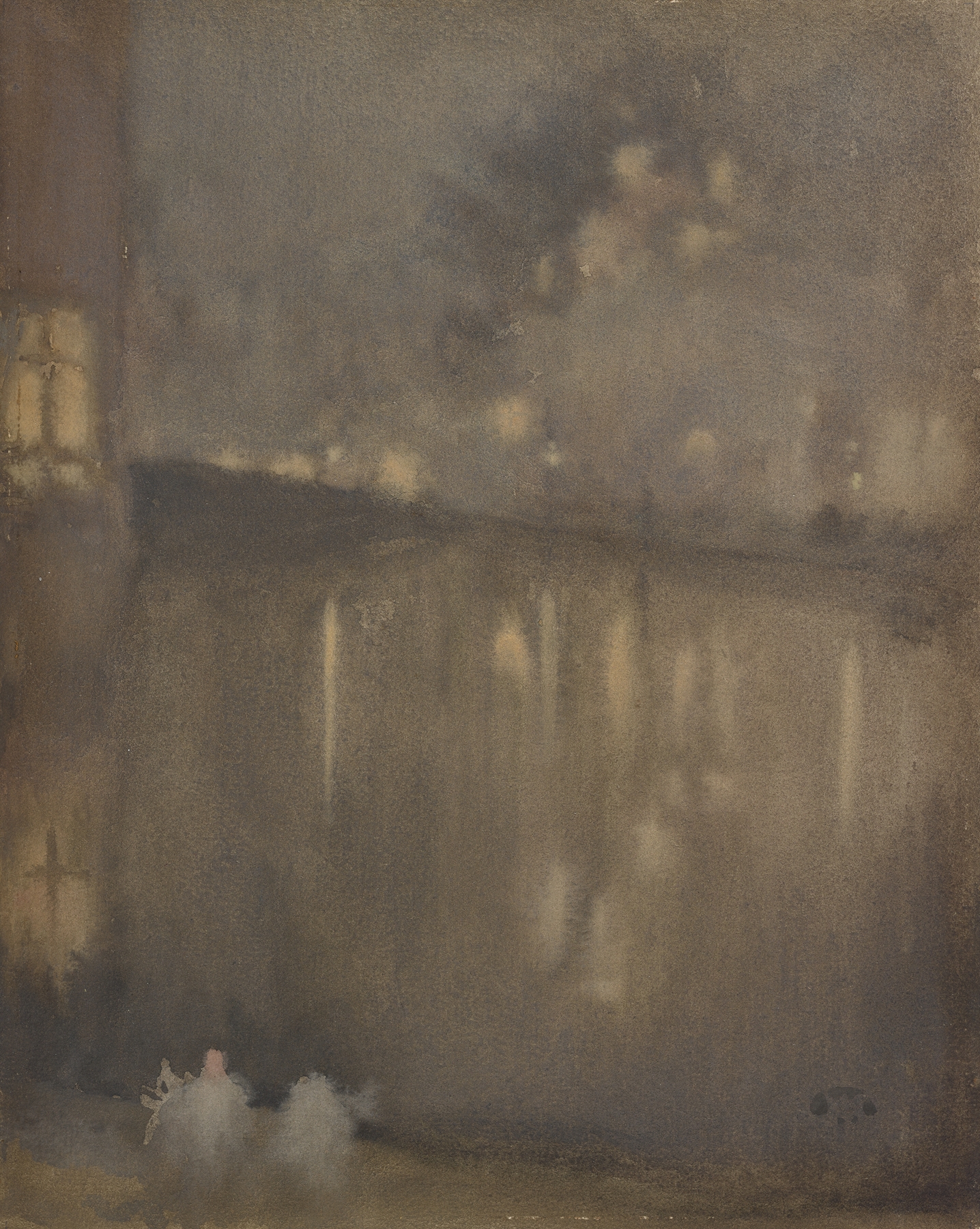
When did color learn to lie? The shimmering surface of the water, poised between twilight and darkness, invites us to explore the emptiness that stretches across the canvas. Each hue whispers secrets, while the quiet plays tricks on our perception, blurring the lines between reality and illusion. Look to the left at the delicate strokes that form the ethereal sky, a blend of soft greys and muted golds, which seem to suspend the moment in time.
Notice how the light flickers across the water’s surface, reflecting an almost dreamlike quality, while the silhouettes of the distant boats gently recede into obscurity. The composition is a masterful balance of color and form, inviting the viewer to linger in the space between the known and the unknowable. Deep within this nocturnal scene lies an emotional dichotomy: the serenity of the water contrasts sharply with an underlying sense of solitude. The tranquility of the canal evokes peace, yet the absence of human presence suggests an aching emptiness, as if time itself has paused.
Each brushstroke serves as a reminder of fleeting moments, disappearing like wisps of smoke in the night, beckoning us to confront our own sense of isolation amid beauty. In 1882, Whistler painted this work while living in London, a time when he was navigating the complexities of personal and professional challenges. Emerging from the influence of the Aesthetic Movement, he sought to capture the essence of beauty through color and form, rather than literal representation. This period was marked by Whistler's evolving artistic philosophy, embracing the idea that art should evoke emotional resonance rather than merely depict the world around him.