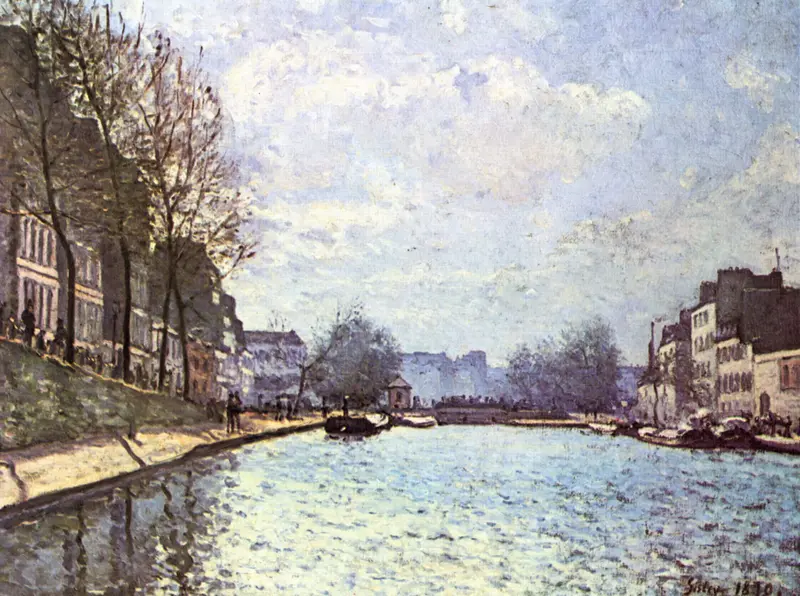
Gur Emir mausoleum. Samarkand — History & Facts
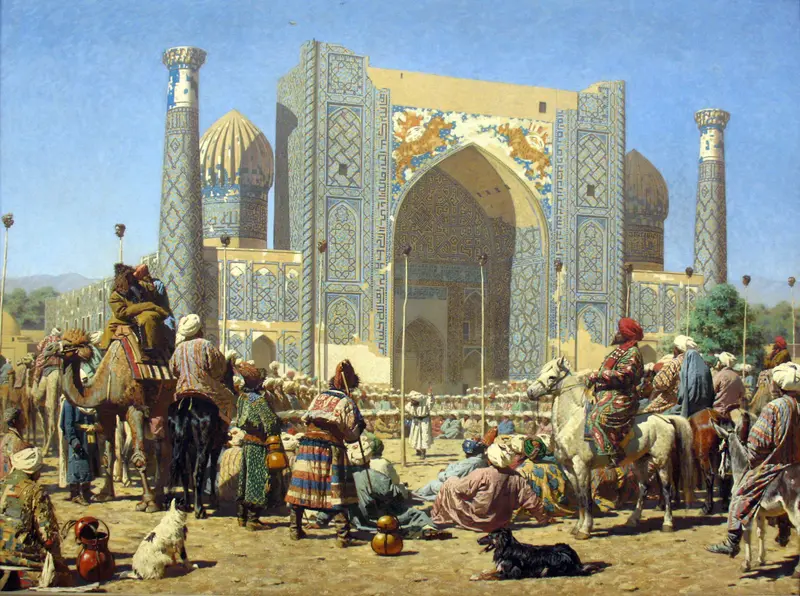
What if beauty was never meant to be finished? In the heart of a storied city, the unfinished grandeur of a mausoleum whispers of loss, echoing the past in every delicate detail. Look closely at the intricate tile work that adorns the dome's surface. The artist captures a moment suspended in time, with vibrant blues and golds radiating from the structure, drawing your gaze upward. Notice how the shadows play among the ornate patterns, hinting at both completion and incompleteness, as if the very essence of beauty lies in its ephemeral nature. Each crack and crevice tells a story of time's relentless march.
The juxtaposition of vibrant color against the inevitability of decay evokes a poignant tension between the glory of history and the fragility of existence. Here, in this serene space, the allure of unfinished beauty invites contemplation on what has been lost to the passage of time and what might still be reclaimed. Created between 1869 and 1870, this artwork emerged during a period when Vasily Vereshchagin was exploring themes of war and peace, blending his fascination with Eastern cultures while documenting their architectural splendor. Living amidst the shifting political landscapes of the Russian Empire, he infused every brushstroke with a yearning to capture the transient beauty of life, punctuated by the silence that follows loss.
More Artworks by Vasily Vereshchagin
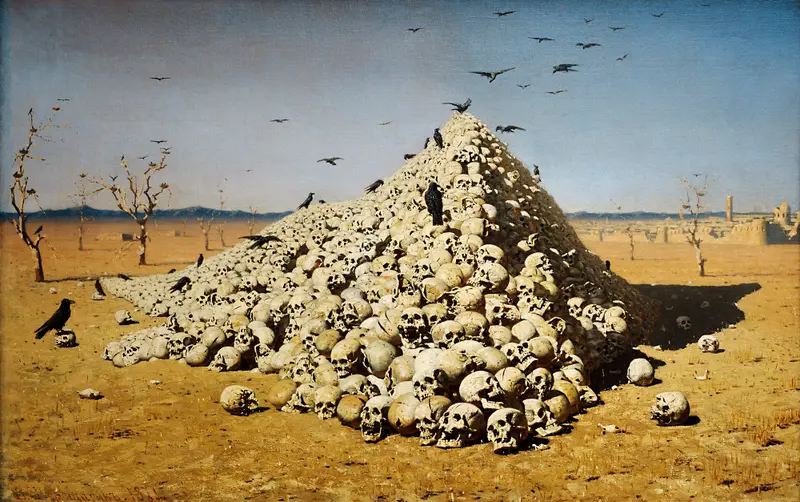
The Apotheosis of War
Vasily Vereshchagin
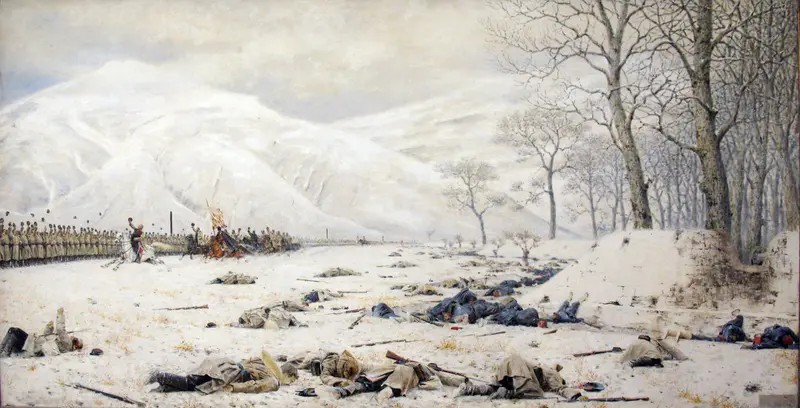
Battlefield at the Shipka
Vasily Vereshchagin
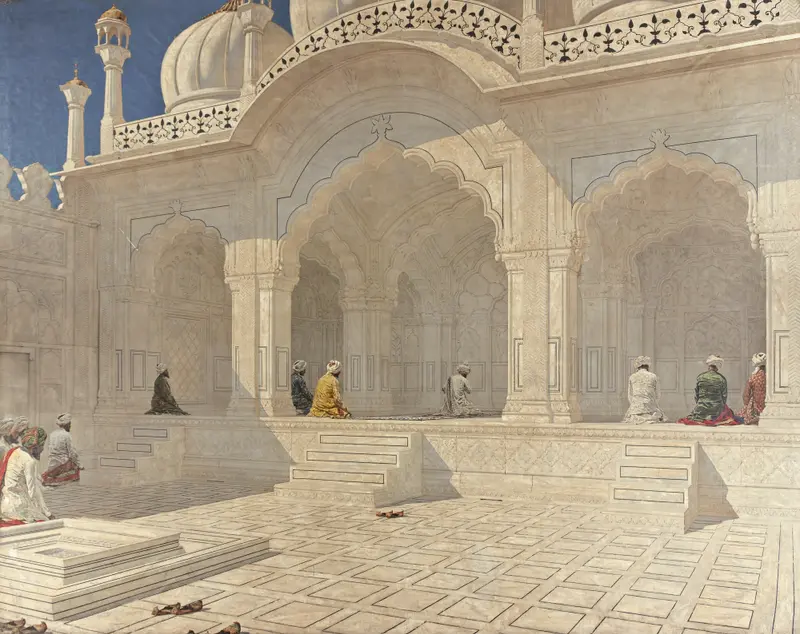
Pearl Mosque At Delhi
Vasily Vereshchagin
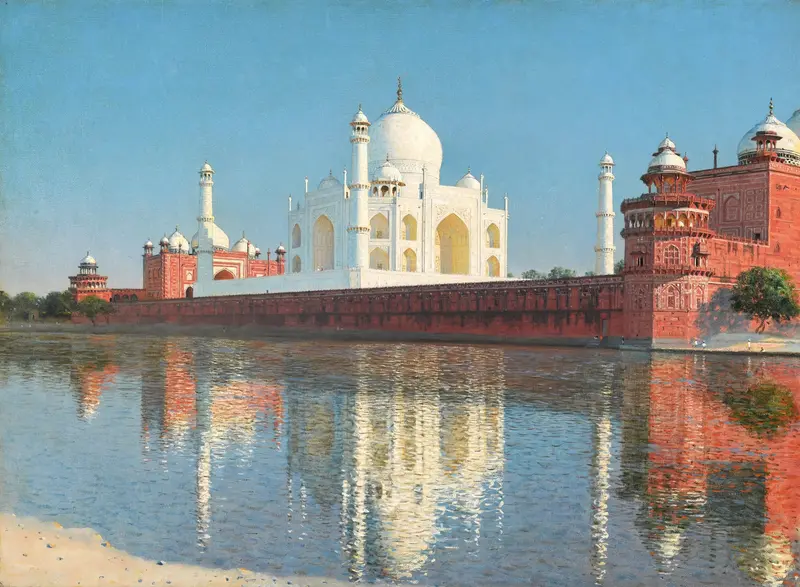
Taj Mahal Mausoleum, Agra
Vasily Vereshchagin
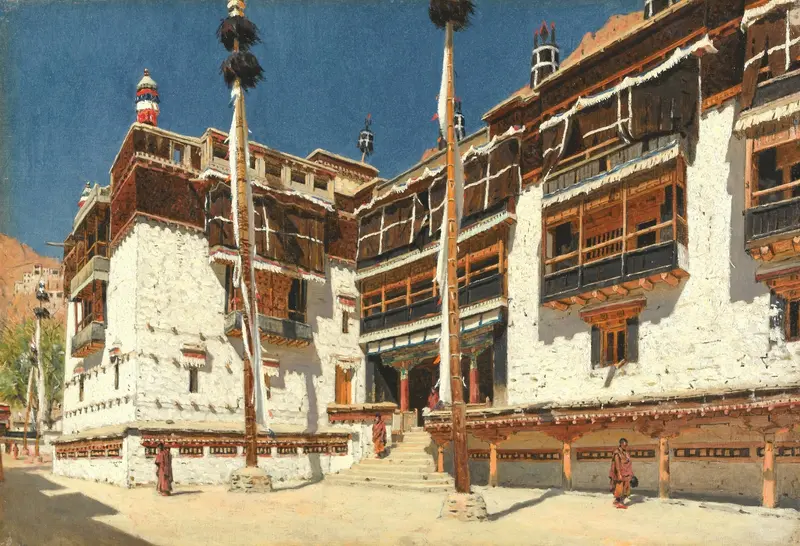
Hemis Monastery in Ladakh
Vasily Vereshchagin

Mortally wounded
Vasily Vereshchagin
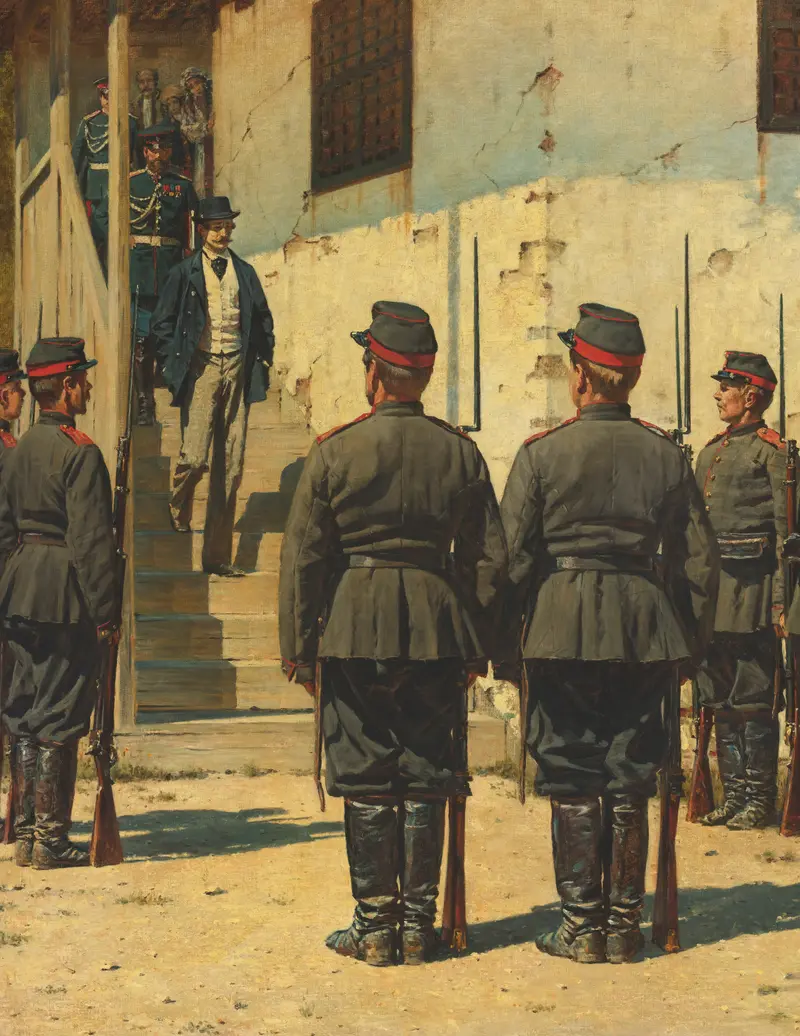
The Spy
Vasily Vereshchagin
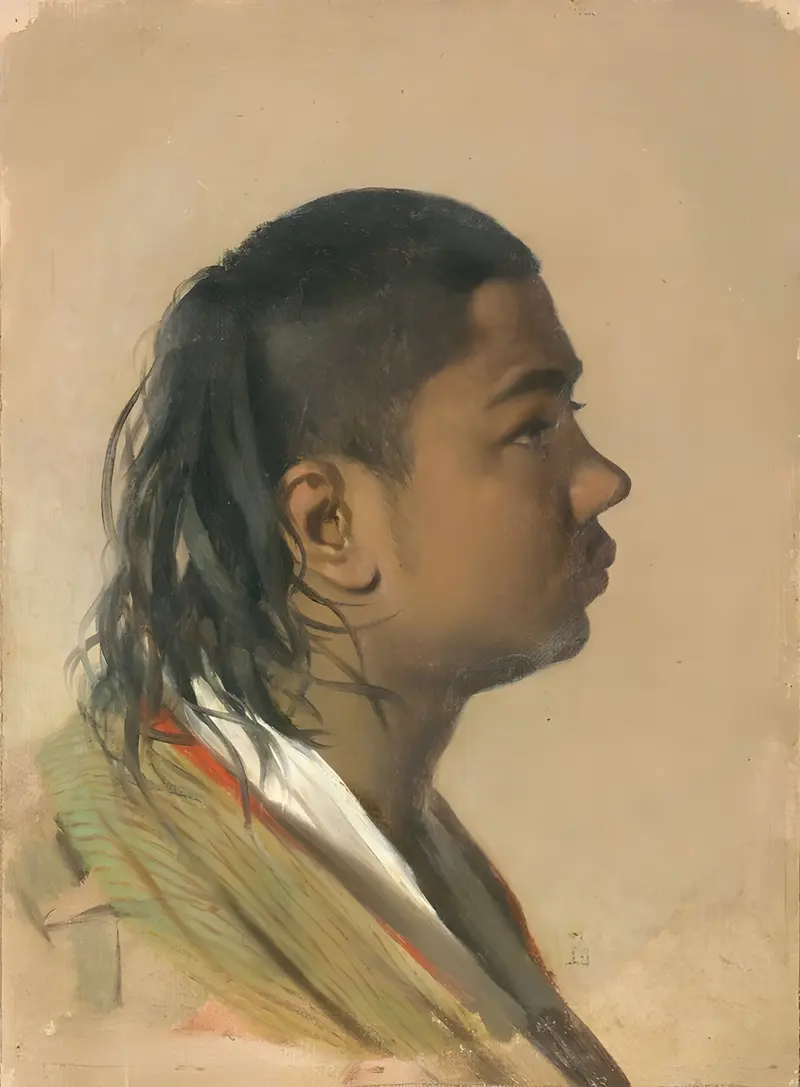
Uzbek boy
Vasily Vereshchagin
They are triumphant
Vasily Vereshchagin
Study for ‘Beggar in Washington’
Vasily Vereshchagin