Haferernte Neuweier — History & Analysis
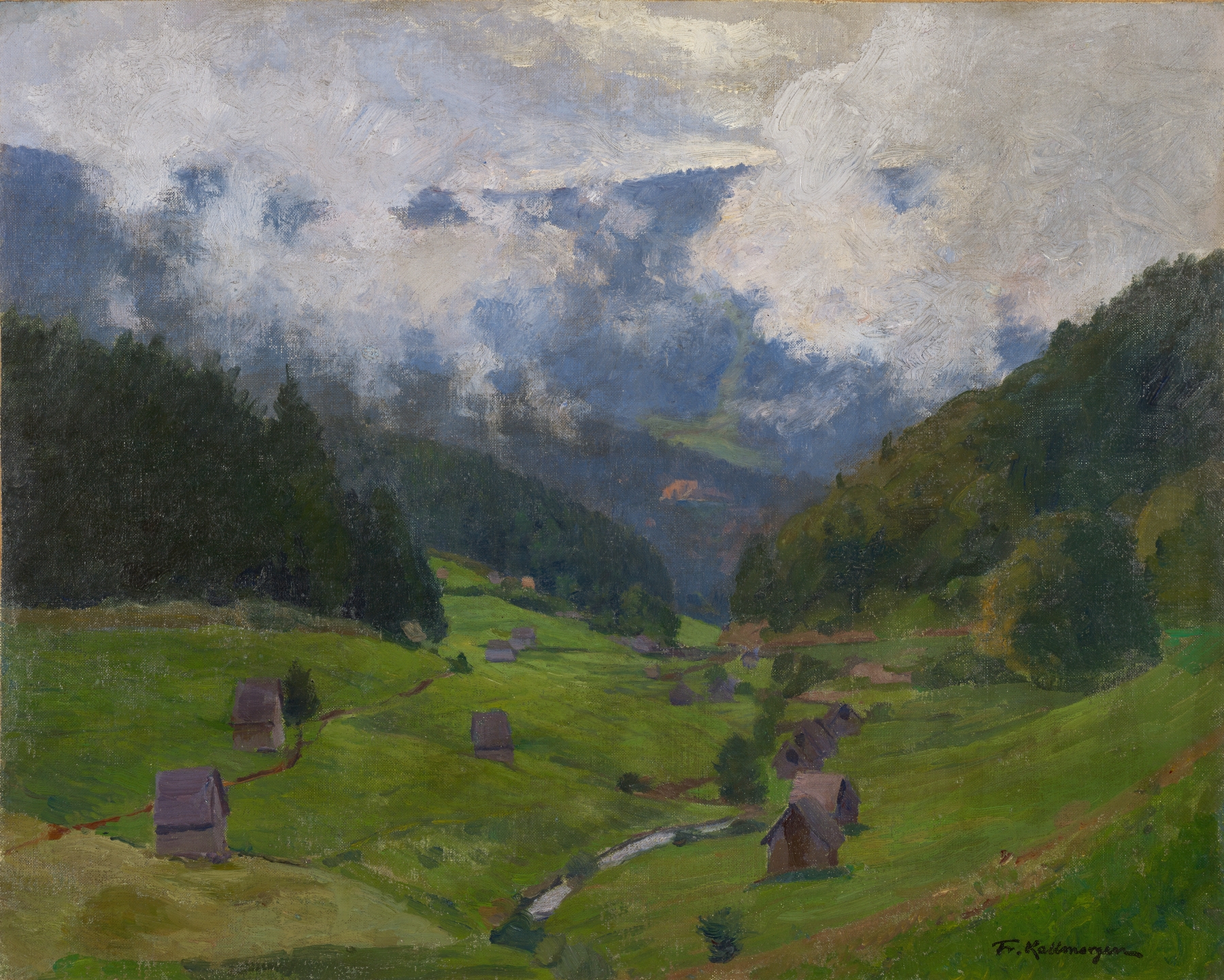
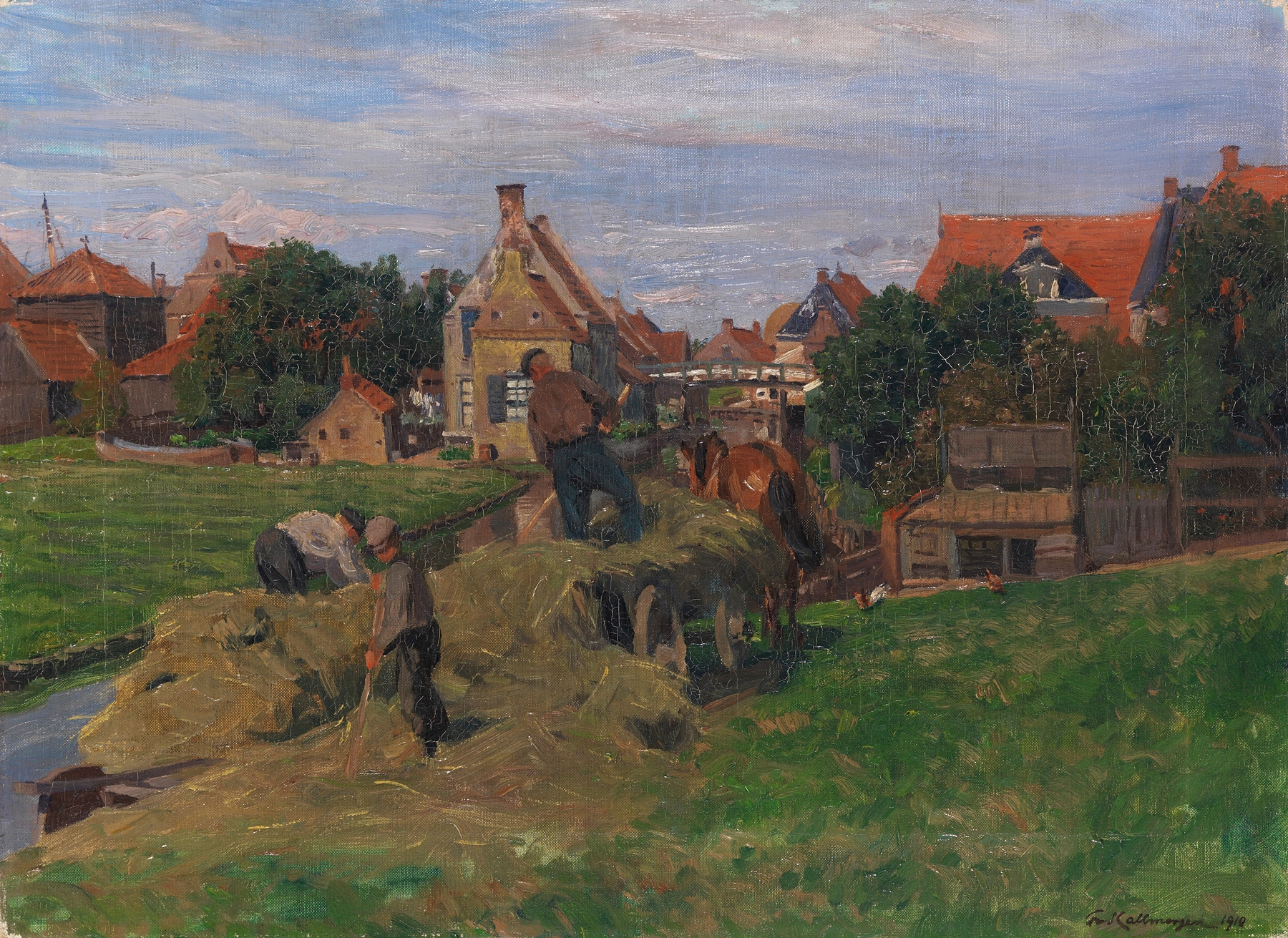
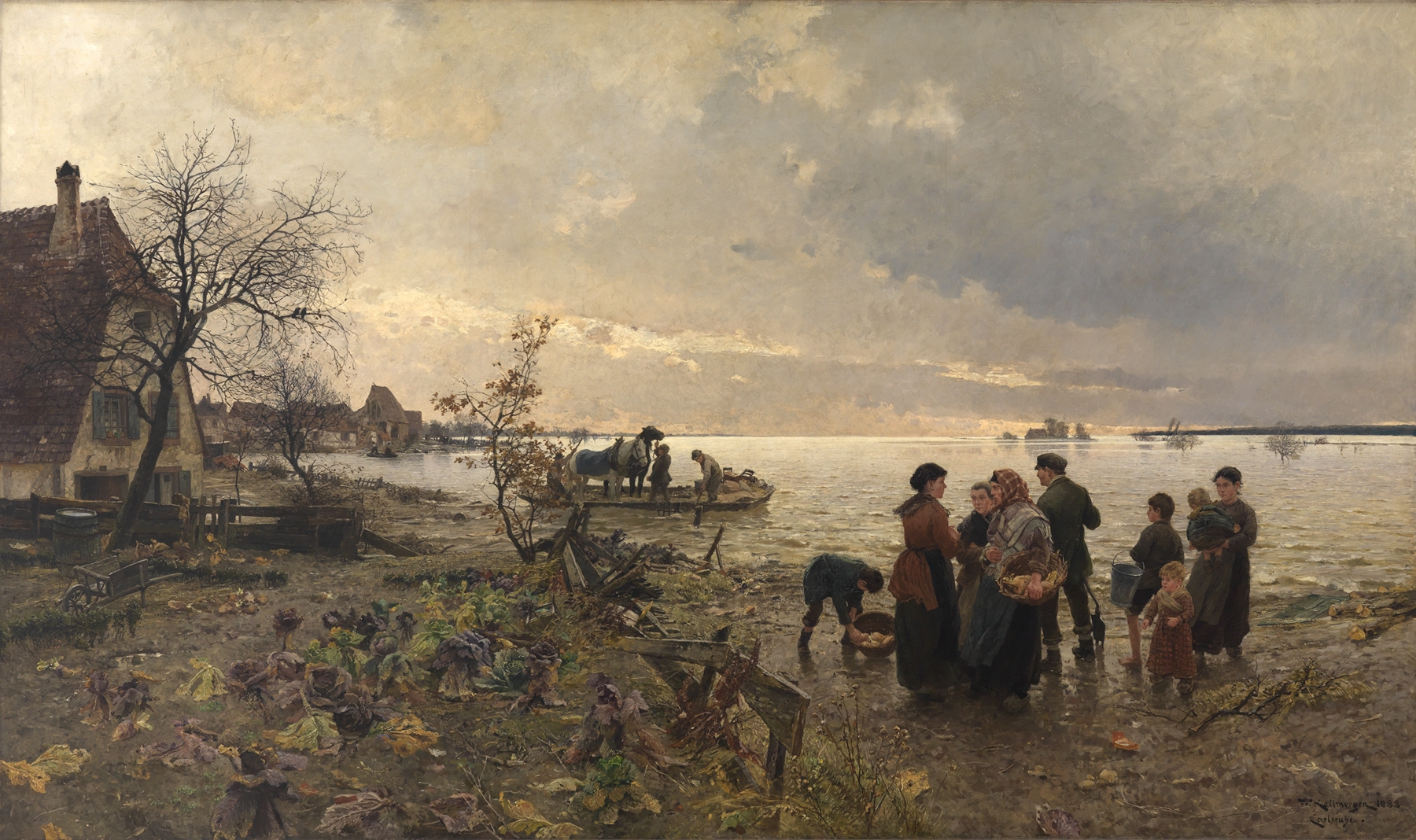
“To paint is to remember what time wants us to forget.” This reflection stirs within us the complexities of memory, a theme both poignant and layered. In Haferernte Neuweier, the past and present intertwine, inviting viewers to engage with the echoes of a moment that might otherwise slip through our grasp. Look closely at the foreground, where workers labor diligently under a warm sun, their gestures capturing the rhythm of the harvest. Notice how the golden hues of the ripe oats sway gently, painted with textured brushstrokes that evoke the tactile quality of the grain.
The soft light filters through the trees in the background, creating a delicate interplay of shadow and illumination, emphasizing not just the scene’s beauty but its fleeting nature. Delve deeper into the composition, where the figures appear both harmonious and slightly isolated, reflecting the tension between human toil and nature’s grandeur. The placement of the workers along the horizon suggests an endless cycle of labor, a connection to the land that is both nurturing and demanding. Each brushstroke conveys a sense of nostalgia, evoking not just the act of harvesting, but a collective memory of rural life, of seasons passed and the persistence of human effort.
Friedrich Kallmorgen painted this scene in 1880, during a period marked by industrial growth and changing landscapes in Germany. At this time, the artist was immersed in the Romantic ideals that celebrated nature and the agrarian lifestyle, contrasting sharply with the encroaching modernity. His works often reflect a longing for simpler times, and Haferernte Neuweier stands as a testament to the importance of preserving these memories amid the whirlwind of progress.