Halt of the Caravan — History & Analysis
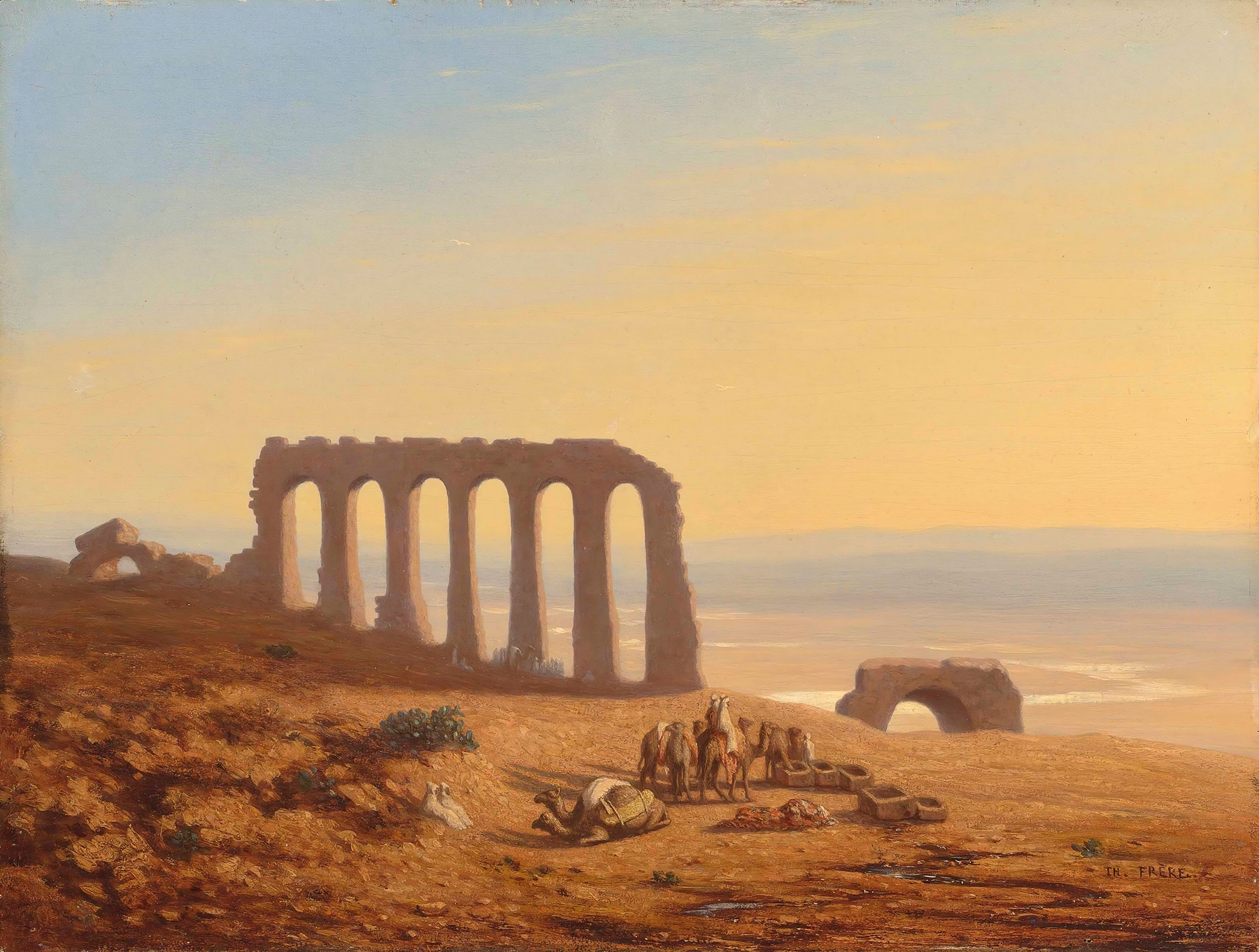
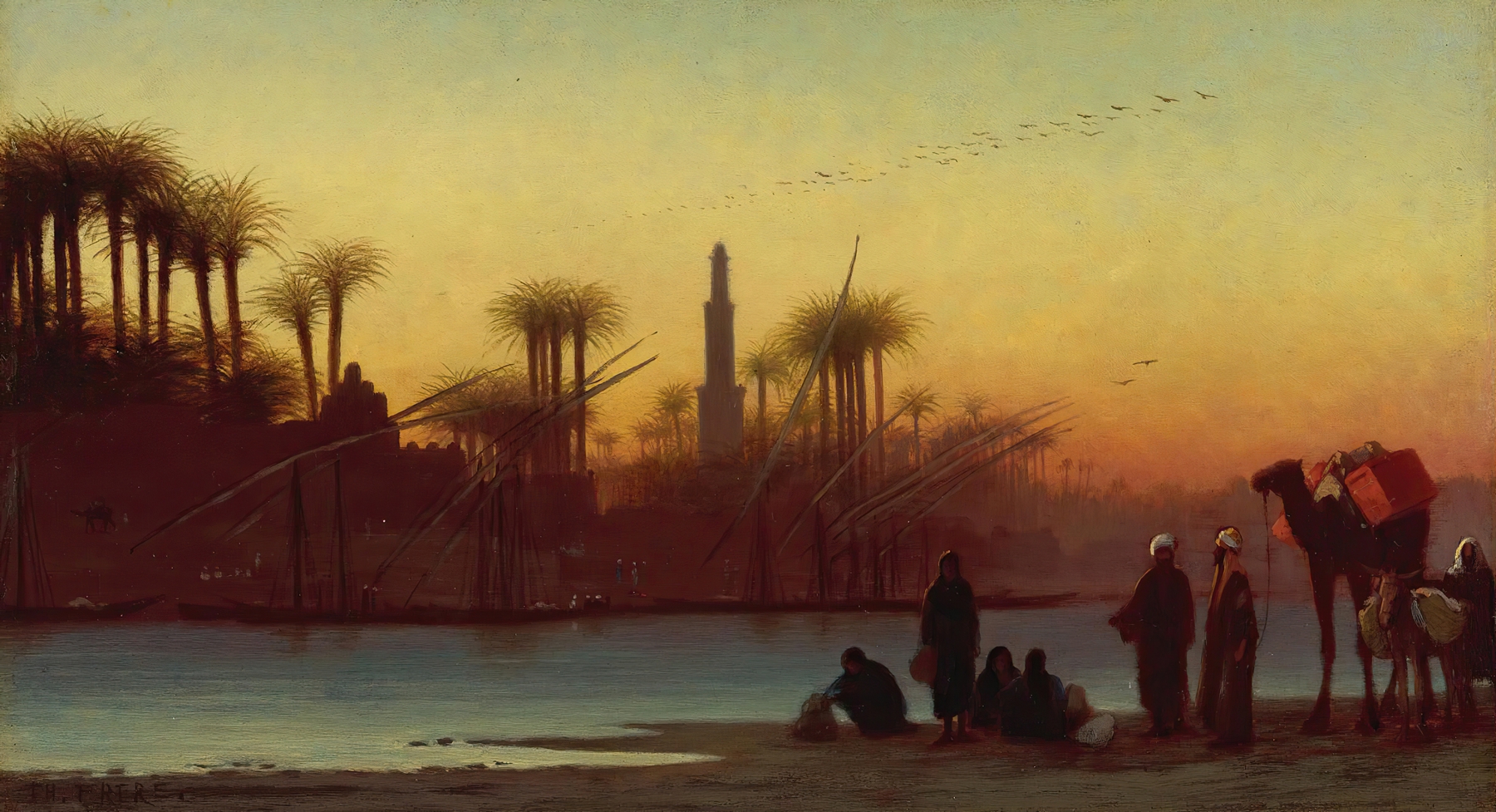
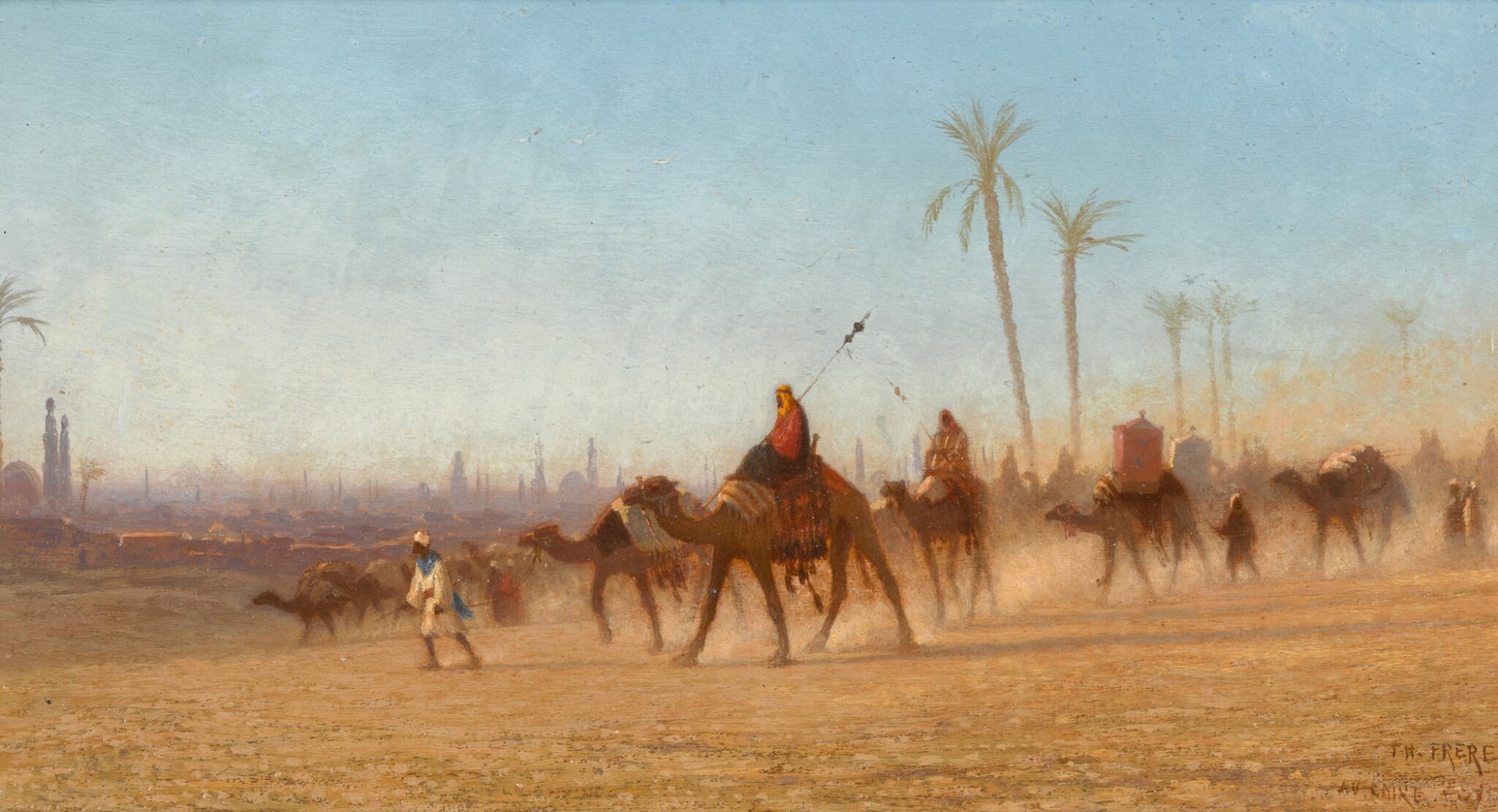
Where does light end, and longing begin? This question lingers in the air, echoing the silent tales of trust and treachery that dwell within every journey. Focus on the golden blend of warm hues that envelop the caravan, casting a nostalgic glow over the figures clothed in richly textured fabrics. The lead camel, its long shadow stretching across the parched earth, draws your gaze toward the horizon where the sun lingers, almost mocking in its beauty.
Notice how the figures, lost in animated conversation, radiate a sense of both camaraderie and unspoken tension, their gestures revealing alliances formed and broken. The delicate balance between light and shadow accentuates this emotional duality, hinting at a deeper narrative beneath the surface of their outward display. In the composition, the interplay of light signifies hope while the weary expressions of the travelers betray a lingering doubt. The path ahead, illuminated by the sun’s soft embrace, contrasts sharply with the dusty road they tread, suggesting that each step forward could lead to both discovery and disillusionment.
A lone figure stands slightly apart—his posture and gaze reveal a hidden agenda, casting a shadow of betrayal that ripples through the group, a silent reminder that not all journeys end in trust. Frère painted this piece during a period of exploration and cultural shift in 19th-century France, where the fascination with exotic landscapes and narratives was palpable. Living in Paris, he was immersed in a world brimming with artistic innovation and the influence of Romanticism, which sought to express emotional truths and depict the human experience. Although the exact date of this work is unknown, it reflects the artist's ongoing engagement with themes of adventure and the complex dynamics of human relationships against the backdrop of distant lands.