Haven met zeilschepen en zeelieden op de kade — History & Analysis
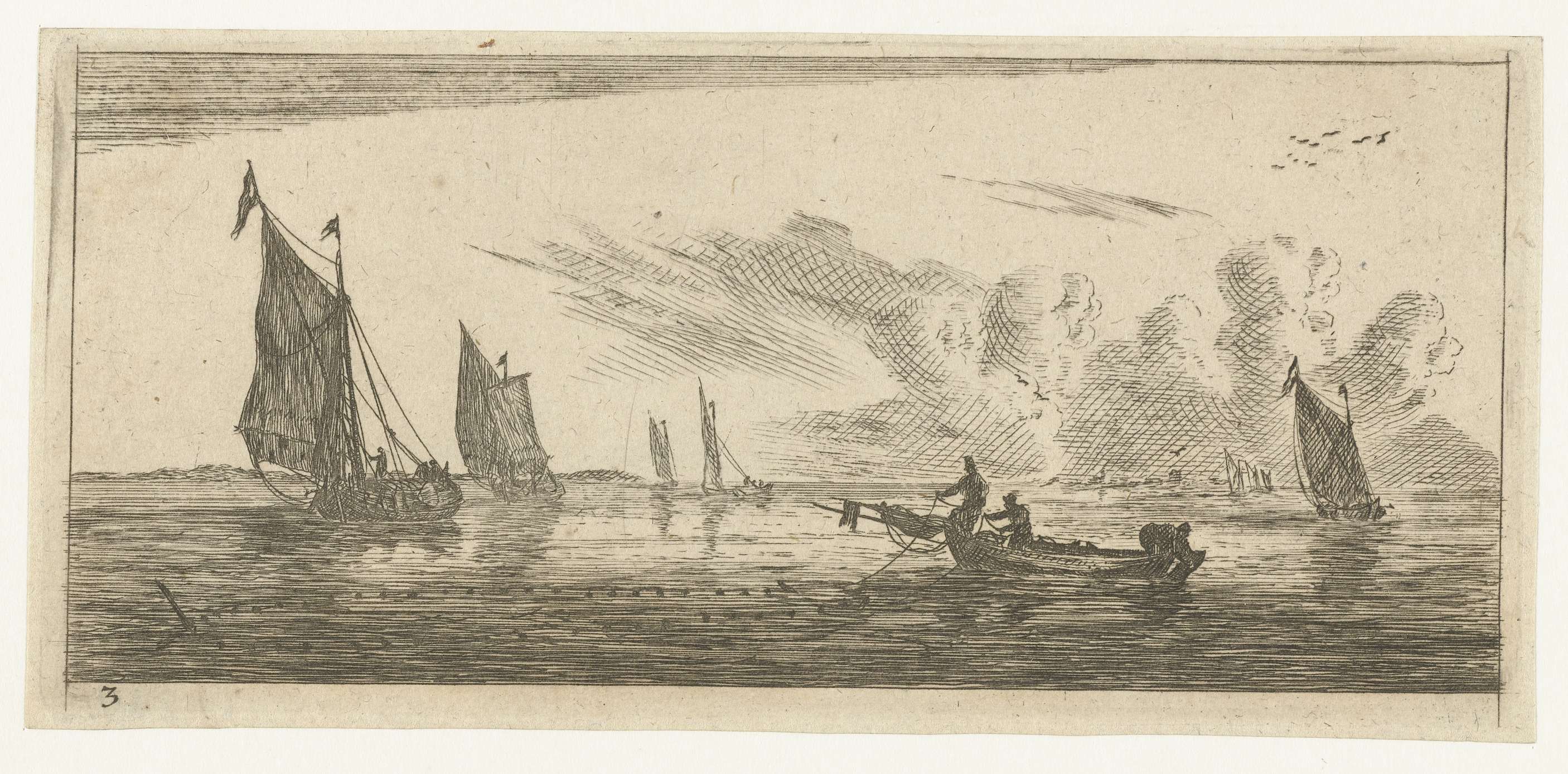
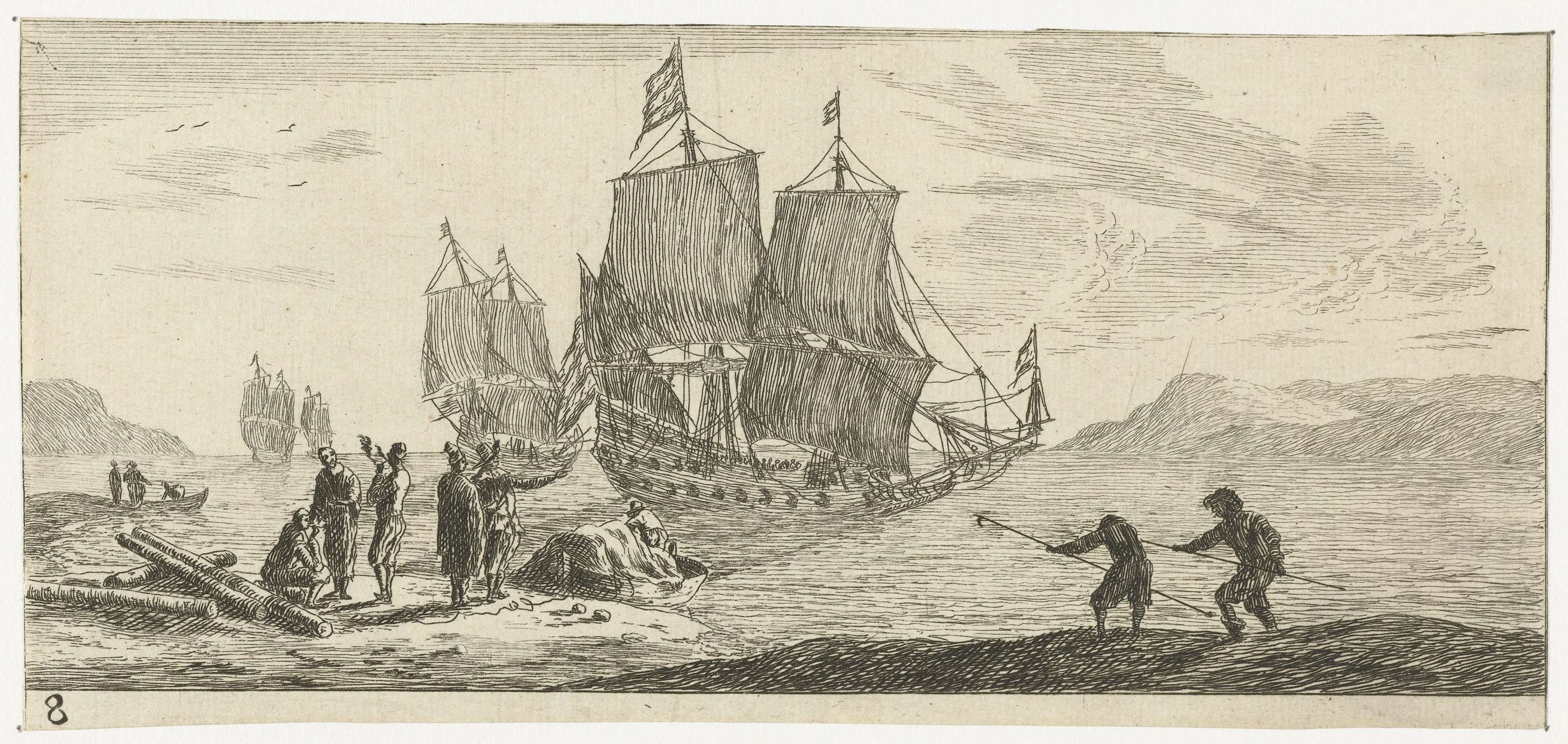
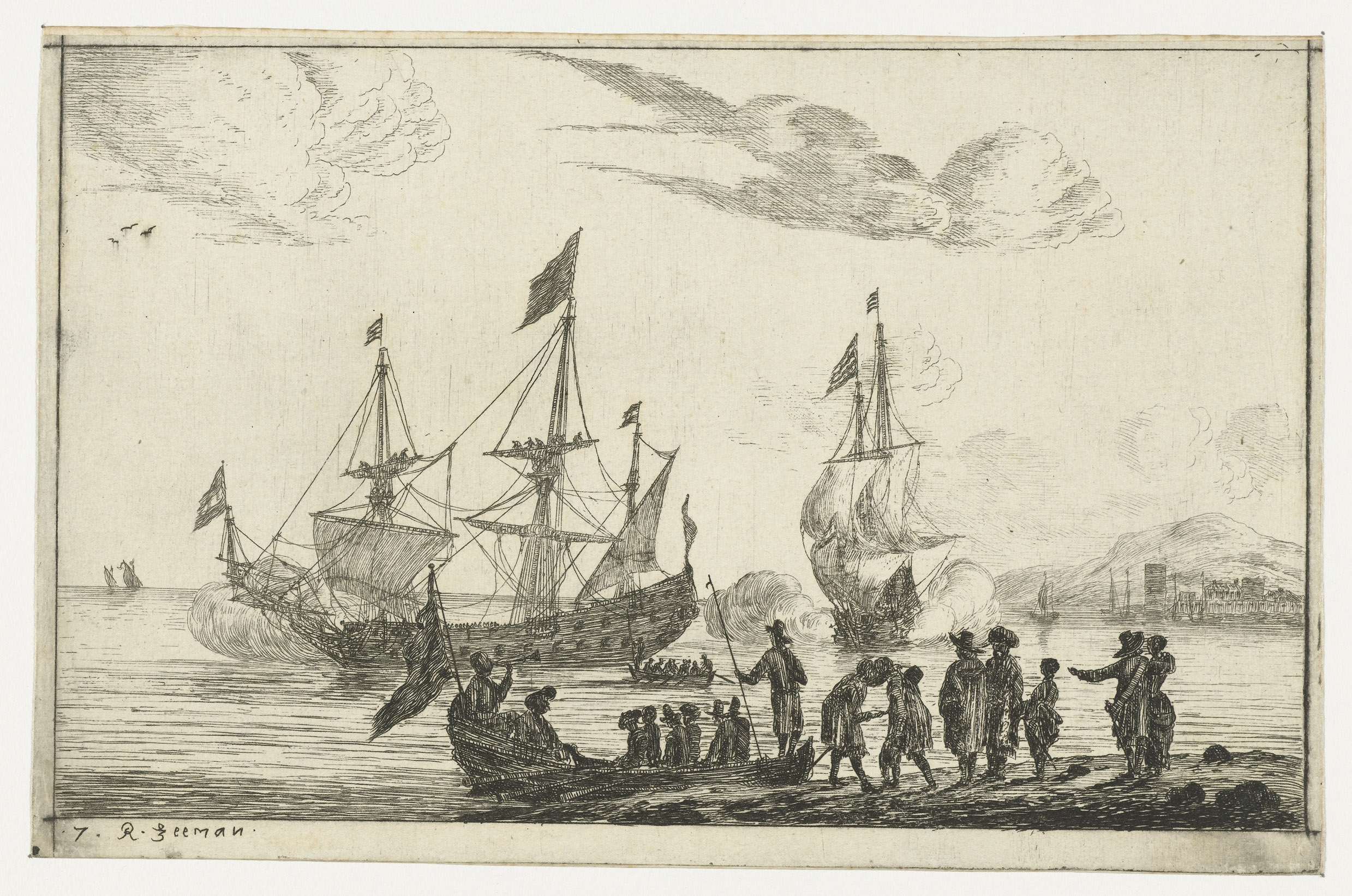
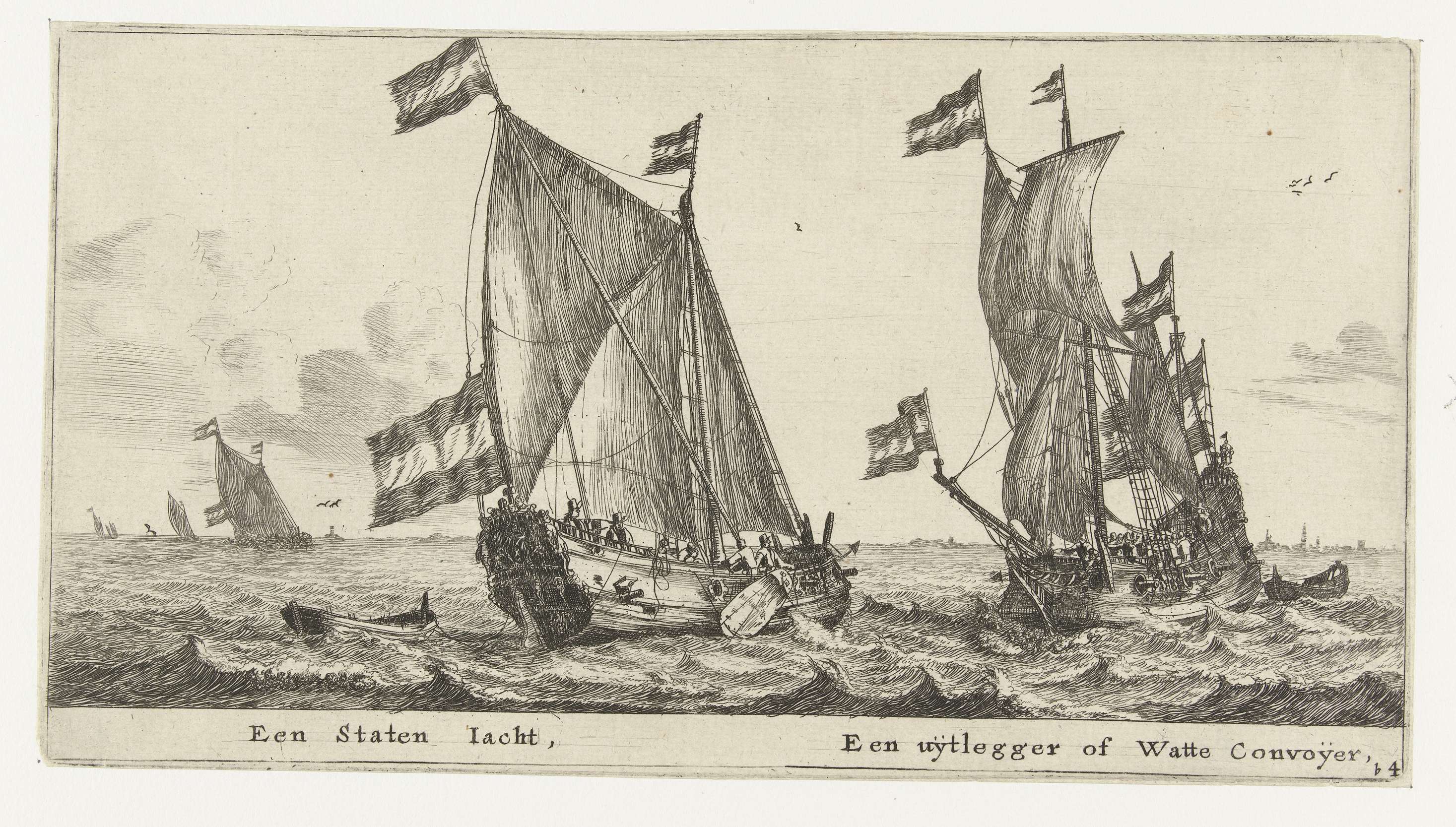
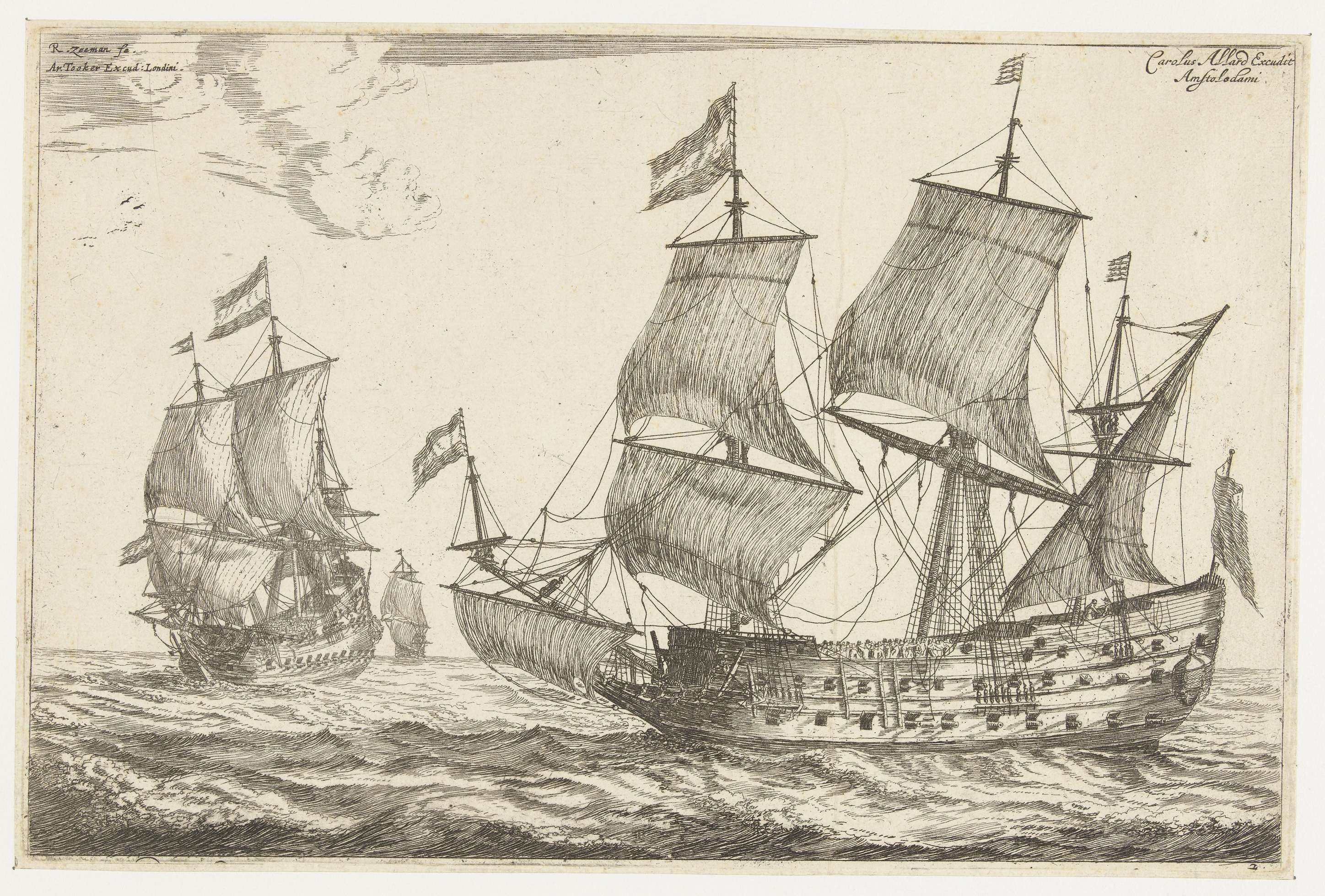
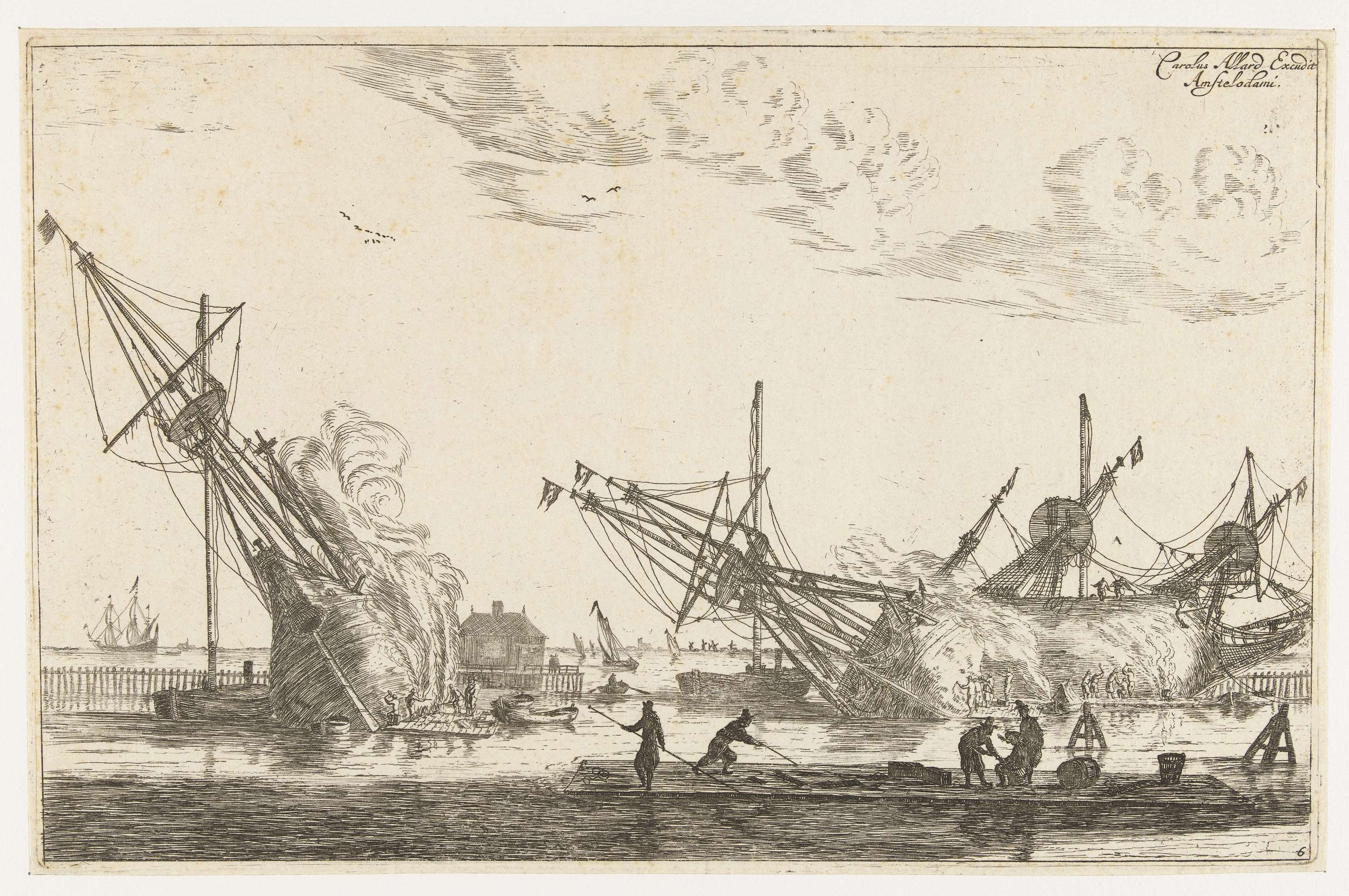
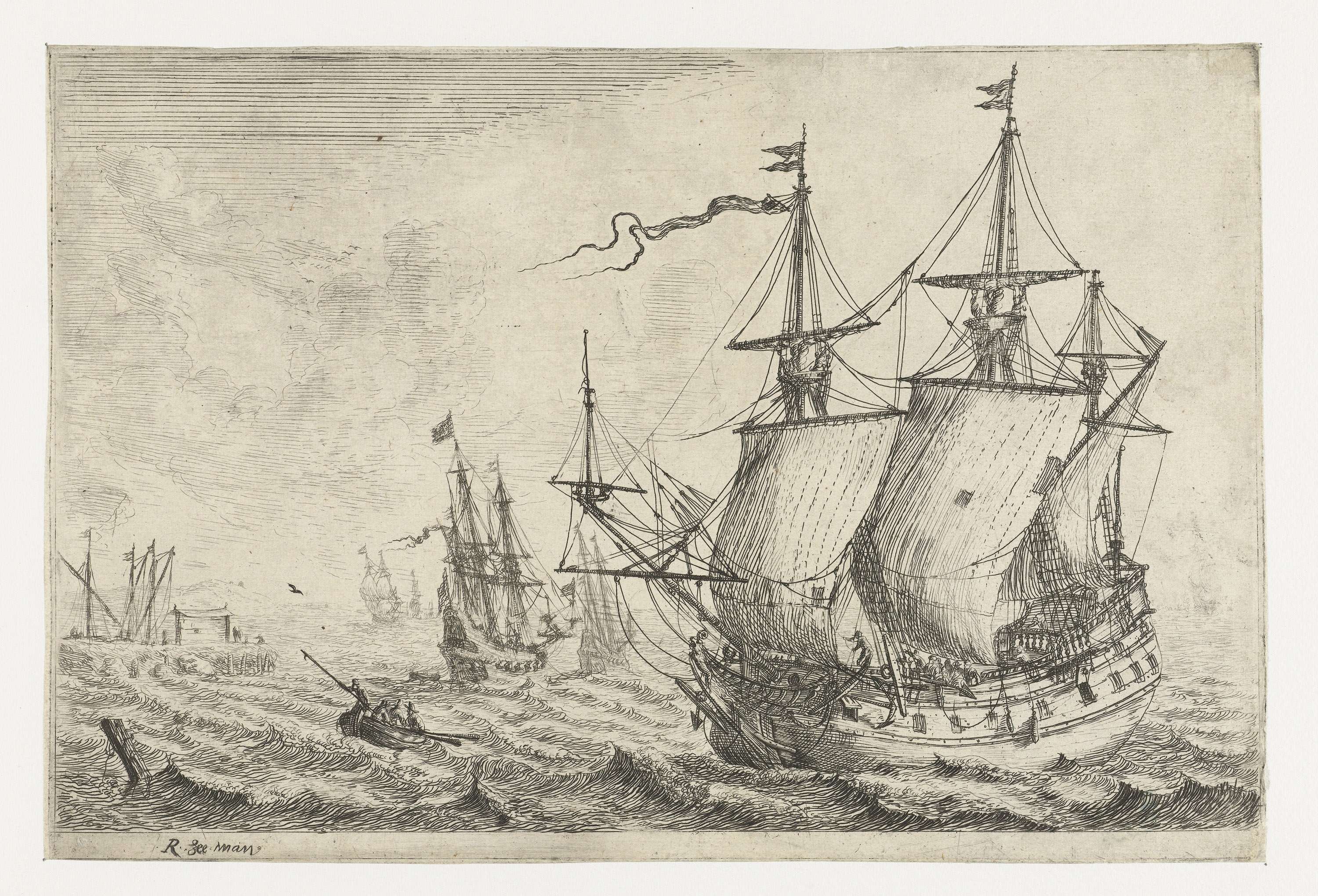
Could a single brushstroke hold eternity? In Reinier Nooms’ Haven met zeilschepen en zeelieden op de kade, the essence of life's transience is captured through masterful strokes that suggest both the vibrancy and fragility of a moment on the water's edge. Each wave seemed to whisper secrets of the past, pulsing with life yet teetering on the brink of stillness. Look to the left at the tall masts of the ships, their sails billowing gently in the imagined breeze. The interplay of light and shadow dances across the vessels, illuminating the rich hues of the water and the earthy tones of the dock.
Notice how Nooms layers warm ochres and deep blues, creating a sense of dynamic movement that grounds the scene while drawing the eye toward the bustling figures of seamen. This meticulous attention to detail anchors the viewer in the moment, inviting a deep engagement with the composition. Beneath the bustling activity lies a poignant exploration of human connection and isolation. The men, engrossed in their labor, are simultaneously part of a larger world and isolated in their individual tasks.
This juxtaposition of camaraderie against the backdrop of the vast sea reflects the fragility of existence, reminding us how easily moments can slip away. The sailboats, both majestic and vulnerable, echo the fleeting nature of the present, hinting at the ever-changing tides of life. Painted in 1656 while Nooms was active in Amsterdam, Haven met zeilschepen en zeelieden op de kade emerged during a time when Dutch maritime trade flourished and the art world was shifting toward realism. This period saw a growing interest in capturing daily life and the interplay between nature and humanity, a reflection of societal progress and the artist's deep engagement with the vibrancy of his surroundings.