Haymarket Theatre — History & Analysis
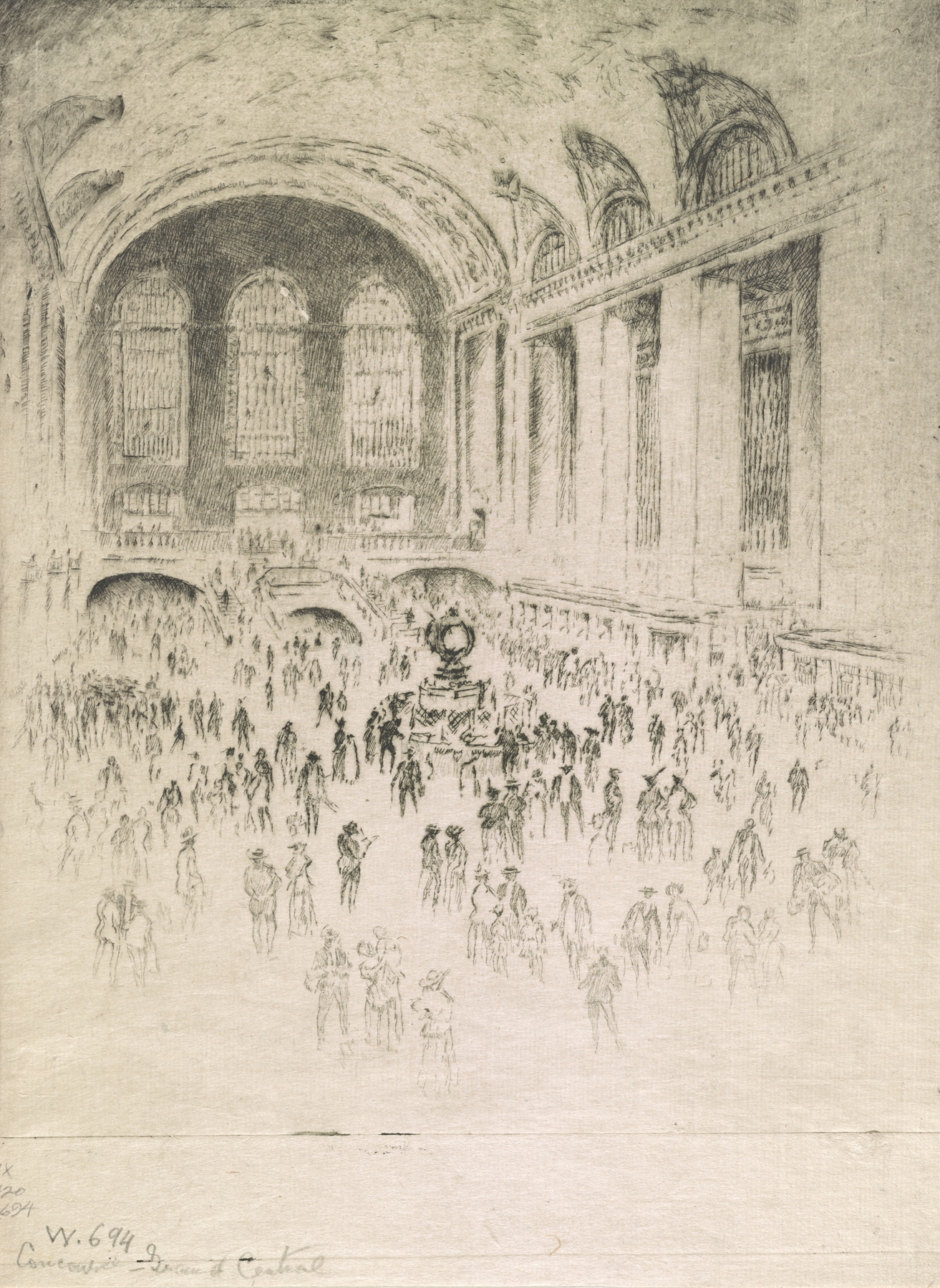
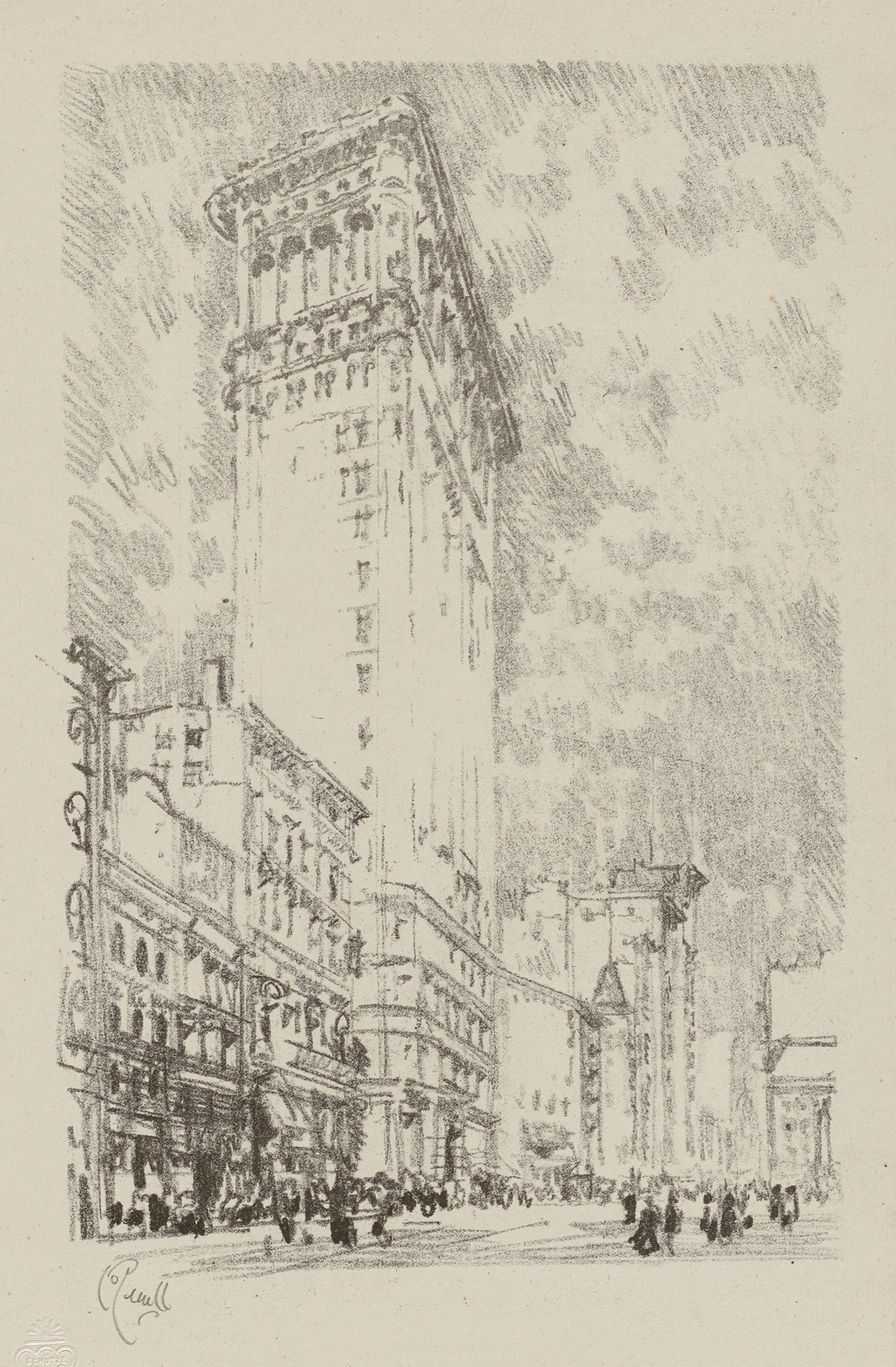
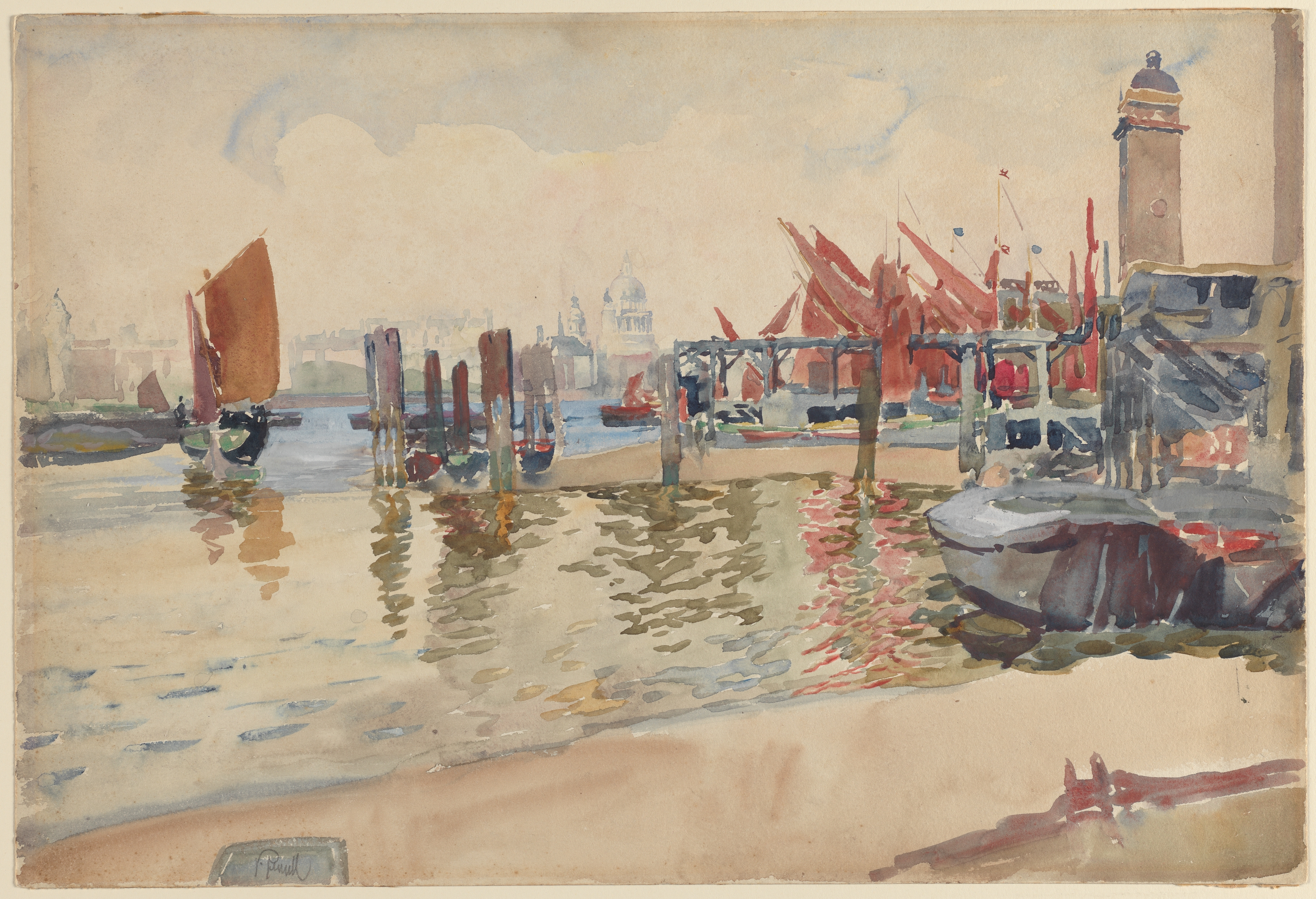
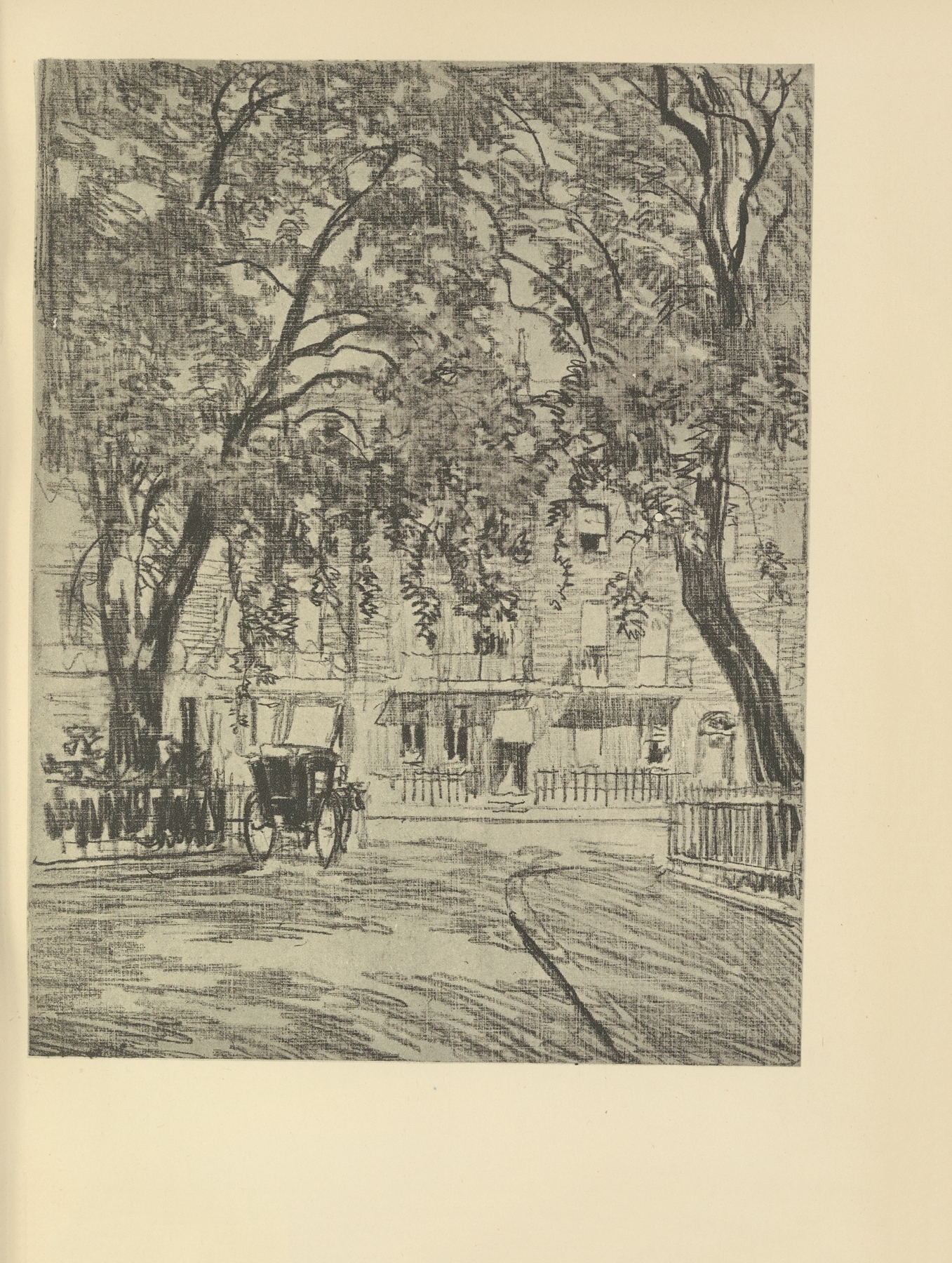
“Art reveals the soul when the world turns away.” In the chaotic embrace of life, sometimes what lies beneath the surface speaks the loudest. The intricate layers of Haymarket Theatre beckon to us like a whisper from the past, inviting us to explore the human experience hidden within its strokes. Look to the bustling foreground, where the theatre's ornate façade stands proud against the darkening skyline. Notice the delicate etching technique that gives a sense of both movement and permanence, as figures dart about in lively anticipation.
The warm golden hues contrast with the cool shadows of the evening, illuminating the vibrancy of the crowd while hinting at the encroaching night. Each line and curve brings the architecture alive, serving as a backdrop to the anticipation and excitement unfolding below. Yet, amidst the joyful chaos of the patrons, a palpable tension emerges—the fleeting nature of art and performance captures the essence of mortality. The juxtaposition of the lively crowd against the stillness of the theatre hints at the ephemeral nature of artistic moments, while the soft, dimming light suggests the inevitable passage of time.
In these details, we find the delicate balance between celebration and nostalgia, revealing a deeper truth about human longing and the pursuit of beauty. In 1928, during a period when the world faced immense changes and uncertainties, the artist was exploring the intersection of urban life and artistic expression. Living in London, Joseph Pennell was deeply engaged with printmaking and illustration, capturing the essence of the city as it transformed. This artwork emerged from a time when theatre was not just entertainment but a crucial vessel for social commentary, reflecting both the vibrancy and the fragility of human endeavor.