Helena Tromper Du Bois — History & Analysis
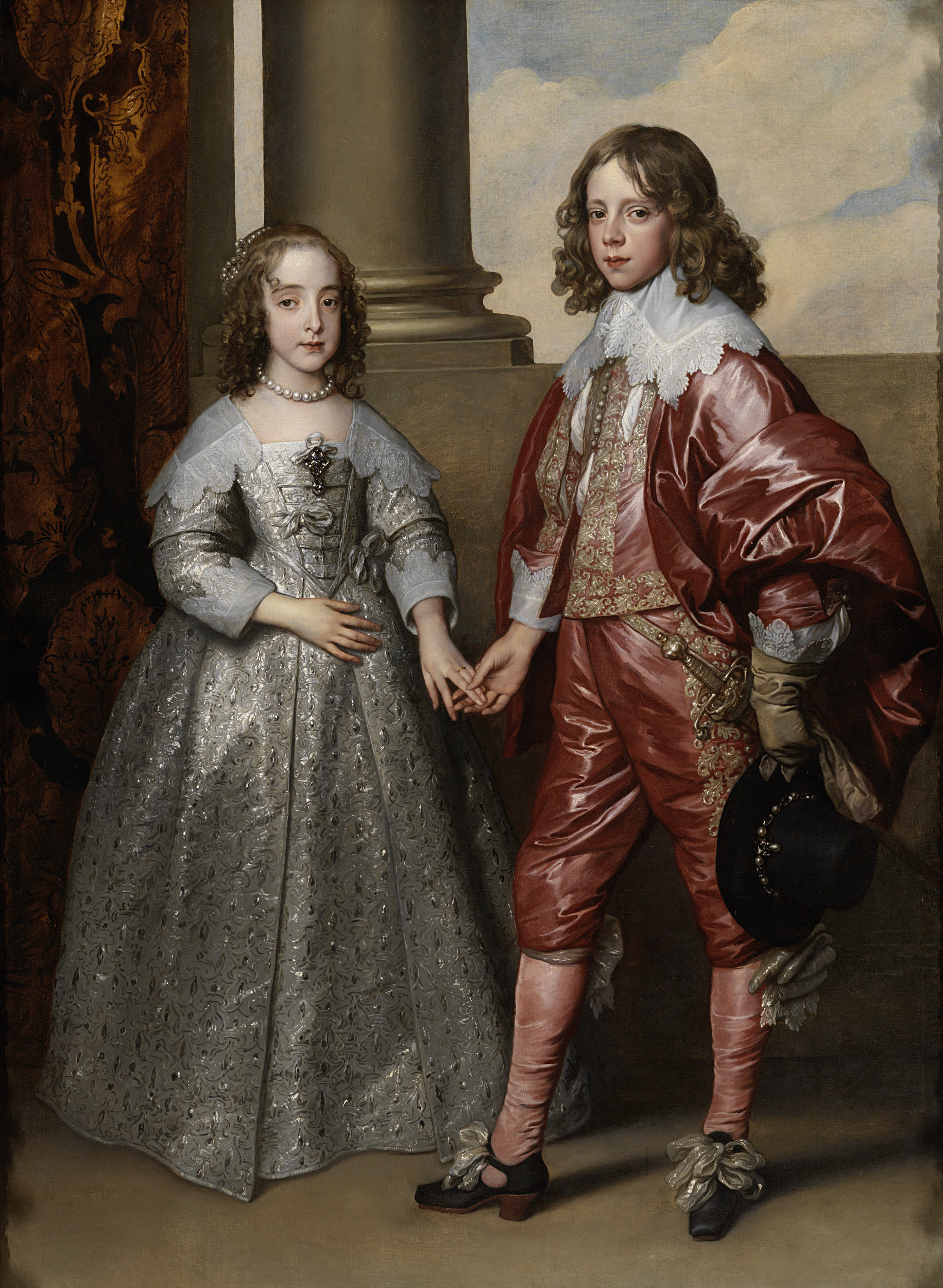
Can paint confess what words never could? The soft gaze of a young girl holds a world of innocence, a silent narrative that transcends the constraints of language itself. Look closely at the figure in the center; notice how her delicate features emerge from the canvas, illuminated by a gentle play of light. The artist’s masterful use of chiaroscuro accentuates her youthful complexion, while a muted palette envelops her in a tender embrace.
The backdrop, a soft drape of fabric, draws the eye to her expressive countenance, inviting viewers to share in her seemingly unguarded moment. Yet, hidden beneath the surface lies a complex tension between innocence and the inevitable passage of time. The girl’s slight smile suggests a playful spirit, yet her eyes hint at a depth of understanding, as if she carries the weight of unspoken knowledge. The gentle contrast between her playful pose and the somber darkness surrounding her evokes a sense of fleeting childhood—an awareness that innocence is both precious and ephemeral.
In the early 1630s, during his time in Antwerp, the artist created this intimate portrait as part of a series that celebrated the beauty of youth. In an era marked by the decadence of the Baroque style, he sought to meld emotional depth with technical precision, striving to capture the essence of his subjects. This piece reflects not only his evolving style but also a broader cultural fascination with portraiture that revealed both inner virtues and vulnerabilities.