Portret van Titiaan en zijn maitresse — History & Analysis
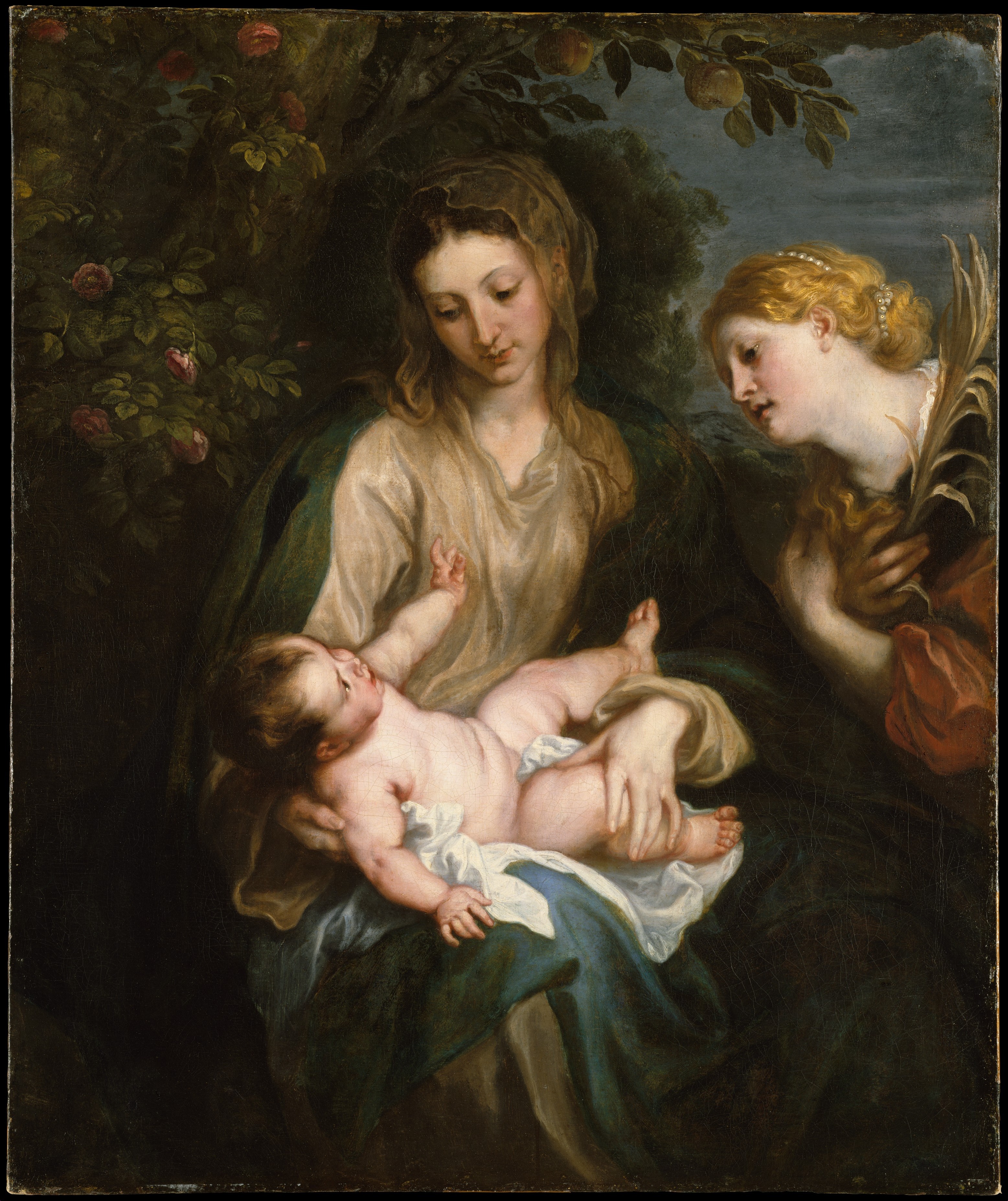
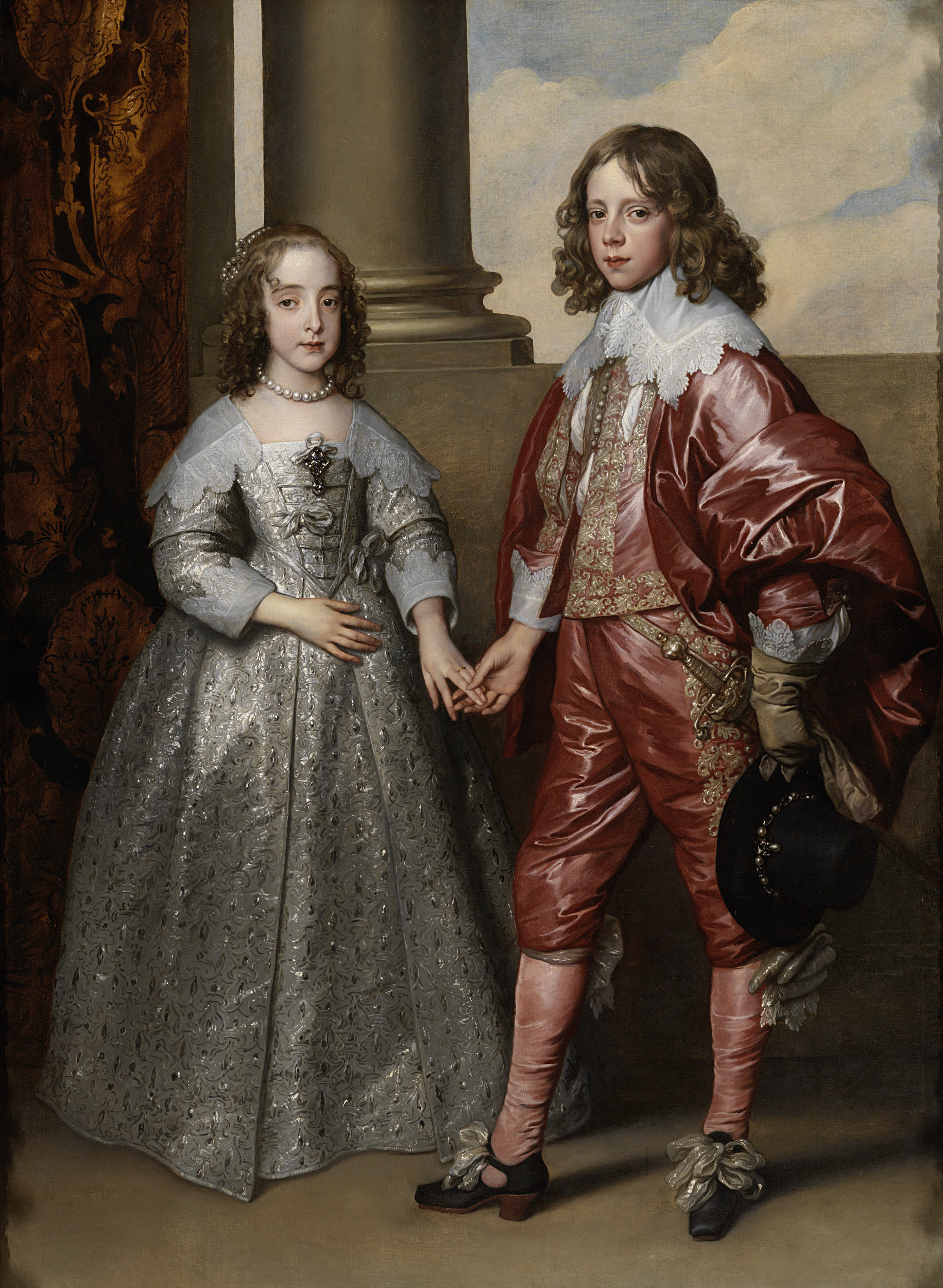
Where does light end, and longing begin? In the delicate interplay of brushstrokes, we find a moment suspended between intimacy and solitude, revealing the profound loneliness that often accompanies love. Focus on the languid posture of the figures; the man rests with a gentle repose, while the woman leans into him, their bodies close yet separated by an invisible barrier. Notice how the light falls upon their faces, highlighting the contrast between the warmth of their skin and the deep shadows that envelop the surrounding space.
The rich, earthy tones evoke a sense of both comfort and melancholy, drawing the viewer’s eye into the tender yet unfulfilled connection between them. The painting whispers of hidden narratives—an unspoken yearning hangs in the air, suggesting that behind each gaze lies a story of desire and absence. The meticulous detailing of fabric and the lush backdrop speak of opulence, yet the expressions betray a deeper emotional tension that hints at loneliness amidst companionship. Each brushstroke reveals the complexity of human connection, where closeness can simultaneously evoke the ache of solitude.
Anthony van Dyck crafted Portret van Titiaan en zijn maitresse between 1627 and 1635 during his time in Antwerp. By this period, the artist was gaining recognition for his portraiture, which was characterized by its psychological depth and elegance. The painting reflects Van Dyck's mastery of light and shadow, emerging during a transformative era in art where intimacy in portraiture became a means to explore the intricacies of human relationships.