Portret van Lucas Vorsterman I — History & Analysis
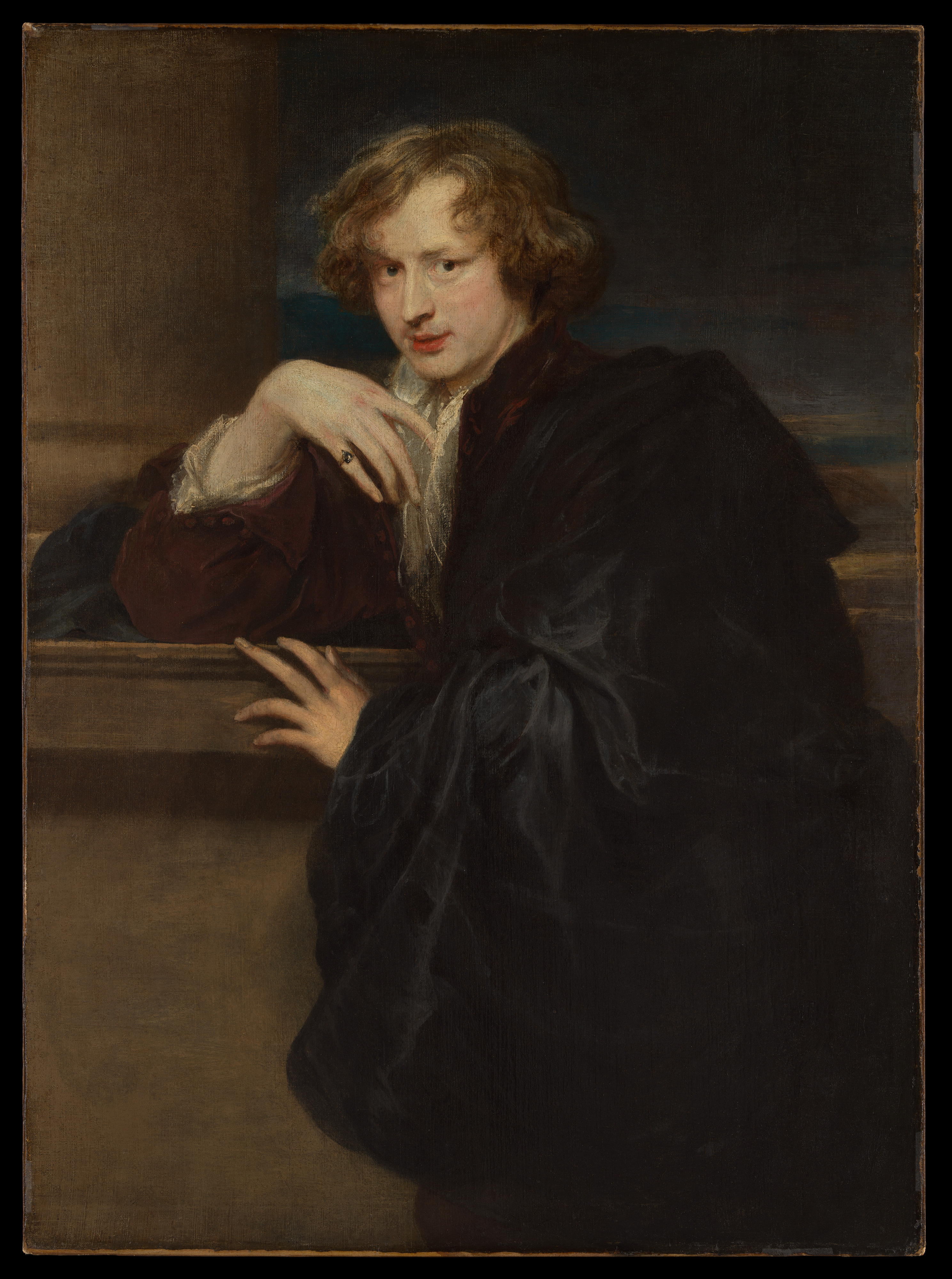
What if silence could speak through light? In the stillness of a portrait, the face of Lucas Vorsterman I emerges, caught in a moment that whispers of chaos beneath its serene surface. Focus first on the thoughtful gaze of the subject, locked in contemplation. Notice how the light delicately caresses his face, accentuating the subtle textures of his skin and the soft fabric of his attire.
The muted palette—rich browns and deep blacks—creates an air of both elegance and melancholy, drawing the viewer into the complexities of his character. Each brushstroke reveals Van Dyck’s masterful technique, particularly in the way shadows enhance the three-dimensionality of the figure, inviting us to ponder what lies beyond the visible. Yet, there’s an underlying tension, a chaotic energy masked by calmness. The intricacy of the lace collar, though seemingly ornate, contrasts starkly with the simple background, hinting at a life spent navigating both the intricacies of artistry and the tumult of societal shifts.
Light dances across his features, suggesting a silent struggle between the inner chaos of the artist's world and the composed exterior presented to the viewer. In the early 1630s, the artist was deeply embedded in the vibrant artistic currents of Antwerp. Emerging as a leading figure in portrait painting, he was transitioning from the influences of Rubens while establishing his own distinctive style. This period was marked by both personal growth and the broader turbulence of the Thirty Years' War, feeding the emotional depth found in his works, including this poignant portrayal.