Portrait of a Nobleman, possibly Adriaan van der Borcht — History & Analysis
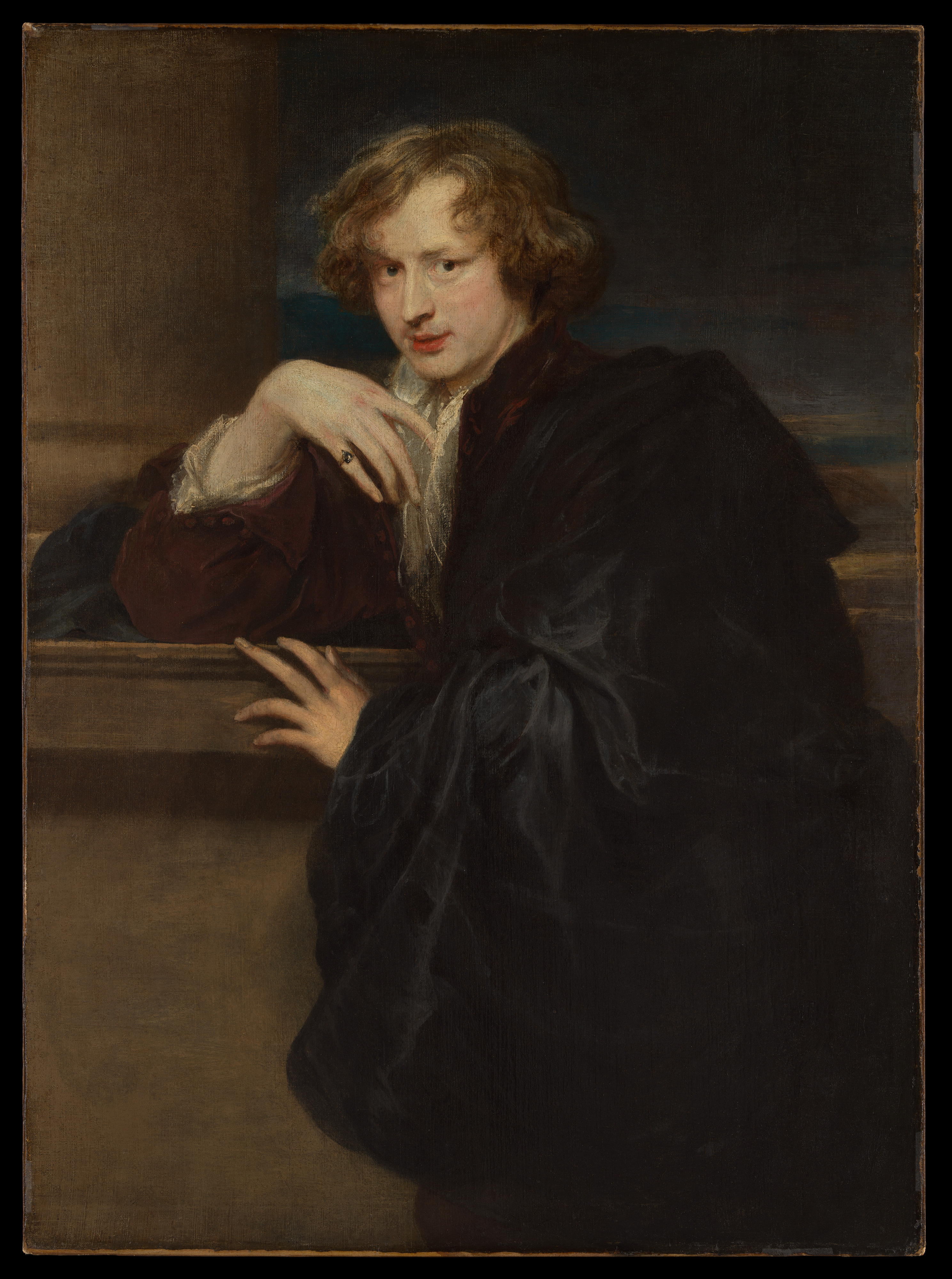
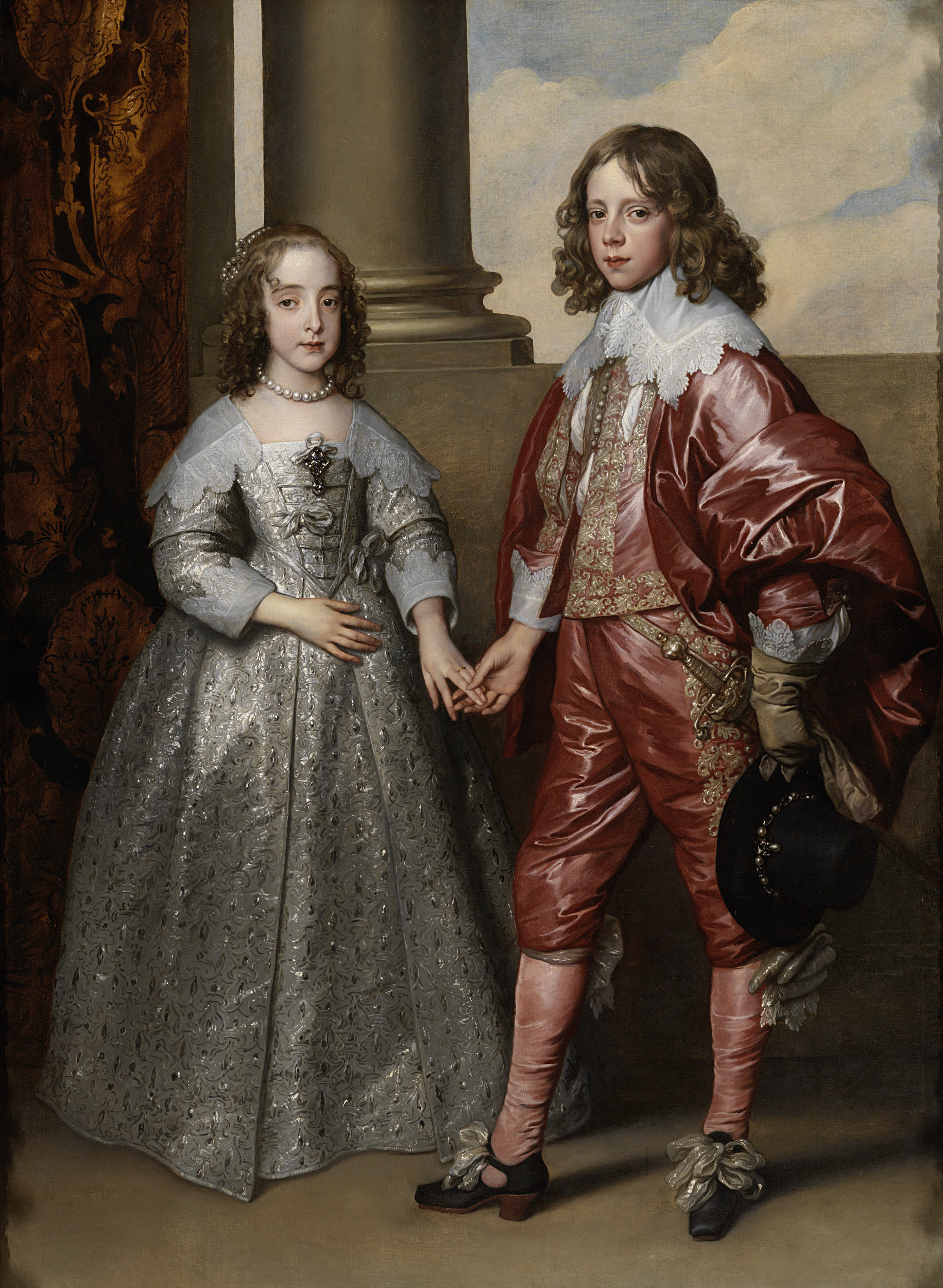
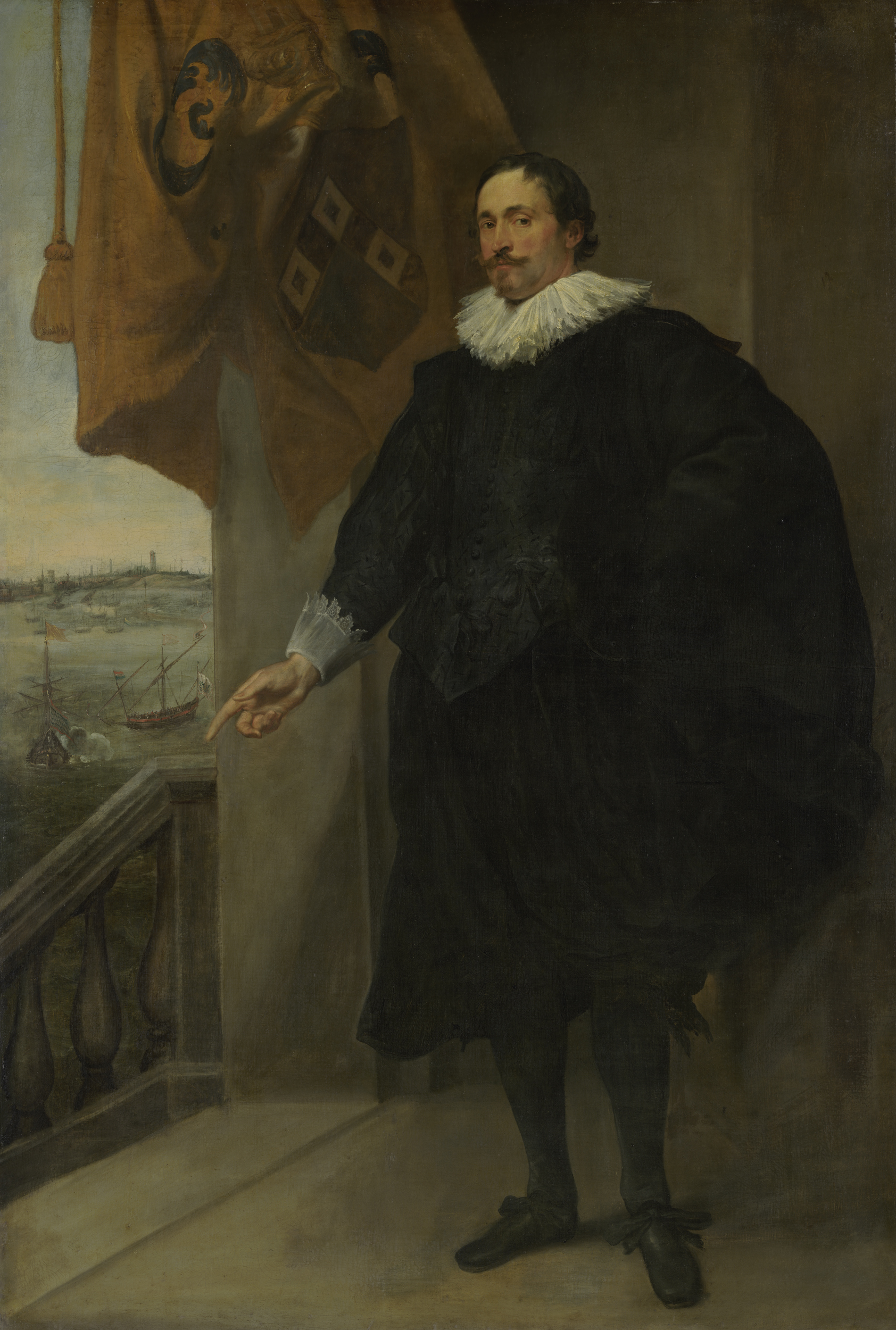
Could beauty survive in a century of chaos? This question hangs in the air, echoing through the centuries as we gaze upon the graceful figure of a nobleman, poised amidst the turmoil of his time. Focus first on the figure's confident stance, draped in opulent fabrics that fluidly exhibit the artist's masterful handling of texture and light. The subtle play of shadow and illumination dances across the nobleman’s attire, guiding the viewer’s eye to the intricate details of his embroidered collar.
Notice how the rich palette of deep greens and warm earth tones contrast with the cool background, emphasizing his presence and the weight of his social status. Delve deeper into the emotion captured in the subject's eyes, which convey a blend of pride and contemplation, hinting at the complexities of identity and power during an age of political upheaval. The slight turn of his head and the positioning of his hands invite contemplation on the duality of public persona versus private reality, an idea that resonates within the broader context of 17th-century European aristocracy.
Each brushstroke seems to pulse with unspoken narratives, inviting viewers to ponder the lives woven into the fabric of history. Created between 1634 and 1635, this portrait reflects van Dyck's embrace of portraiture as an art form during his years in England. Having secured his position as the leading portraitist of the court of Charles I, the artist sought to redefine nobility through a lens of elegance and psychological depth, capturing not just the likeness of his subjects but their essence in a rapidly changing world.