Self-Portrait — History & Analysis
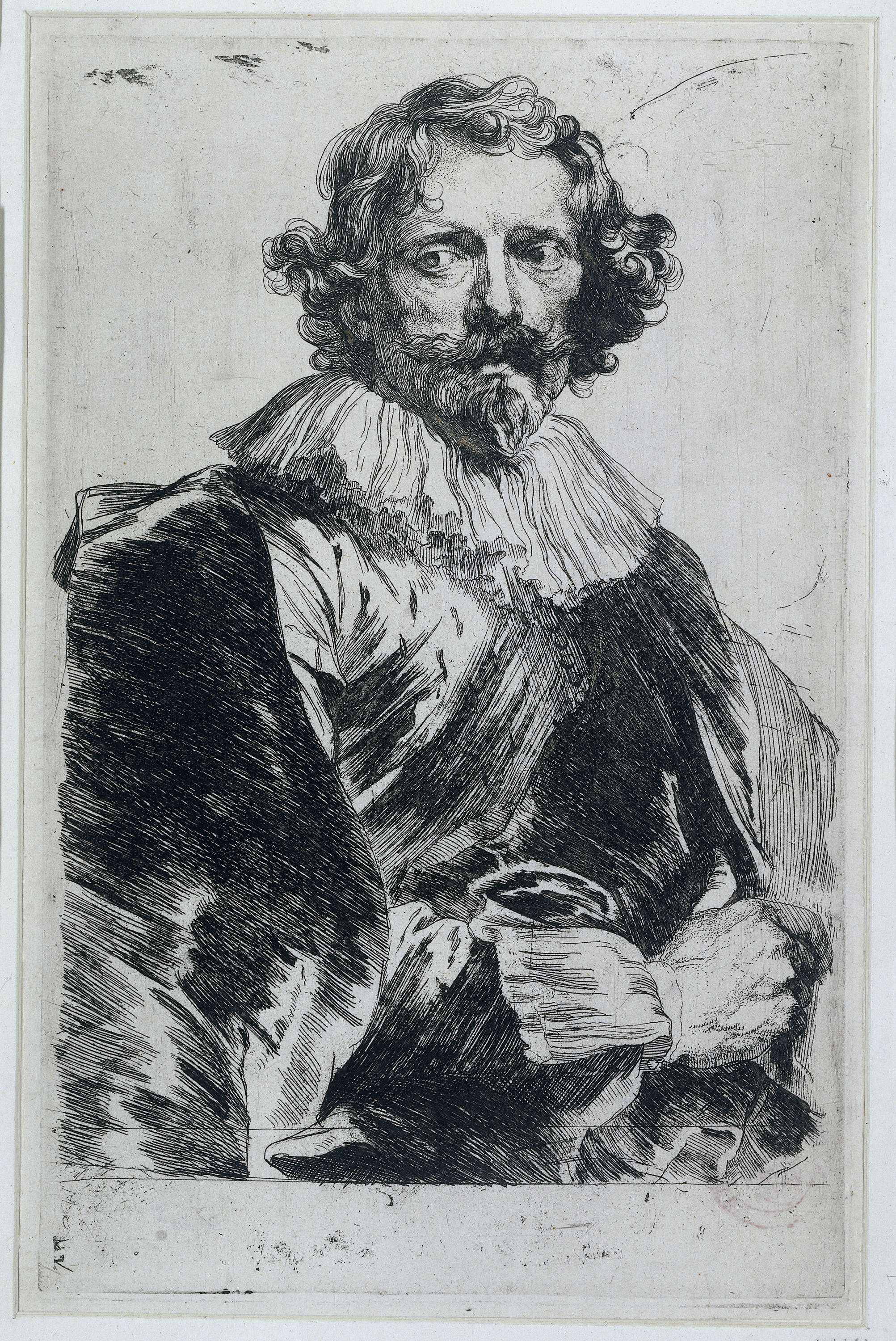
Can beauty exist without sorrow? In Self-Portrait, the painter captures not just his likeness, but the deeper layers of his soul—a dreamscape of identity intertwined with melancholy. Focus on the soft interplay of light and shadow across the artist's face, illuminating the delicate features and conveying a sense of introspection. The rich, earthy palette—deep browns and muted golds—creates a warm yet somber atmosphere, drawing viewers in.
Notice how the slight tilt of his head and the thoughtful gaze engage the audience, inviting them to reflect on the artist's inner world, while the subtle detailing in the textured fabric of his attire reveals the skilled hand of a master. The juxtaposition of confidence and vulnerability in his expression speaks volumes. Here, the artist grapples with his ambitions amidst an undercurrent of sadness, suggesting that beauty is often accompanied by a burden. The faint shadows cast by his features hint at the struggles of self-identity and the weight of artistic expectation, transforming the canvas into a mirror of human experience.
Created between 1620 and 1621, this work emerged during a pivotal moment in the artist's life, as he established himself in the court of Charles I in England. At this time, the world of art was undergoing significant changes, shifting towards a more personal and introspective style. Van Dyck, already recognized for his portraiture, was beginning to explore the complex relationship between self and society, which would resonate throughout his subsequent works.