Herder bij een schuin overhangende boom — History & Analysis
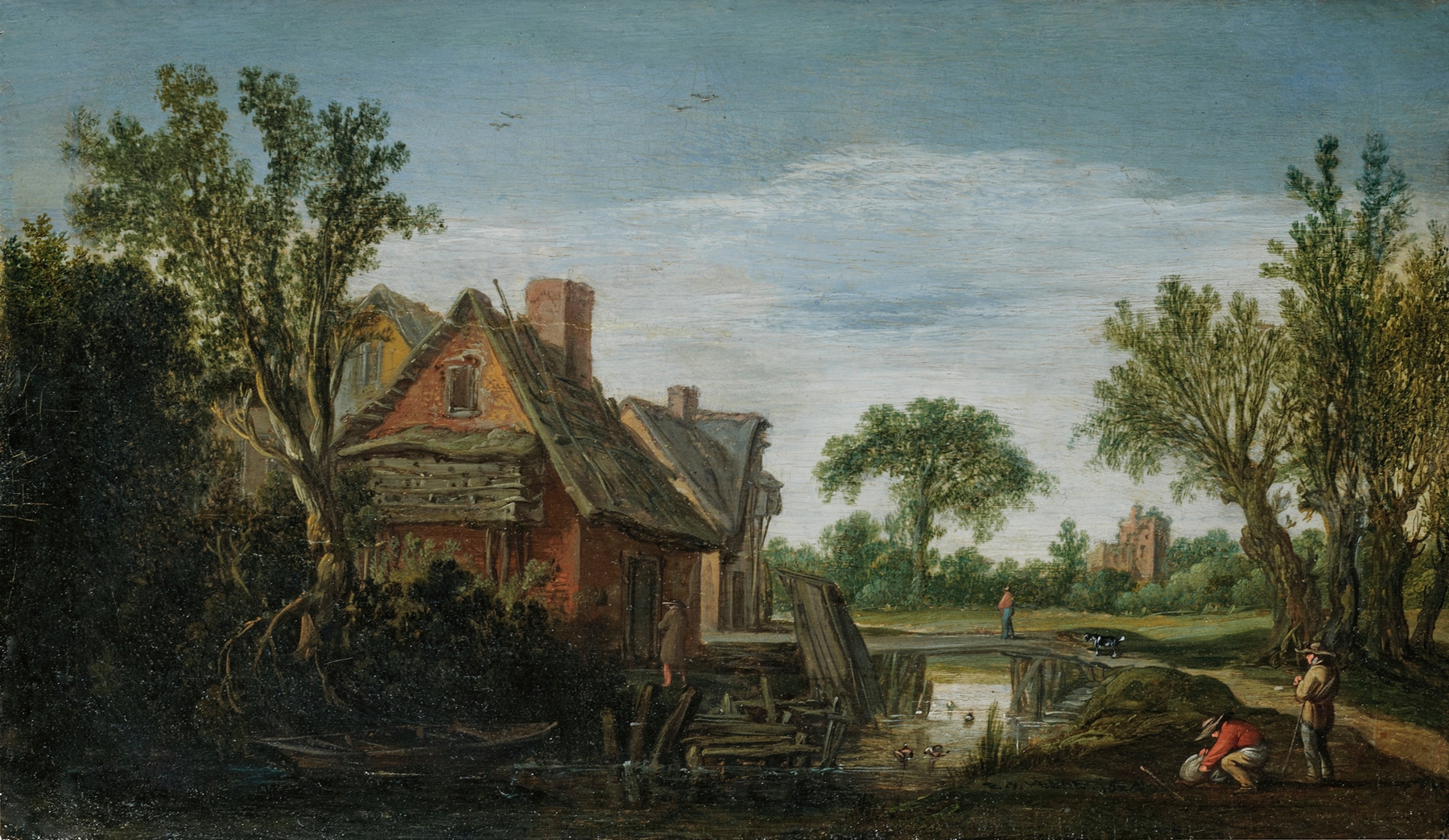
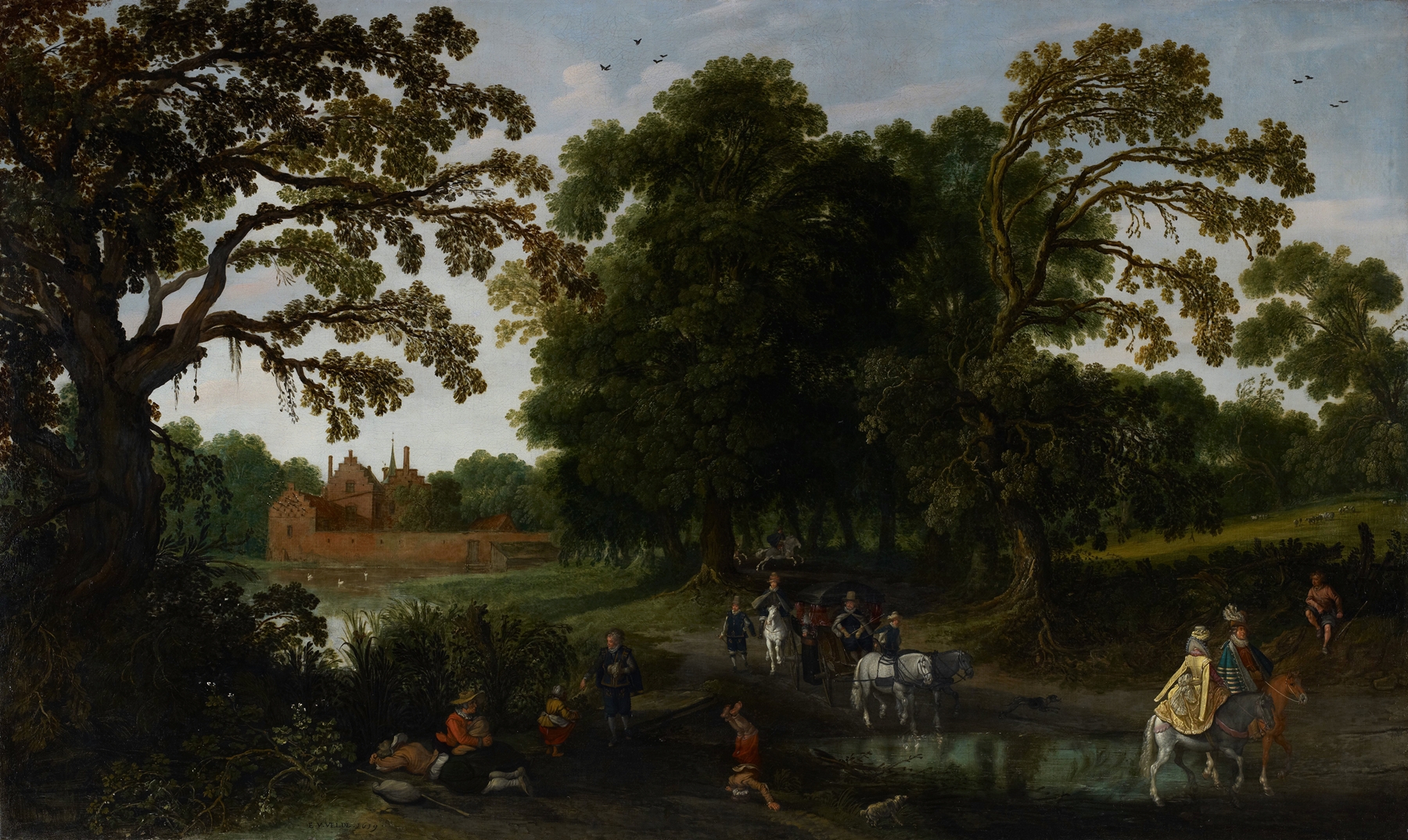
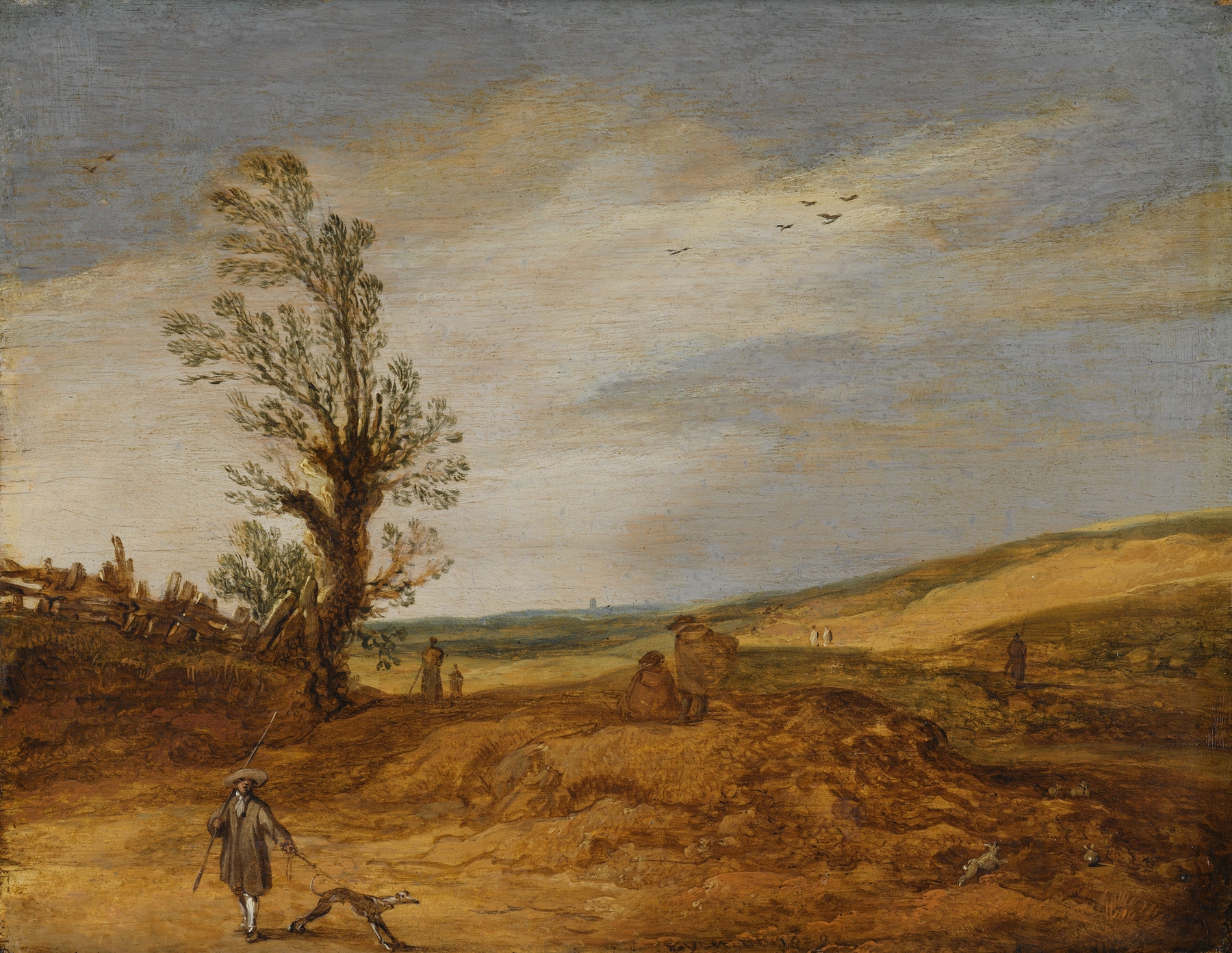
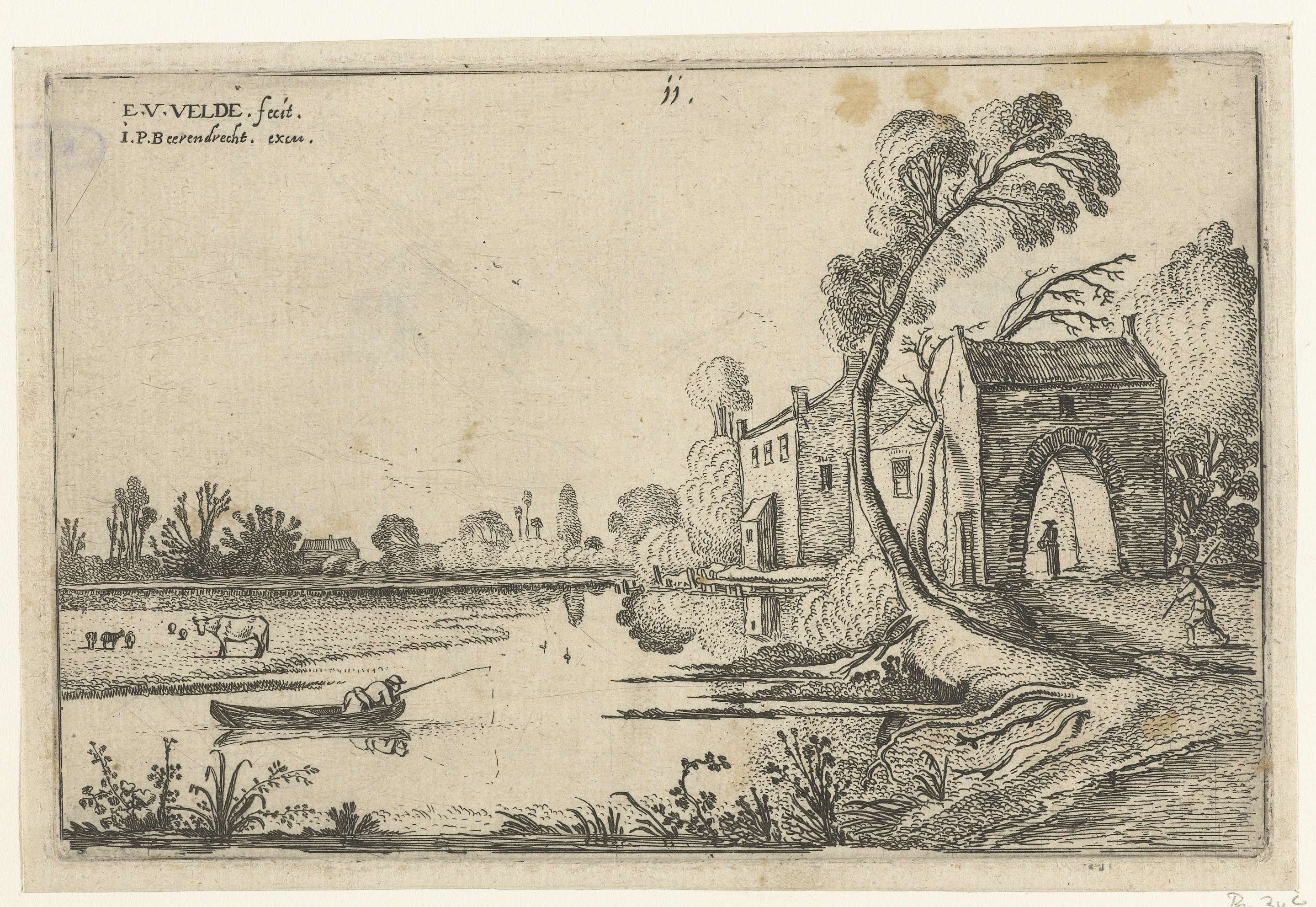
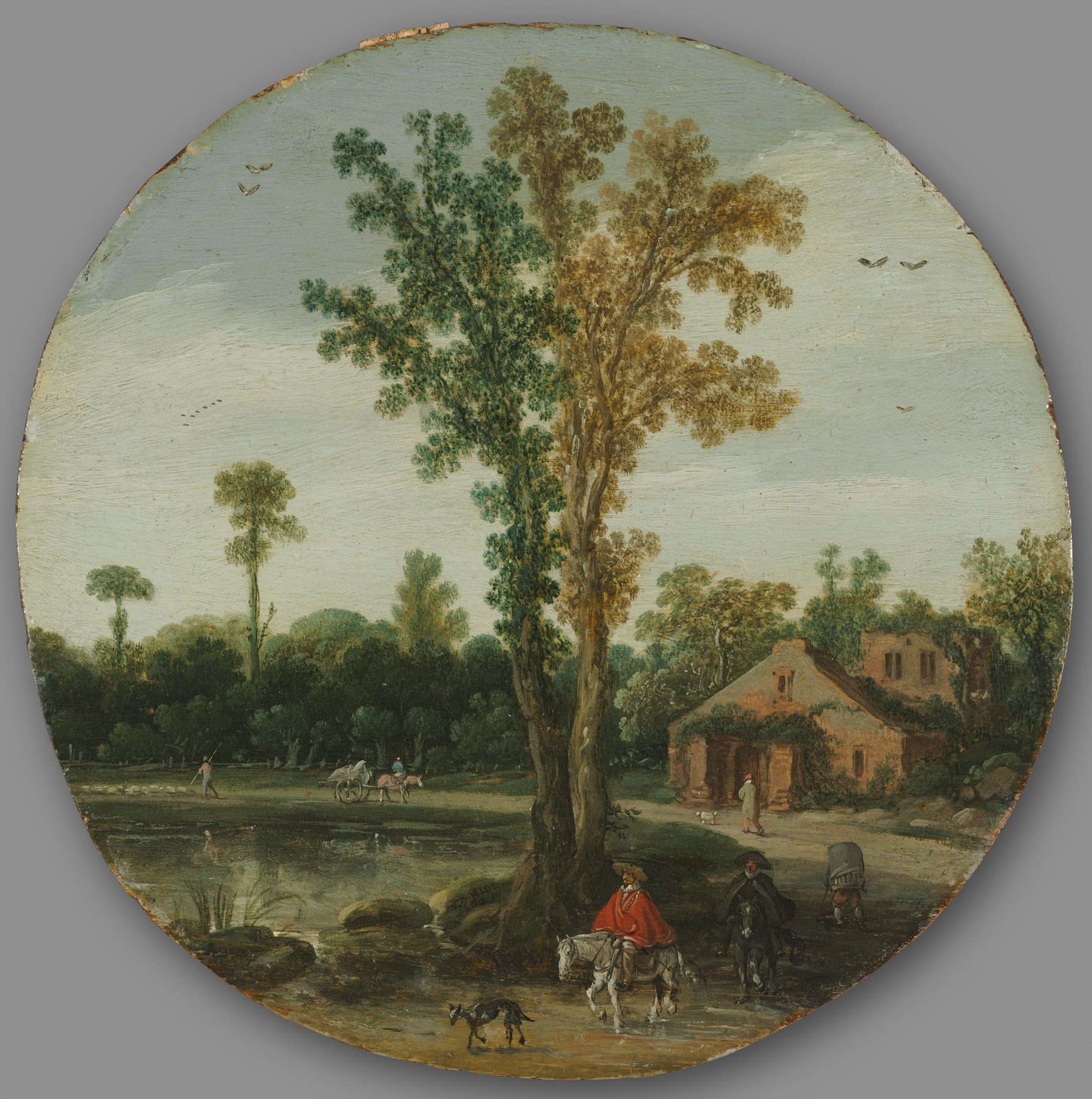
Can paint confess what words never could? In Herder bij een schuin overhangende boom, the silence speaks volumes, whispering the profound connection between humanity and nature, a dialogue often lost in translation. Look to the left at the herder, his silhouette gently framed by the overhanging branches of a tree that seem to cradle the scene. The play of soft greens and earthy browns evokes a sense of tranquility, while the delicate brushstrokes illustrate both the texture of the foliage and the subtle contours of the land.
A warm light filters through, casting a serene glow that invites the viewer into this pastoral world, where every detail beckons for contemplation. Beneath the surface, contrasts emerge — the herder’s solitude against the vastness of the landscape, the stillness of nature juxtaposed with the quiet labor of life. The curve of the tree, almost protective, suggests a timeless bond between the shepherd and the earth, hinting at themes of transcendence and existence. Every element speaks to a harmony that transcends mere representation, urging us to consider our place within this serene tableau.
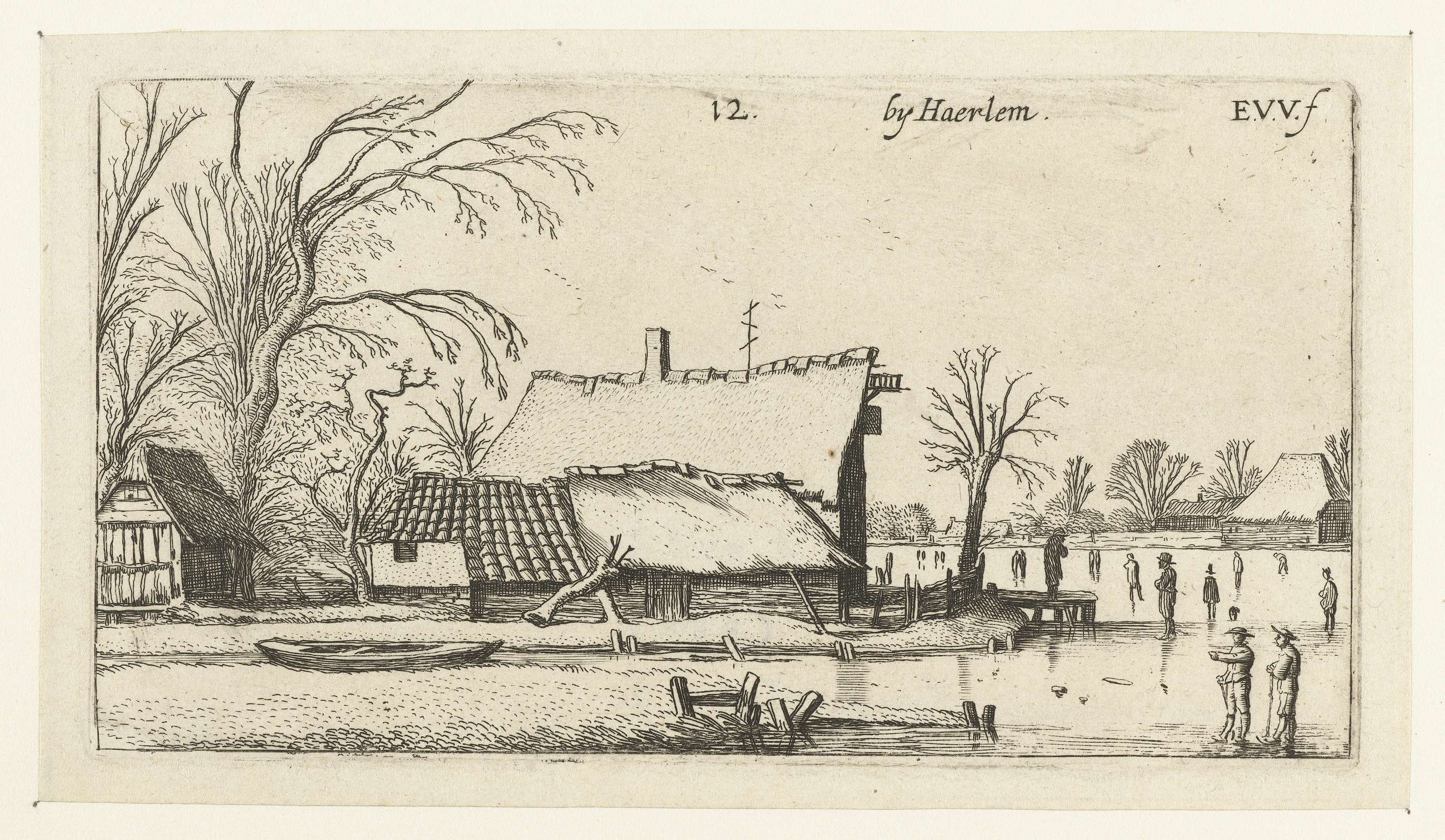
In 1613, Esaias van de Velde painted this piece during a period marked by a deepening interest in landscape as a genre. Living in the Netherlands, where the emerging Baroque style was taking shape, he contributed to this shift, capturing the balance of human activity and the natural world at a time when such reflections were increasingly valued in art. His work illustrates not just the beauty of the land, but also an aspiring philosophical inquiry into life itself.