Het gokspel — History & Analysis
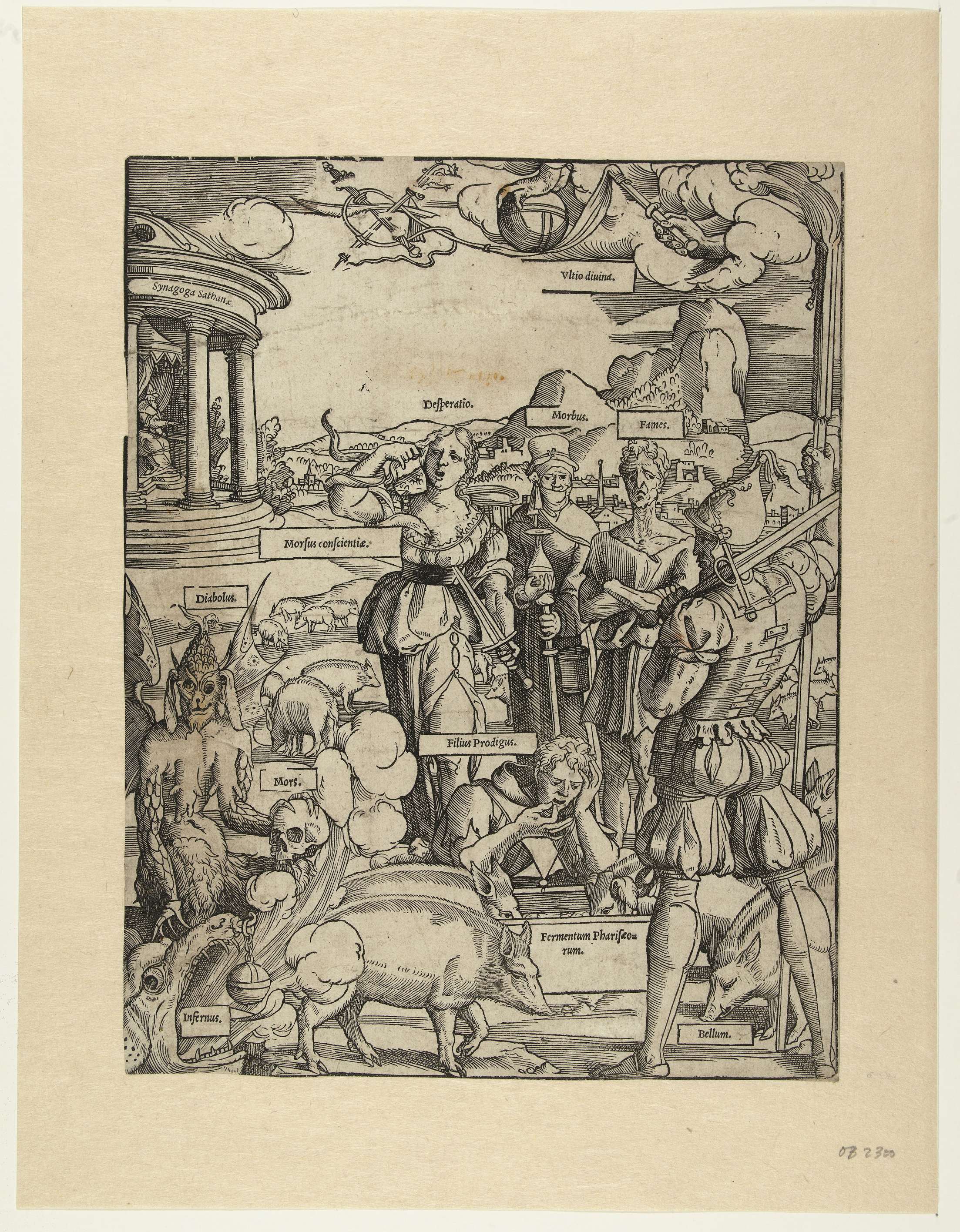
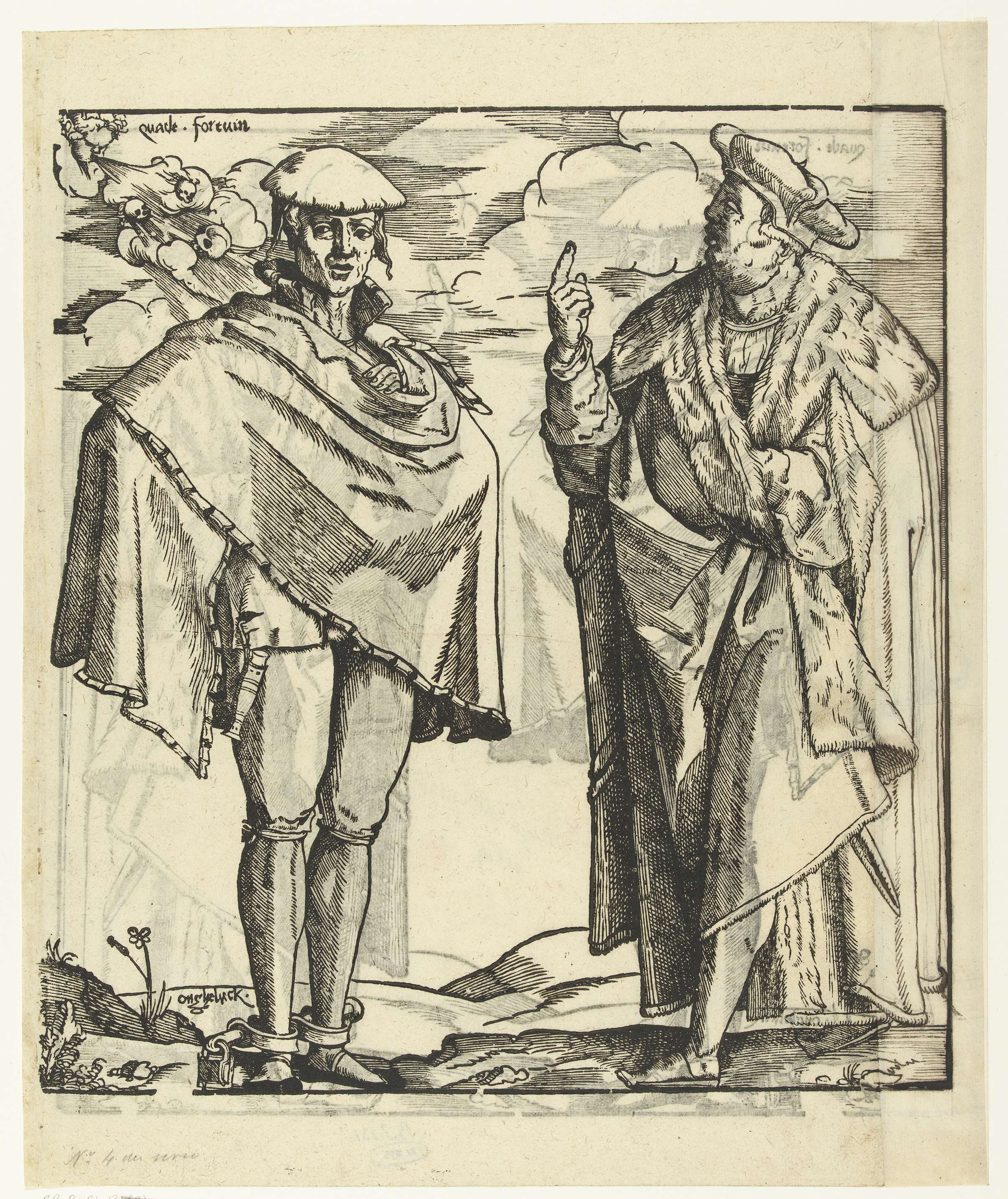
What if silence could speak through light? In Het gokspel, this question resonates, inviting viewers to consider the hidden stories and memories encapsulated within the canvas. Look closely at the center of the scene, where a group of men huddles over a table, their intense expressions illuminated by soft, flickering candlelight. The artist’s meticulous attention to detail draws our gaze—notice the rich textures of their garments and the glint of coins scattered across the table. The colors are muted yet vibrant, with deep shadows contrasting against the warm glow, enhancing the tension of the moment.
The composition feels alive, as if the players are caught in a still frame of anticipation and anxiety. Beneath the surface of this seemingly mundane gambling scene lies a deeper commentary on the human condition. The players, lost in their pursuit of fortune, reflect a timeless struggle between risk and reward, hope and despair. Their expressions tell of camaraderie and conflict, revealing how the joys of chance can lead to unforeseen consequences.
The subtle interplay of light and shadow serves not only to highlight their faces but also to evoke the fleeting nature of memory, suggesting that every gamble may echo with the weight of past choices. In 1541, Cornelis Anthonisz painted this work during a period when the Northern Renaissance was flourishing, marked by a growing interest in realism and daily life. Working in Amsterdam, he was part of a vibrant artistic community that explored themes of morality and the human experience. His focus on ordinary people engaged in everyday activities set the stage for future genres, bridging the gap between the sacred and the secular in art.