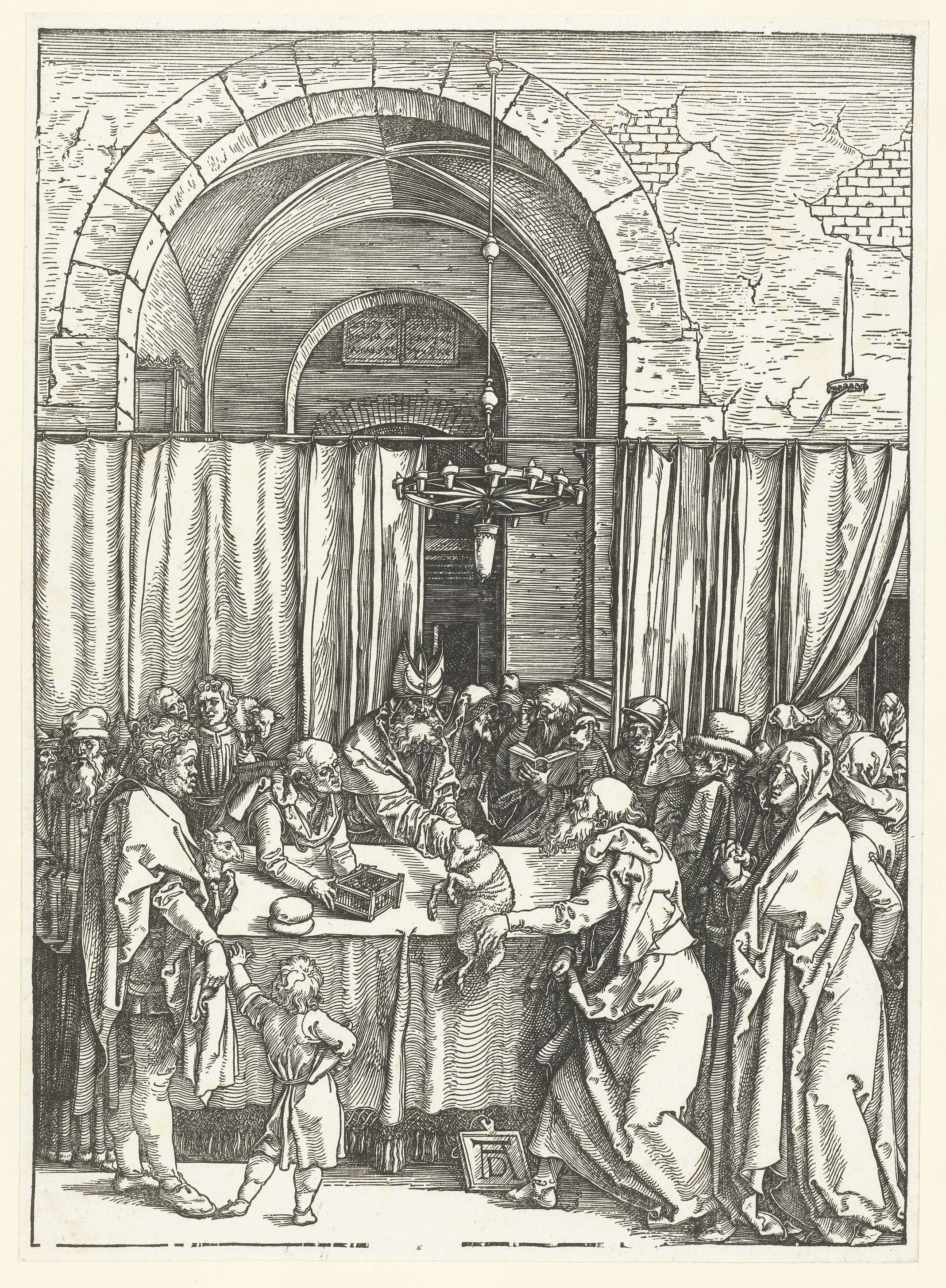
Het offer van Joachim wordt geweigerd — History & Analysis
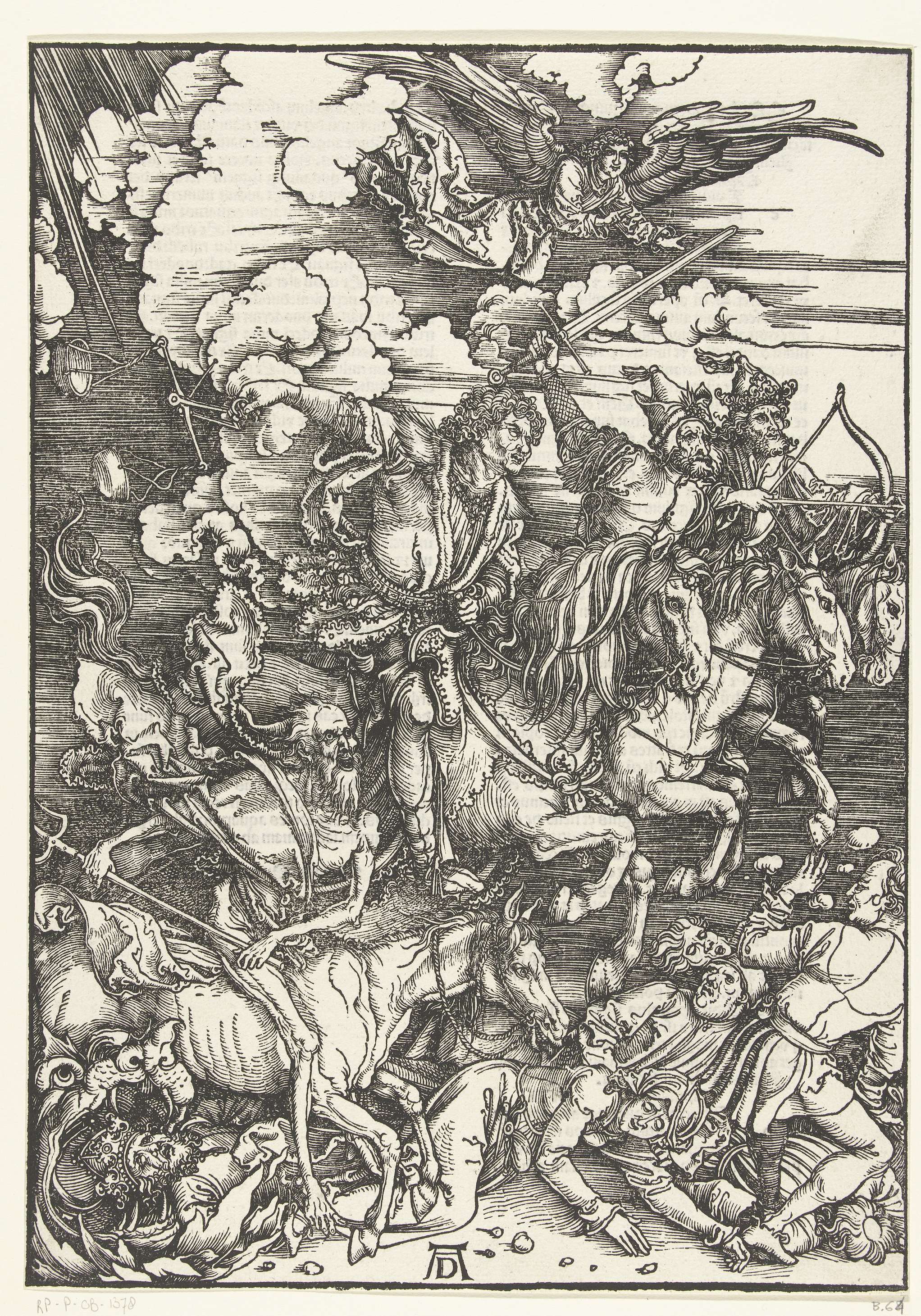
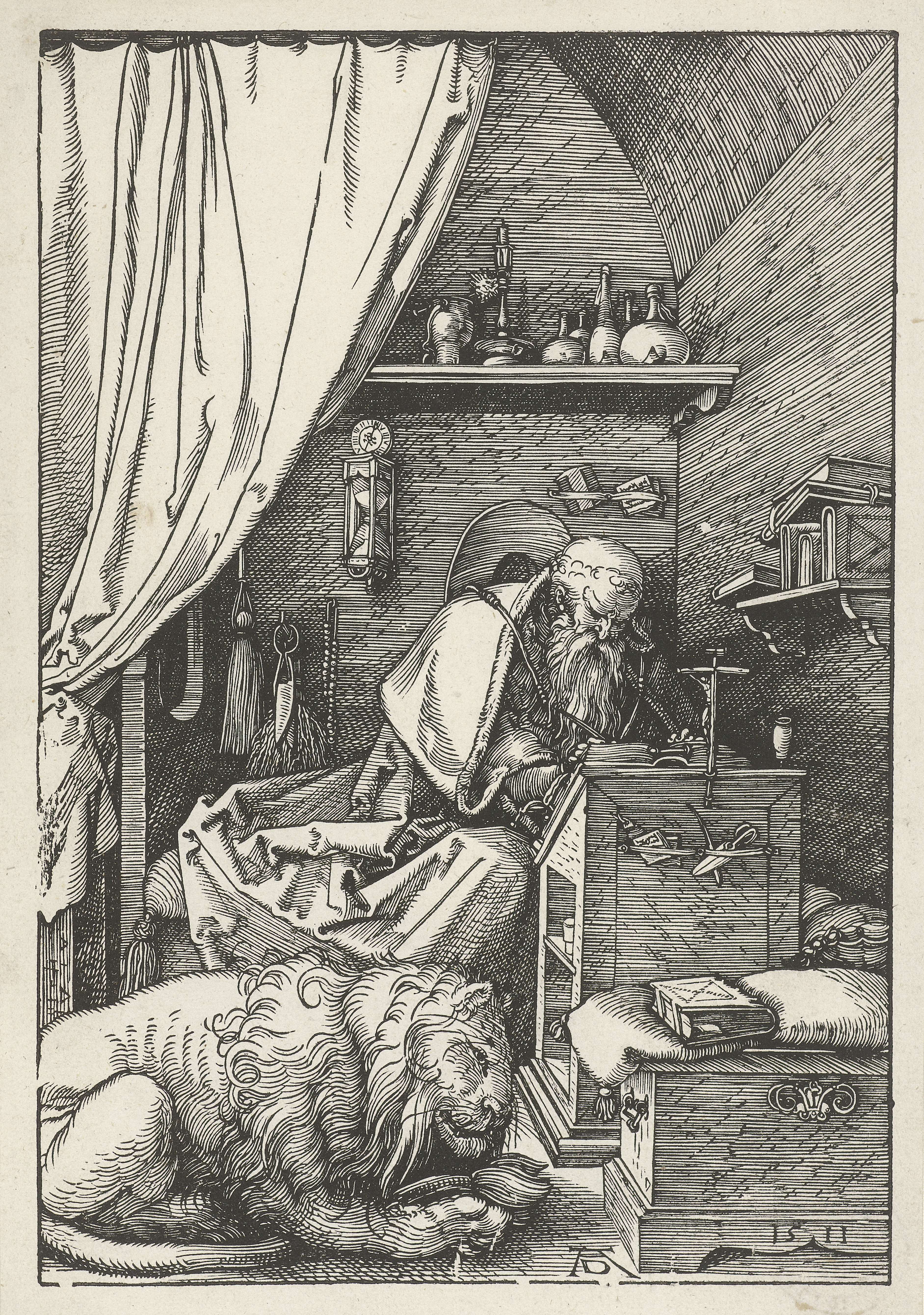
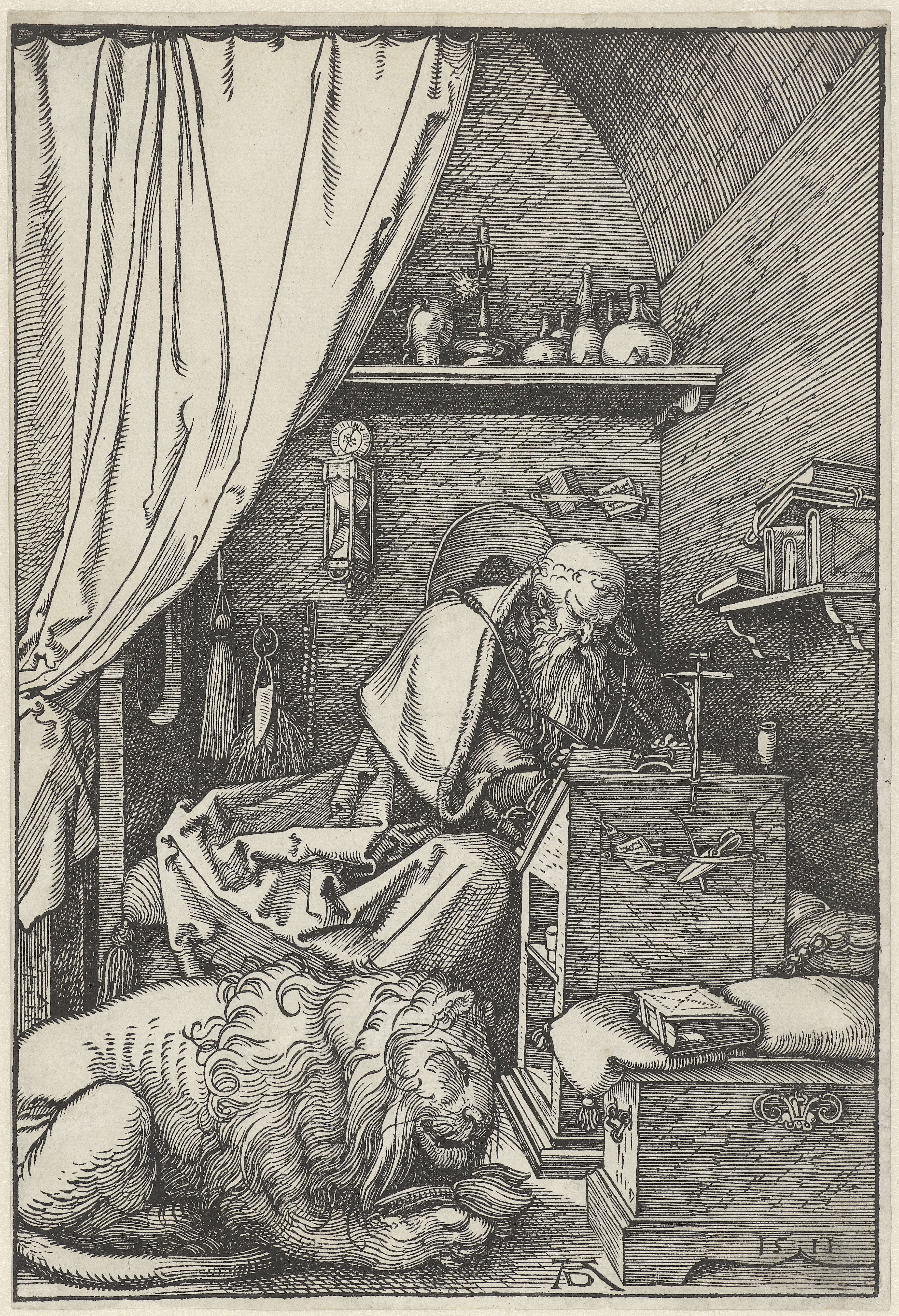
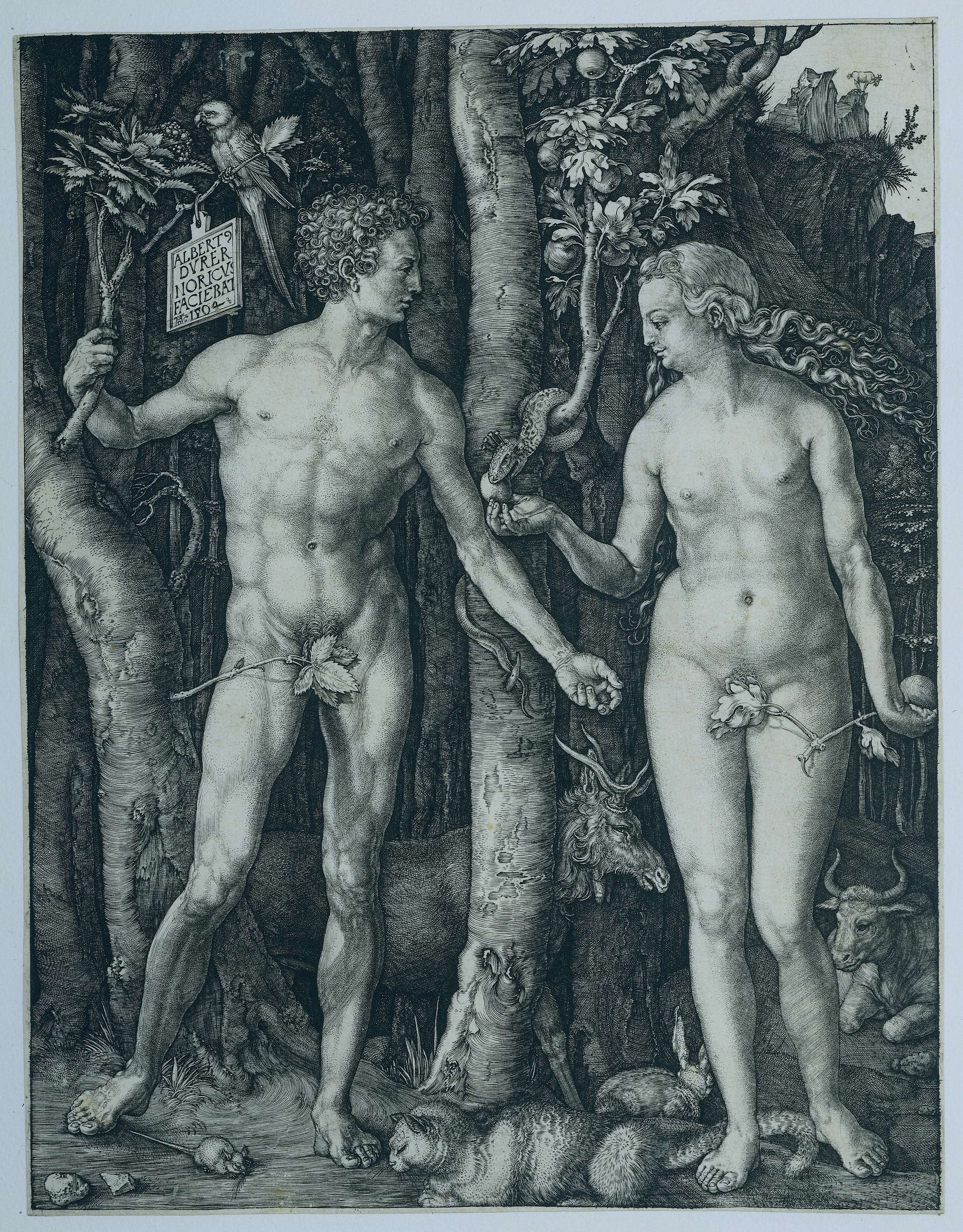
Is this a mirror — or a memory? In Het offer van Joachim wordt geweigerd, Albrecht Dürer captures the weight of human desire and the piercing ache of rejection, inviting us to ponder the silent narratives tucked away in our hearts. Look to the right at Joachim, standing rigidly before the altar, his eyes filled with a mixture of hope and despair. Notice how the light illuminates his figure, casting delicate shadows that hint at the emotional turmoil within. Dürer employs a muted palette of earthy tones, punctuated by the striking white garments of the angel, creating a visual contrast that compels viewers to follow the thread of Joachim's anguish.
The meticulous attention to detail in the folds of his robe and the textures of the surrounding architecture draws you deeper into the scene. Beneath the surface, this artwork speaks to universal themes of longing and rejection. The angel's tranquil presence stands in stark contrast to Joachim's turmoil, embodying both divine intervention and the harsh reality of unfulfilled desires. The unseen witness, his wife Anne, looms in the background, their separation amplifying the emotional tension of the moment.
This interplay of light, gesture, and space culminates in a poignant exploration of hope tethered to despair, lending the scene a haunting resonance. Dürer painted this piece between 1502 and 1506, during a period marked by a growing fascination with the human experience in art. Living in Nuremberg, he was deeply influenced by the Northern Renaissance's emphasis on realism and emotional depth. This work came amidst personal reflections on faith and the tumultuous socio-political landscape of his time, mirroring the struggles of acceptance and belief in both art and life.