Hügelige Landschaft — History & Analysis
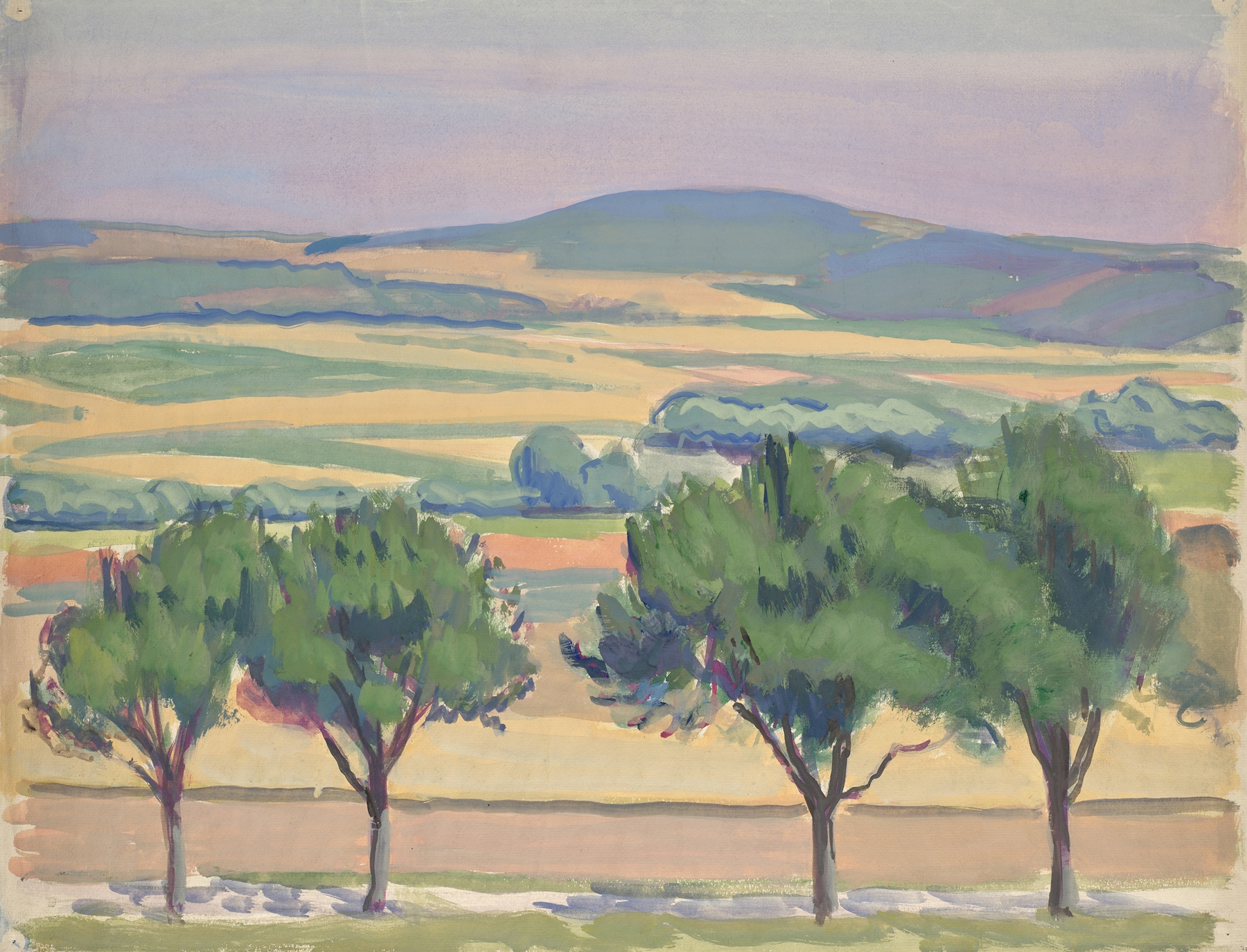
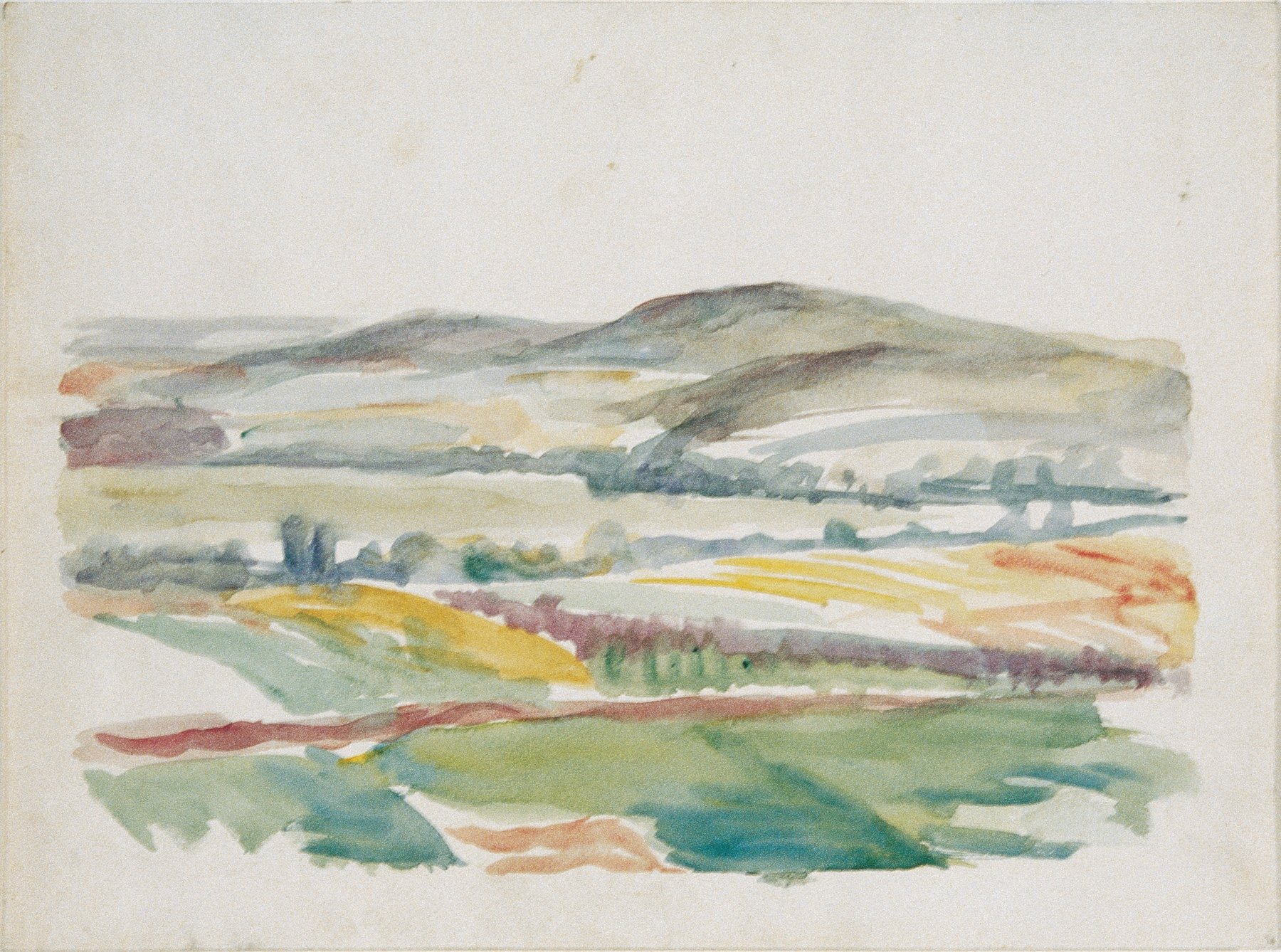
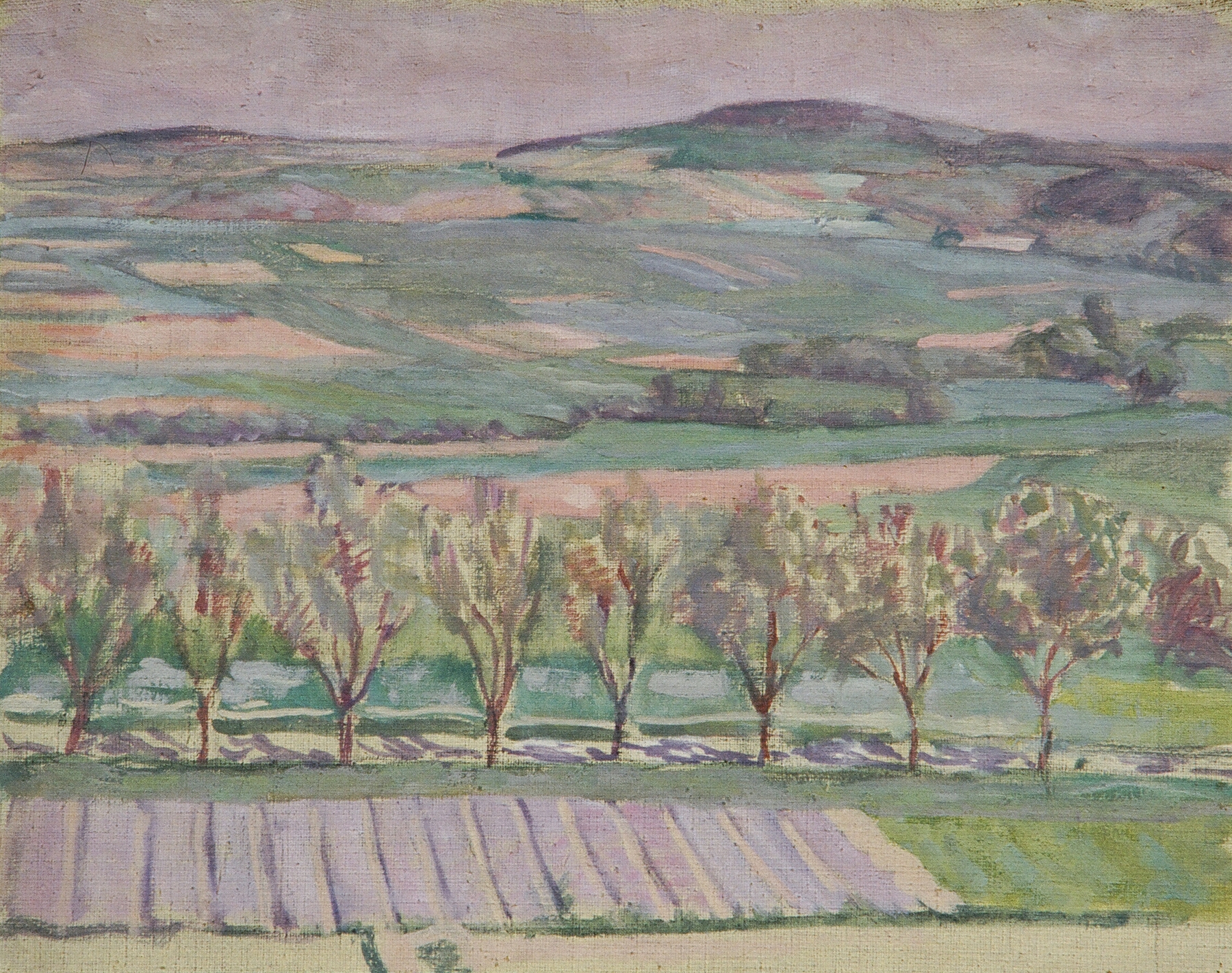
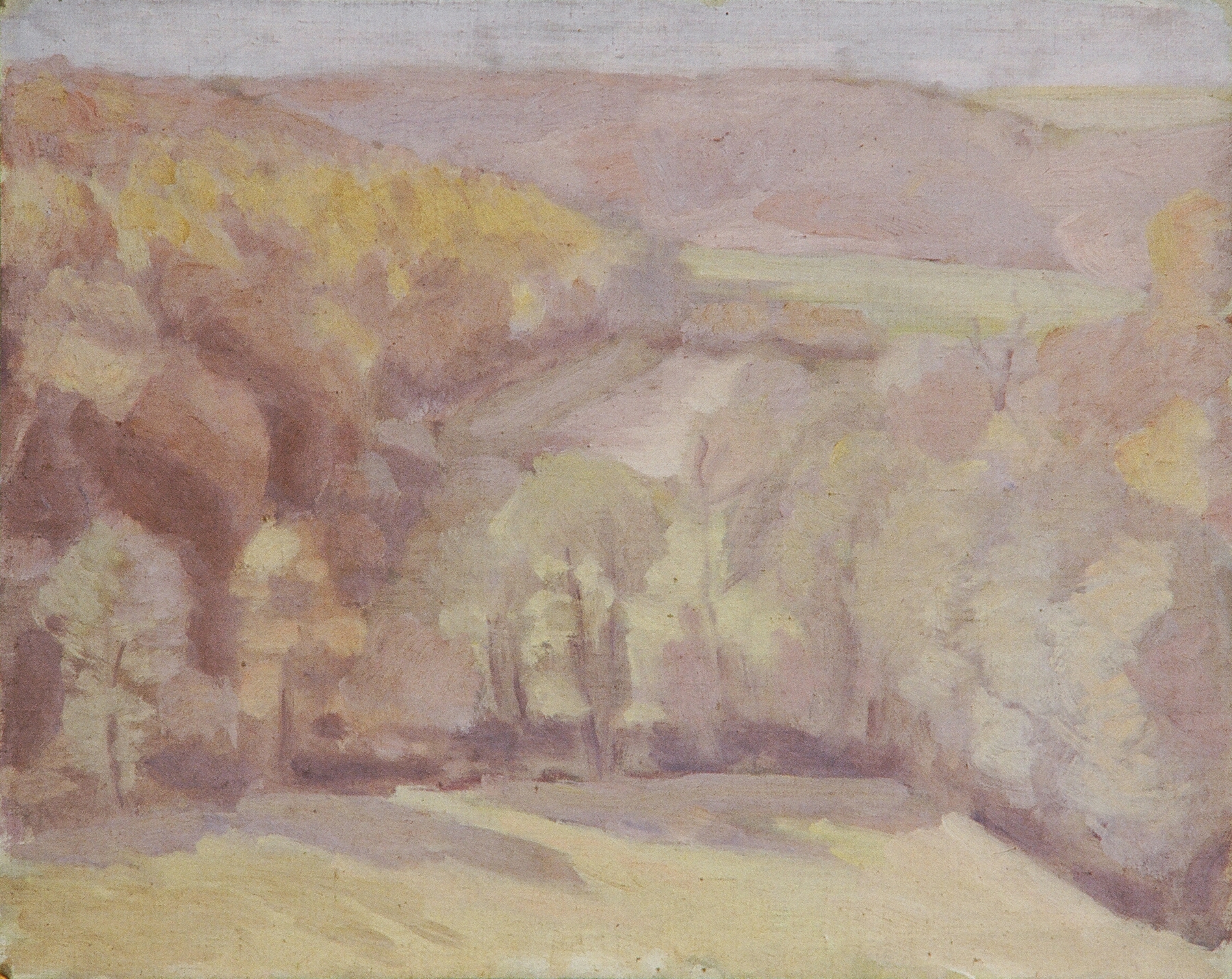
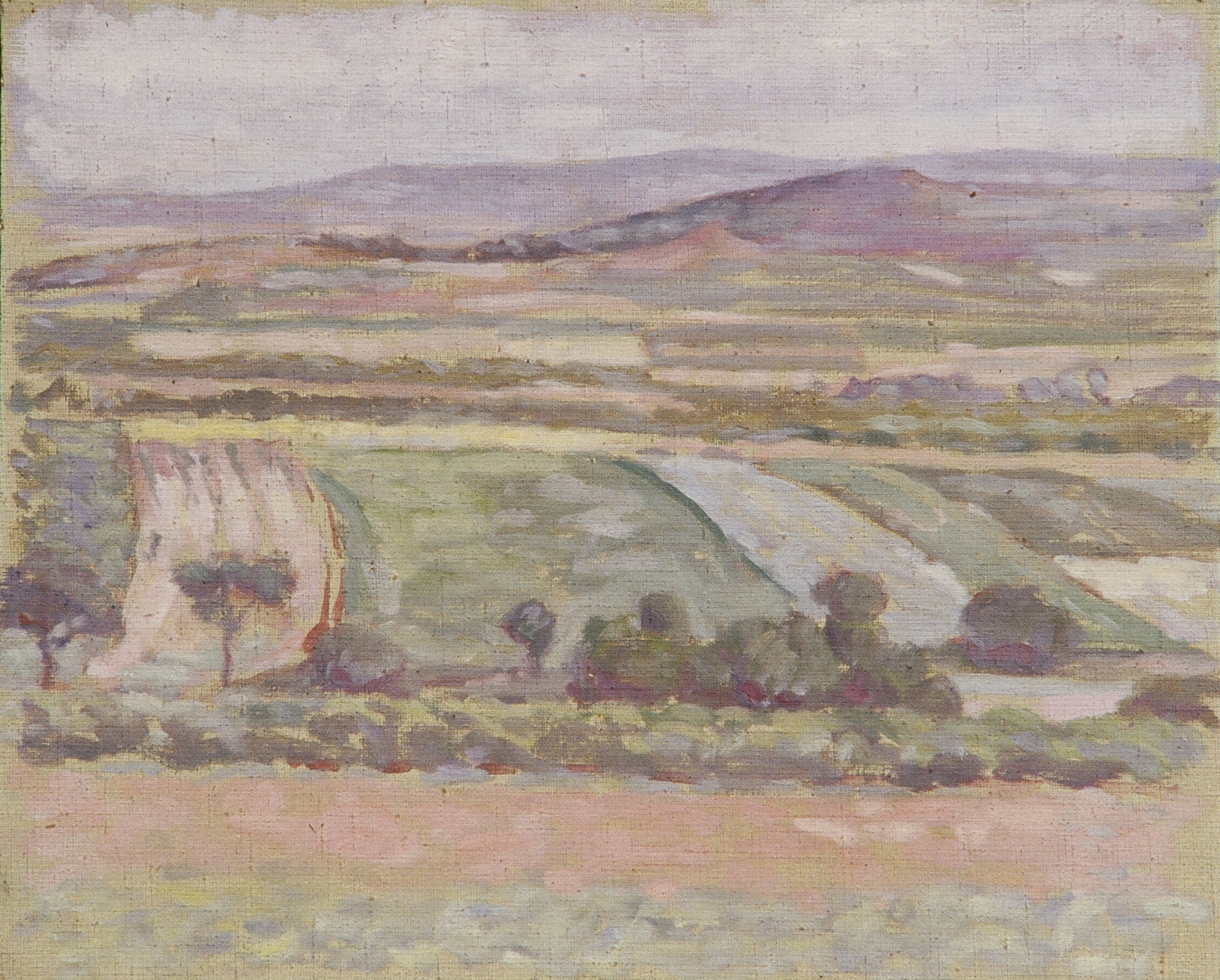
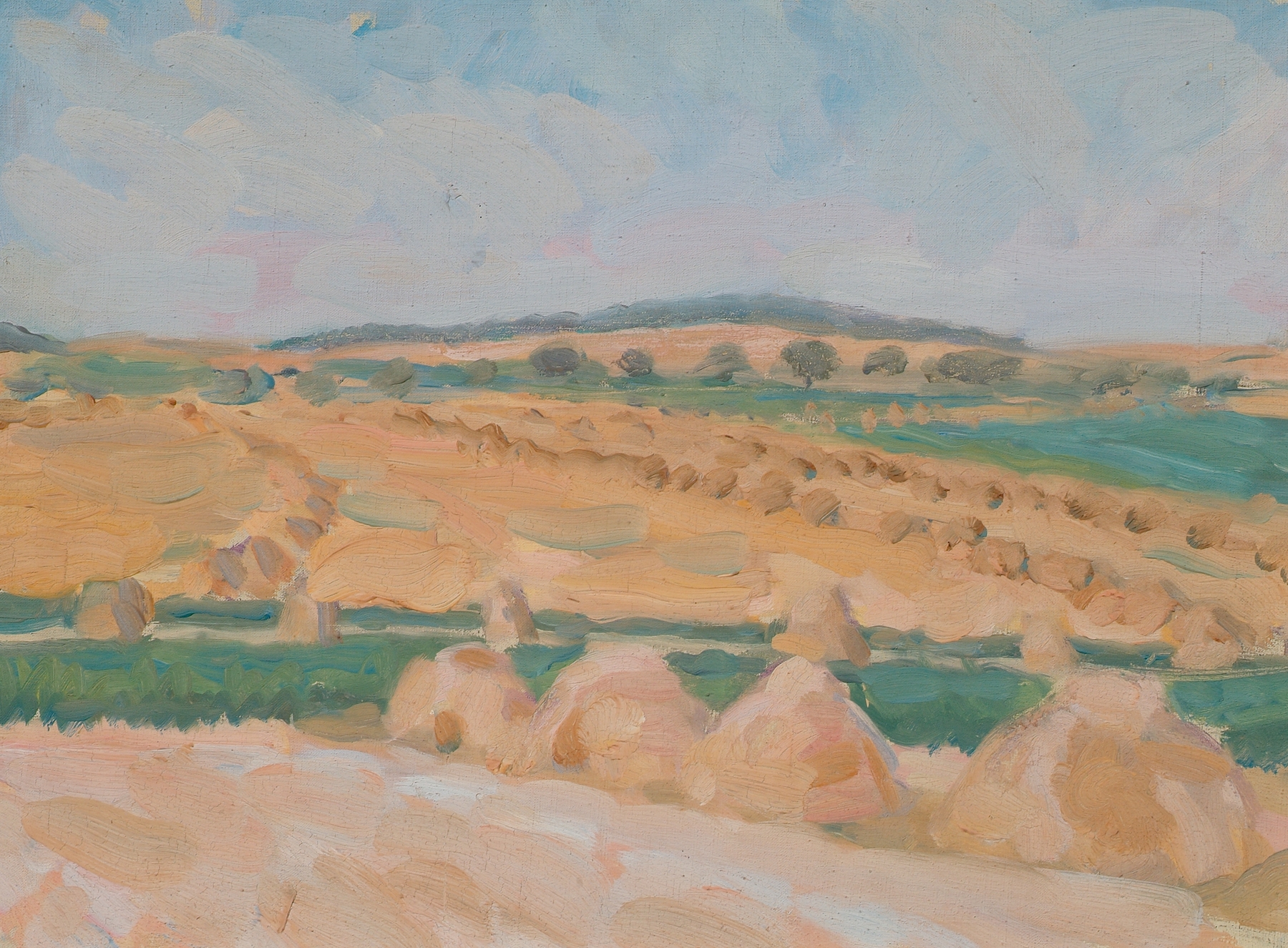
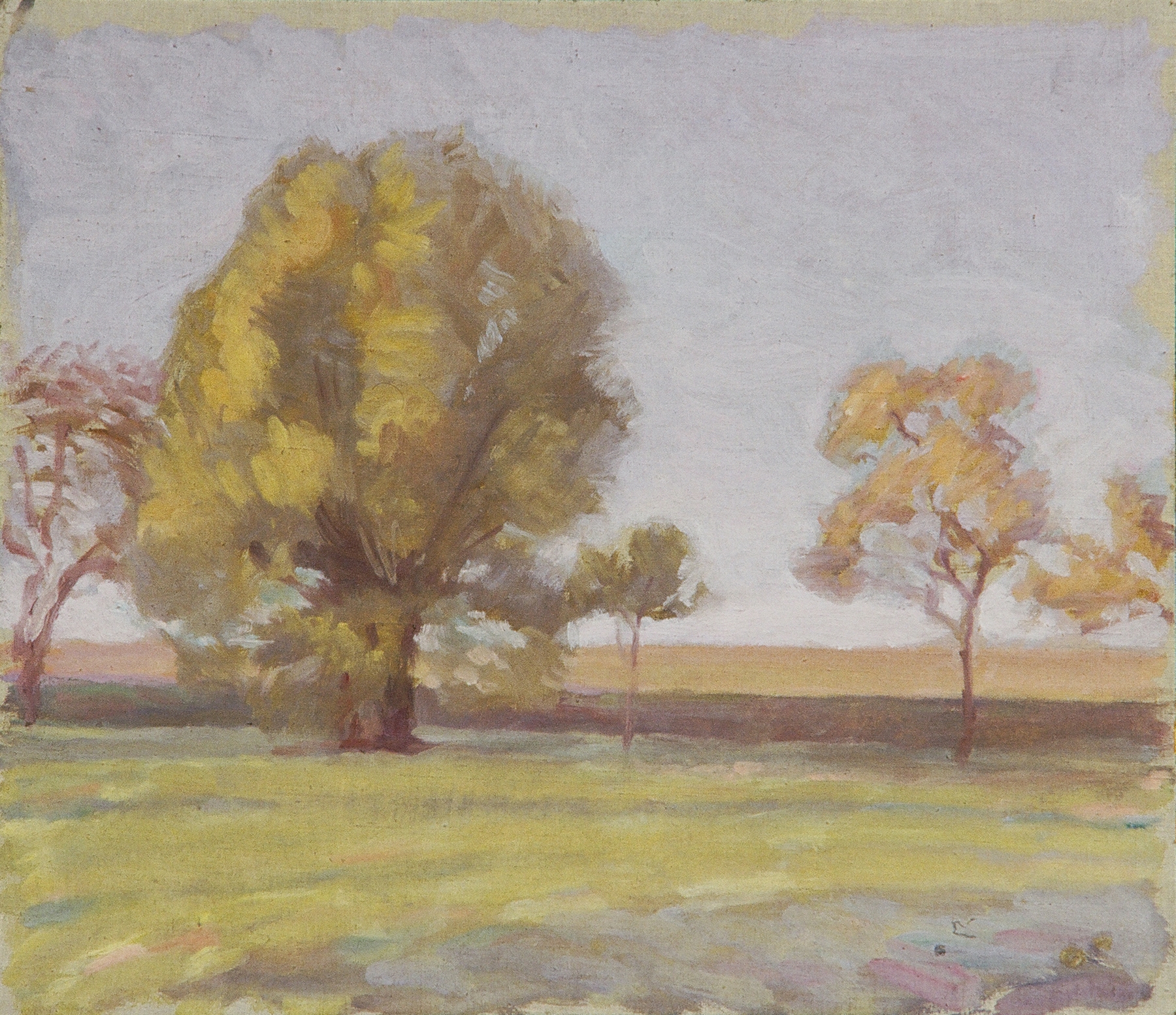
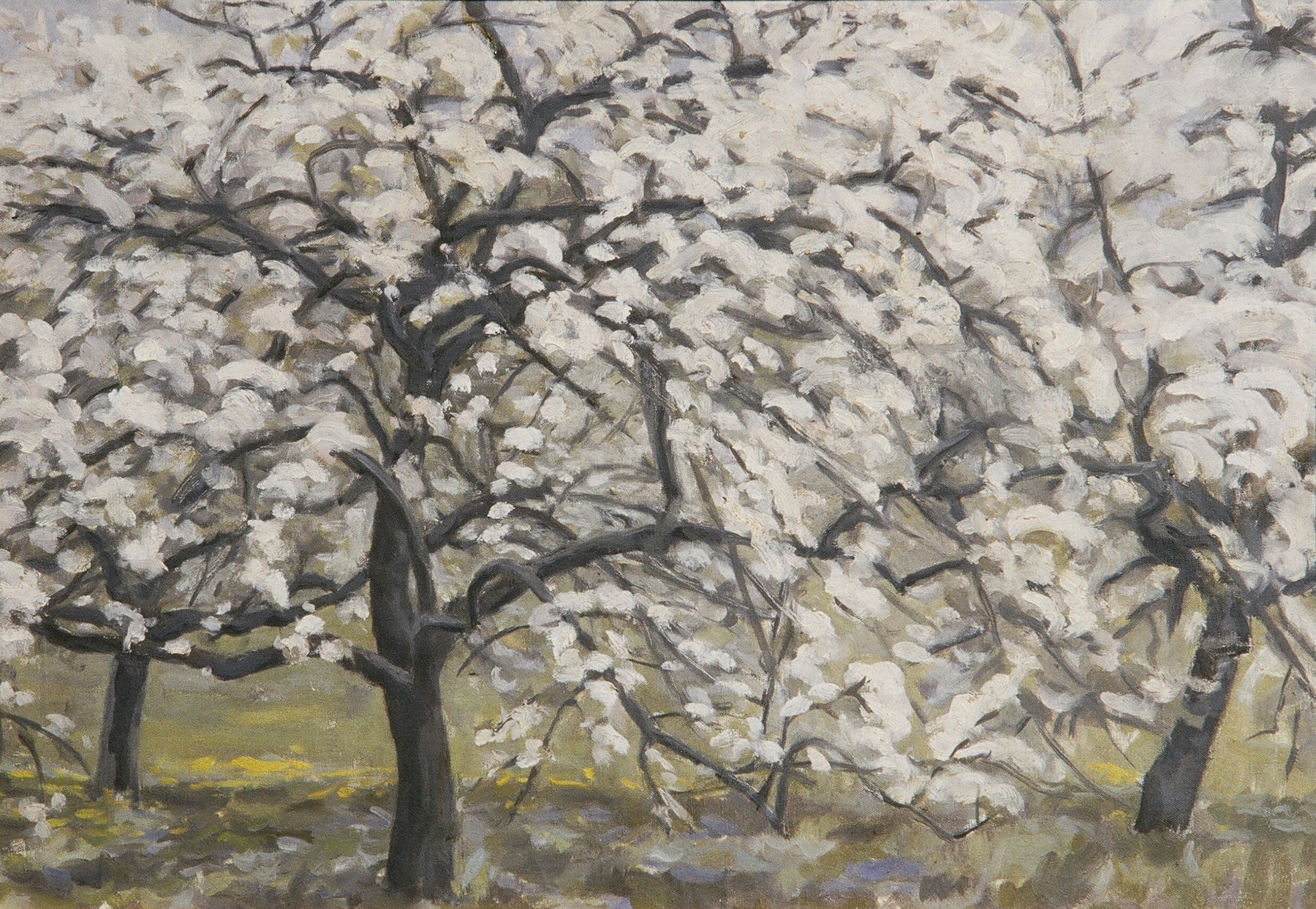
“Sometimes beauty is just pain, disguised in gold.” In the quiet realms of interpretation, this notion resonates within the undulating hills of Hügelige Landschaft. It evokes the paradoxical relationship between hope and despair, inviting us to venture deeper into its serene yet poignant landscape. Look to the center of the canvas where soft, rolling hills stretch endlessly, layered in shades of emerald and gold. Notice how the light dances across the surface, casting gentle shadows that beckon you to explore further.
The brushwork is both deliberate and fluid, creating a rhythmic flow that guides the viewer’s eye through the composition. The palette is warm but subdued, hinting at the emotional complexity beneath the surface, blending vibrant greens with whispers of ochre that suggest both growth and decay. Within the landscape lies the essence of transformation; the hills symbolize the highs and lows of life, where each rise offers a vantage point and each dip suggests the weight of struggle. The textured strokes might reflect the artist’s inner turmoil or the universal quest for meaning among the tumult of existence.
Here, hope emerges quietly, almost imperceptibly, like light filtering through a canopy, inviting contemplation on the beauty that can arise from pain and uncertainty. Walther Gamerith painted Hügelige Landschaft during a time when the art world was evolving, likely amidst the backdrop of early 20th-century European turmoil. His work reflects a shift toward expressionism, where emotional resonance took precedence over realism. Gamerith’s engagement with color and form during this period underscores his desire to capture the transient essence of hope, layered in the complexities of the human experience.