Holländische Wiesenlandschaft — History & Analysis
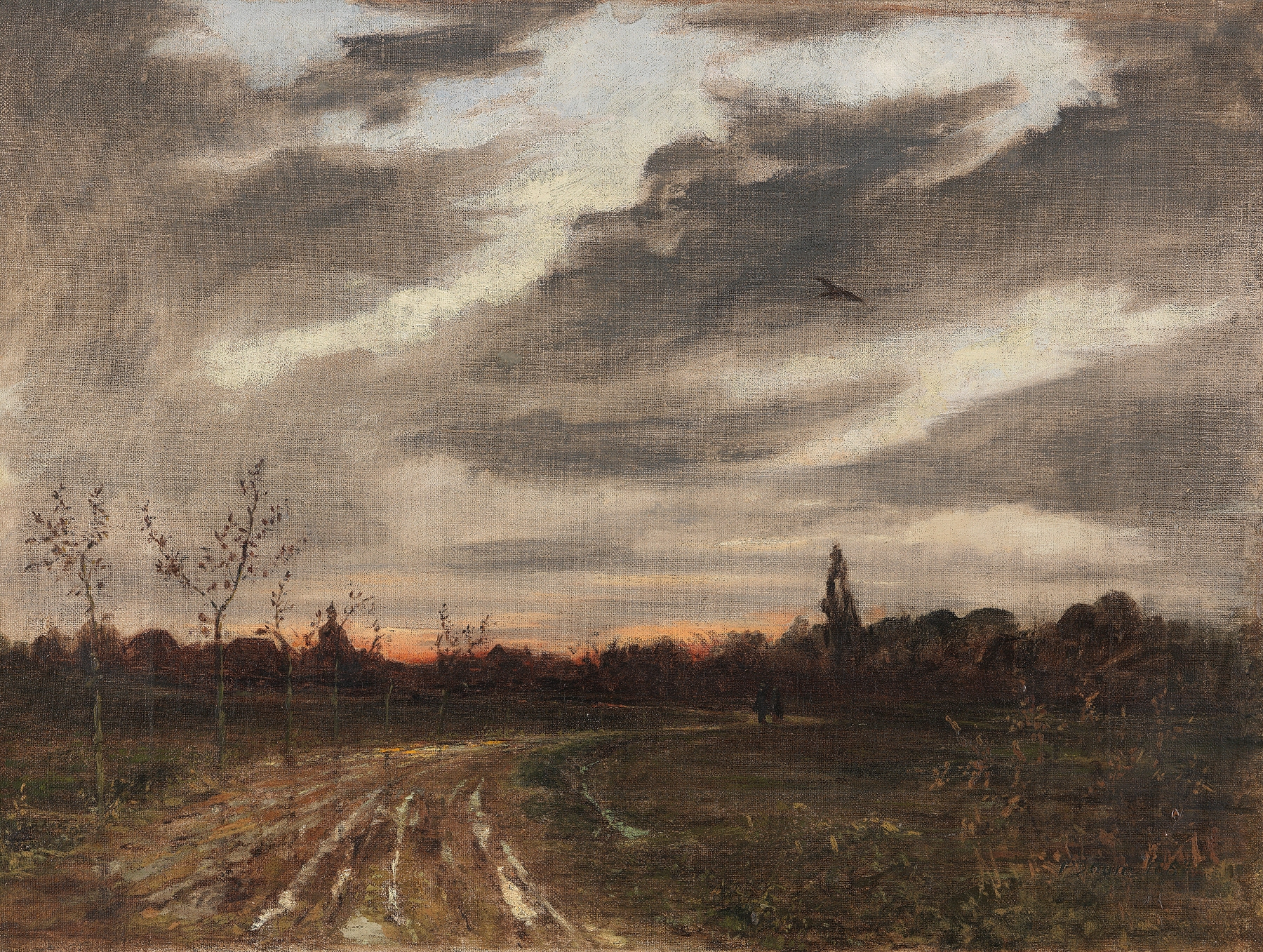
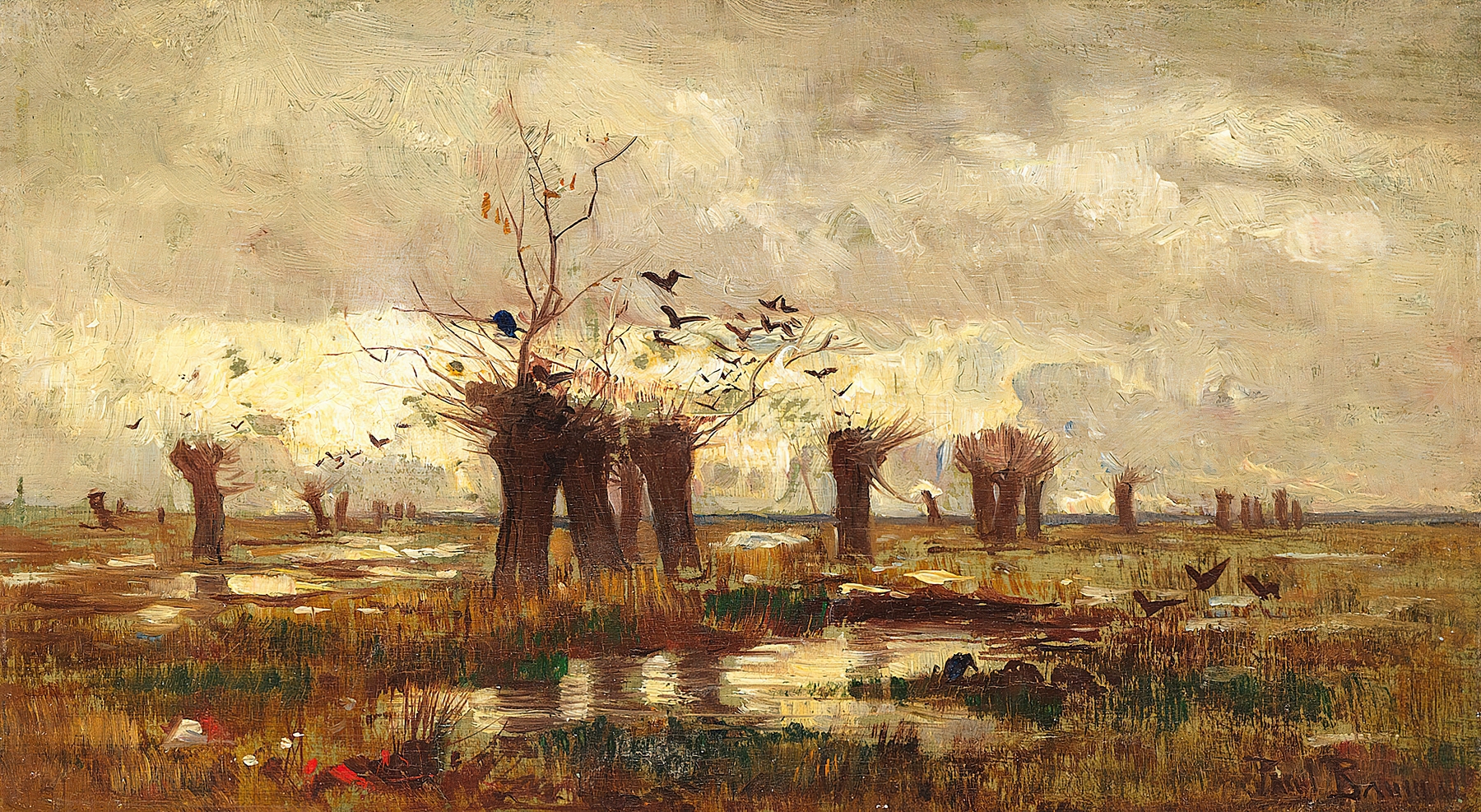
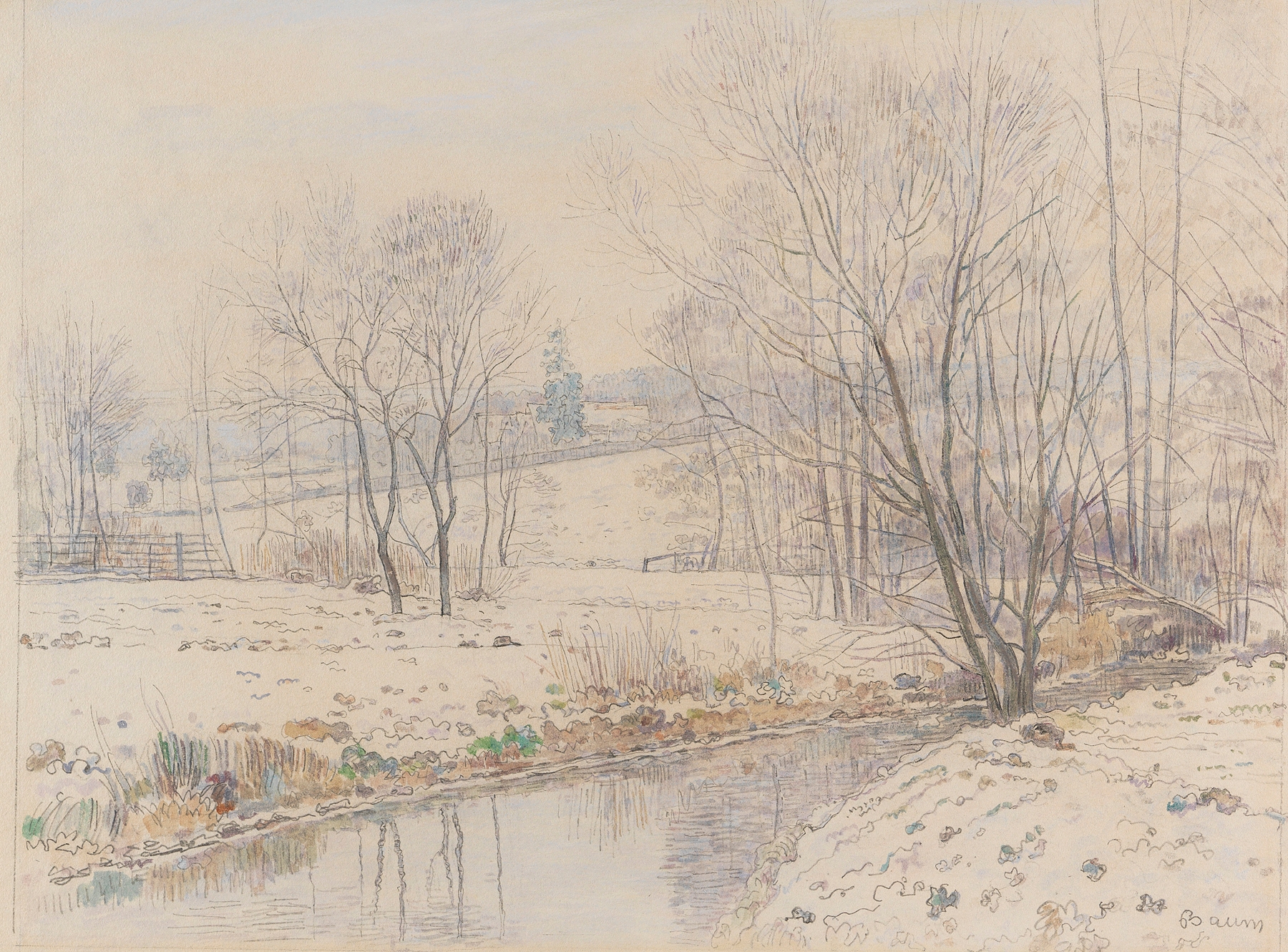
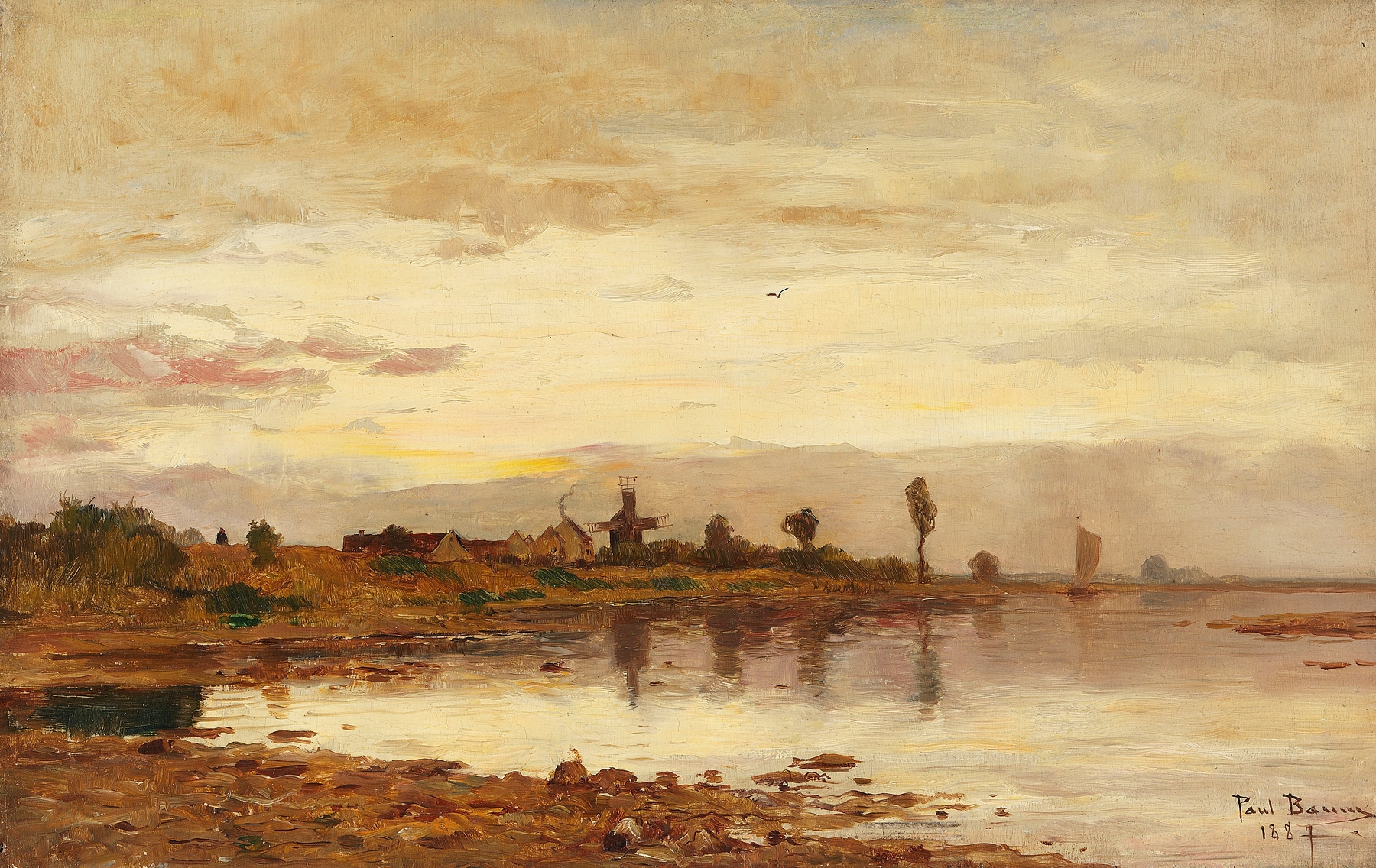
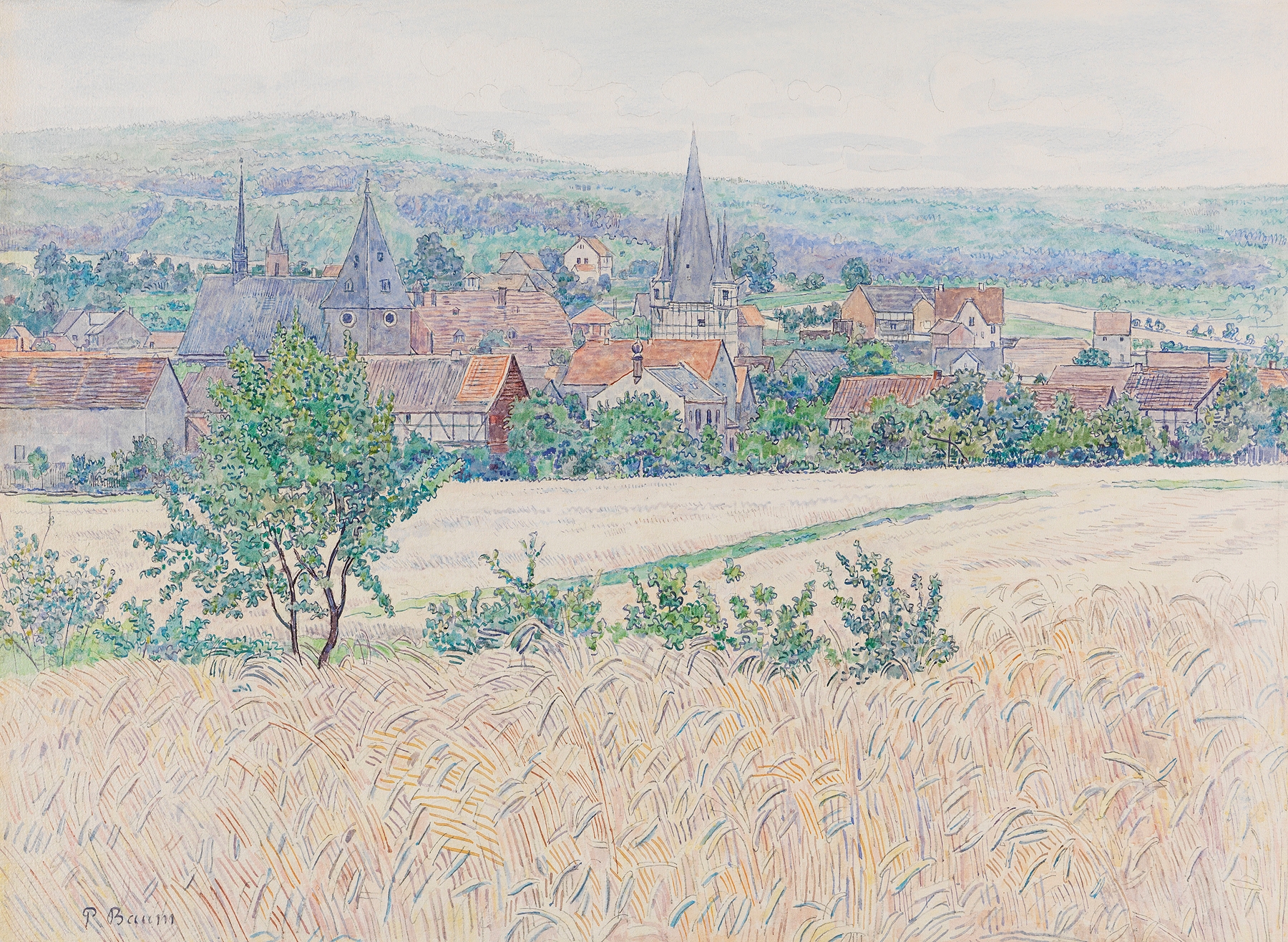
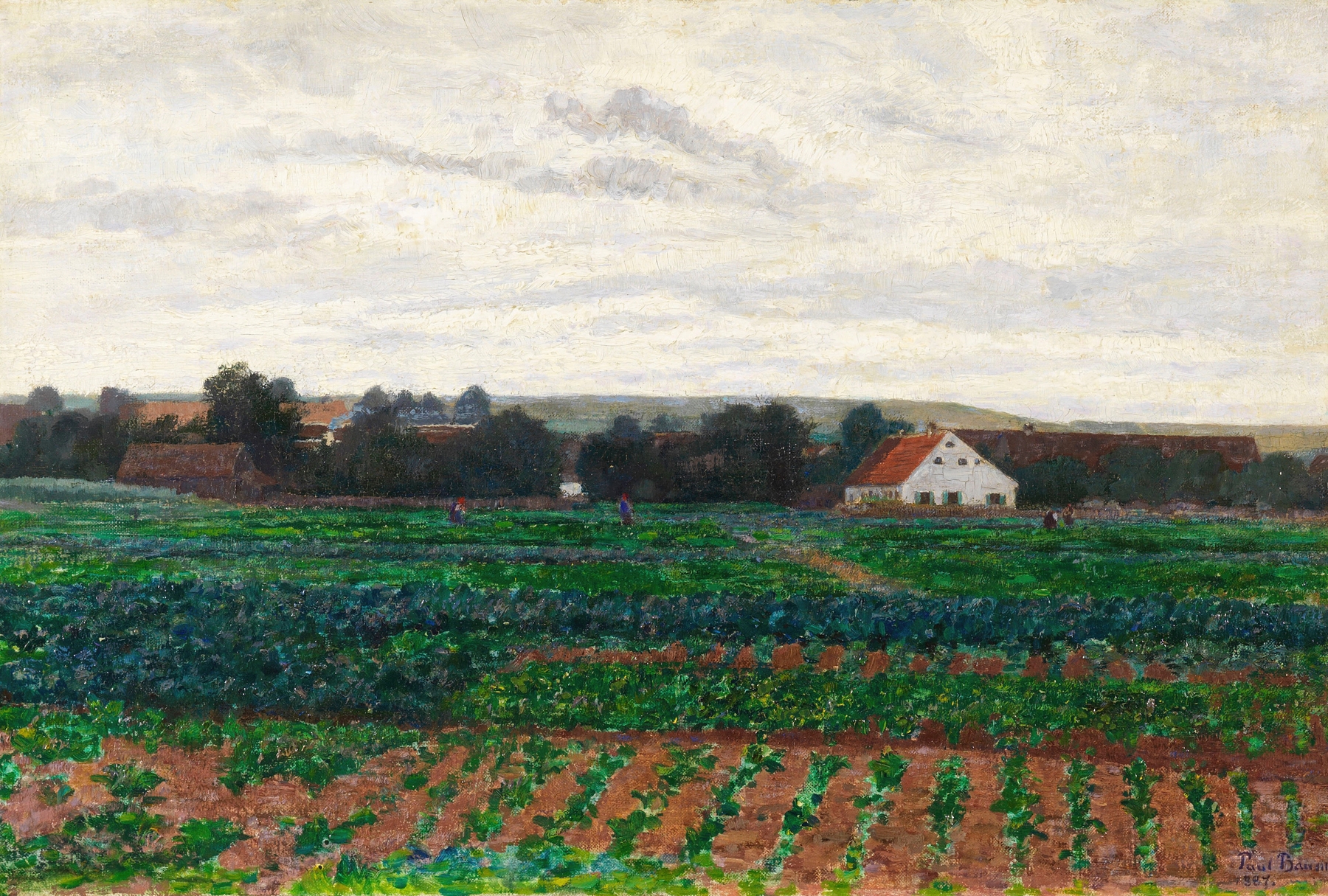
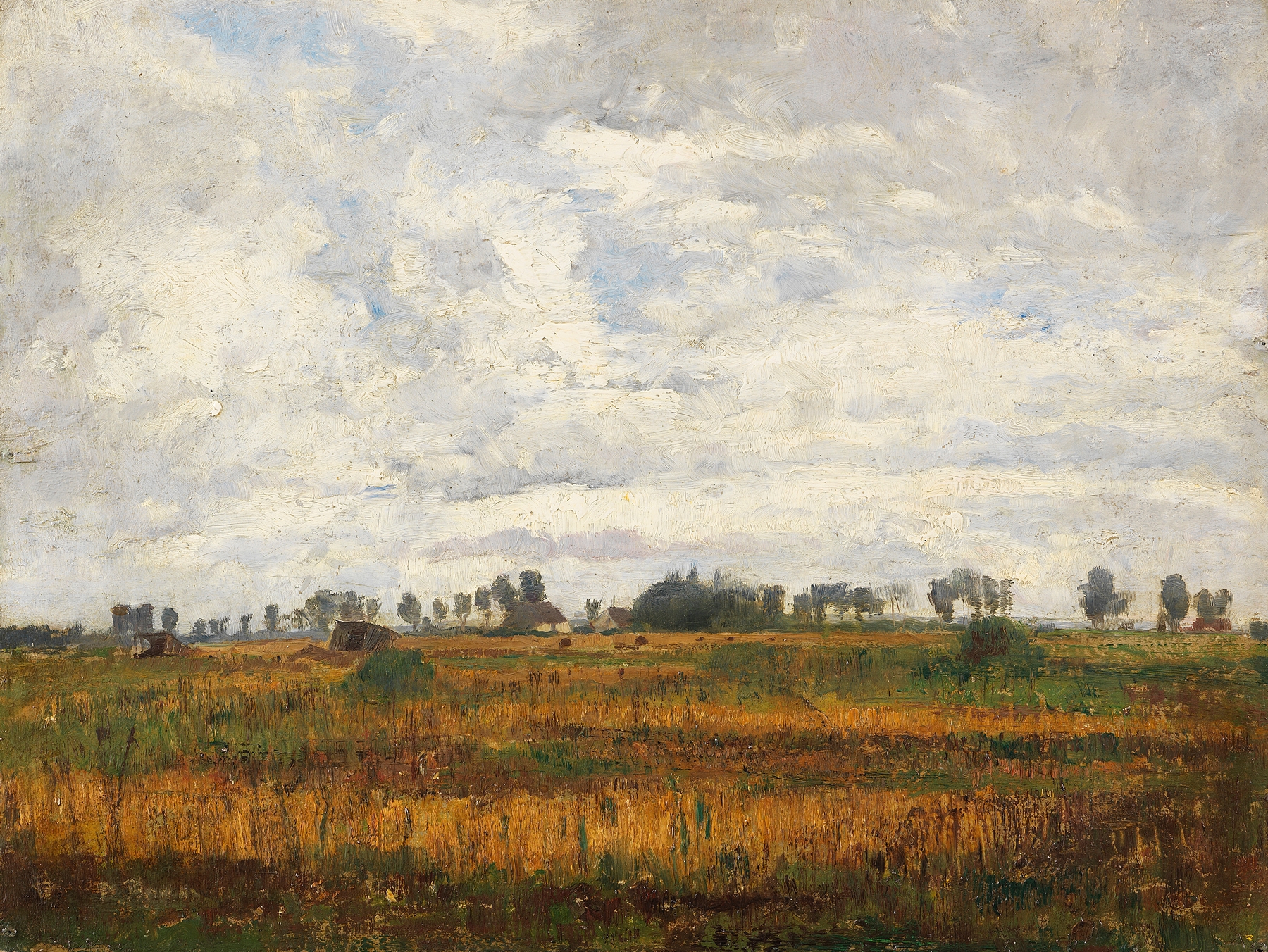
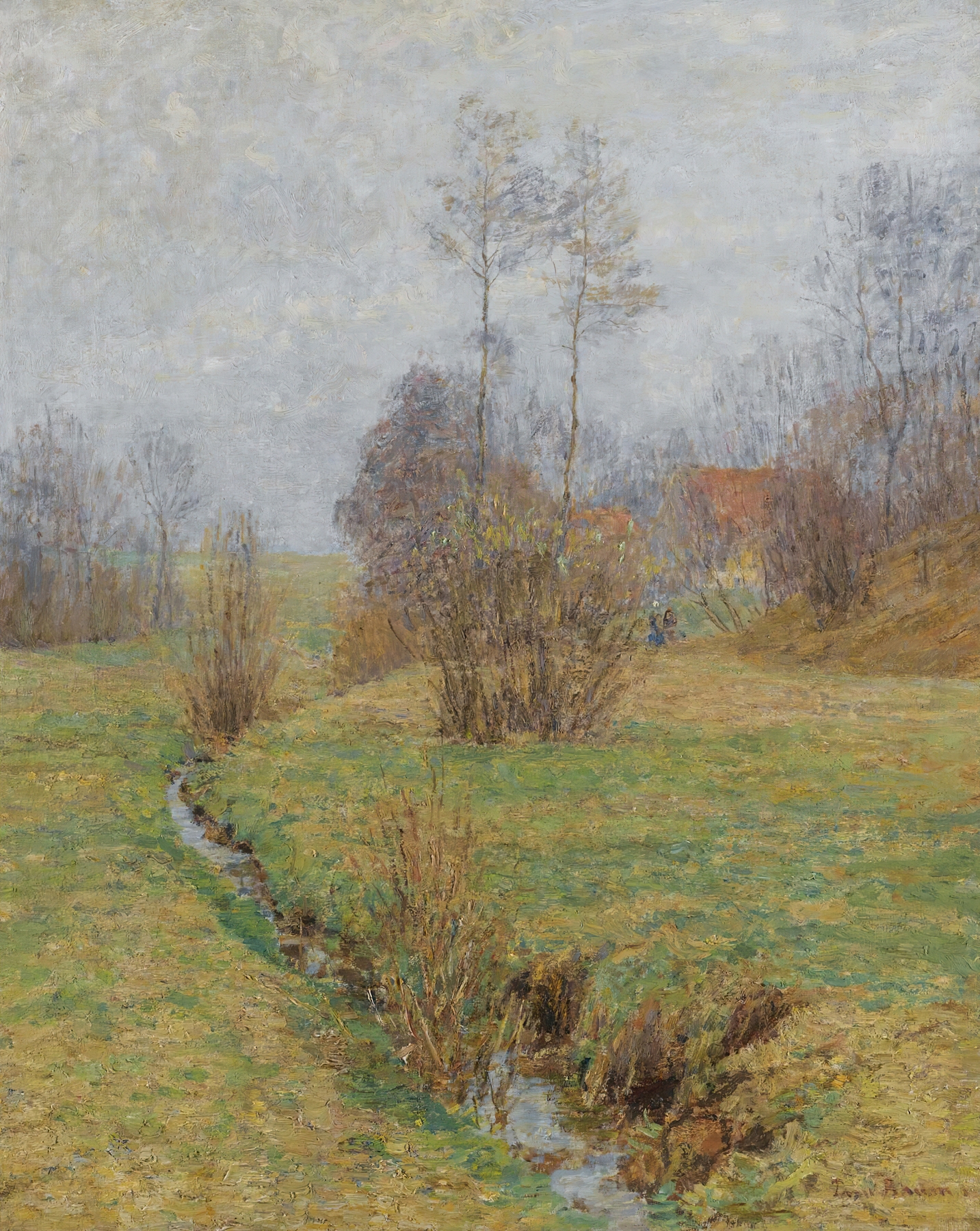
“Between color and silence, truth hides.” In a world overflowing with noise, the quiet expanses of a solitary landscape often speak the loudest truths about loneliness and reflection. Look first to the sweeping horizon, where hues of green and gold merge seamlessly in a tranquil embrace. The brushstrokes undulate gently, inviting the viewer to trace the gentle curves of the meadow. Notice how the light dances across the fields, casting shadows that breathe life into the scene while reinforcing the stillness that reigns—a stark contrast that heightens the sense of isolation.
As you delve deeper, observe the delicate interplay between the vibrant patches of wildflowers and the muted tones of the grassy plains. Each bloom stands as a testimony to resilience, yet their isolation mirrors the loneliness of the landscape itself. The sparse, open sky above looms vast and unyielding, suggesting both freedom and a profound emptiness that permeates the scene. It is a bittersweet invitation to ponder the duality of existence—beauty residing within solitude.
In 1906, the artist created this work while living in Germany, a period marked by growing interest in the natural world and its representation in art. Baum was part of the burgeoning Expressionist movement, seeking to capture emotional truths through landscape. As he painted, he navigated his own experiences of loneliness and connection with nature, reflecting broader changes in society and artistic exploration during this era.