House Where First American Flag Was Made — History & Analysis
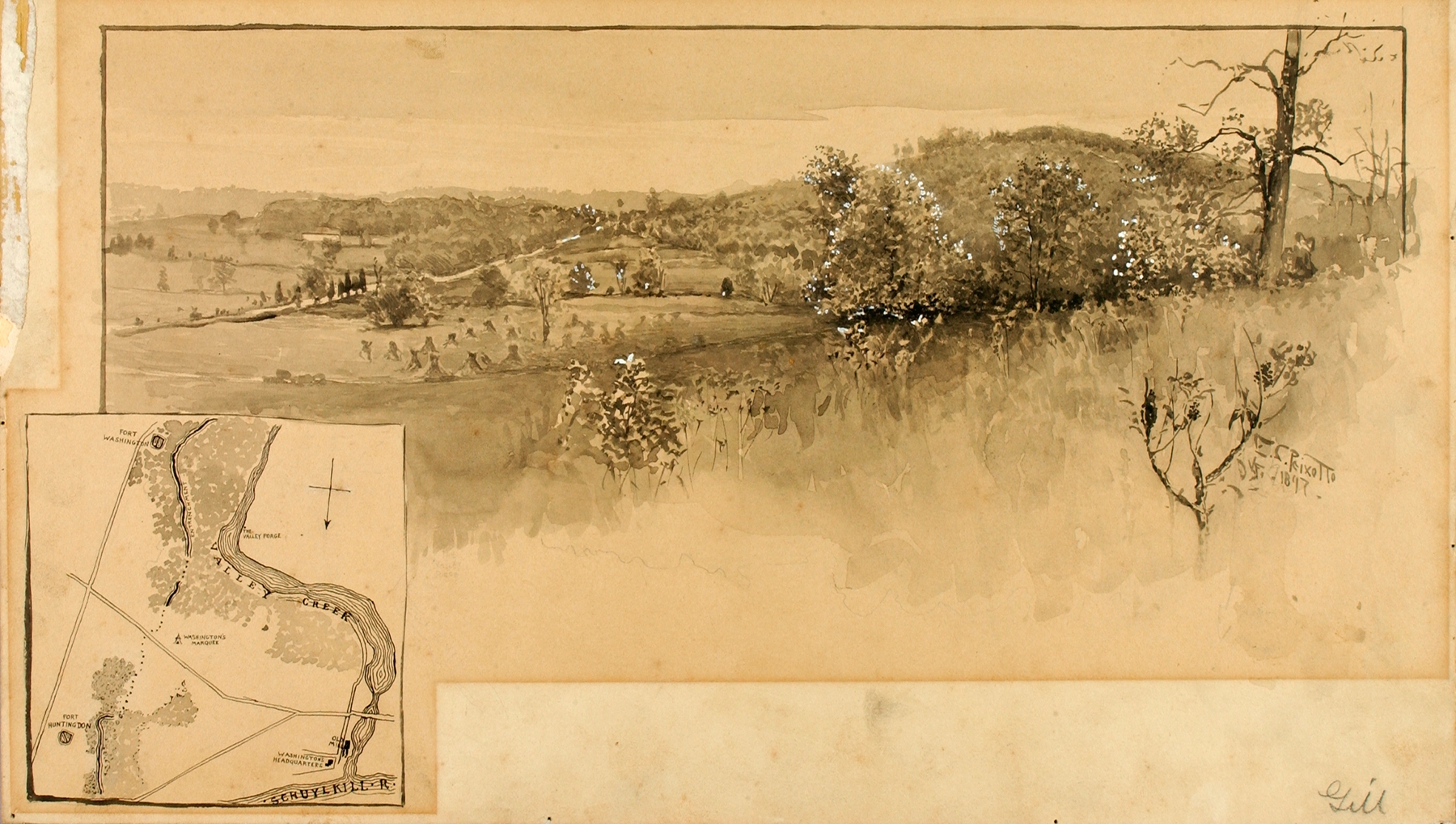
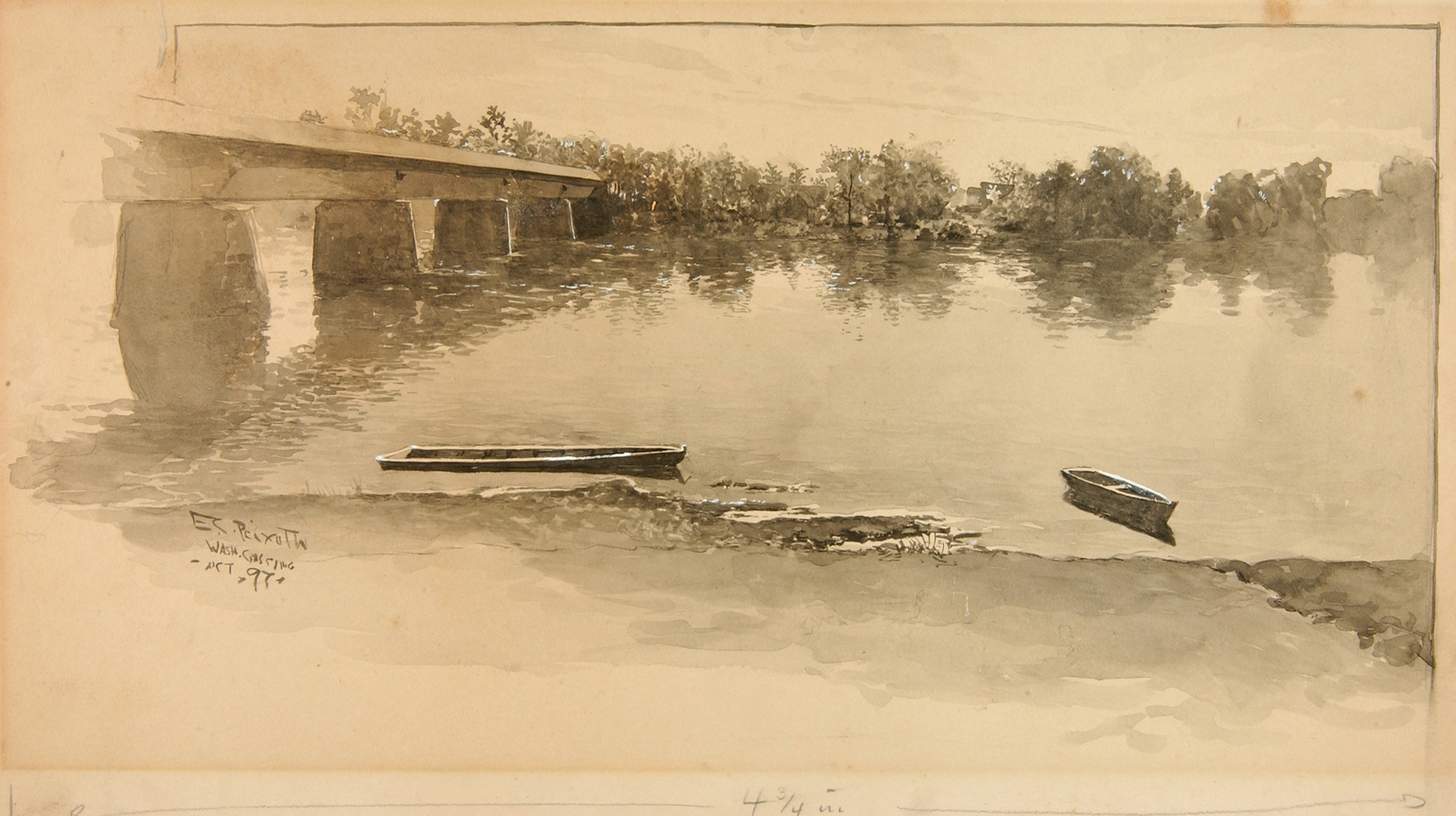
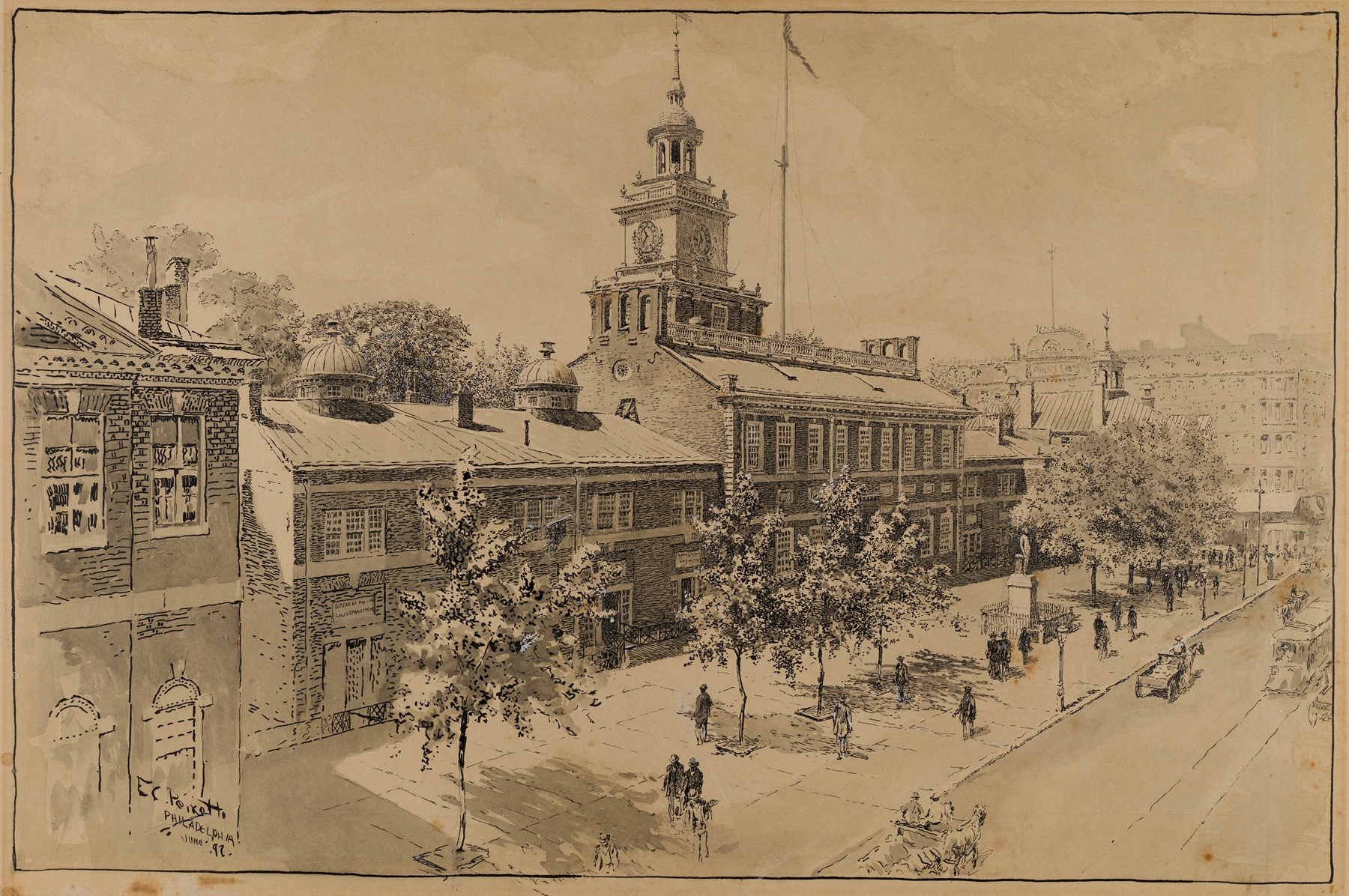
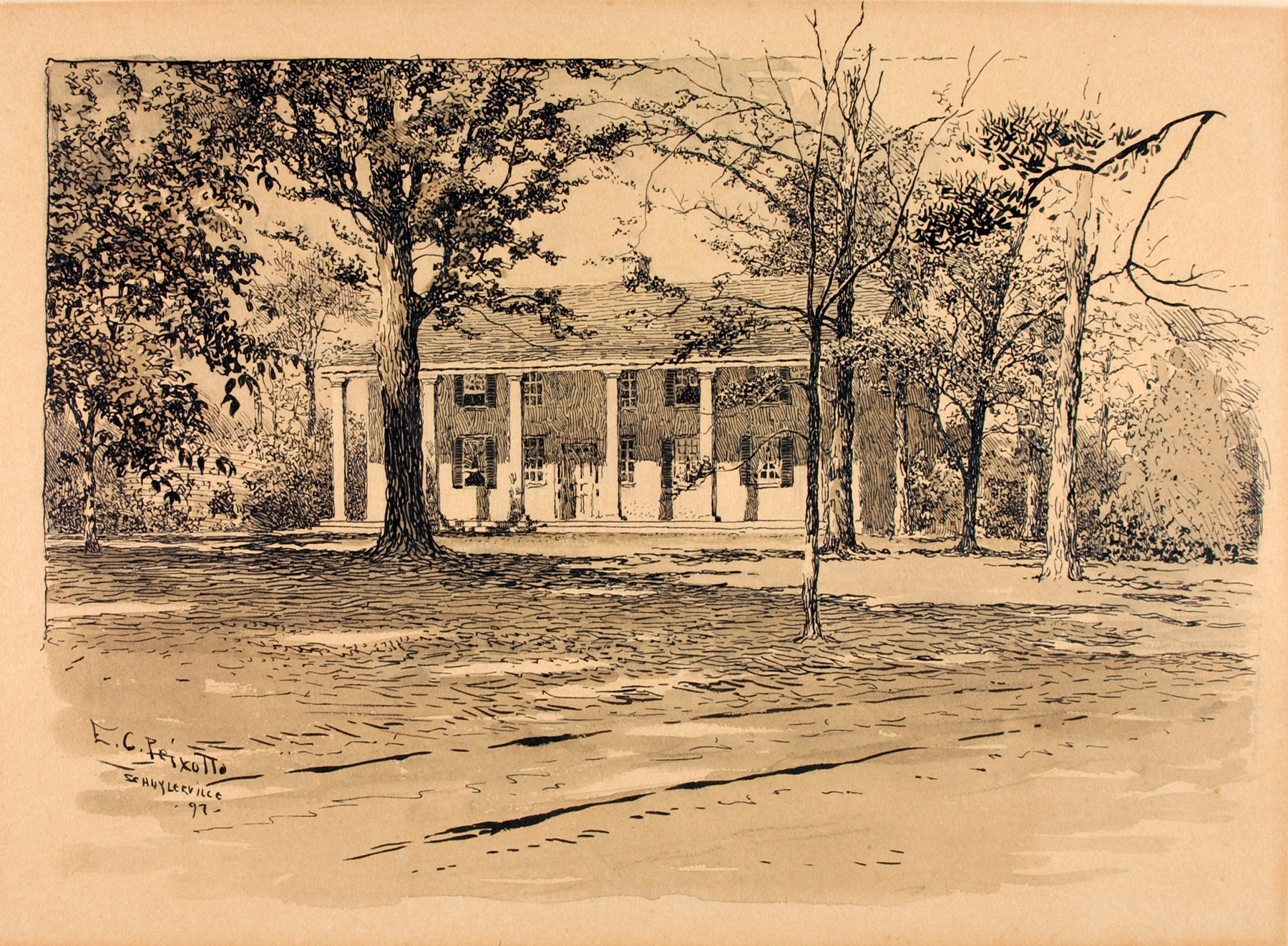
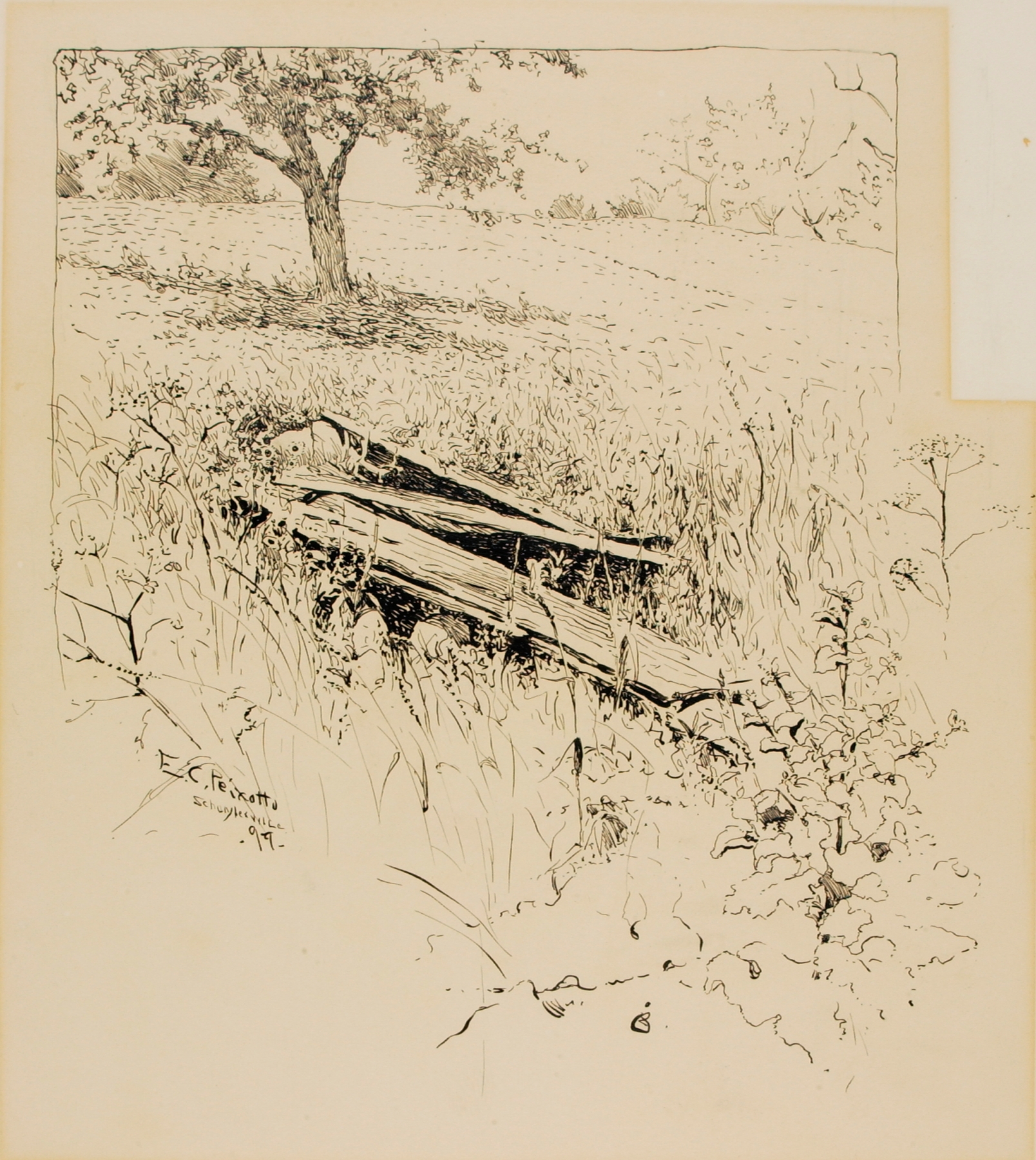
“Between color and silence, truth hides.” In moments of awakening, history whispers through the layers of time, inviting us to discover the stories concealed within familiar spaces. Look closely at the vibrant yet muted palette that characterizes this work. Focus on the wooden planks of the house, their weathered texture telling tales of resilience and legacy. Notice how the sunlight filters through the trees, casting dappled shadows on the ground, evoking a sense of warmth and nostalgia.
The carefully rendered details of the architecture and the flag draped across the front symbolize not just a physical structure but a pivotal moment in American identity. In this painting, one can sense a juxtaposition of the ordinary and the extraordinary. The house stands as a quiet witness to a revolutionary act, where craftsmanship and patriotism intertwine. The fluttering flag is a powerful reminder of the aspirations and struggles that forged a nation, while the surrounding nature hints at the passage of time.
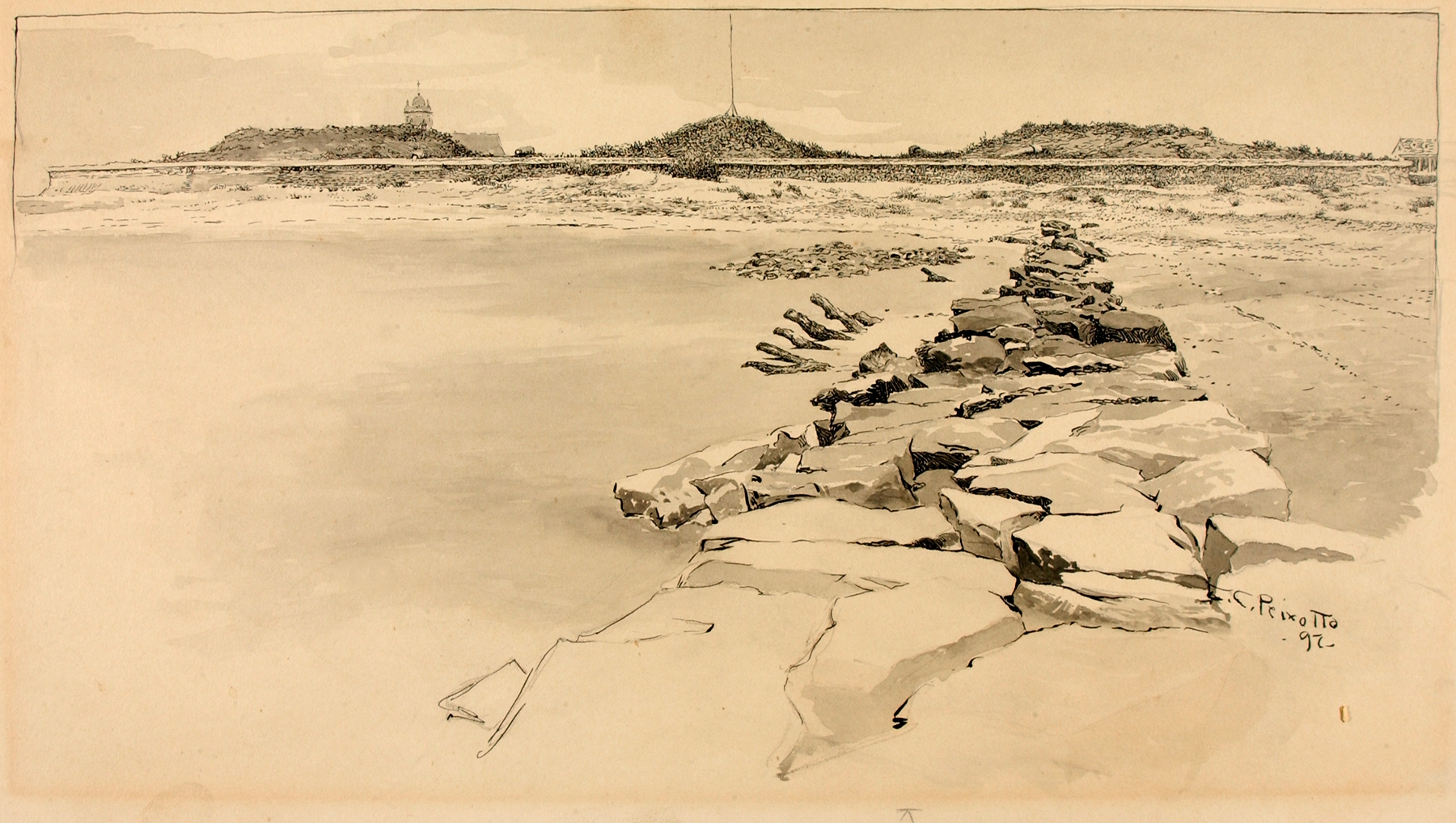
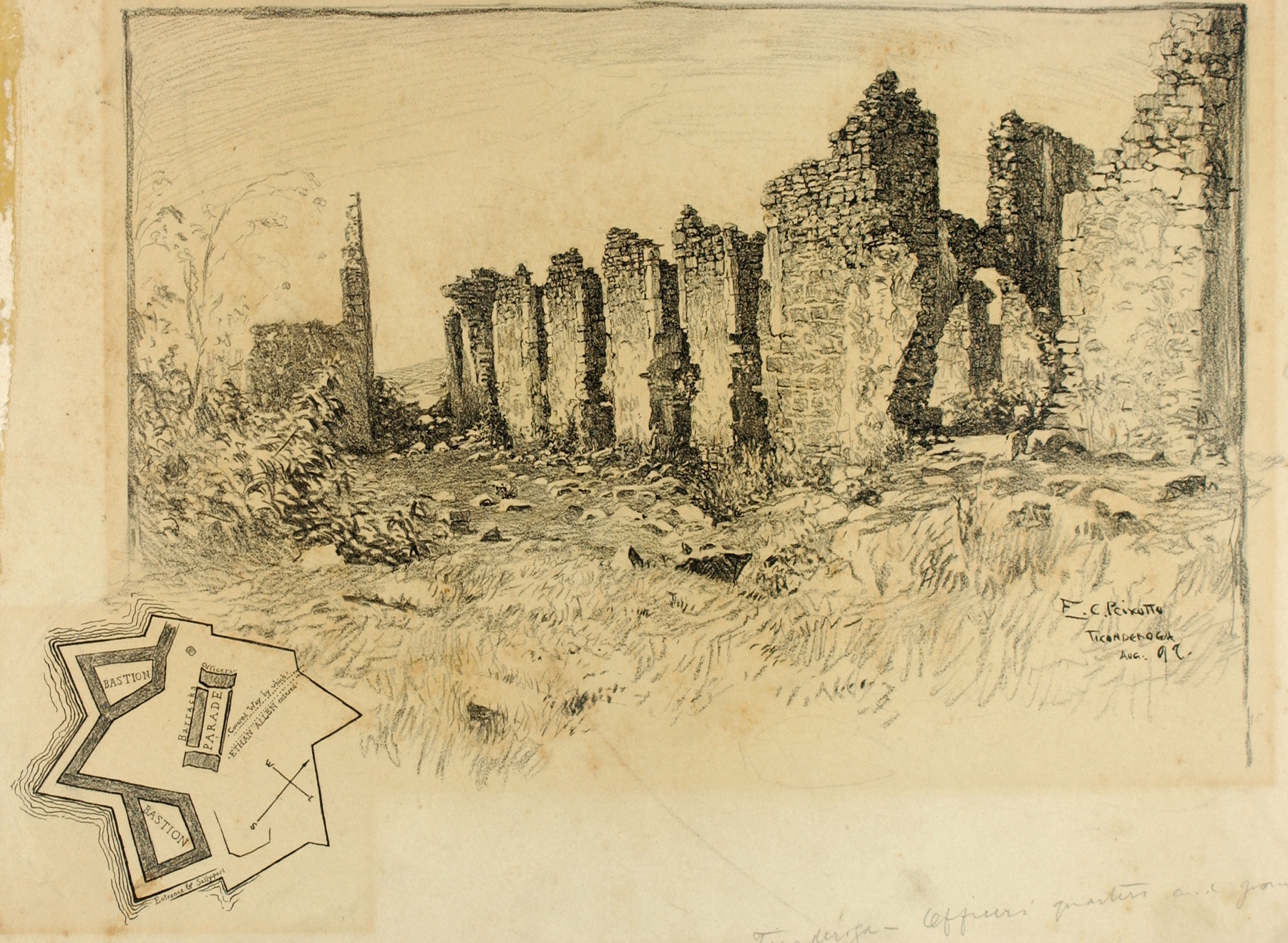
This contrast between the stillness of the building and the vibrant energy of the flag encapsulates the spirit of an awakening—a reminder of what was and what could be. Created in 1897, this artwork emerged during a period of renewed interest in American history and identity, as the nation was reflecting on its past while shaping its future. Peixotto, a painter known for his depictions of American landscapes and historic moments, painted this piece amid a rich revival of patriotic themes in art. His work captures not only a physical landmark but also the collective memory of a nation still in the throes of defining itself.