Philadelphia, Independence Hall, Chestnut Street — History & Analysis
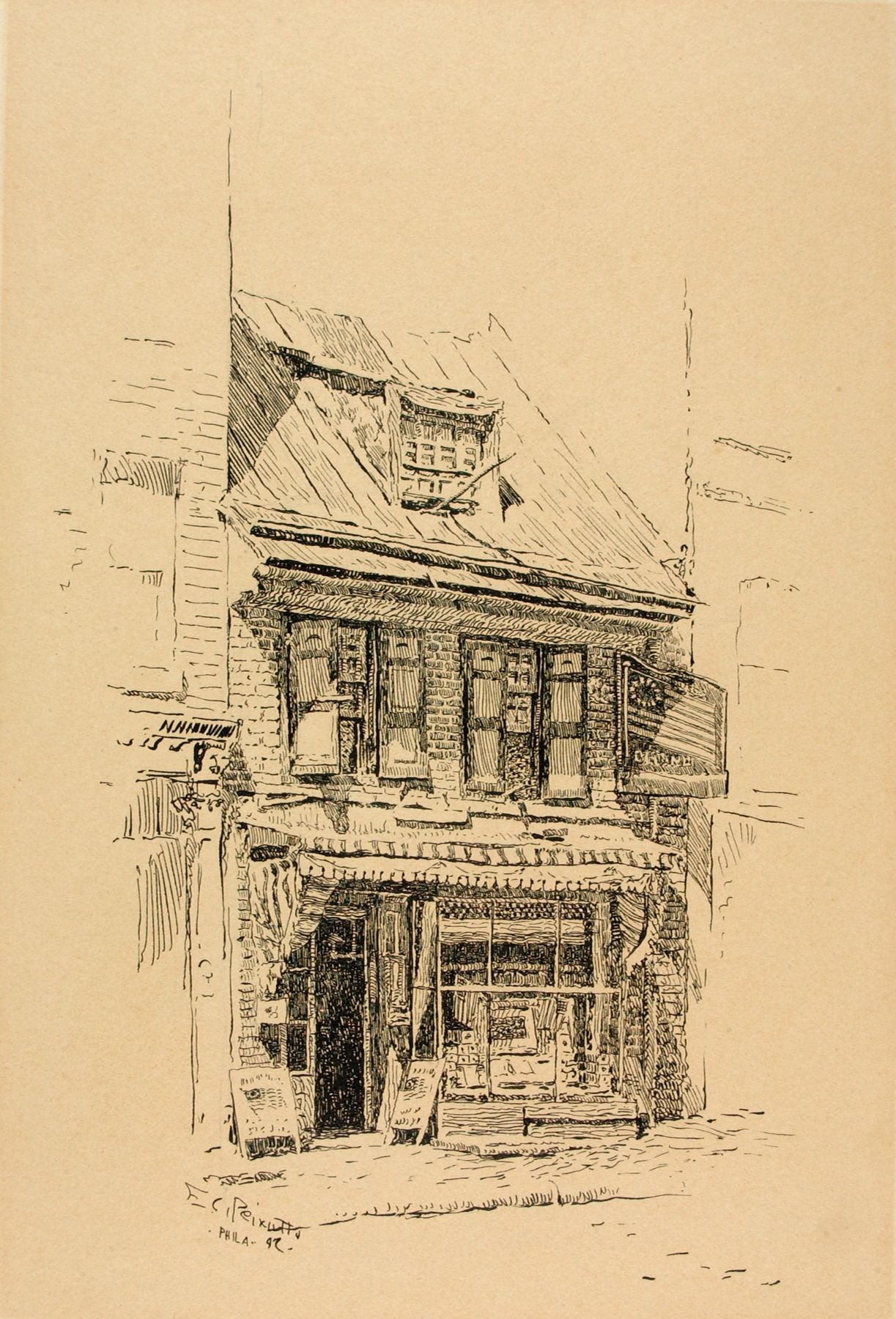
“The canvas doesn’t lie — it simply waits.” In the hush of a bustling city, the weight of history hangs in the air like a whispered secret. Time stands still, yet it flows incessantly, urging each passerby towards their inevitable fate. An invitation to reflect on mortality, the painting encapsulates both the vibrancy of life and the quietude of legacy. Look closely at the foreground, where figures bustle along Chestnut Street, their silhouettes framed against the stately facade of Independence Hall. A soft, golden light bathes the scene, casting long shadows that dance with the rhythm of daily life.
Notice how the artist masterfully employs warm ochres and cool blues, contrasting the permanence of the stone structure with the ephemeral nature of the human experience. Each brushstroke seems to breathe, merging the living world with the echoes of the past. Delve deeper into the composition, where the juxtaposition of the hall’s unwavering solidity and the fluidity of the figures suggests a meditation on transience. The imposing architecture stands as a testament to ideals and dreams that outlast individual lives, while the pedestrians remind us of the fleeting moments that shape our existence.
This interplay creates a tension between the grand ambitions of history and the quiet, often overlooked passage of time that we all experience. Painted in the early 20th century, during a period when America was grappling with its identity and place in the world, the artist found inspiration in the very heart of Philadelphia. The city, steeped in revolutionary heritage, mirrored the artist's own explorations into the themes of legacy and permanence. While the world of art was shifting towards modernism, the artist’s work here captures a reflective pause, a moment to honor what has come before even as society hurtles forward.