Saratoga. General Schuyler’s House — History & Analysis
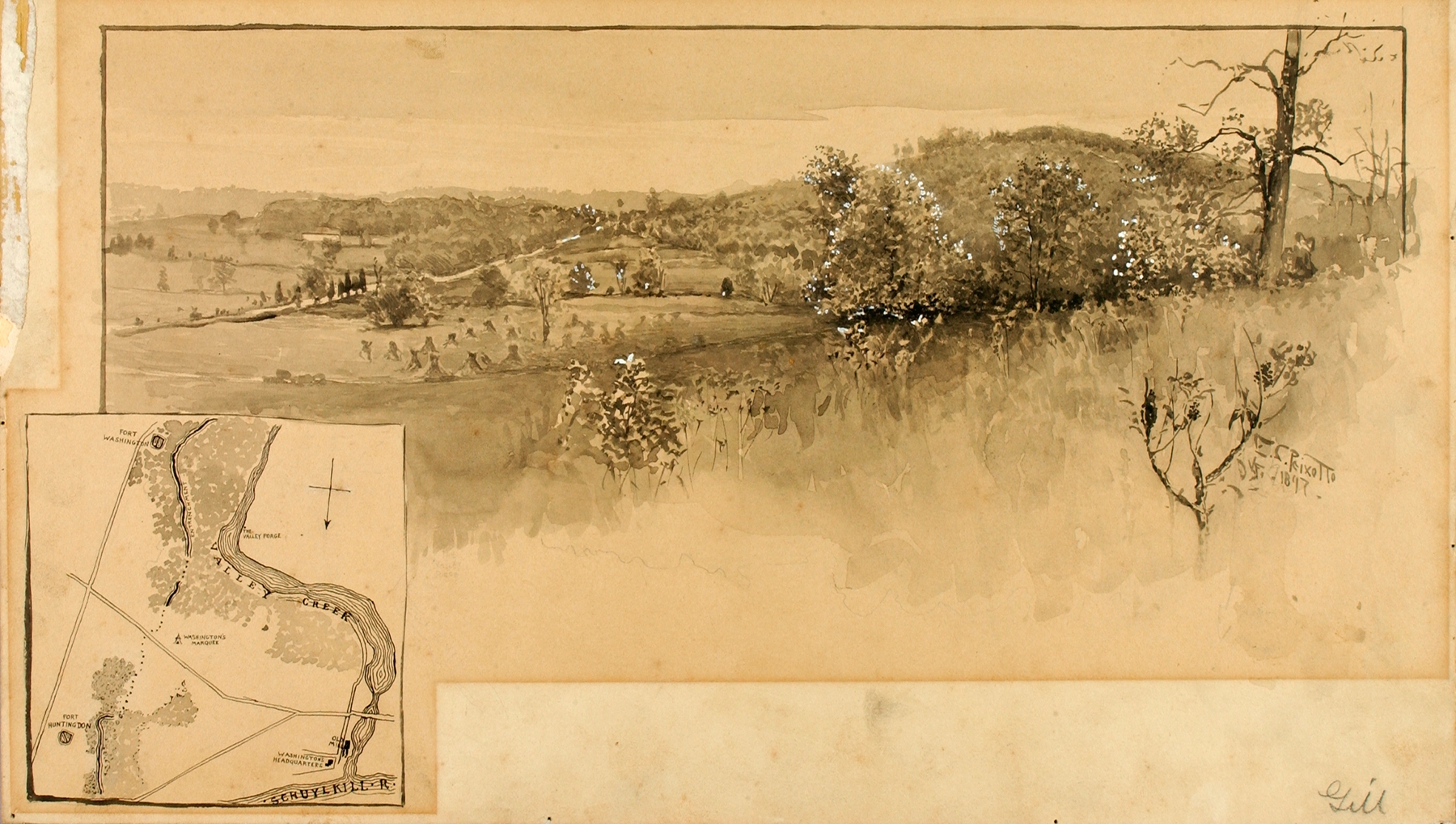
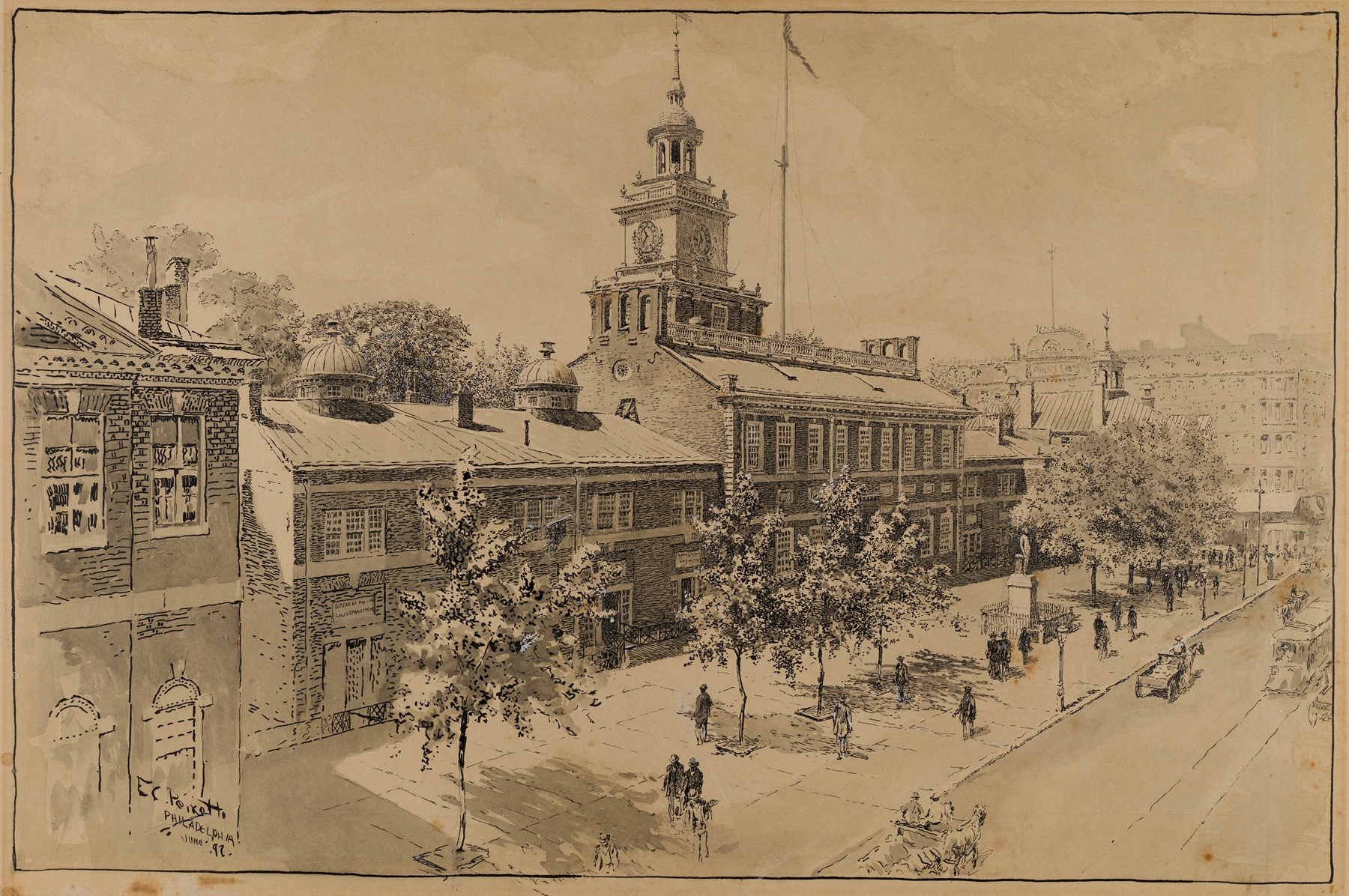
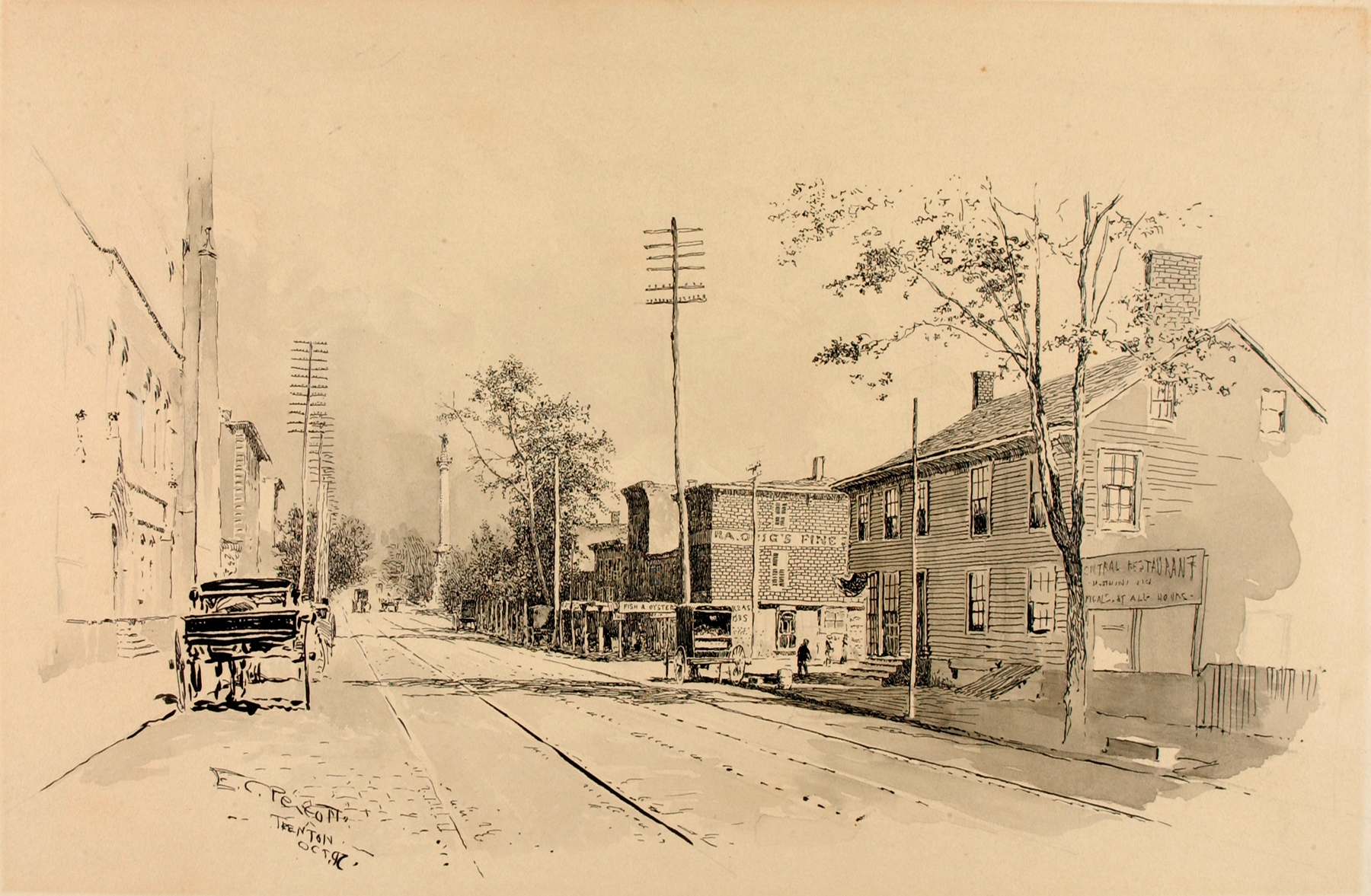
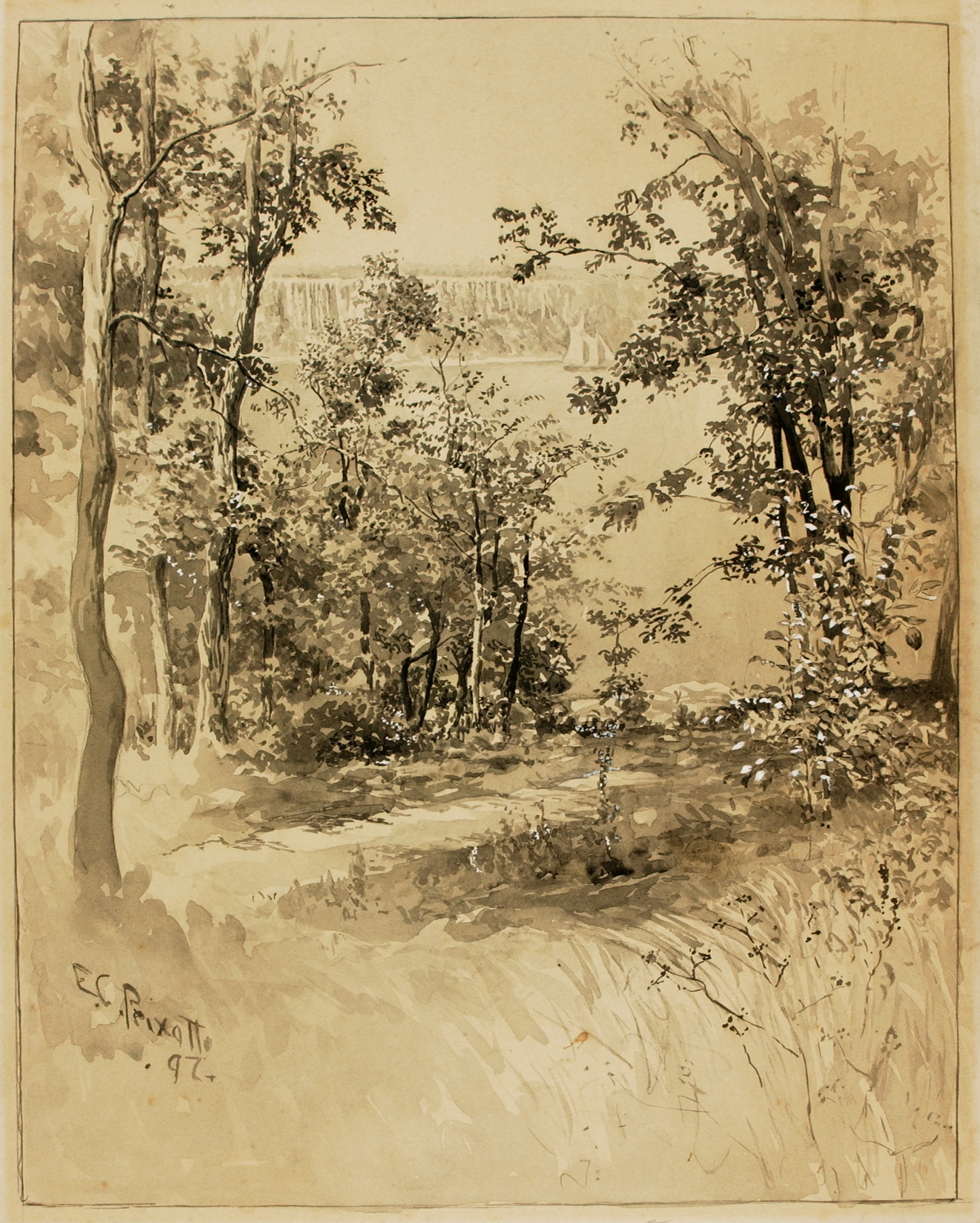
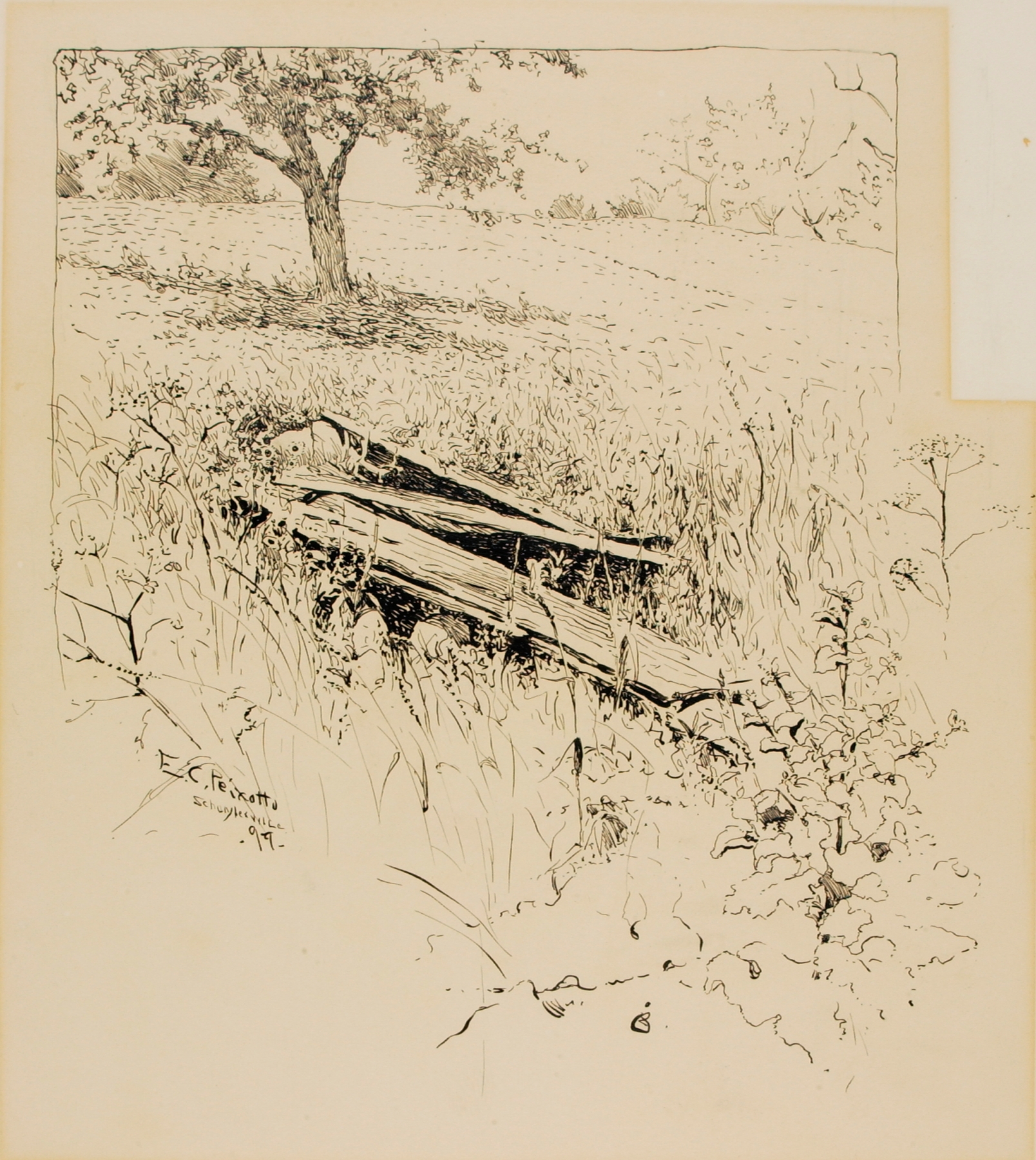
Could beauty survive in a century of chaos? Saratoga. General Schuyler’s House encapsulates a moment that whispers of fragility amid the relentless march of time, inviting contemplation on the impermanence of human creation. Focus on the striking interplay of light and shadow as it caresses the historic facade of the house.
The artist masterfully employs soft hues, where warm browns and muted greens harmonize, evoking a sense of nostalgia and tranquility. Notice the careful attention to detail; the ornate woodwork and the gentle wear on the walls suggest a rich history, while the inviting front porch beckons the viewer into a world where memories linger like the fading sunlight. Within this serene composition lies an underlying tension, a juxtaposition of permanence and decay. The stately structure stands resolute, yet the encroaching foliage hints at nature's reclamation, a reminder that beauty is always on the brink of dissolution.
The delicate balance between the architectural strength and the soft embrace of nature speaks to the fragility of all things, prompting reflection on what endures and what is lost. Created in 1897, during a period of rapid industrial change in America, Peixotto captured this scene while living in the transformative milieu of the Gilded Age. As the nation grappled with the clash between progress and preservation, the artist sought to document the remnants of a simpler era through his work, emphasizing the importance of remembering our roots amidst the chaos of modernity.