Valley Forge — History & Analysis
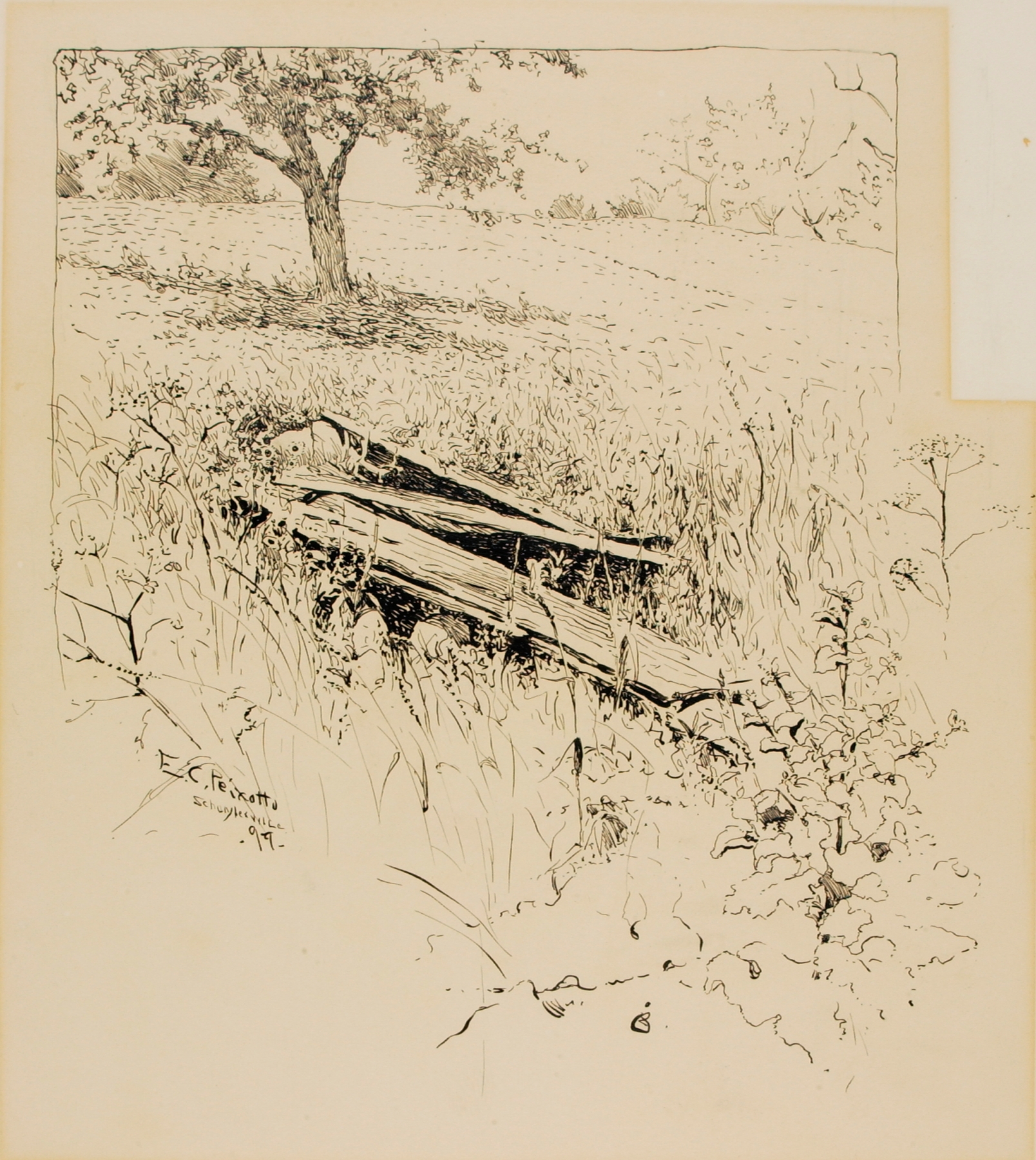
“Every silence here is a confession.” In the stillness of Valley Forge, one can almost feel the weight of sacrifice and resilience that lingers in the air, echoing the past while inviting reflection on our collective journey. Focus on the somber palette that Peixotto employs — deep blues and muted earth tones dominate, creating a sense of gravitas. Look to the left at the silhouette of the encampment, where ragged tents stand like sentinels against the harsh winter landscape. The light breaks gently over the horizon, casting a soft glow that hints at hope amid suffering, illuminating the weary figures huddled together, their faces obscured but their shared determination palpable.
Amidst the stark scene, there are layers of meaning waiting to be uncovered. The juxtaposition of the harsh environment against the human spirit suggests an enduring transcendence that defines the American experience. Notice how the barren trees, stripped of their foliage, echo the soldiers’ vulnerability, yet also symbolize the resilience and fortitude necessary for survival. This contrast speaks to the duality of struggle and hope, encapsulating the spirit of a nation in its formative moments.
Painted in 1897, this work emerged during a period when Peixotto was exploring themes of national identity and memory. Living in California, he was influenced by the prevailing interest in historical narratives that resonated across the United States. The late 19th century saw a burgeoning appreciation for American history in art, as artists aimed to evoke pride and reflection on poignant moments, transcending the merely visual to touch on the fundamental ethos of their time.