Ticonderoga — History & Analysis
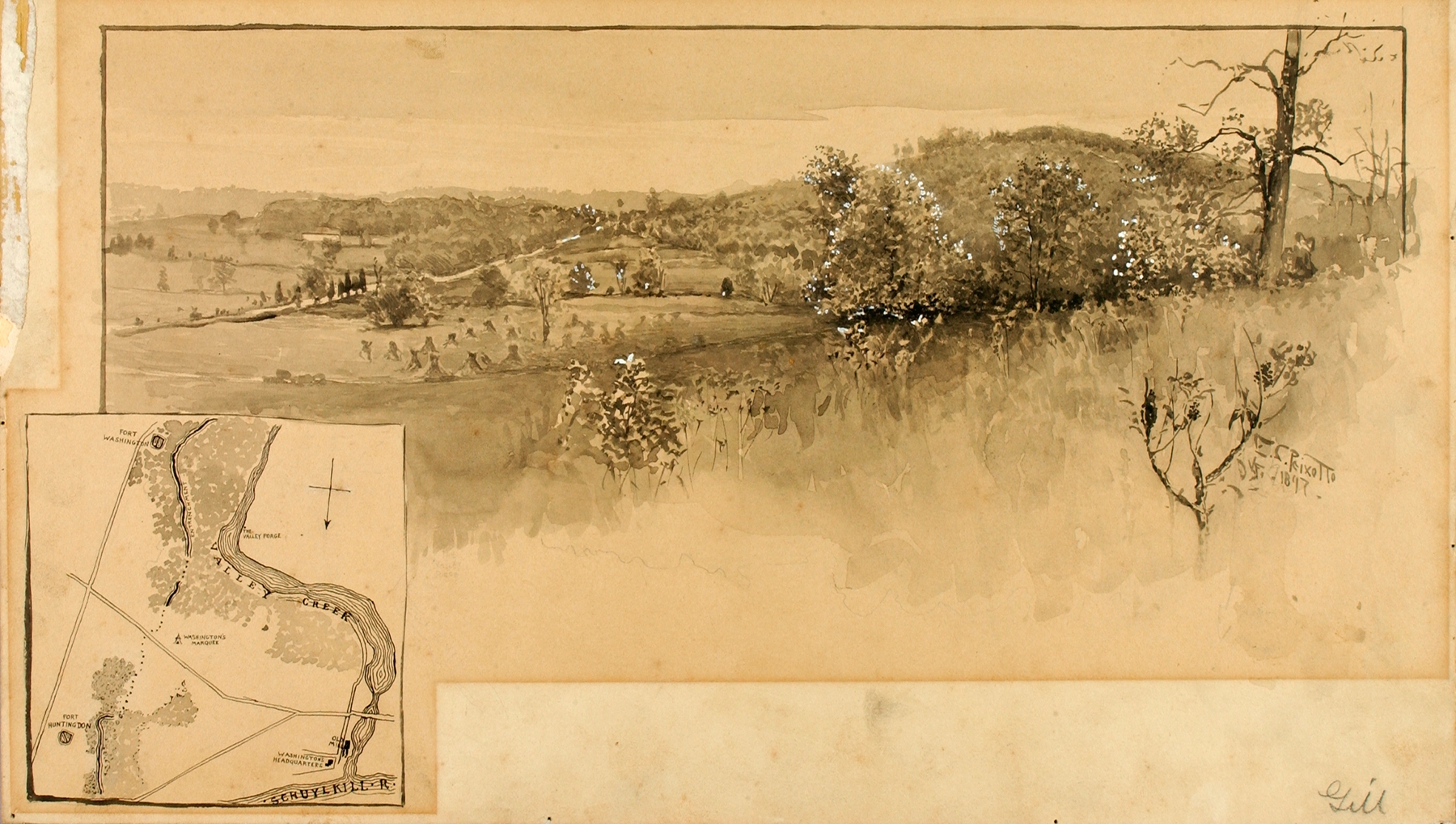
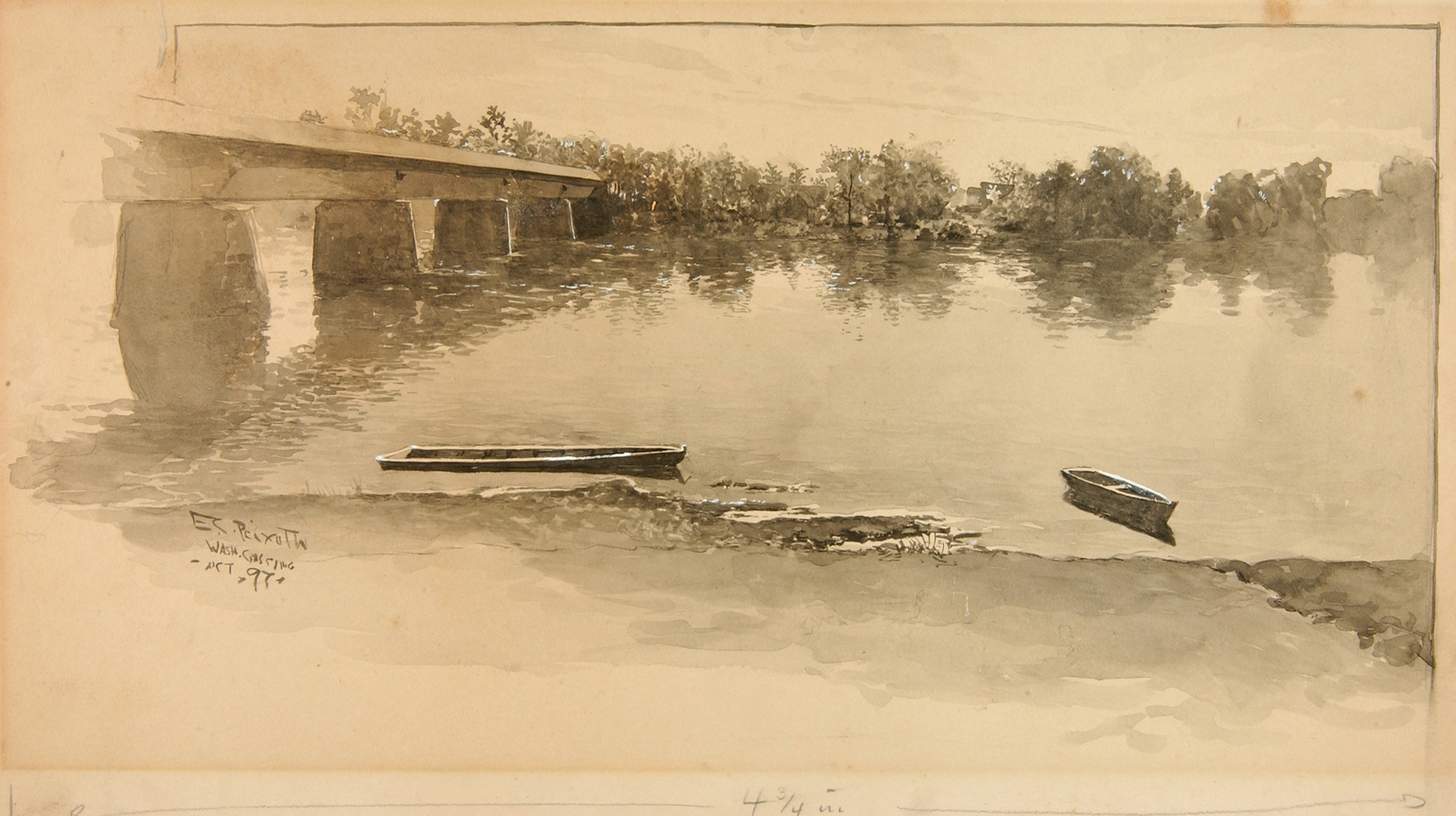
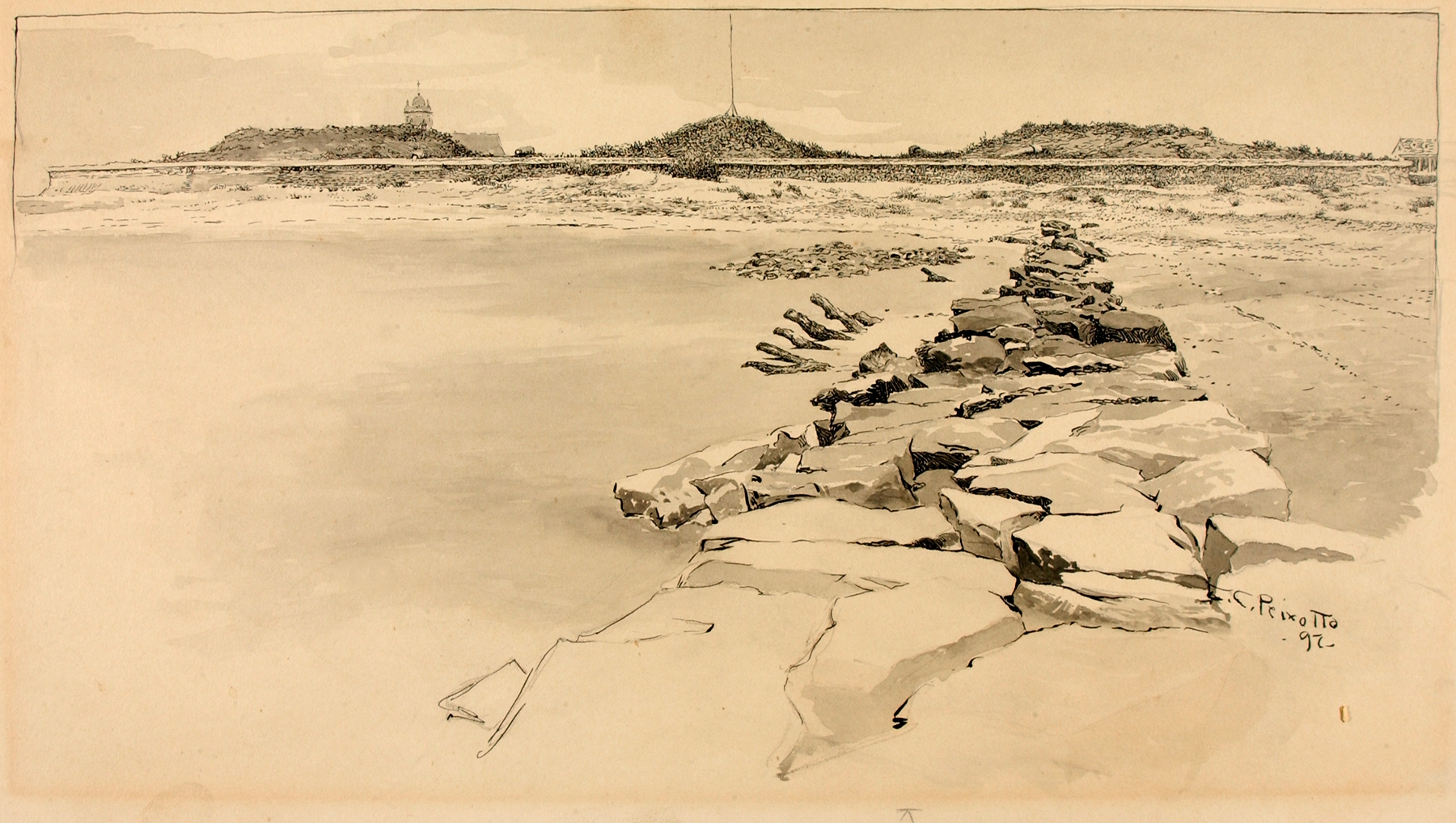
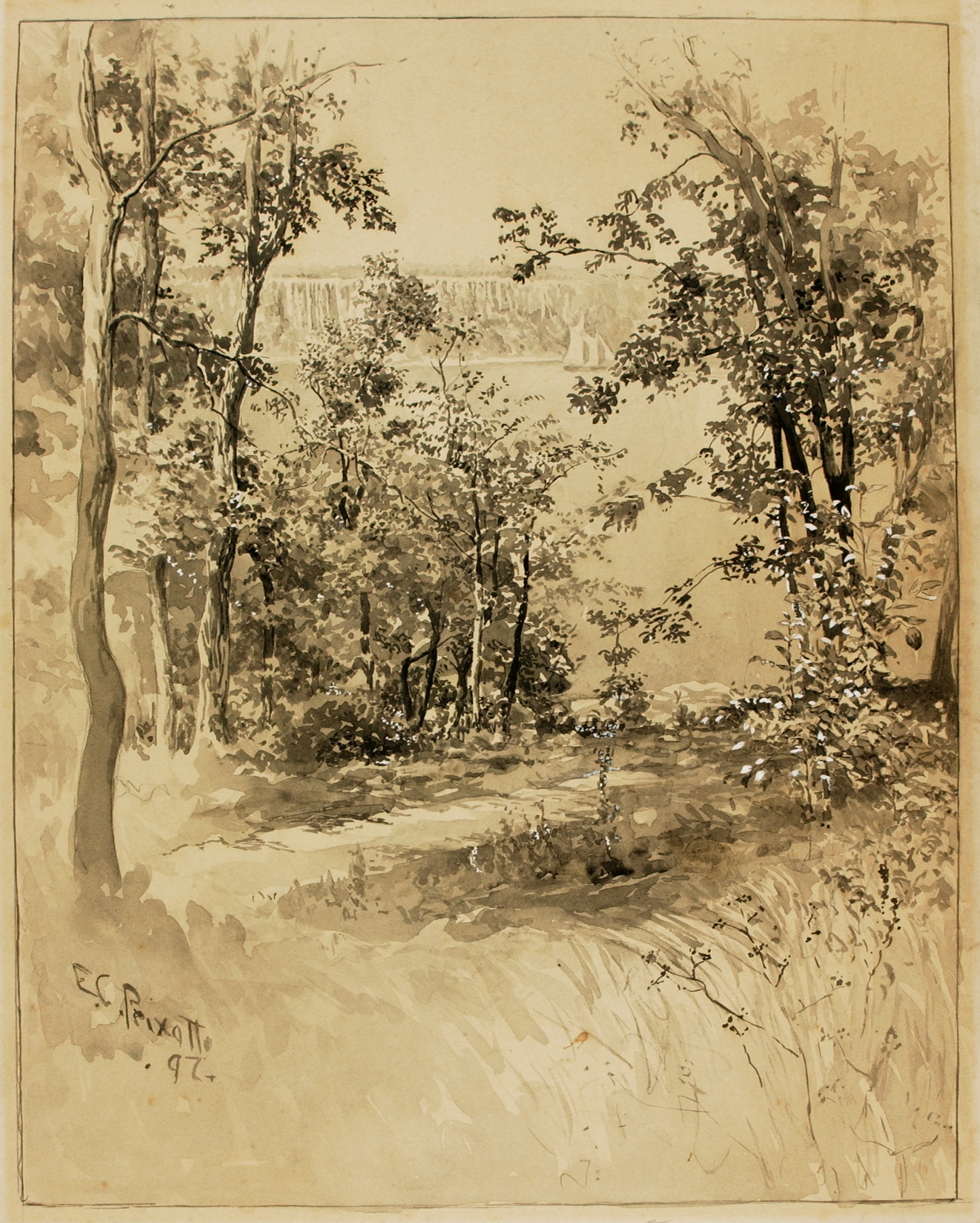
Did the painter know this moment would outlive them? In Ticonderoga, a vibrant panorama unfolds, capturing an extraordinary revelation of life against the backdrop of nature’s raw beauty. Focus on the expansive landscape, where a tranquil lake mirrors the sky’s gentle hues. Notice how the foreground combines rich greens and earthy browns, guiding your gaze toward the serene water that shimmers under the soft sunlight.
The mountains rise in the background, their peaks kissed by a delicate blue mist, blending seamlessly into the horizon. Peixotto’s brushwork showcases a mastery of light and shadow, evoking a sense of depth and inviting the viewer to traverse the vastness of this idyllic scene. Delve deeper into the juxtaposition of tranquility and the underlying current of anticipation. The calm waters reflect a world both inviting and enigmatic, suggesting a harmony that belies untold stories just beyond the frame.
The choices of color and composition evoke a sense of nostalgia, emphasizing the fleeting nature of moments captured in time while inviting contemplation on what lies ahead for the viewer wandering through this picturesque wilderness. In 1897, Peixotto painted Ticonderoga during a period of personal and professional exploration after spending years abroad. At this time, he was deeply inspired by the American landscape, reflecting the broader movement in art that sought to celebrate the natural world. His work epitomized a transition towards impressionism, embodying the optimism and spirit of a nation navigating change.