New York, Site of Fort Washington, Looking at Fort Lee — History & Analysis
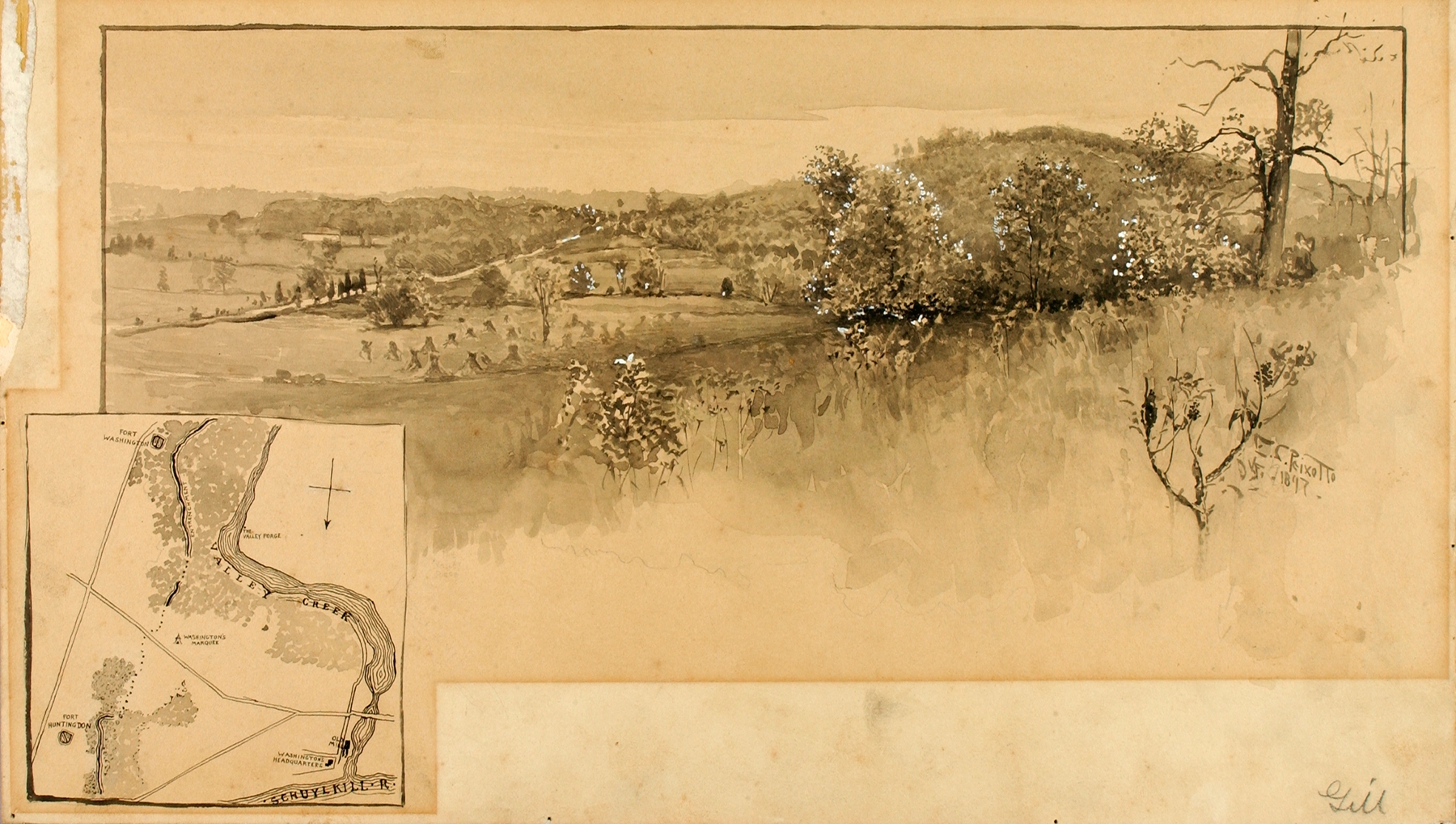
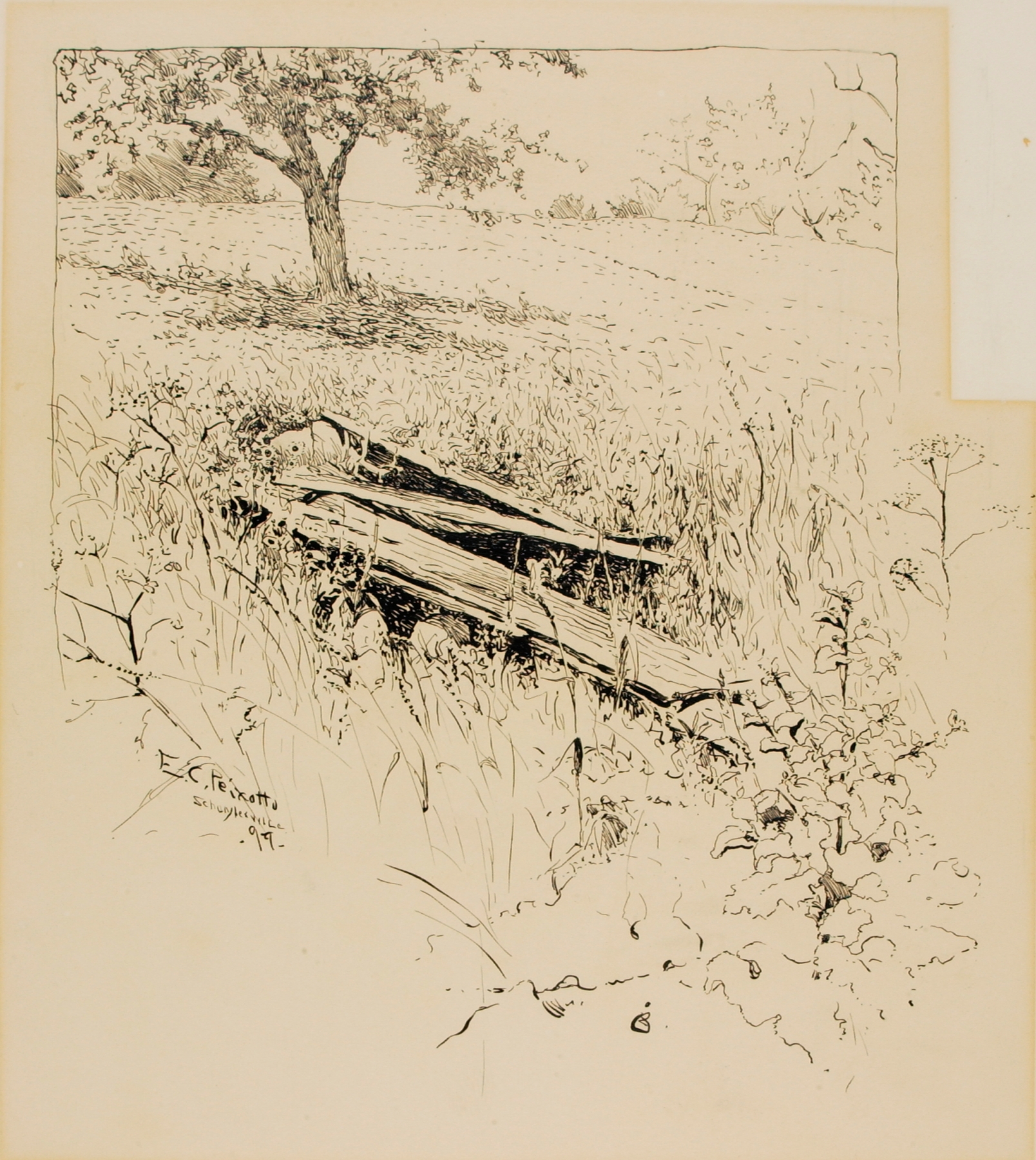
Did the painter know this moment would outlive them? In a world where time slips through our fingers like grains of sand, the essence of desire lingers, captured within the frame of a canvas. Look closely at the soft undulations of the landscape, where the gentle contours of the hills cradle the viewer's gaze. Notice how the deft brushstrokes breathe life into the lush greenery and the amber hues of the setting sun, casting an ethereal glow across the scene. In the foreground, a solitary figure stands contemplative, gazing toward the horizon, drawing the viewer’s eye to the juxtaposition of human presence against the vastness of nature.
This interplay of light, shadow, and color creates a profound sense of yearning—an invitation to explore what lies beyond. Delve deeper into the painting and uncover the layers of emotional tension present in the work. The figure, filled with longing, becomes a symbol of aspiration, suggesting a desire not only for physical distance but also for deeper understanding and connection. The contrasting solidity of the fort and the fluidity of the landscape further emphasize the conflict between human endeavor and the ever-dynamic world around it.
Each brushstroke conveys a narrative of ambition and the bittersweet nature of dreams. In 1897, Ernest Peixotto painted this work during a transformative period in American art. Finding his voice in the burgeoning landscape movement, he sought to bridge the gap between realism and romanticism. This piece emerged amidst a time when artists were exploring the interplay of light and color, seeking to capture the essence of the American experience, especially as cities like New York began to both evolve and define the nation’s identity.