Blick auf Moskau — History & Analysis
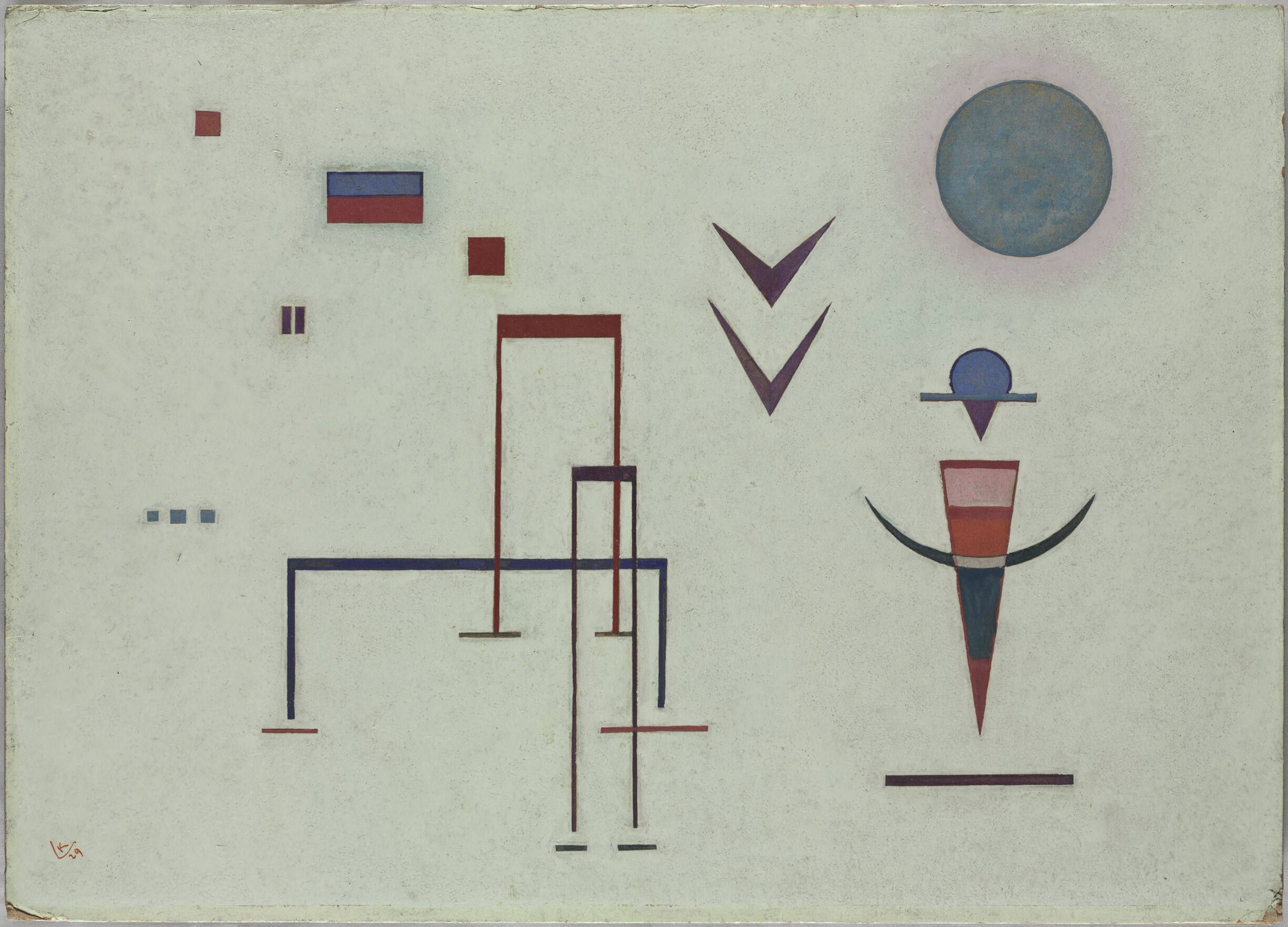
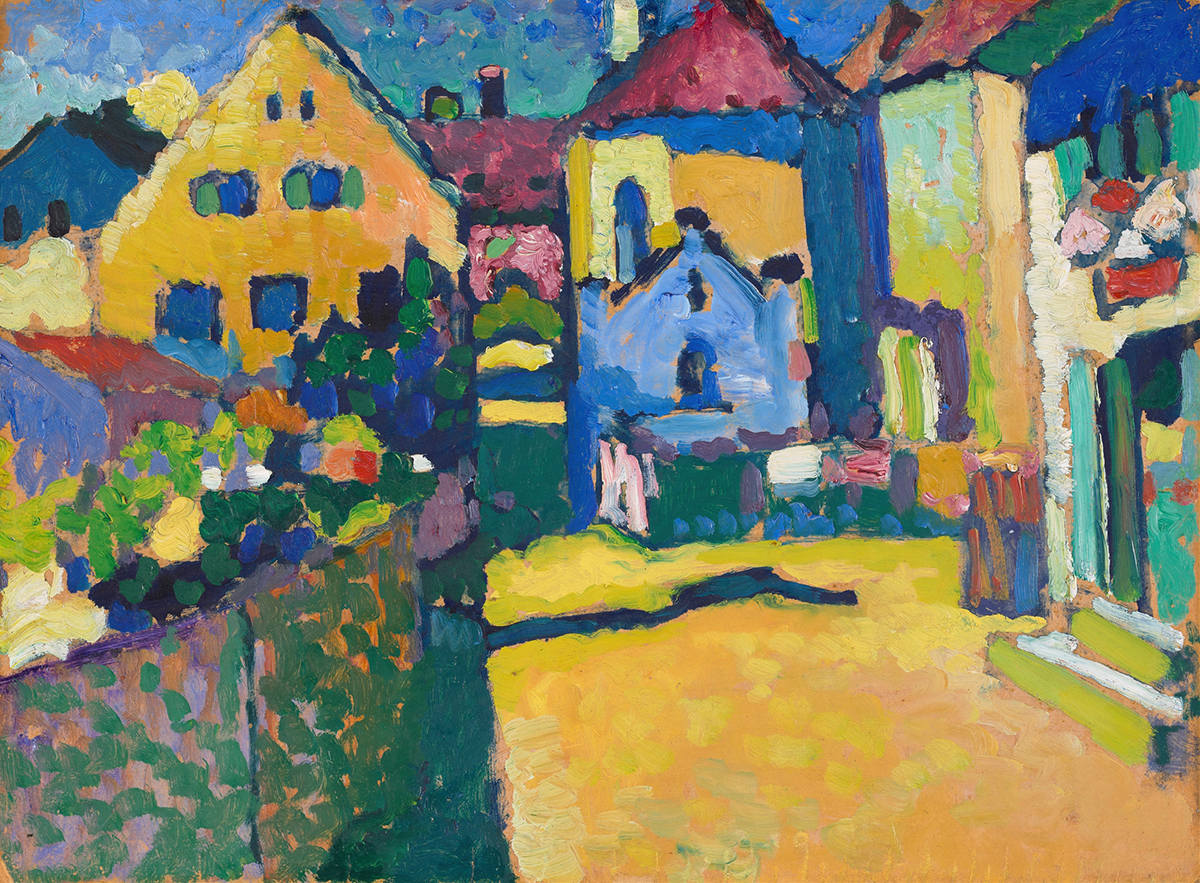
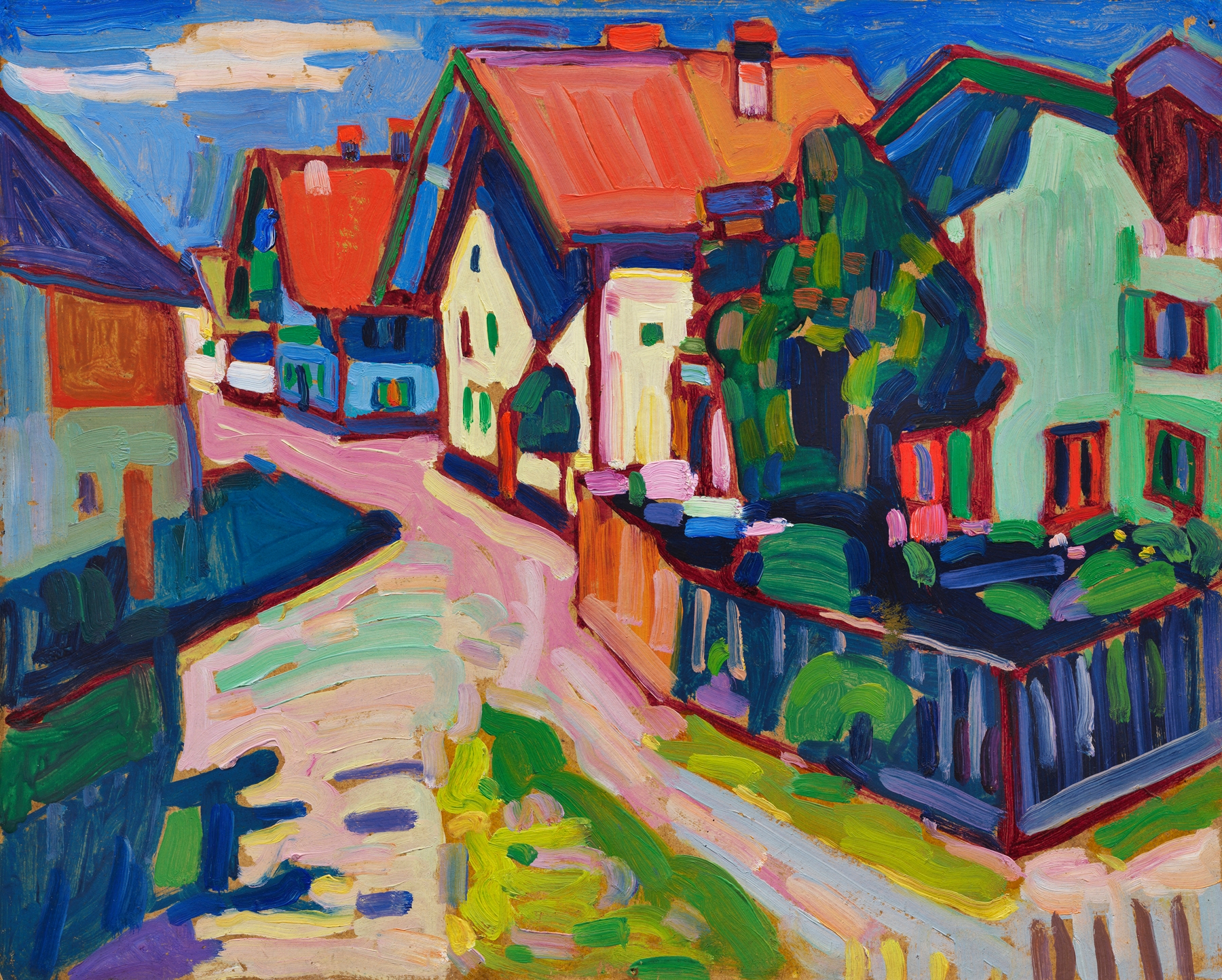
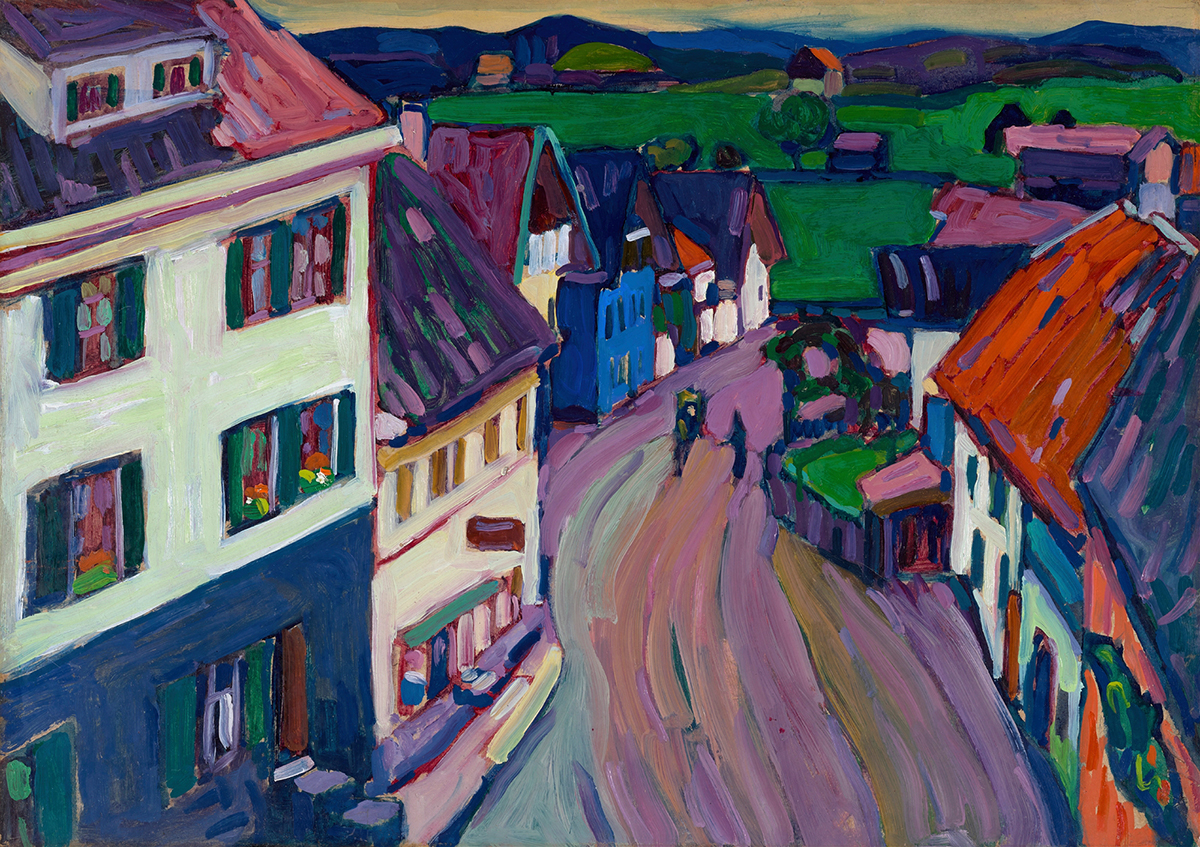
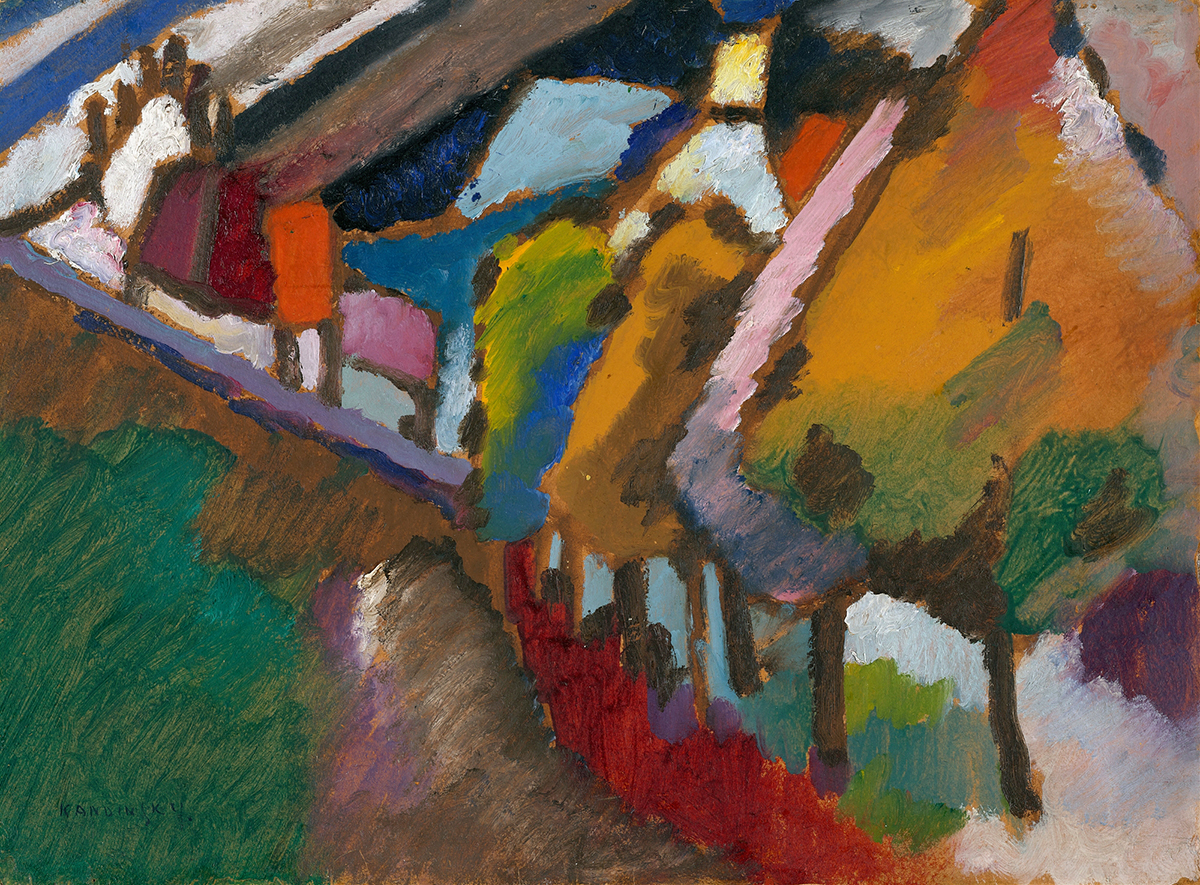
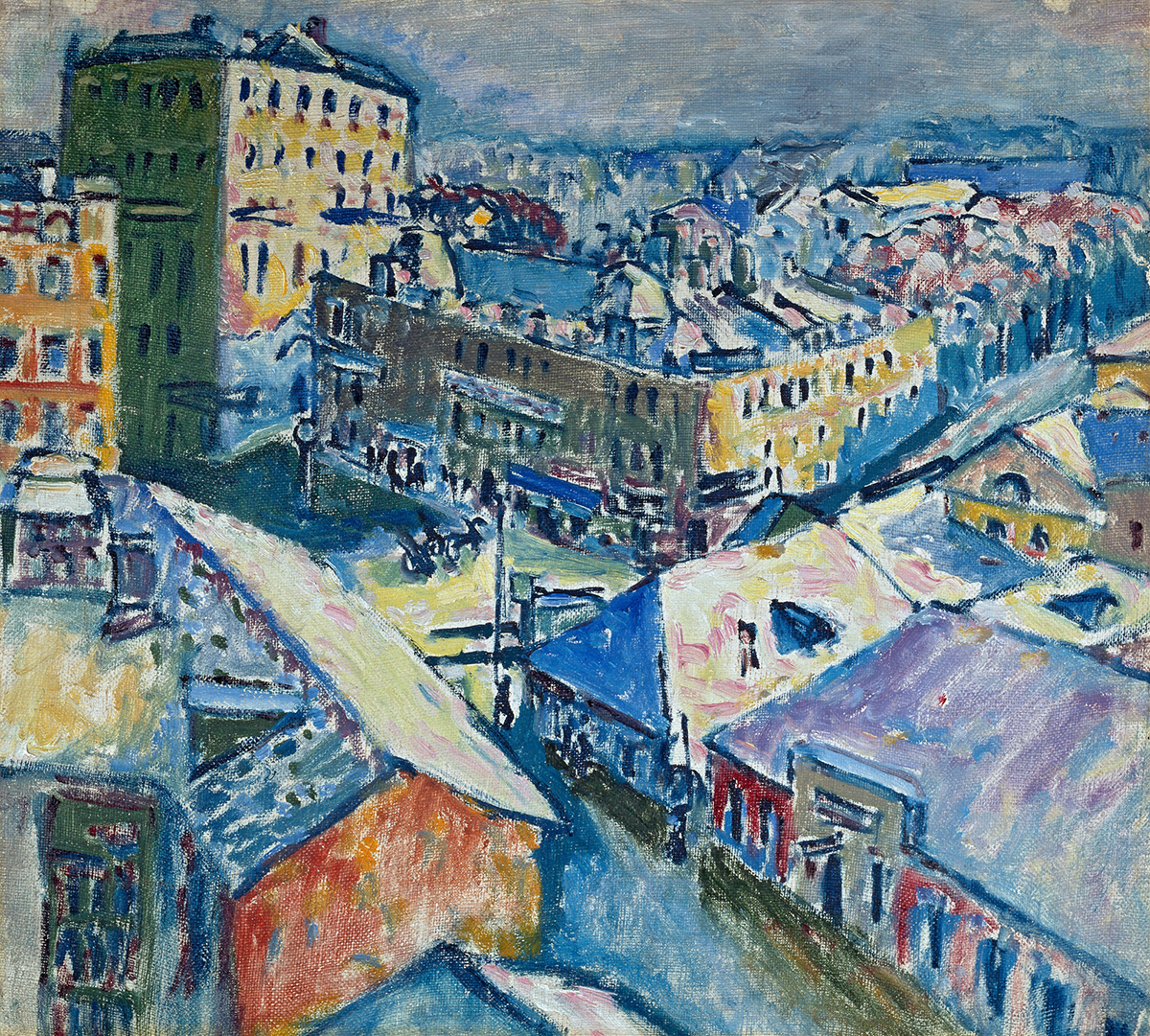
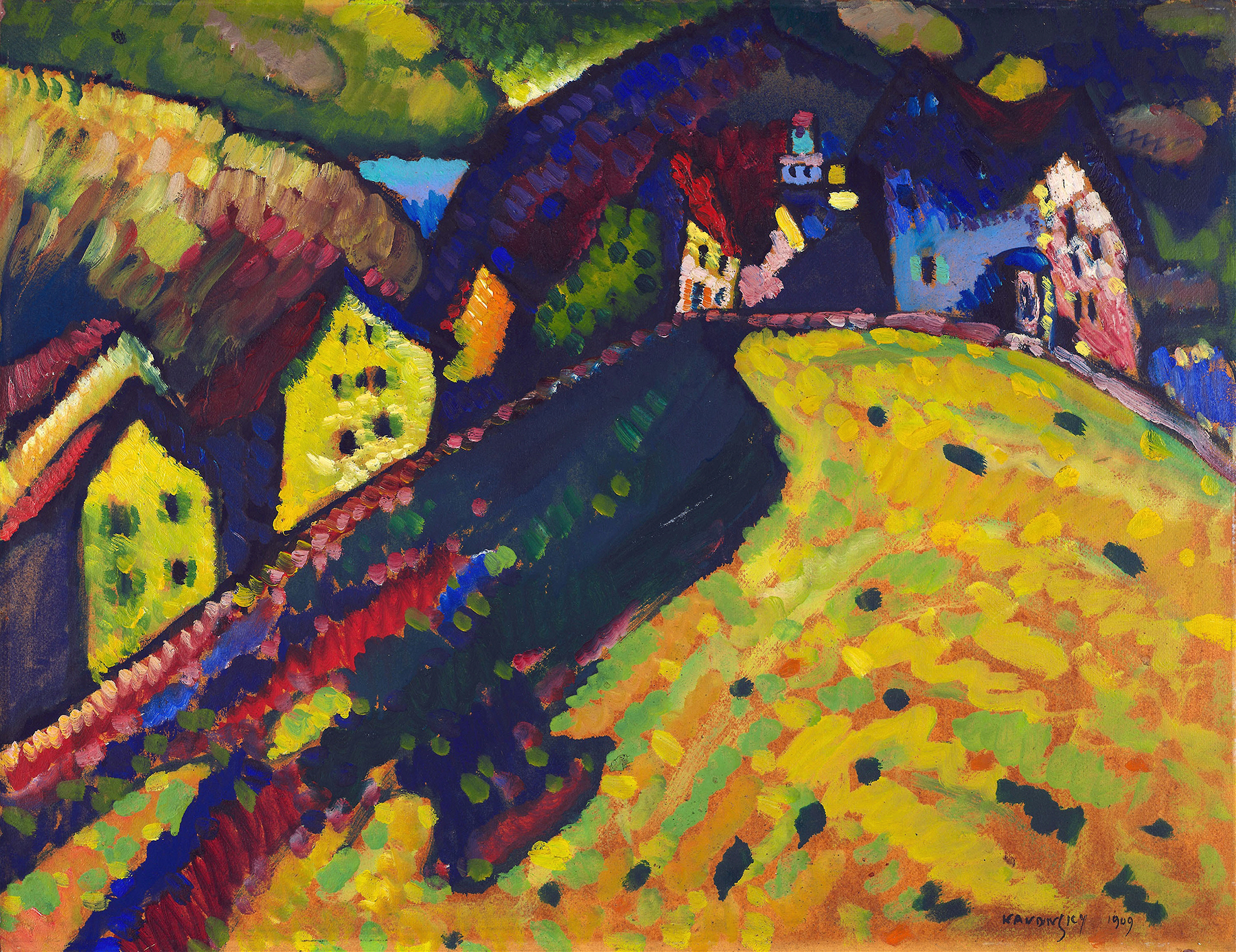
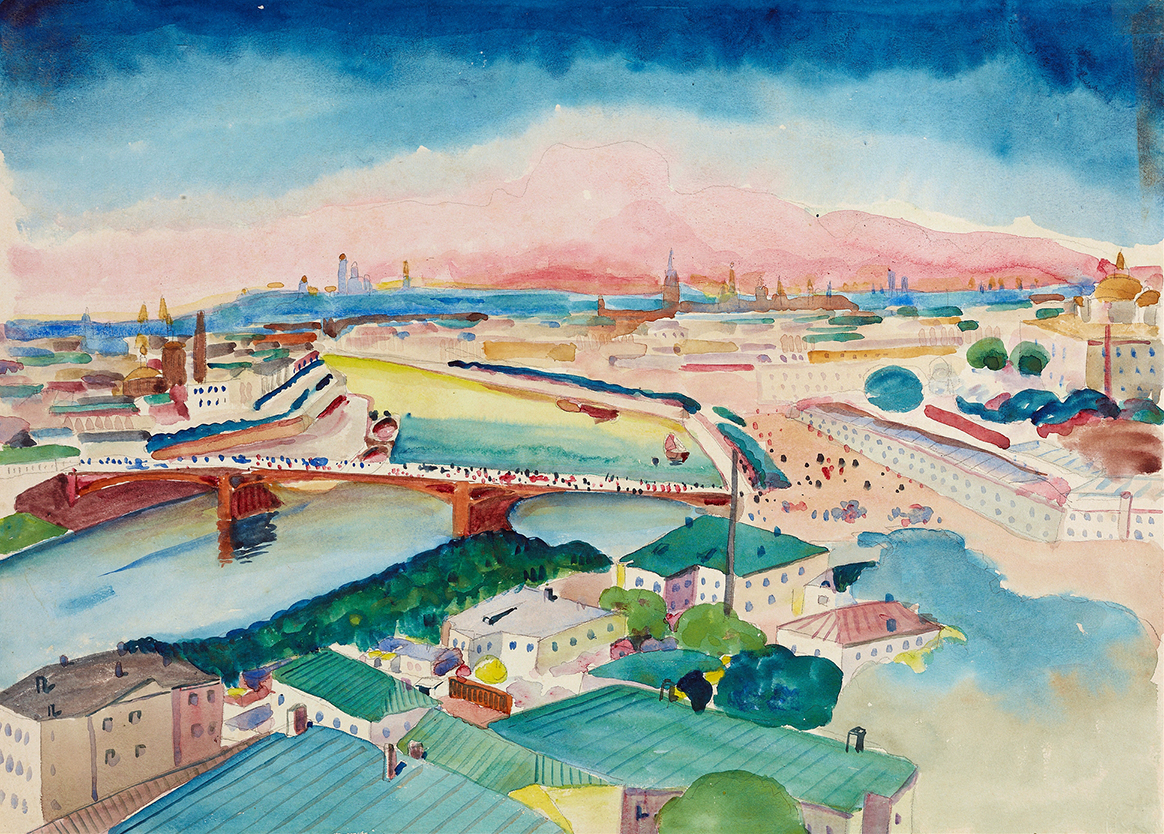
Could a single brushstroke hold eternity? In Blick auf Moskau, the emptiness resonates deeply, inviting contemplation on the vastness of existence and the layers of inner experience. Look to the center of the canvas, where vibrant hues of blue and yellow converge, drawing your gaze into the heart of the composition. Notice how the zigzag lines traverse the surface, creating a sense of rhythm and movement that mimics the pulse of the city itself.
The interplay of color and form embodies a dichotomy—chaos entwined with harmony, offering a glimpse into the emotional landscape of a world teetering on the brink of change. Dig deeper, and you’ll find subtle contrasts playing out. The starkness of the empty spaces juxtaposed with the bursts of color speaks to the tension between isolation and connection. These seemingly vacuous areas might evoke a sense of longing or an invitation to pause, reflecting the artist's exploration of the void in human experience.
As forms clash and merge, they reveal a narrative of urban life filled with both vibrancy and profound solitude. In 1915, Kandinsky created this piece during his time in Germany, amidst the turbulence of World War I. He was at the forefront of the abstract movement, wrestling with the complexities of modernity and the spiritual dimensions of art. This painting not only captures his personal response to the world around him but also signifies the broader shifts in artistic expression as artists sought new ways to convey emotional truths in a rapidly changing society.