Houses near Lake Attersee, study — History & Analysis
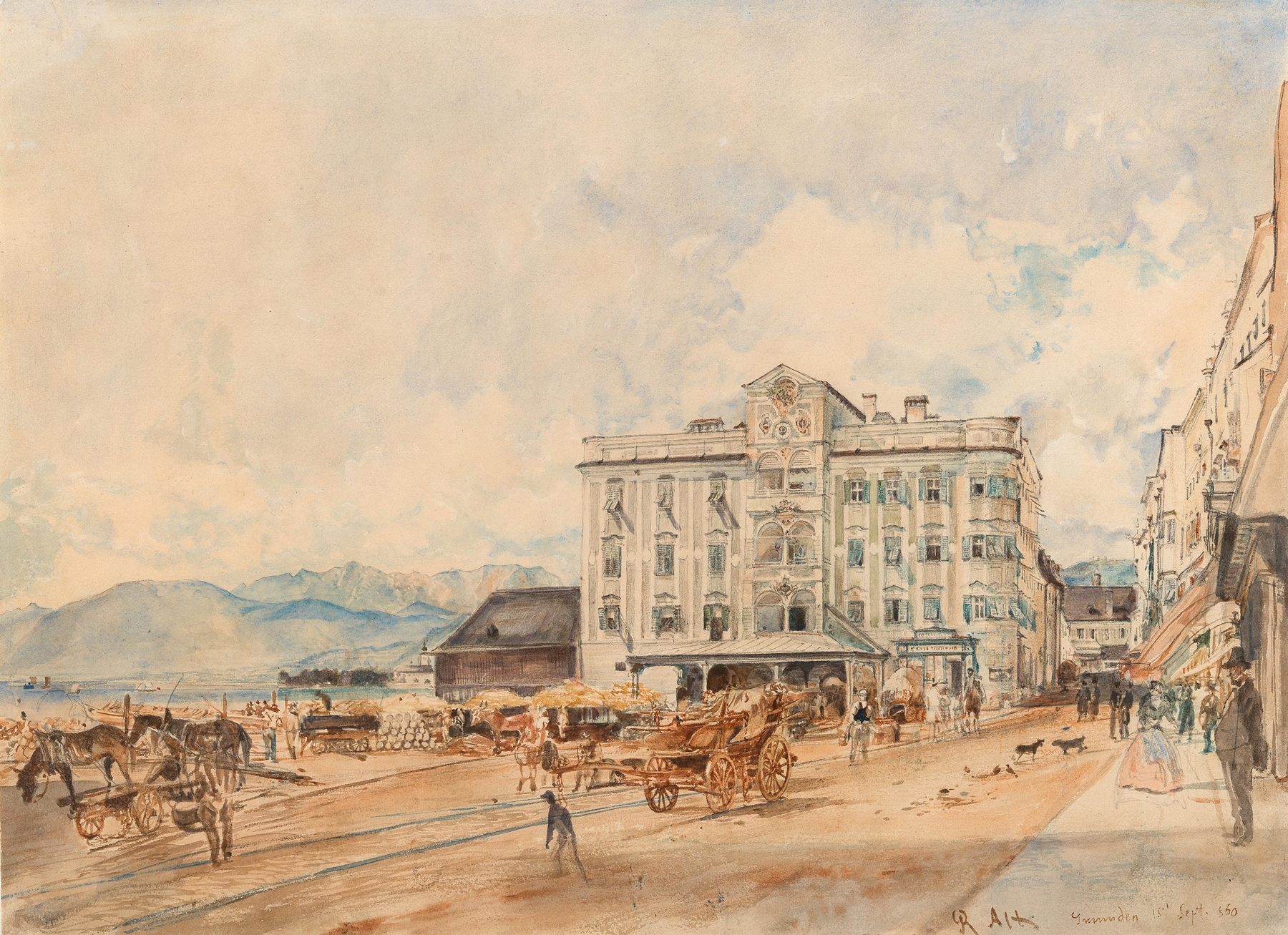
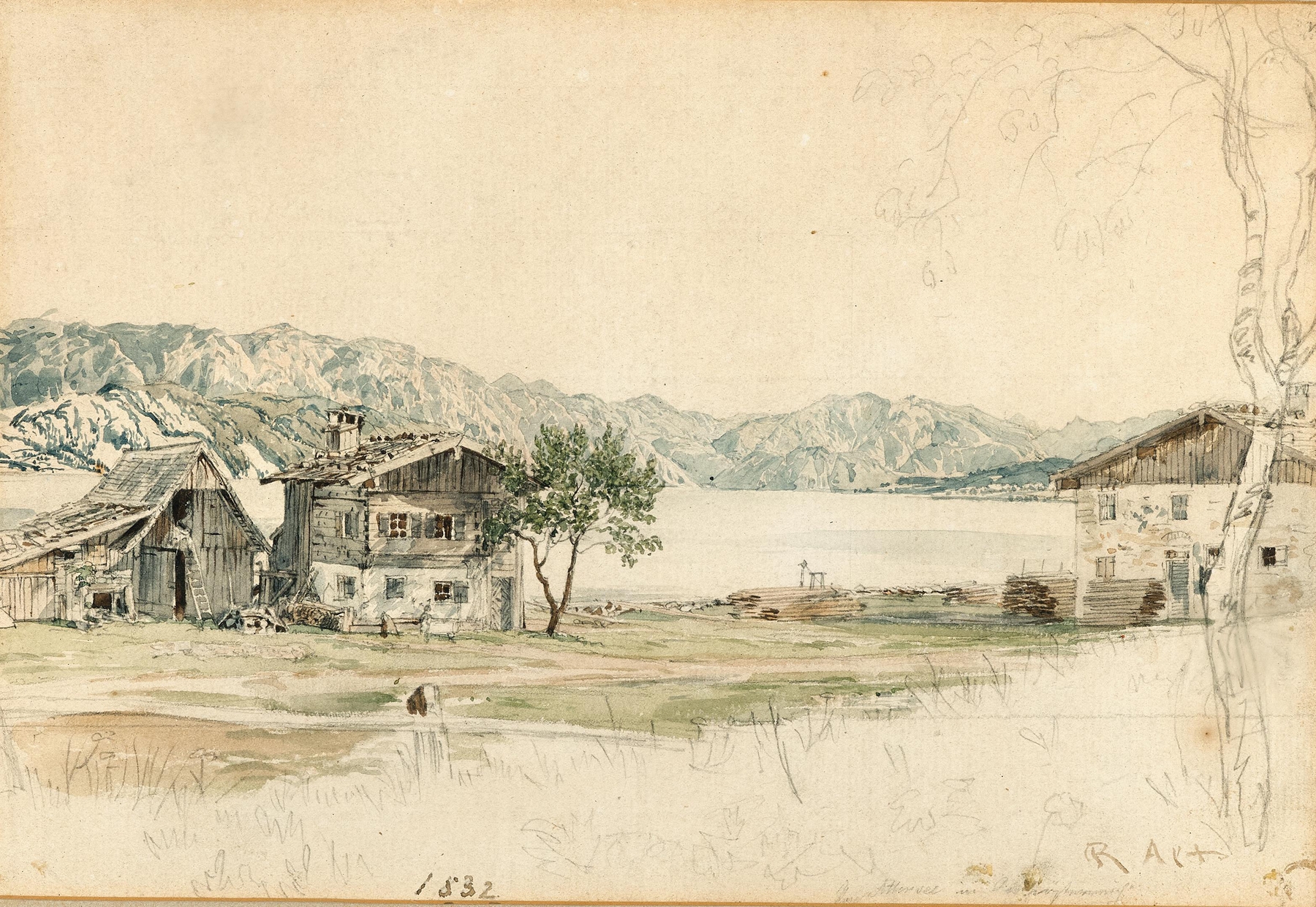
Can beauty exist without sorrow? In the delicate interplay of light and shadow, Houses near Lake Attersee, study evokes a sense of nostalgia, compelling us to reflect on the fleeting nature of serenity. Look to the left, where a cluster of quaint houses nestles against the tranquil backdrop of Lake Attersee. The artist’s brushwork creates a soft, almost ethereal quality, with gentle strokes capturing the warmth of the setting sun as it dances on the water's surface.
Notice how the muted greens and blues harmonize, drawing the eye through the composition, while the interplay of light and shadow adds depth and a sense of tranquility to the scene. The juxtaposition of the serene lake against the stillness of the houses hints at the transient beauty of life. Each home stands as a silent witness to the passage of time, suggesting stories untold and memories long past. The graceful reflection in the lake's surface serves as a reminder of impermanence, inviting the viewer to ponder what lies beneath the calm exterior—perhaps the weight of lost moments and unfulfilled dreams.
In 1832, Rudolf von Alt was immersed in the scenic beauty of Austria, a period marked by burgeoning Romanticism in art. Capturing landscapes in precise detail, he sought to convey the emotional resonance of nature's splendor, reflecting the cultural shifts of his time. This study, a precursor to his larger works, reveals his growing mastery of light and atmosphere, cementing his role as a significant figure in the landscape tradition.