Hut in het bos — History & Analysis
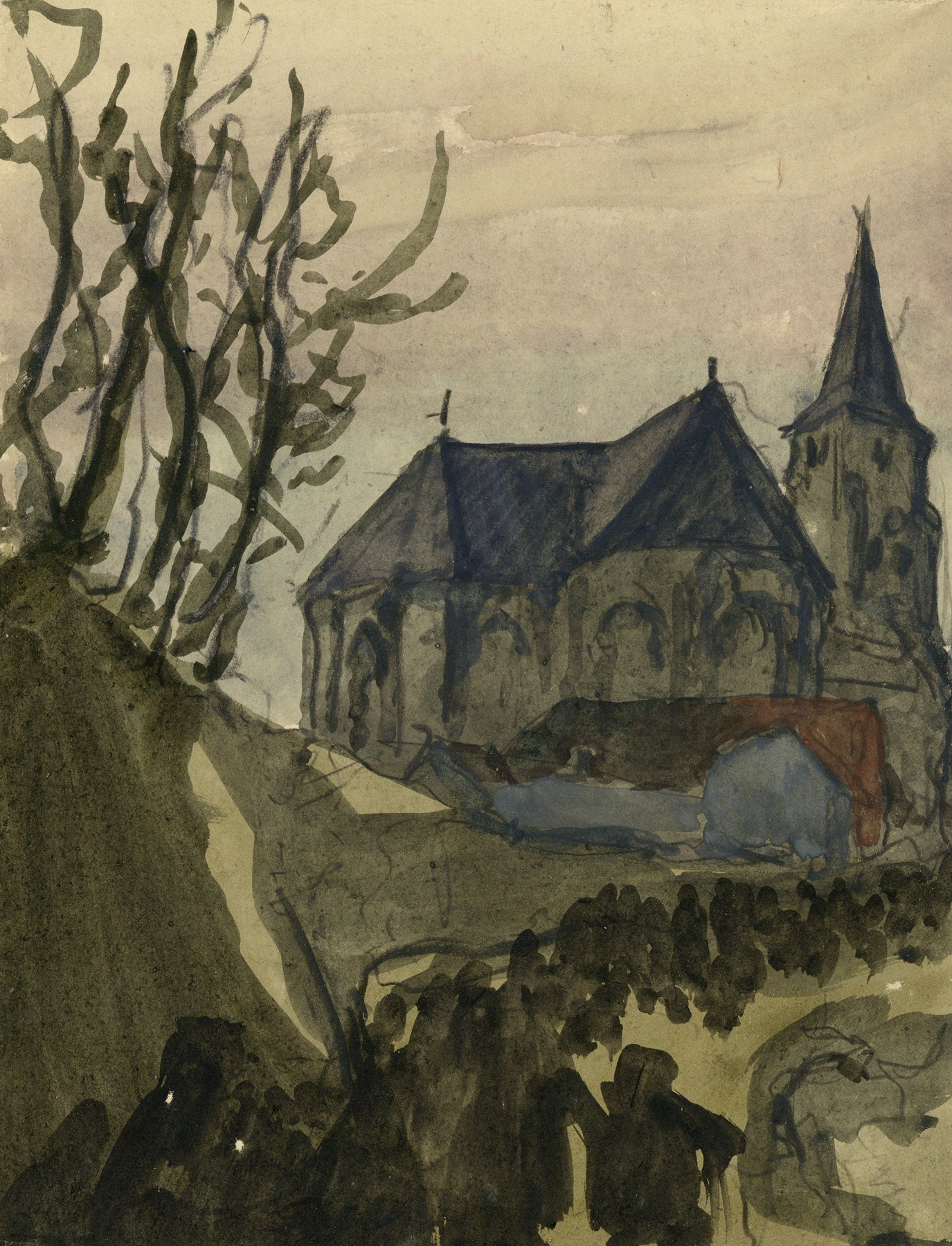
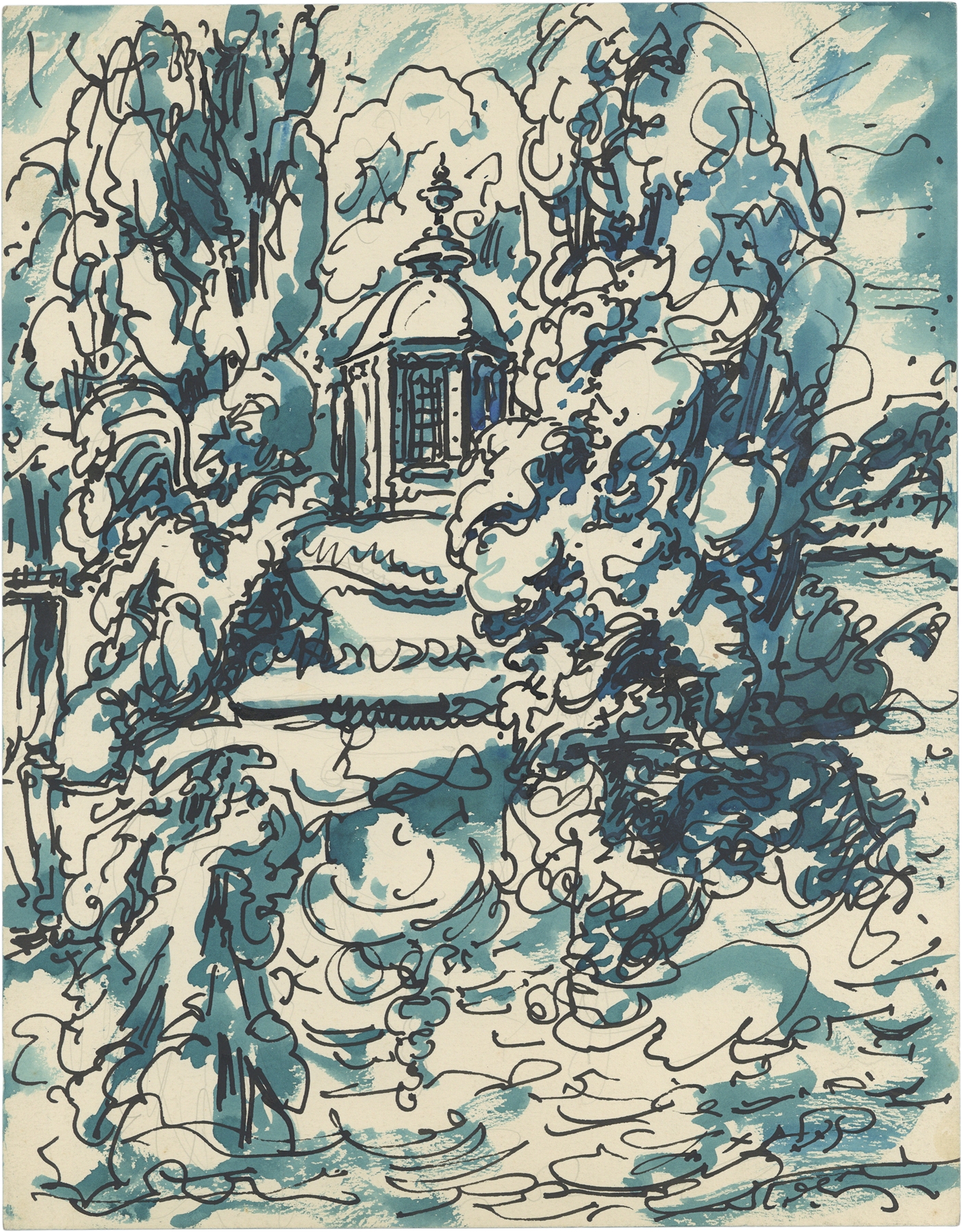
Who listens when art speaks of silence? In the hushed embrace of a forest, memories linger like whispers, inviting reflection and contemplation. Look to the center of the canvas, where a quaint hut nestles among the trees, its wooden façade cloaked in shades of earthy brown and soft green. Notice how the dappled sunlight filters through the leaves above, casting intricate patterns on the ground, creating a dialogue between the warmth of the interior and the cool shadows of the forest.
The painter’s delicate brushstrokes evoke a sense of tranquility, inviting viewers to step inside this serene sanctuary. The juxtaposition of manmade structure against the wildness of nature embodies a profound contrast; the hut symbolizes human presence and nostalgia amidst the timelessness of the woods. Small details, like the crooked chimney and the overgrown path, hint at a life once lived, suggesting stories of solitude and reflection.
Here, silence reigns, yet the painting vibrates with unseen memories, each corner holding the weight of untold narratives and the echoes of quiet mornings spent in nature. Created during a time of personal exploration in Ost's life, this work reflects his connection to the natural world and his quest for solace in the everyday. While the exact date remains unknown, it is likely that this piece was conceived in the early 20th century when the artist was refining his style, drawn to the tranquil beauty of landscapes that encapsulated both inner peace and the passage of time.