Ideale Landschaft mit Bäumen und befestigtem Dorf (Der Abend) — History & Analysis
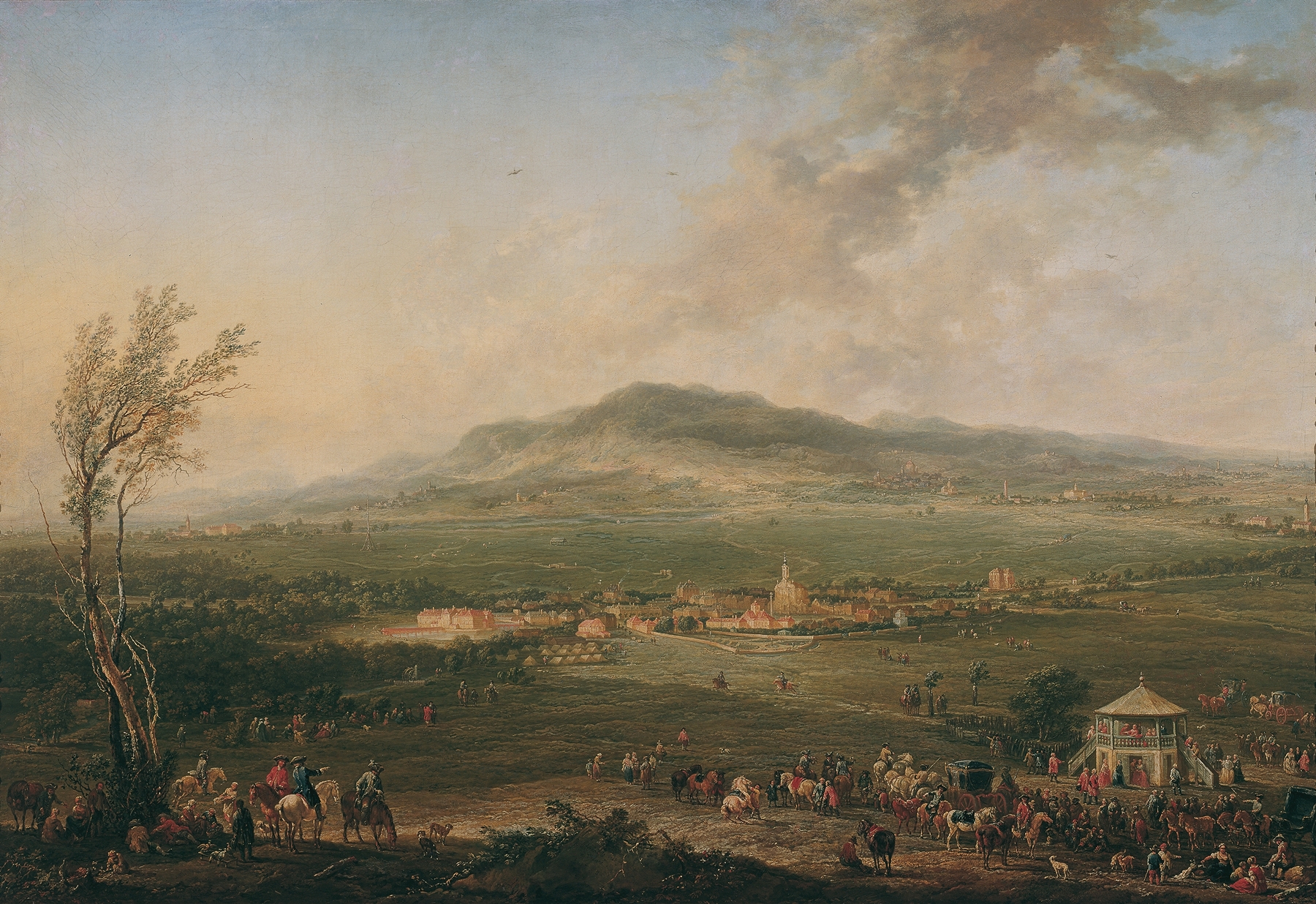
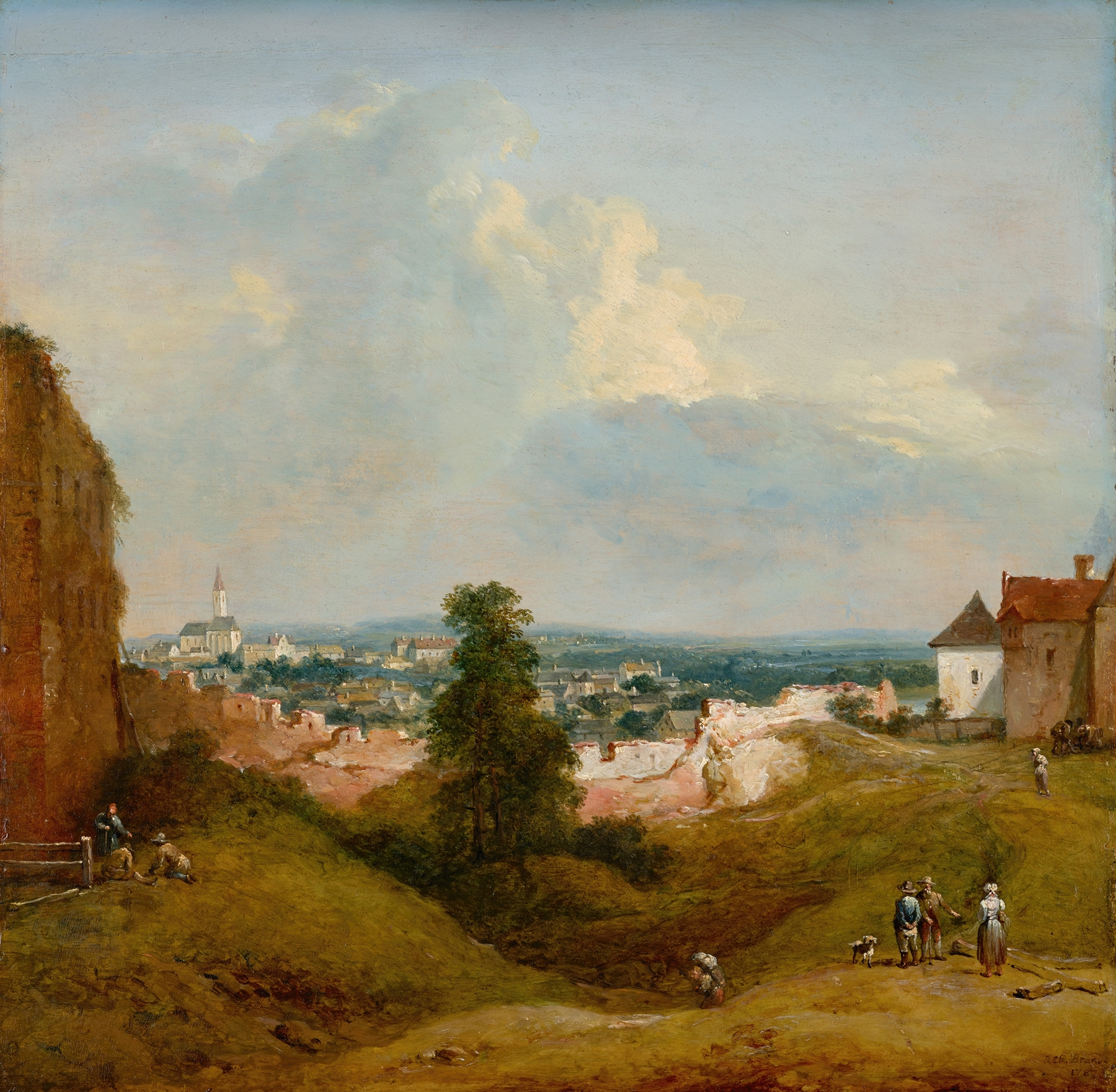
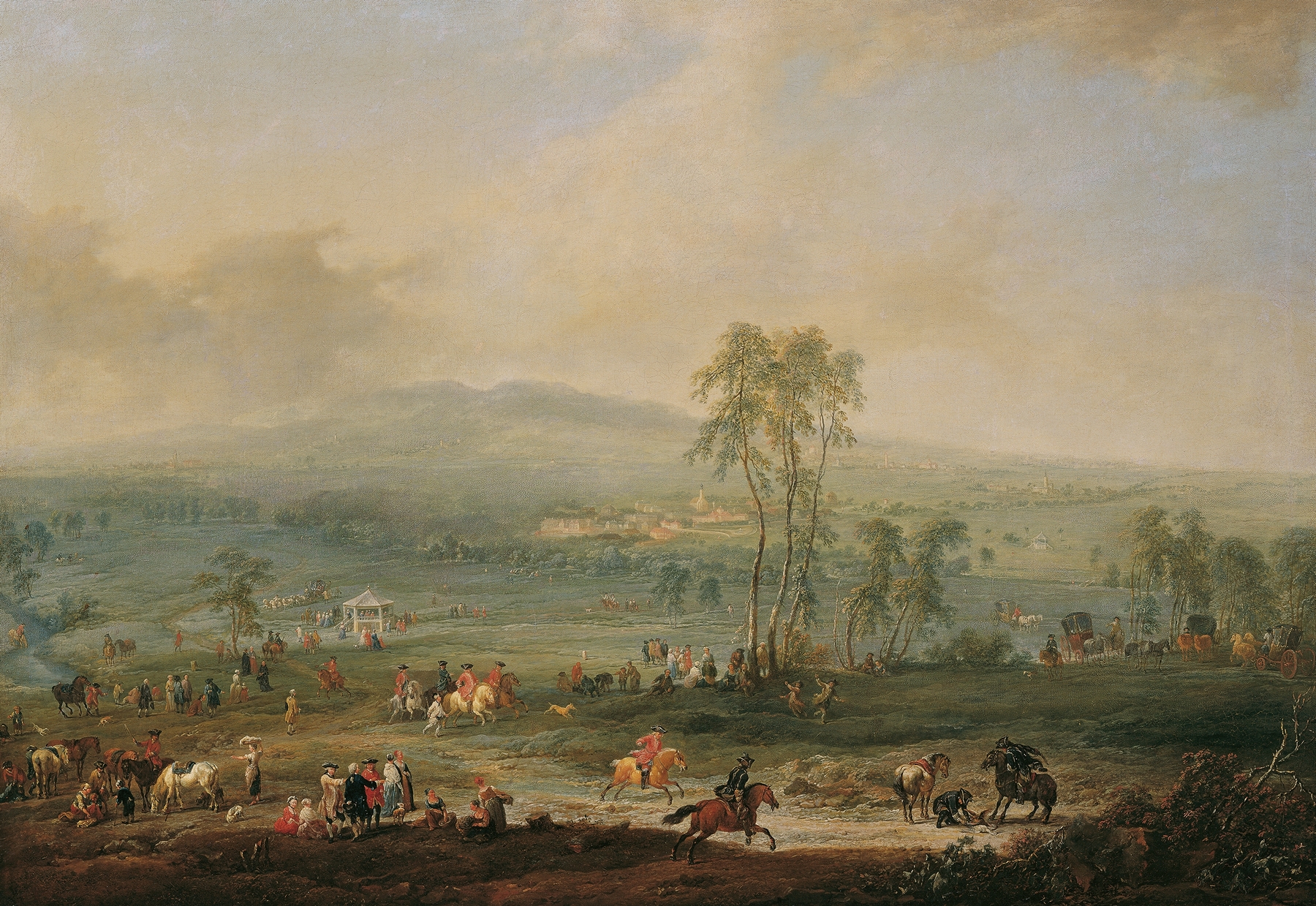
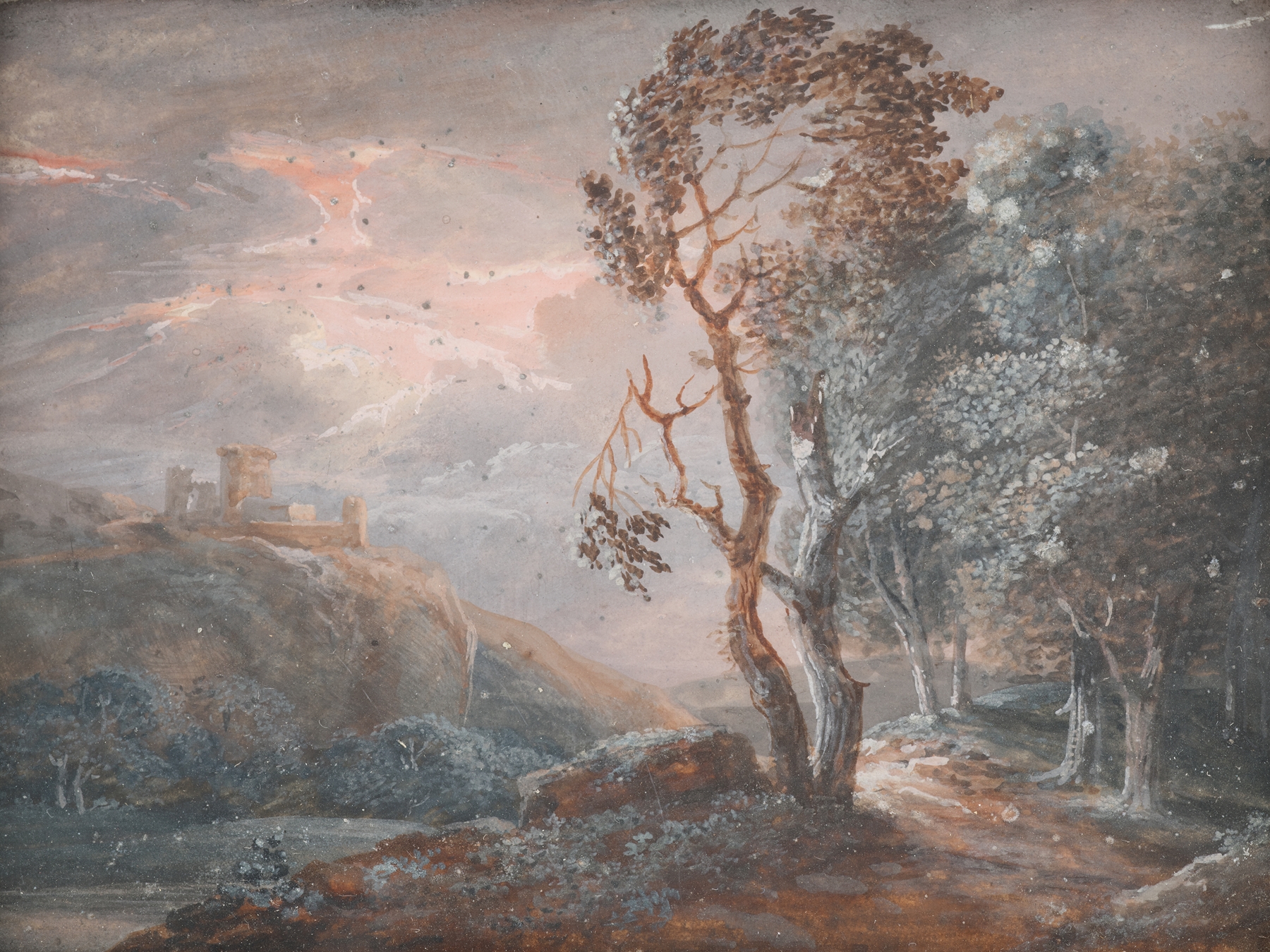
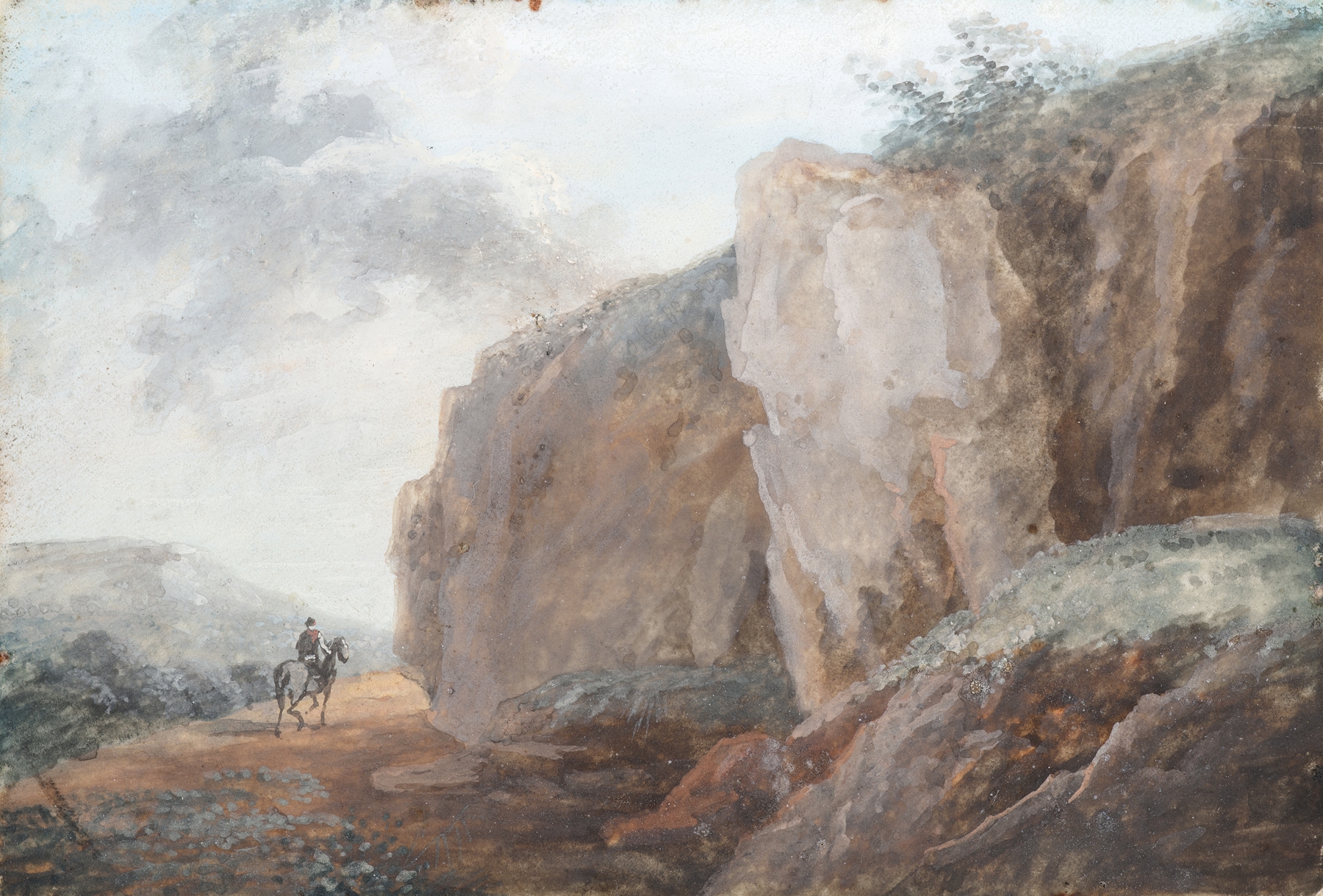
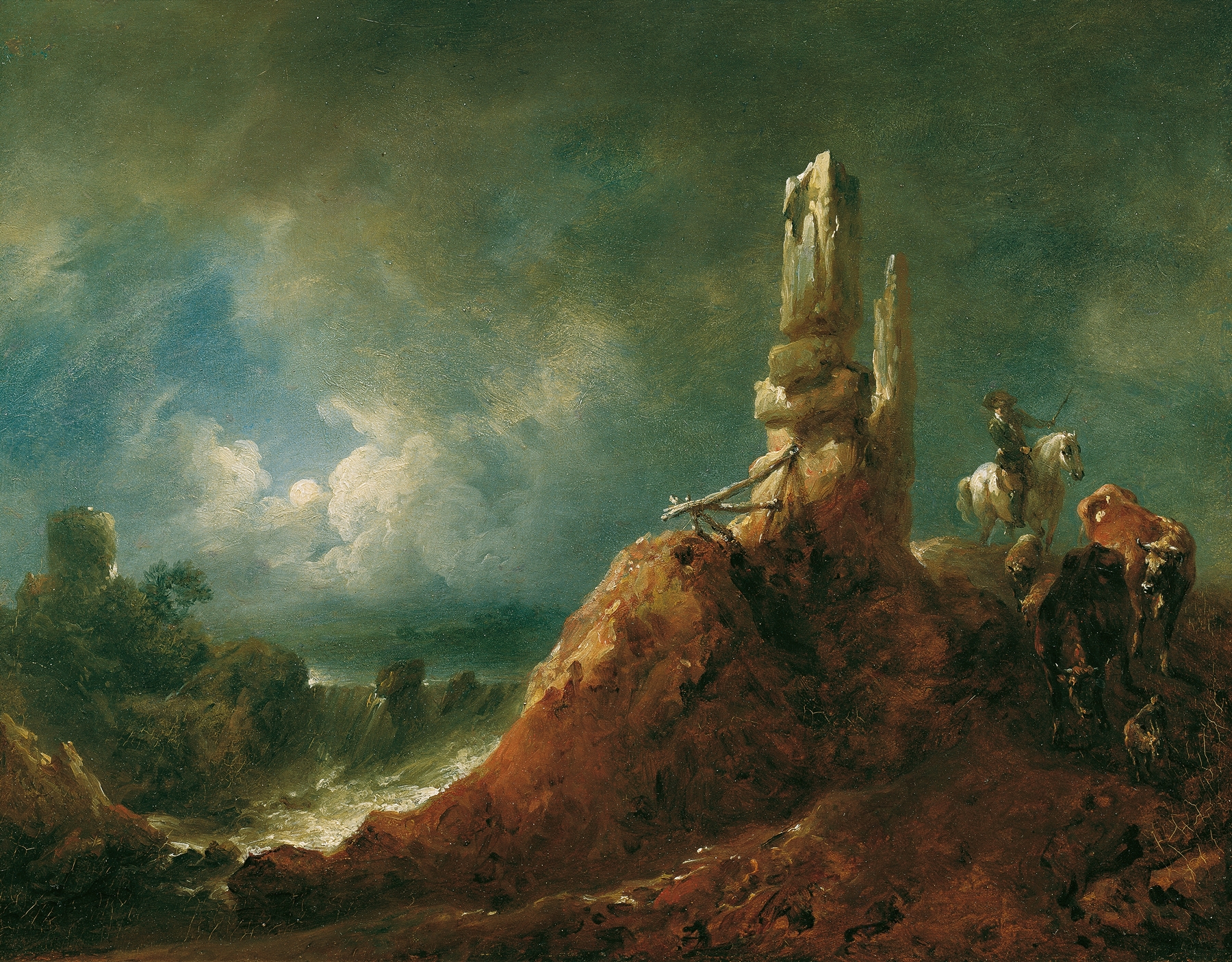
Could a single brushstroke hold eternity? In Ideale Landschaft mit Bäumen und befestigtem Dorf (Der Abend), the landscape harmonizes tranquility and permanence, inviting viewers into a realm where time feels suspended. Look to the center, where a fortified village nestles against rolling hills, bathed in the warm, golden hues of twilight. The artist expertly balances soft greens and earthy browns, while the gentle interplay of light and shadow evokes a sense of peaceful contemplation.
Notice how the towering trees frame the village, their leaves gently rustling, portraying nature as both guardian and companion to human existence. This work embodies a delicate interplay of serenity and fortitude. The village’s strong walls speak of protection and stability amidst the ephemeral beauty of the evening sky.
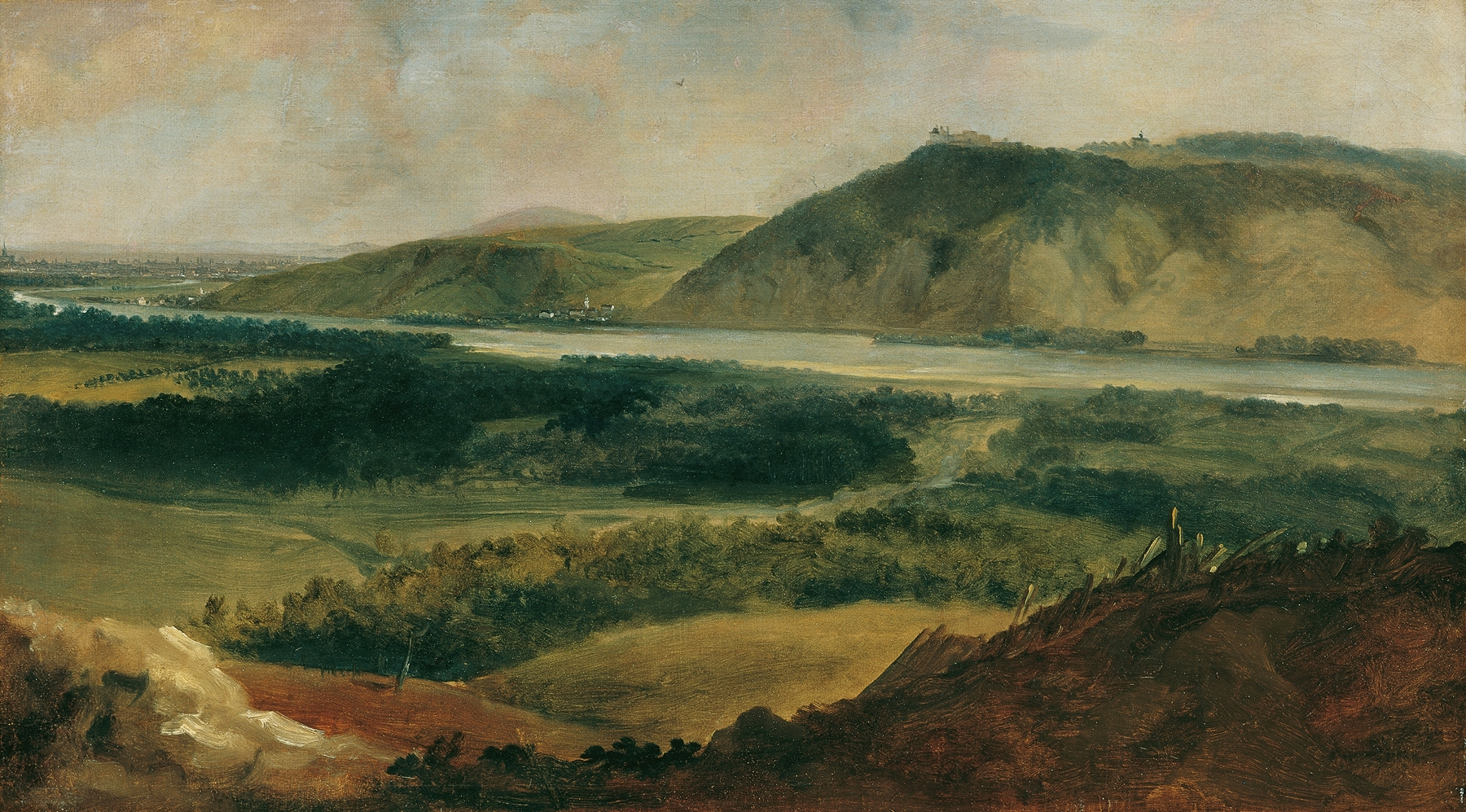
Each element—the still water, the subtle gradient of the sunset, and the distant mountains—contributes to a larger narrative of harmony, suggesting that even in times of uncertainty, there exists a refuge of peace. Created between 1770 and 1780, this piece reflects Johann Christian Brand's commitment to idealized landscapes during the late Baroque period, where the Romanticism movement began to intertwine with nature. As he painted in Germany, the art world was evolving, leaning towards themes of emotional resonance and sublime beauty, shaping the way landscapes were perceived and appreciated in the years to come.