In the Farmyard — History & Analysis
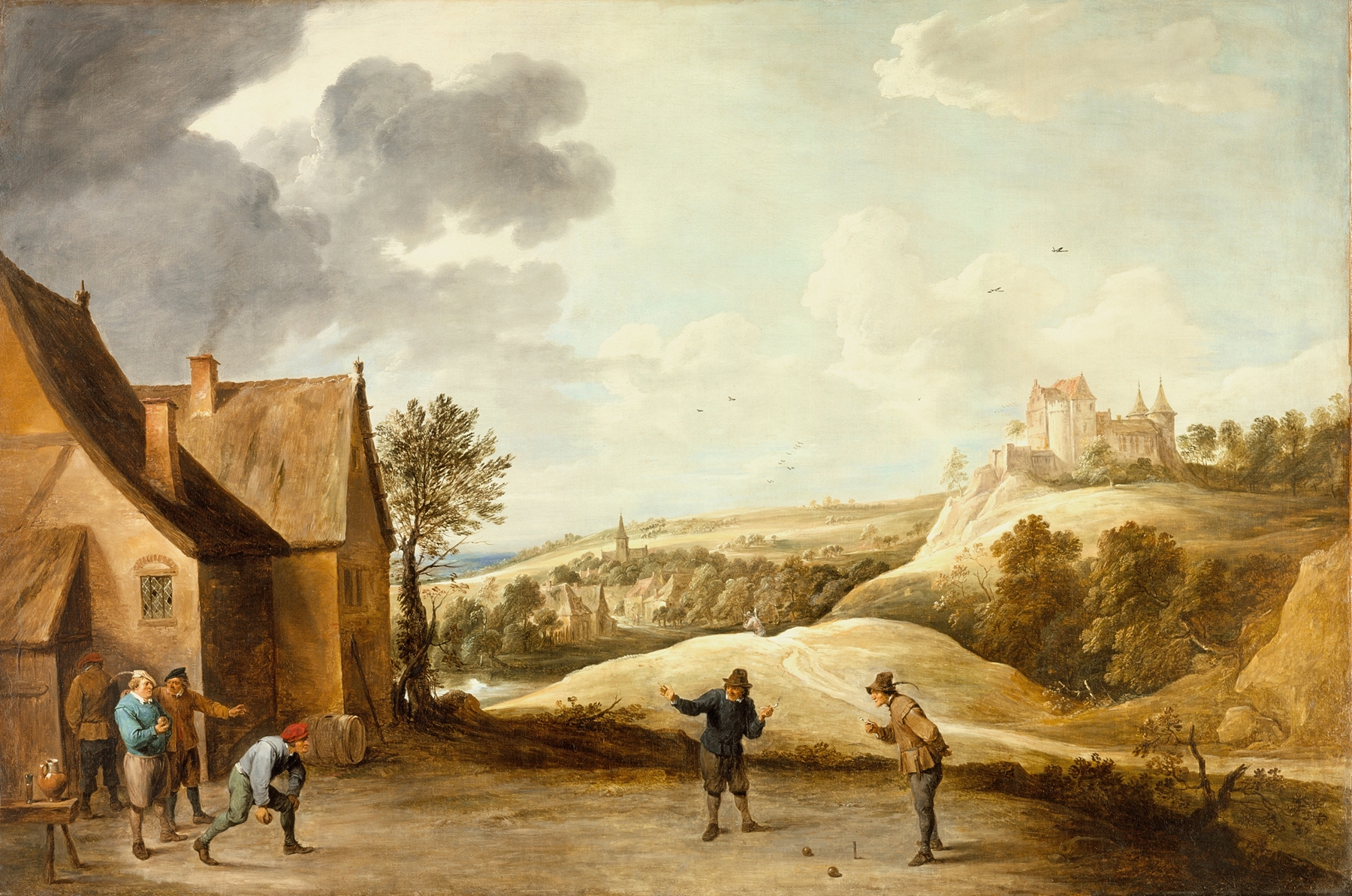
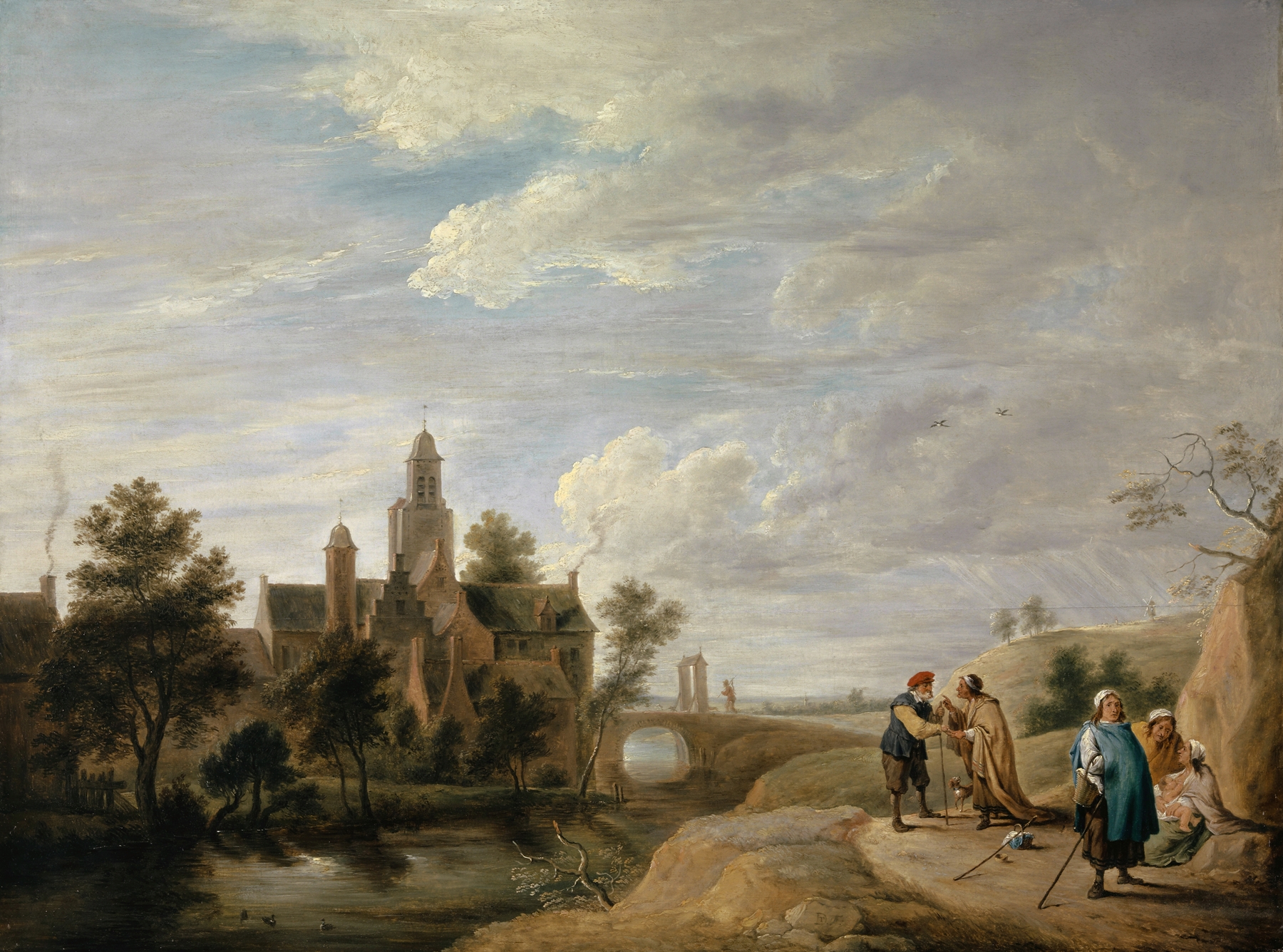
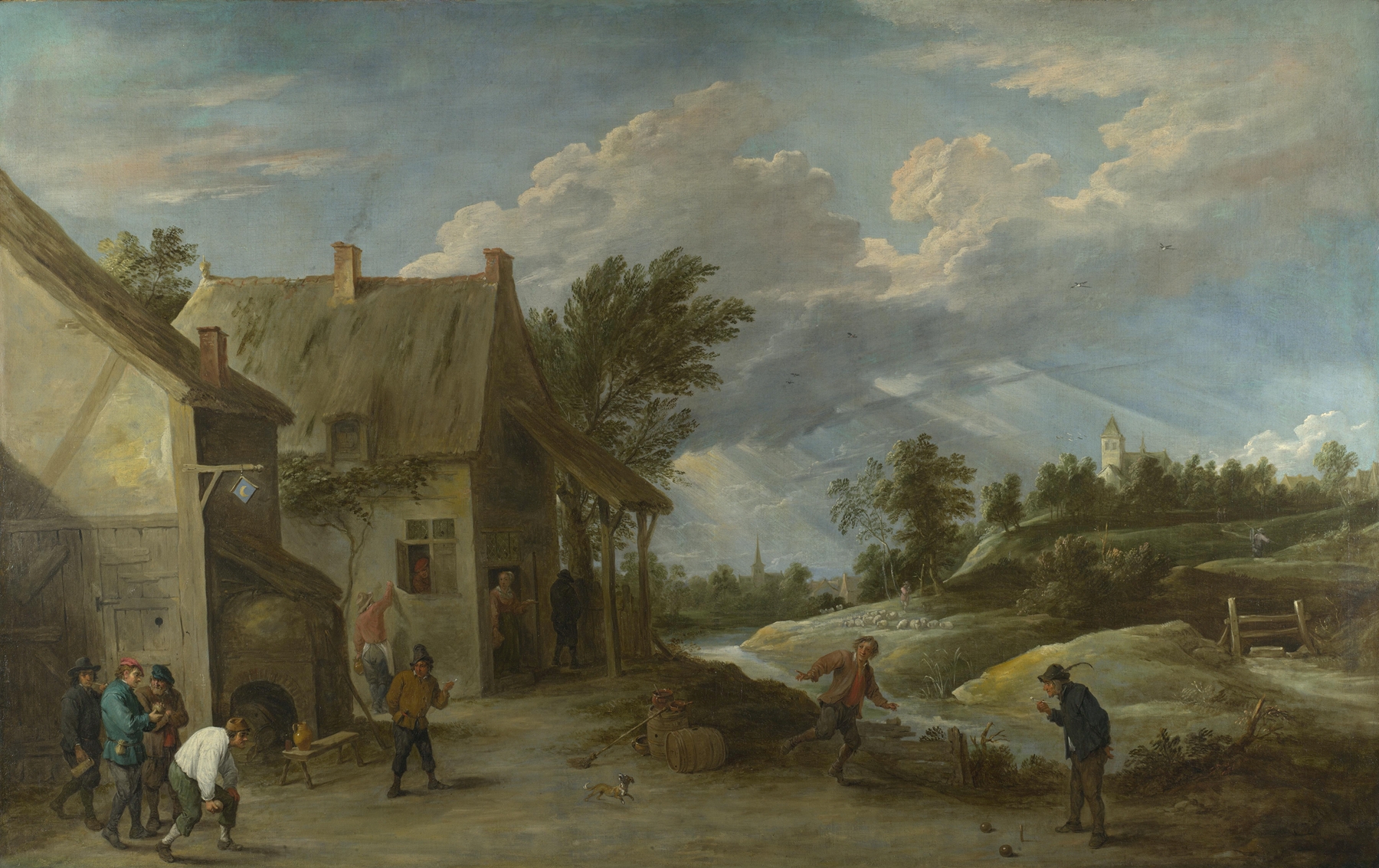
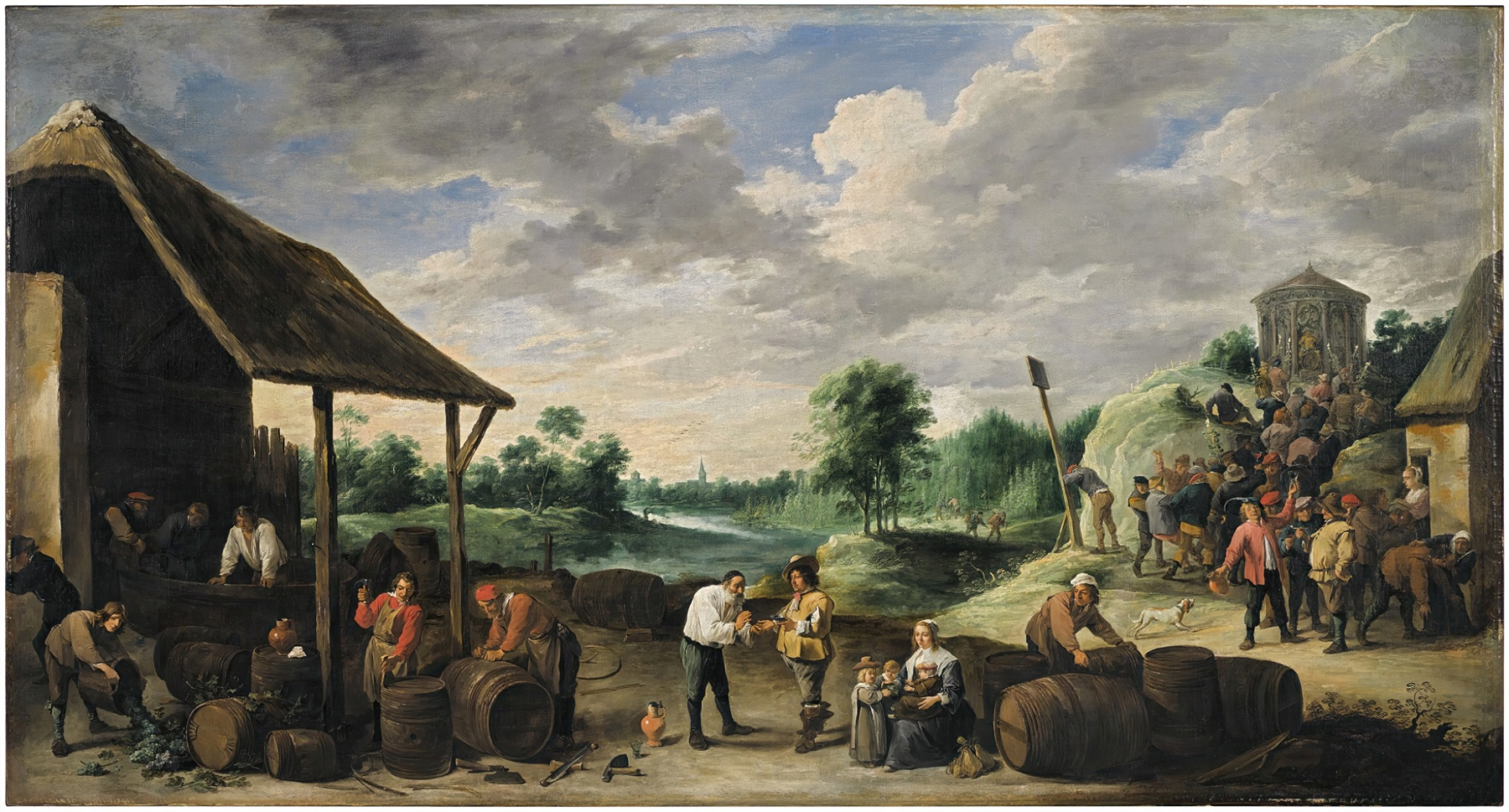
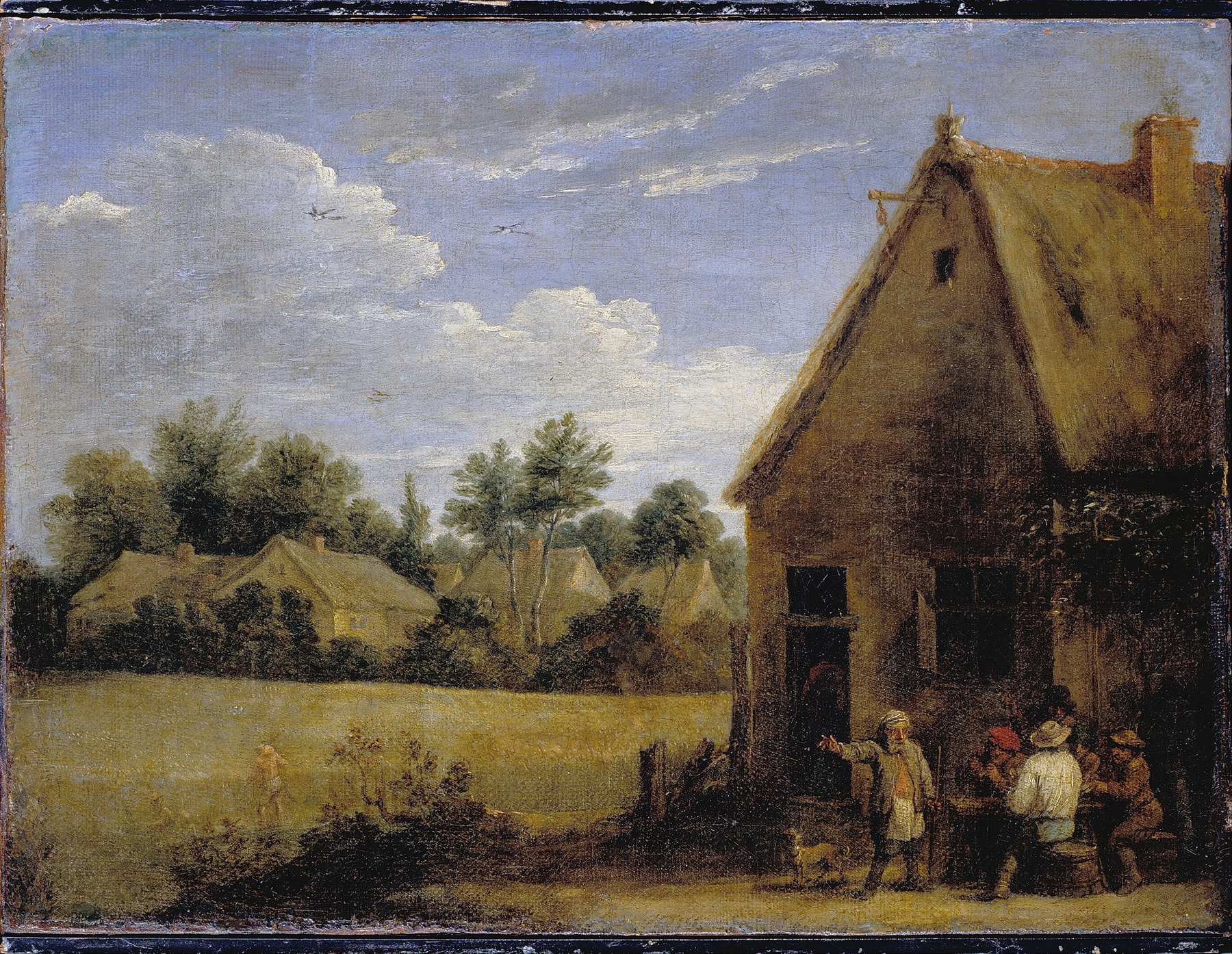
When did color learn to lie? In the realm of art, where pigments dance with light, this question lingers, inviting us to consider the deeper truths beneath the surface. Look to the left at the farmer’s weathered hands cradling a basket brimming with plump vegetables. The vibrant hues of earthy browns and lush greens contrast sharply with the soft golds and rich ochres that define the barn's sturdy structure. Notice how the light falls upon the scene, casting gentle shadows that cradle the figures, creating an atmosphere of tranquility amidst the bustle of farm life.
Each stroke reveals meticulous attention to detail, offering a window into the daily rhythms of rural existence. Yet, beneath this picturesque portrayal lies a nuanced tension. The figures, while seemingly engaged in their tasks, project an emotional distance, as if time itself has slipped into a quiet reverie. The juxtaposition of manual labor against the serene backdrop raises questions about the fleeting nature of life and the permanence of toil.
Each element in the composition serves as a reminder of the inevitable passage of time and the harmony — or discord — between human effort and nature's tranquility. David Teniers the Younger painted this work during a period of remarkable growth in the art world, particularly in the coveted genre of peasant scenes that celebrated rural life. Active in the mid-17th century, Teniers was rooted in the Flemish tradition while also navigating the burgeoning interest in intimate and relatable subjects. His work resonated with a society increasingly drawn to the simple yet profound narratives found in everyday life, reflecting a deep appreciation for the beauty and complexity of the human experience.