Index Peak, Clark’s Fork, Wyoming — History & Analysis
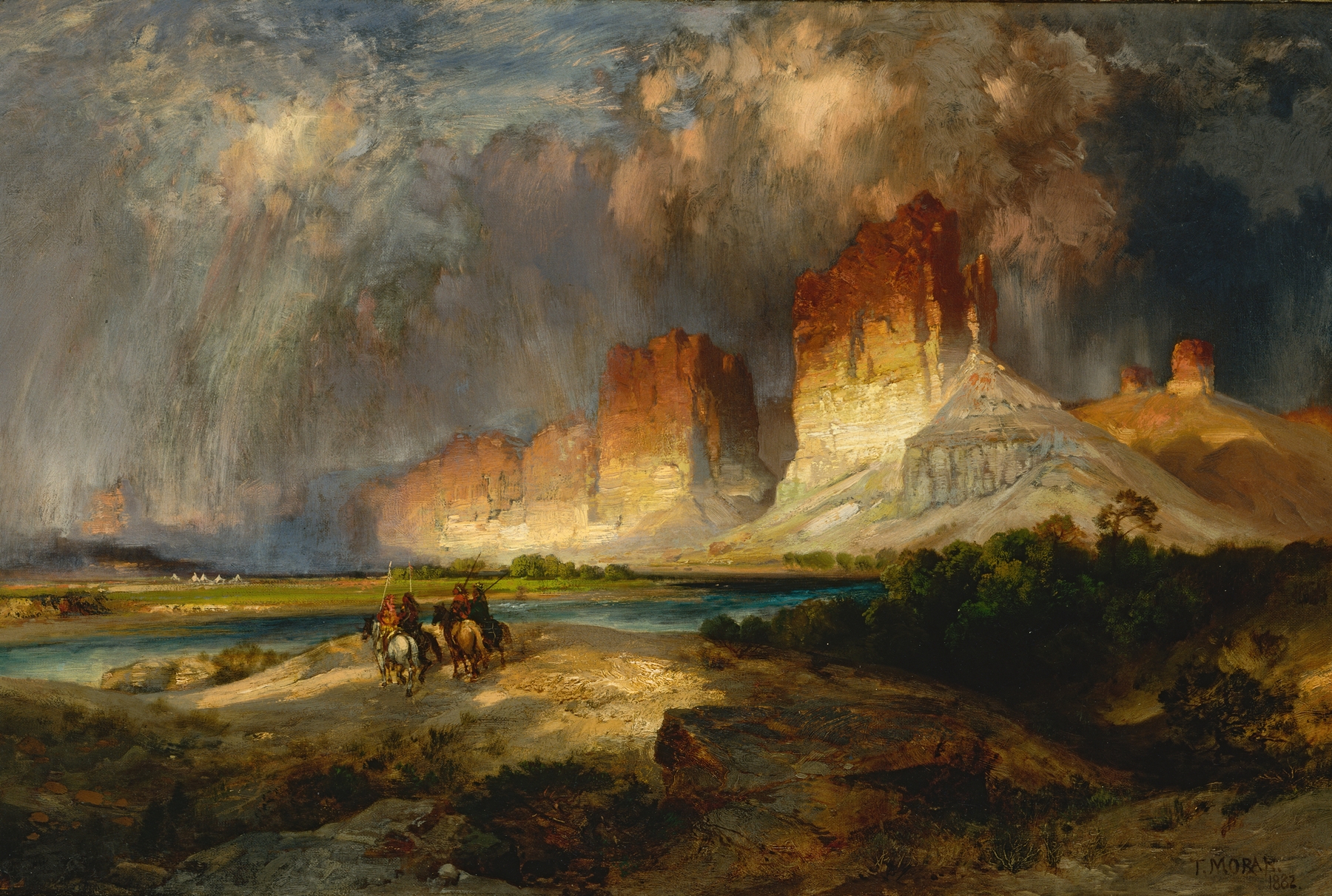
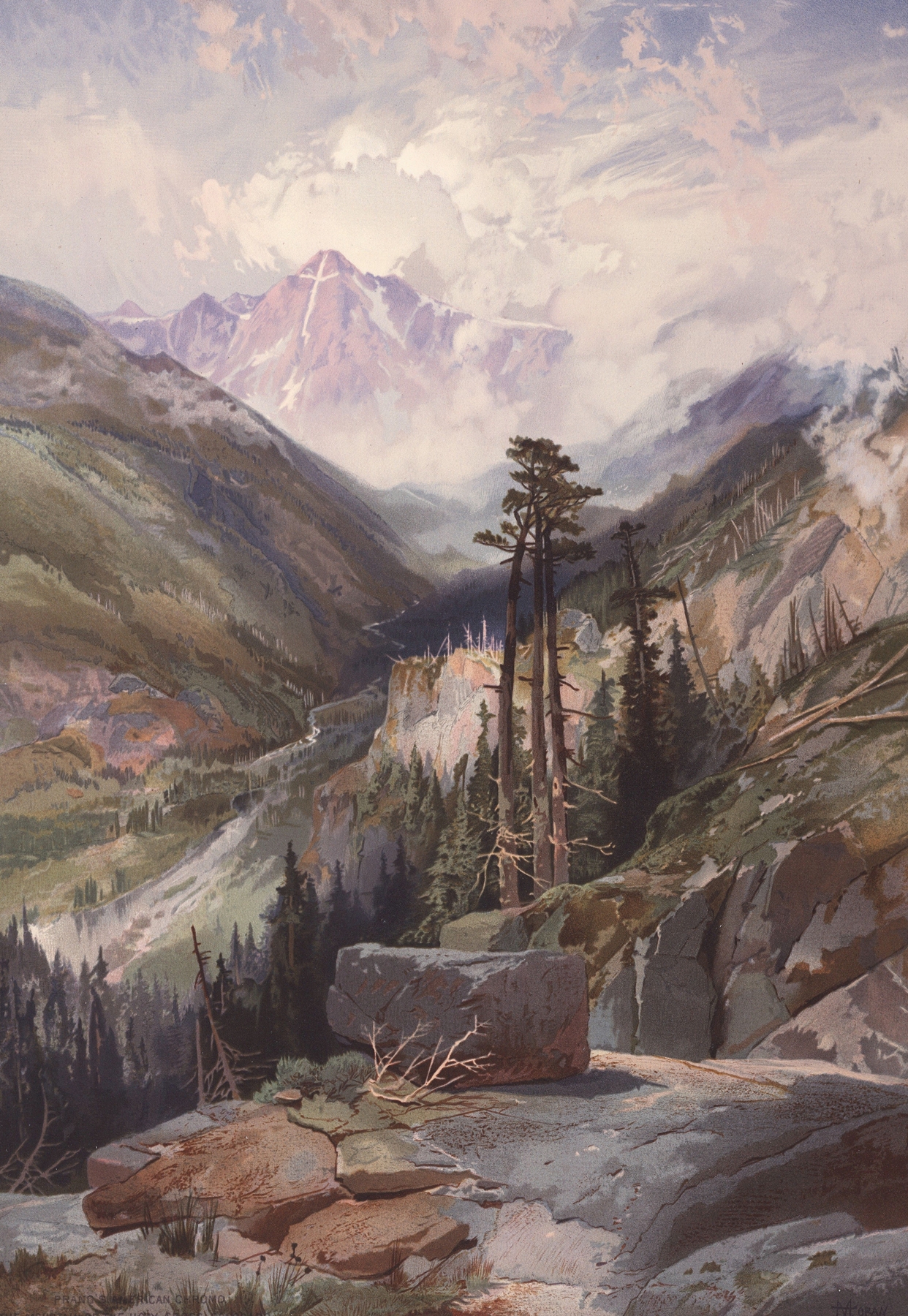
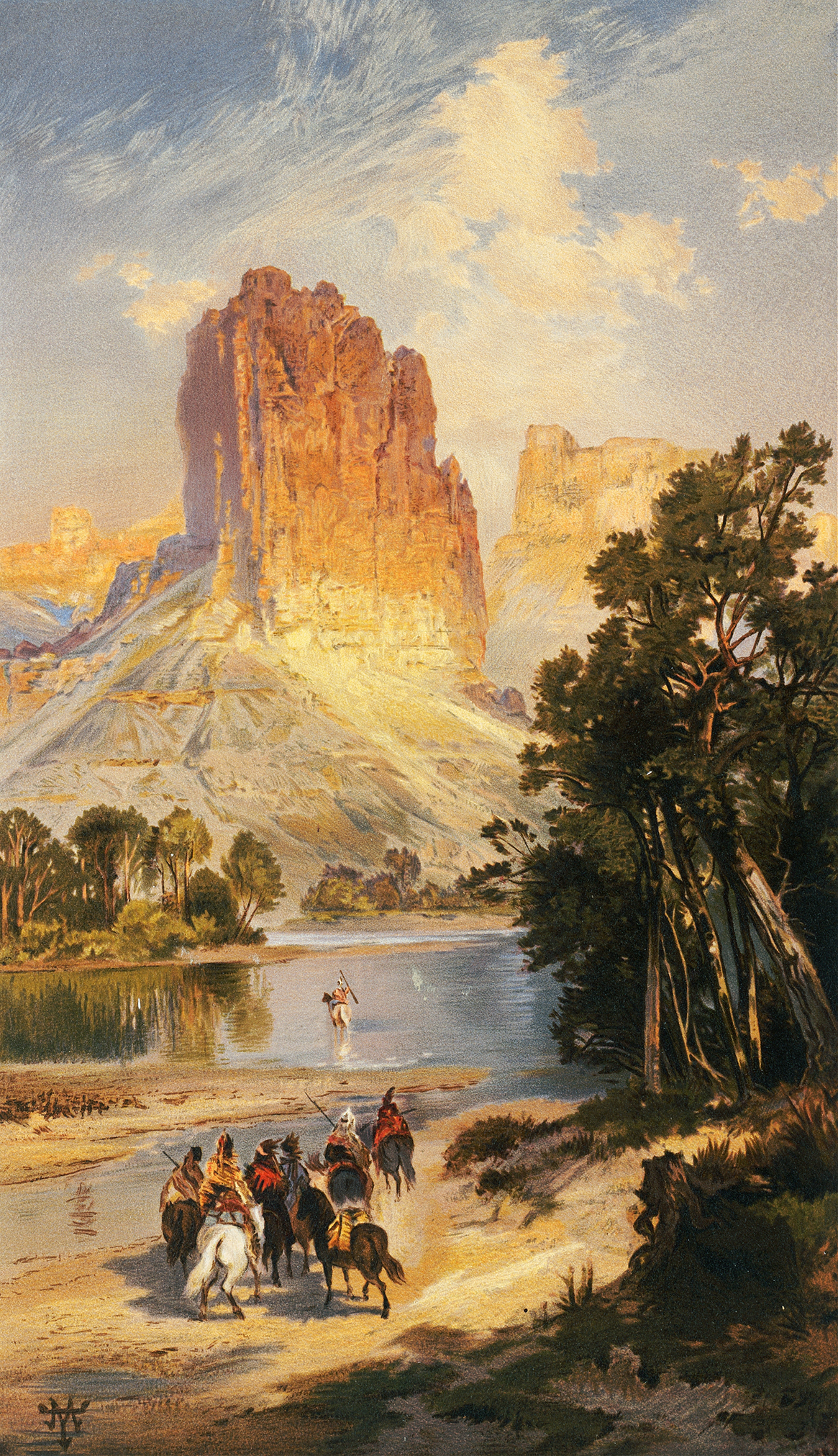
Can paint confess what words never could? In Index Peak, Clark’s Fork, Wyoming, the artist captures a sublime moment where light and land converge, inviting contemplation of nature’s grandeur and vulnerability. Look to the left at the commanding presence of Index Peak, its rugged silhouette rising against a backdrop of soft, swirling clouds. Notice how the warm golden hues of the setting sun bathe the mountainside, casting shadows that dance across the textured surface, revealing every crevice and fold of the earth.
The palette of blues and yellows reflects a serene yet powerful harmony, drawing the viewer’s eye toward the intertwining valleys, where the gentle flow of the river whispers secrets of the wilderness. Within this tranquil landscape lies a tension between permanence and transience. The ethereal light hints at the fleeting nature of the moment, while the sturdy mountain stands as a testament to endurance. This juxtaposition evokes a deep sense of longing; it speaks to humanity’s desire to capture the beauty of nature, even as we understand its ephemeral essence.
Each brushstroke tells a story of both stability and change, reminding us that light reveals as much as it conceals. In 1892, Thomas Moran created this masterpiece while working in his studio in New York, a period marked by the growing appreciation for the American West. Influenced by the romanticism of the Hudson River School and the ongoing exploration of the natural world, he sought to convey the majestic landscapes he cherished. This painting emerged at a time when the nation was grappling with the preservation of its wild spaces, making Moran’s work a poignant reflection of both beauty and the urgency for conservation.