Indian Temple, Said to Be the Mosque of Abo-ul-Nabi, Muttra — History & Analysis
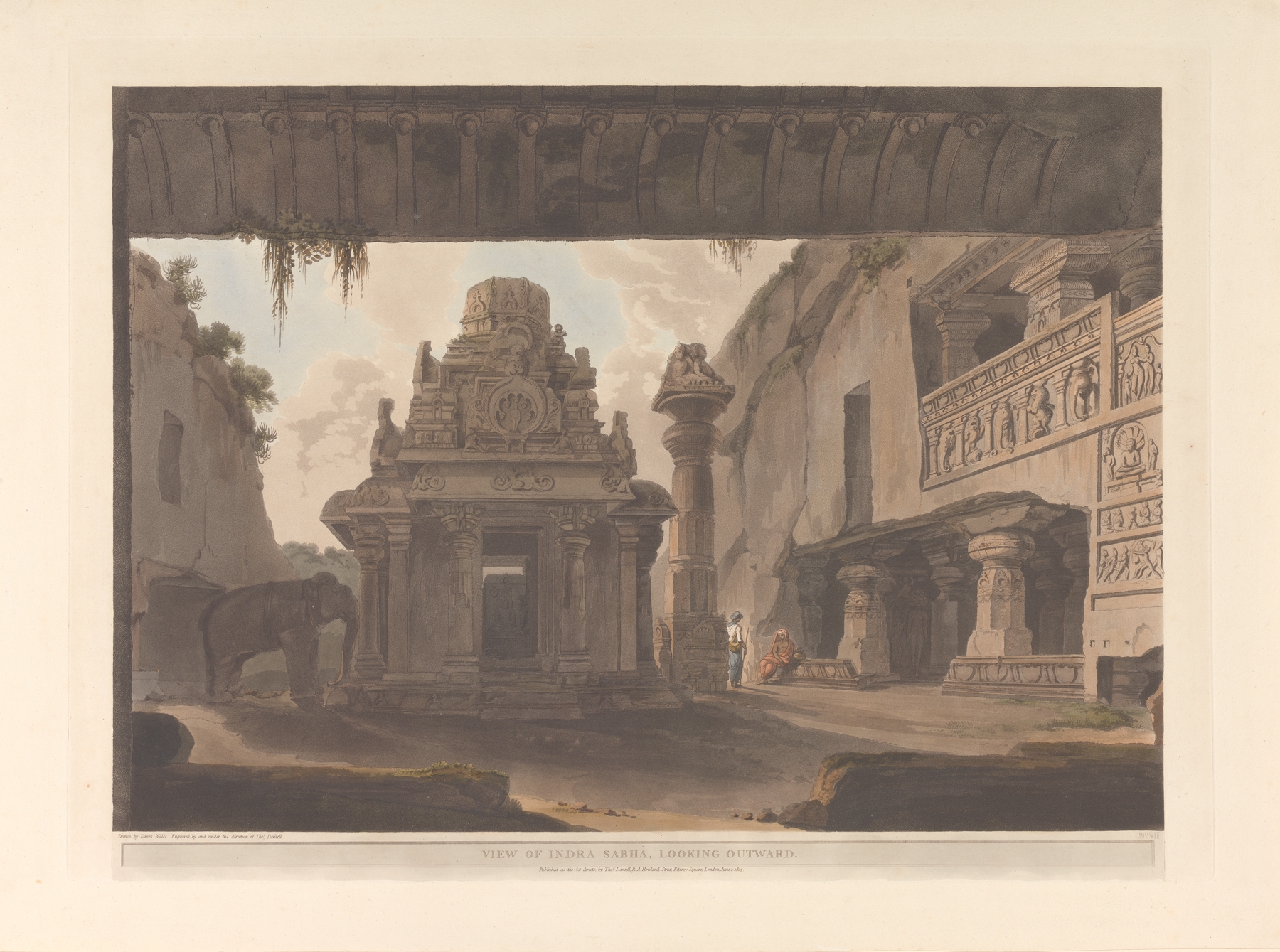
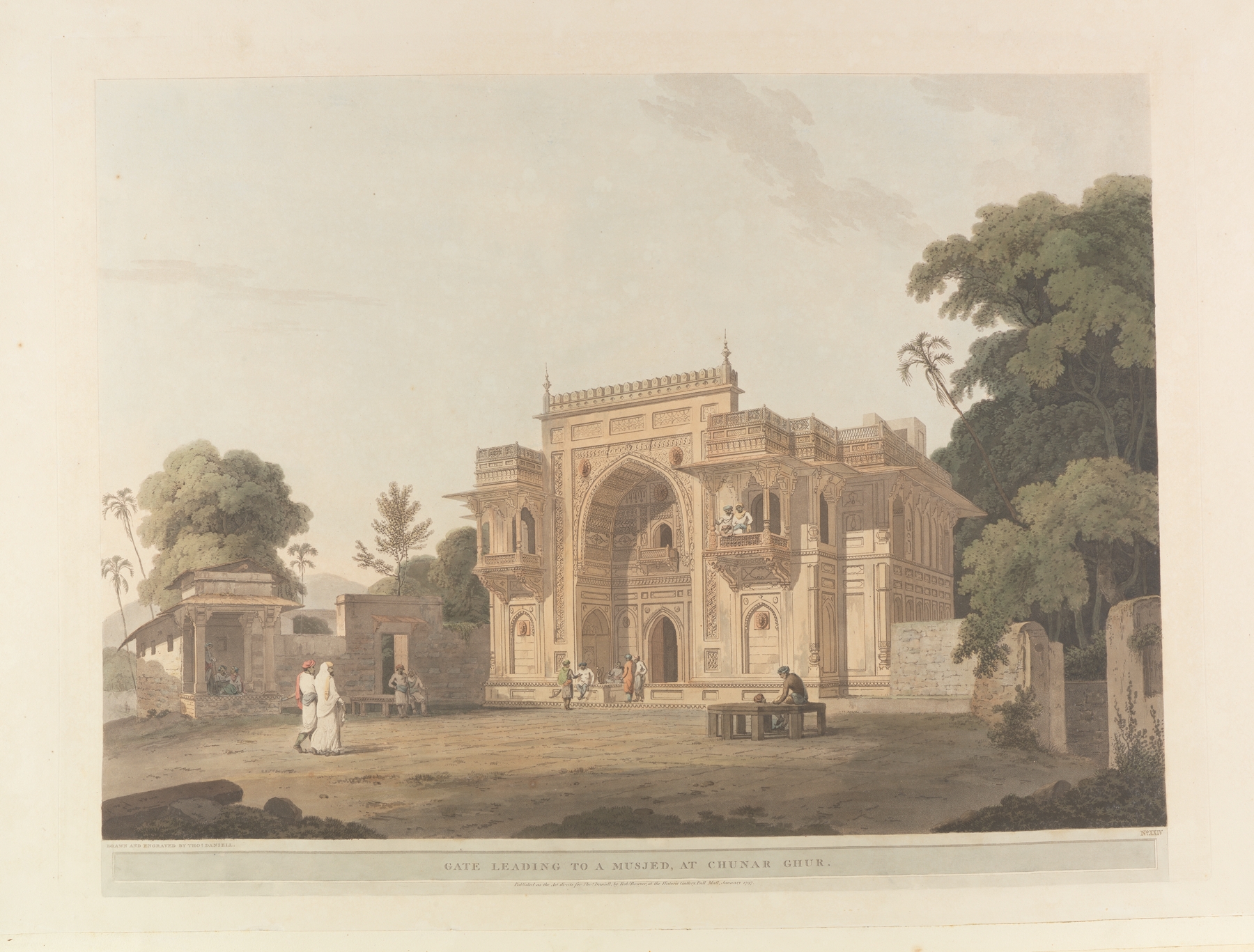
“Every silence here is a confession.” In the stillness of the temple's embrace, faith lingers in the air, whispering truths beyond the visible. The intricate architecture beckons, a testament to devotion and craftsmanship, while the surrounding landscape evokes a sense of timelessness that transcends mere observation. Look to the left at the towering spires, their elegant curves reaching skyward. The delicate interplay of light and shadow reveals the meticulous details carved into the stone, each etching narrating the stories of worshippers past.
The soft palette of earth tones and muted greens conveys a serene harmony, drawing the eye toward the focal point of the temple, where a sacred stillness reigns. Beneath the surface of this revered scene, a fragile tension simmers. The juxtaposition of the temple's strength against the surrounding natural elements speaks to the relationship between man and divinity. Notice how the billowing clouds loom overhead, hinting at the possibility of both storms and solace, reflecting the complexities of faith itself.
This delicate balance between grandeur and humility encapsulates a universal yearning for connection with the divine. In 1827, the artist created this work amidst a wave of Romanticism that sought to capture the sublime in nature and architecture. Living in India at the time, Daniell was deeply influenced by the country's rich cultural tapestry and spiritual heritage. His paintings often served as an exploration of the East for a Western audience, inviting viewers to engage with the profound beauty and complexity of Indian faith and architecture.