Oriental scenery Pl.32 — History & Analysis
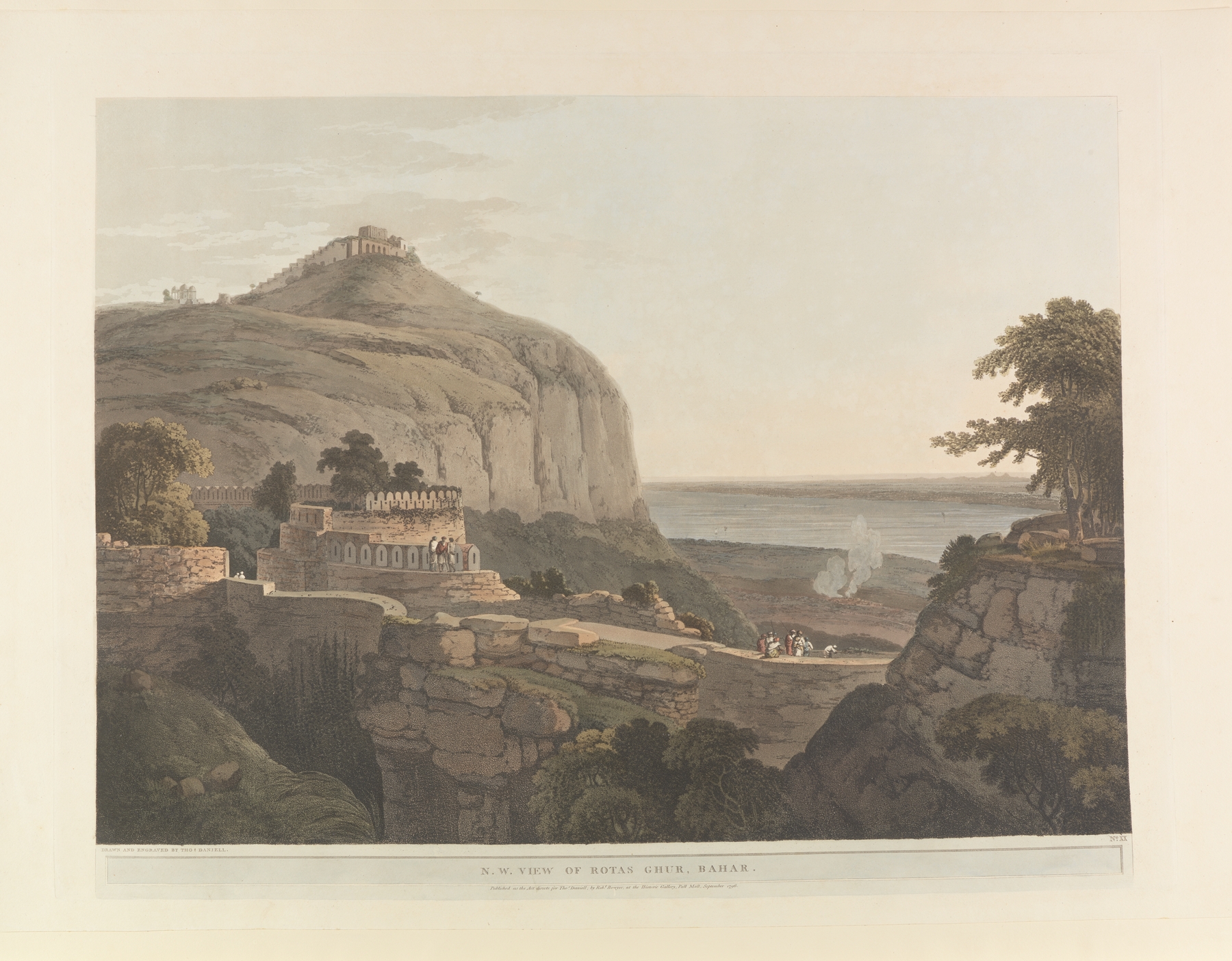
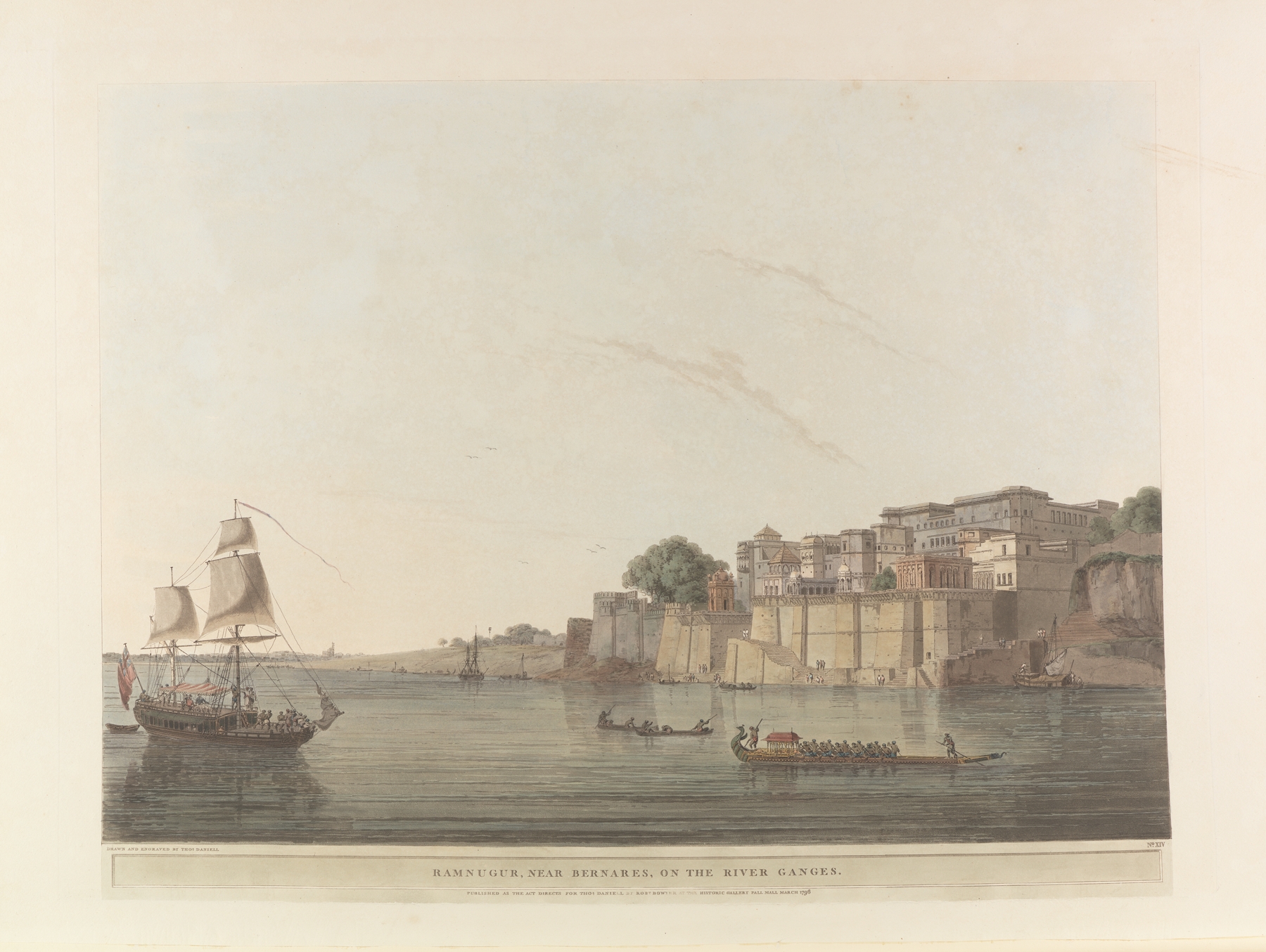
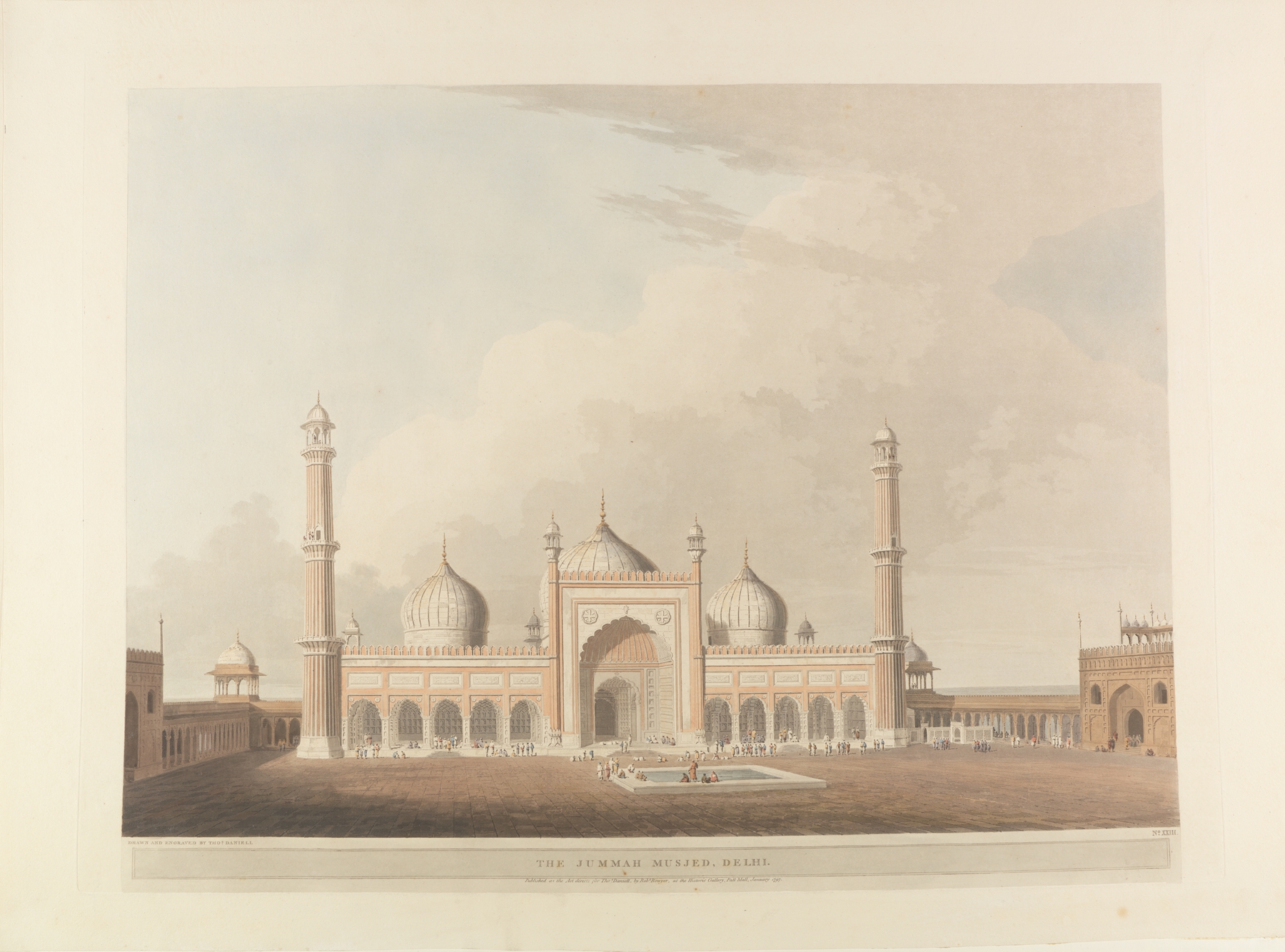
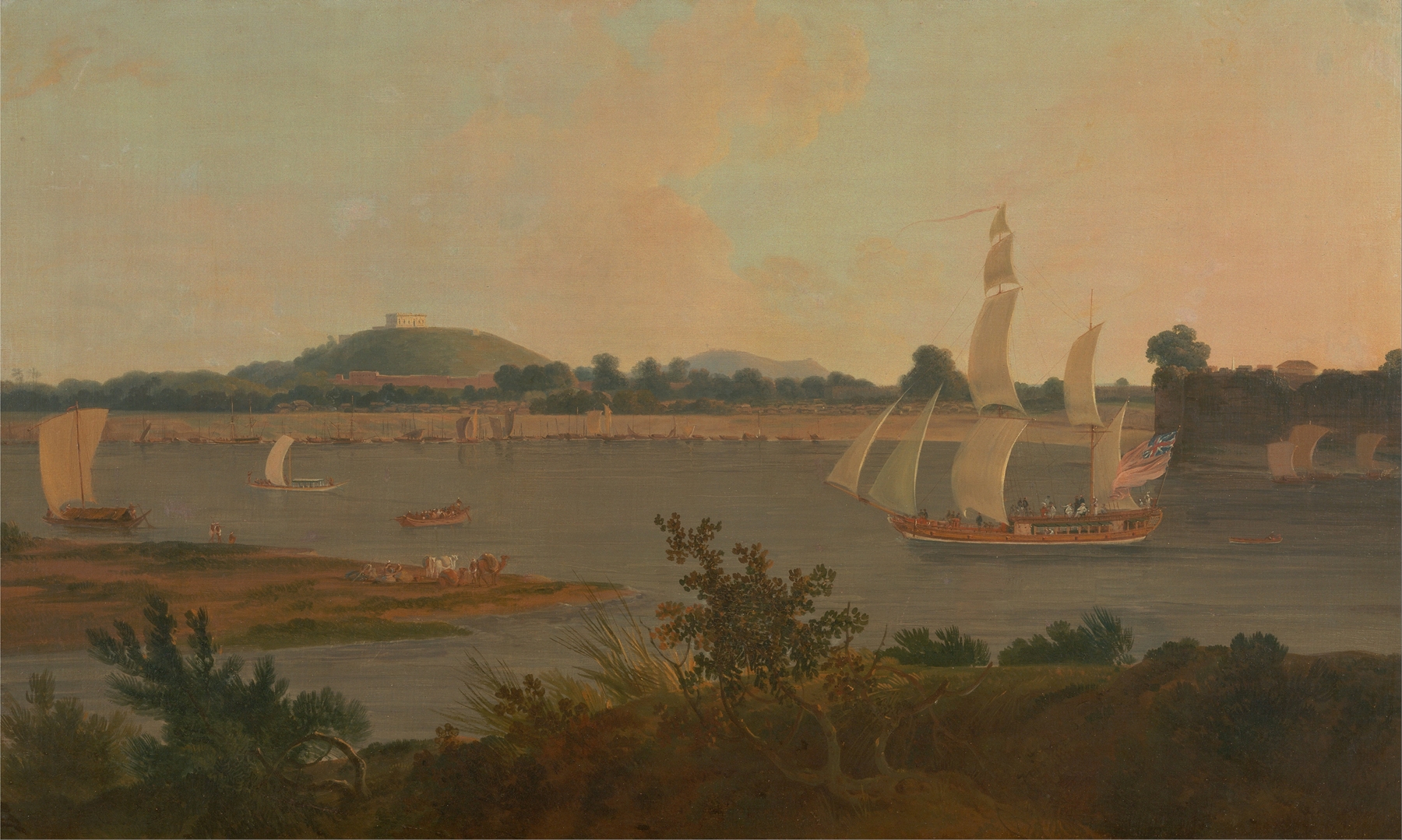
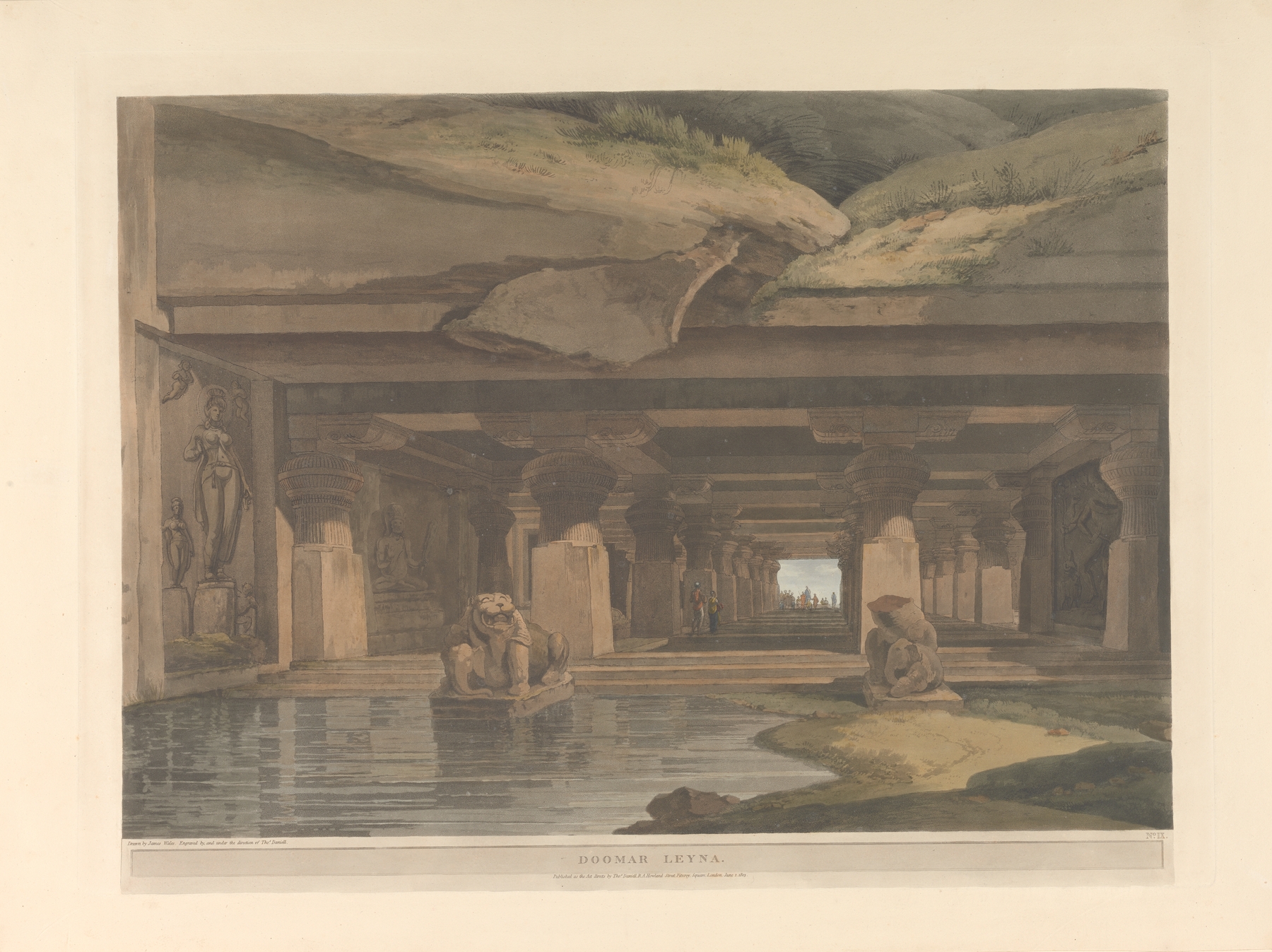
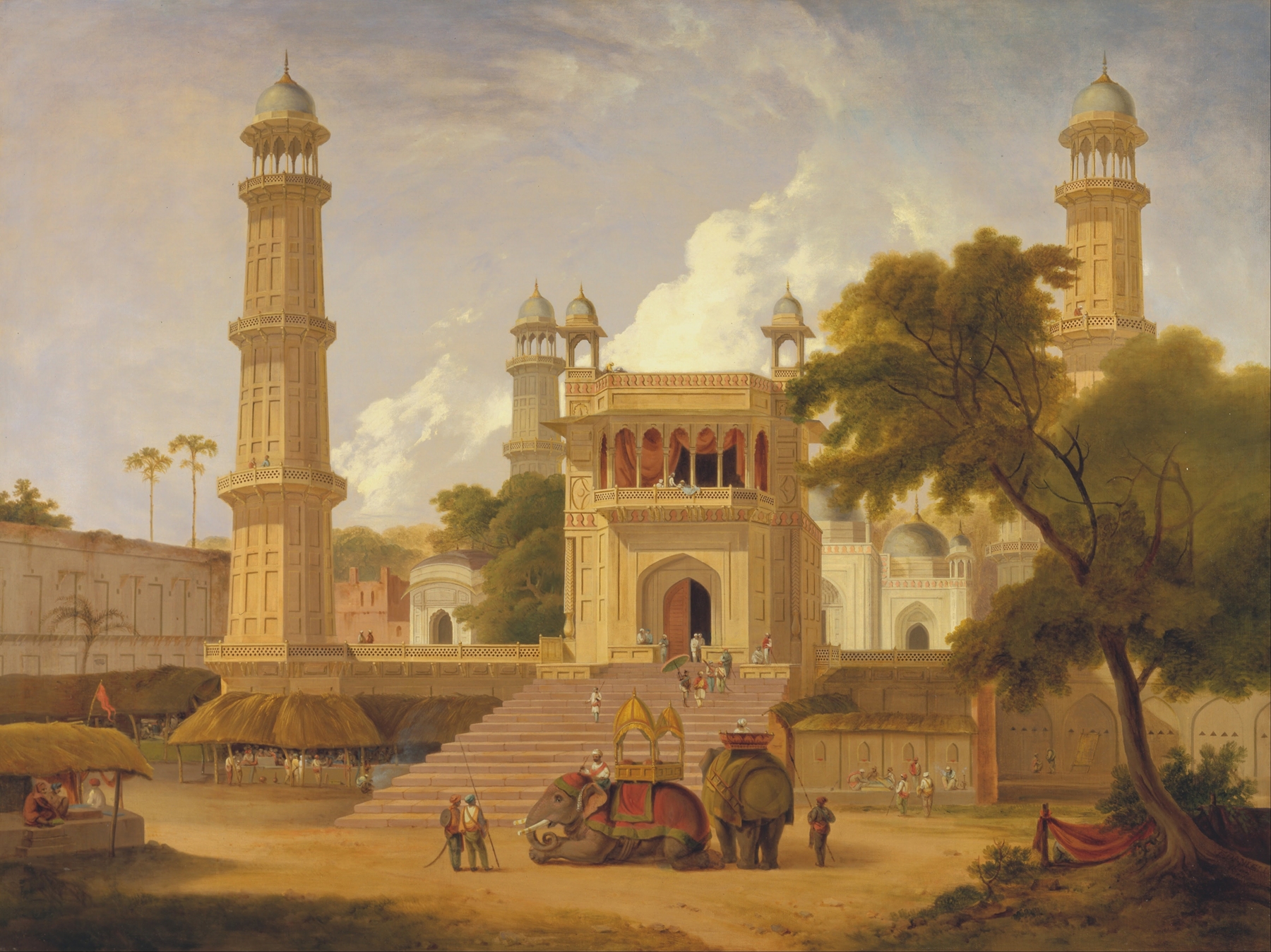
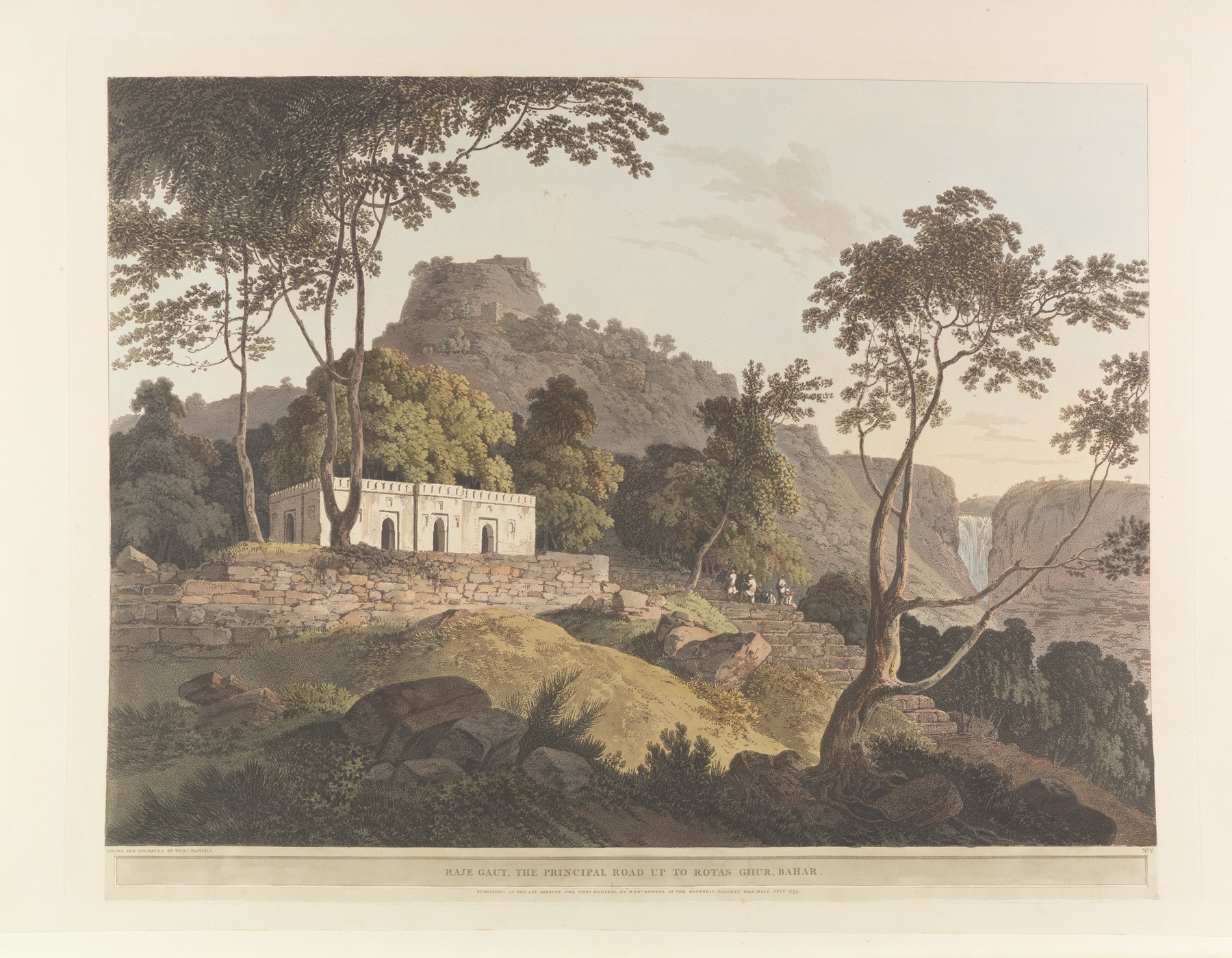
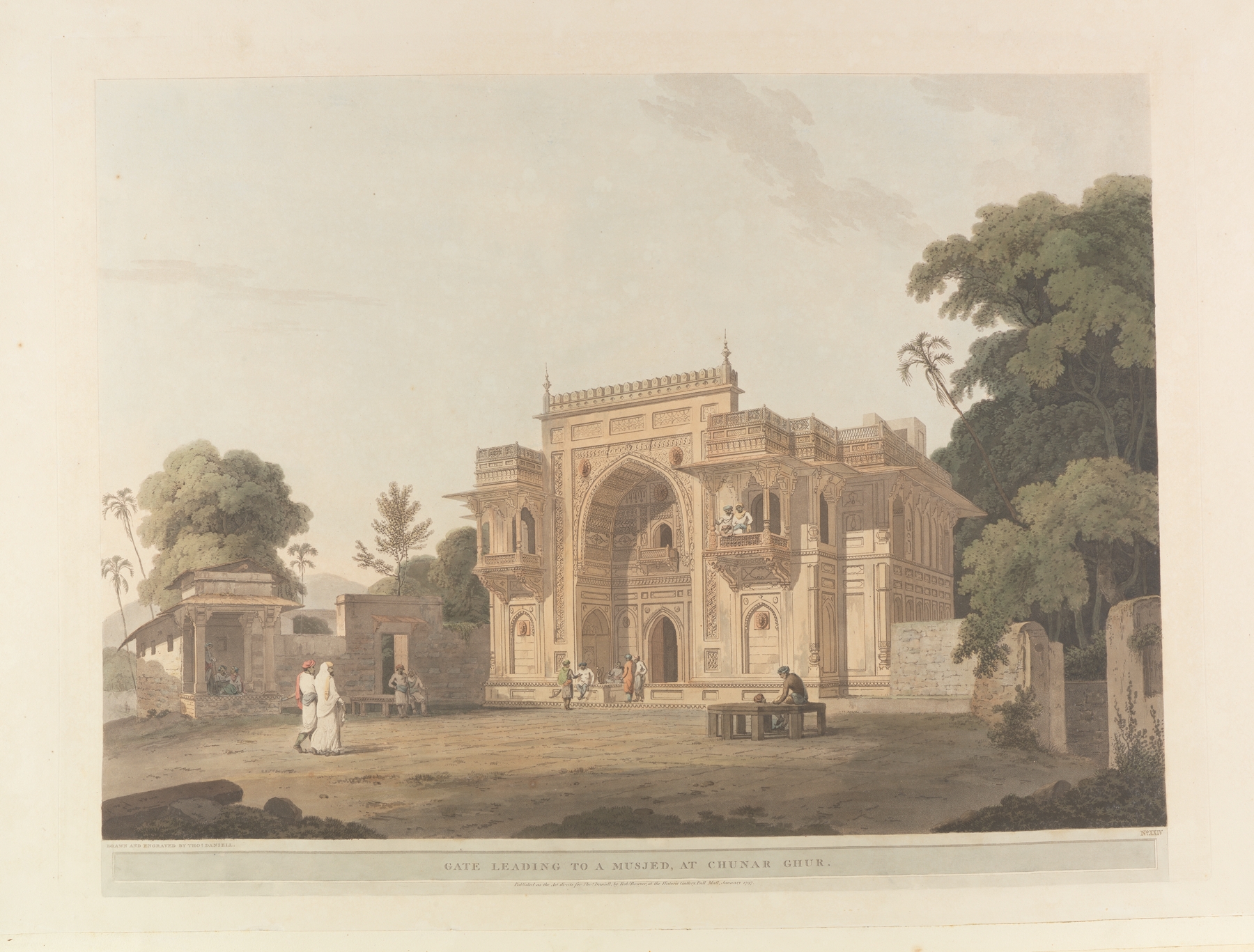
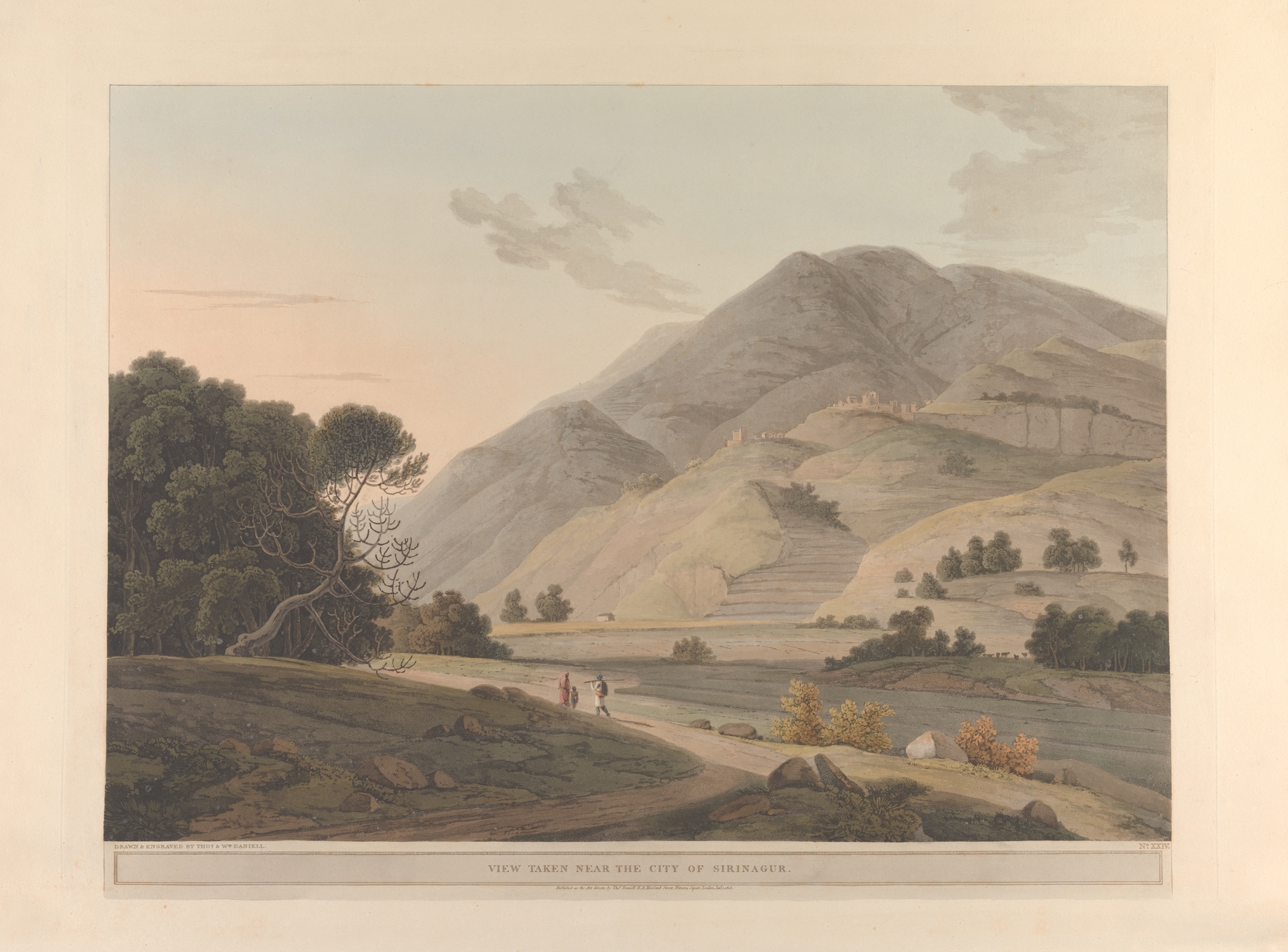
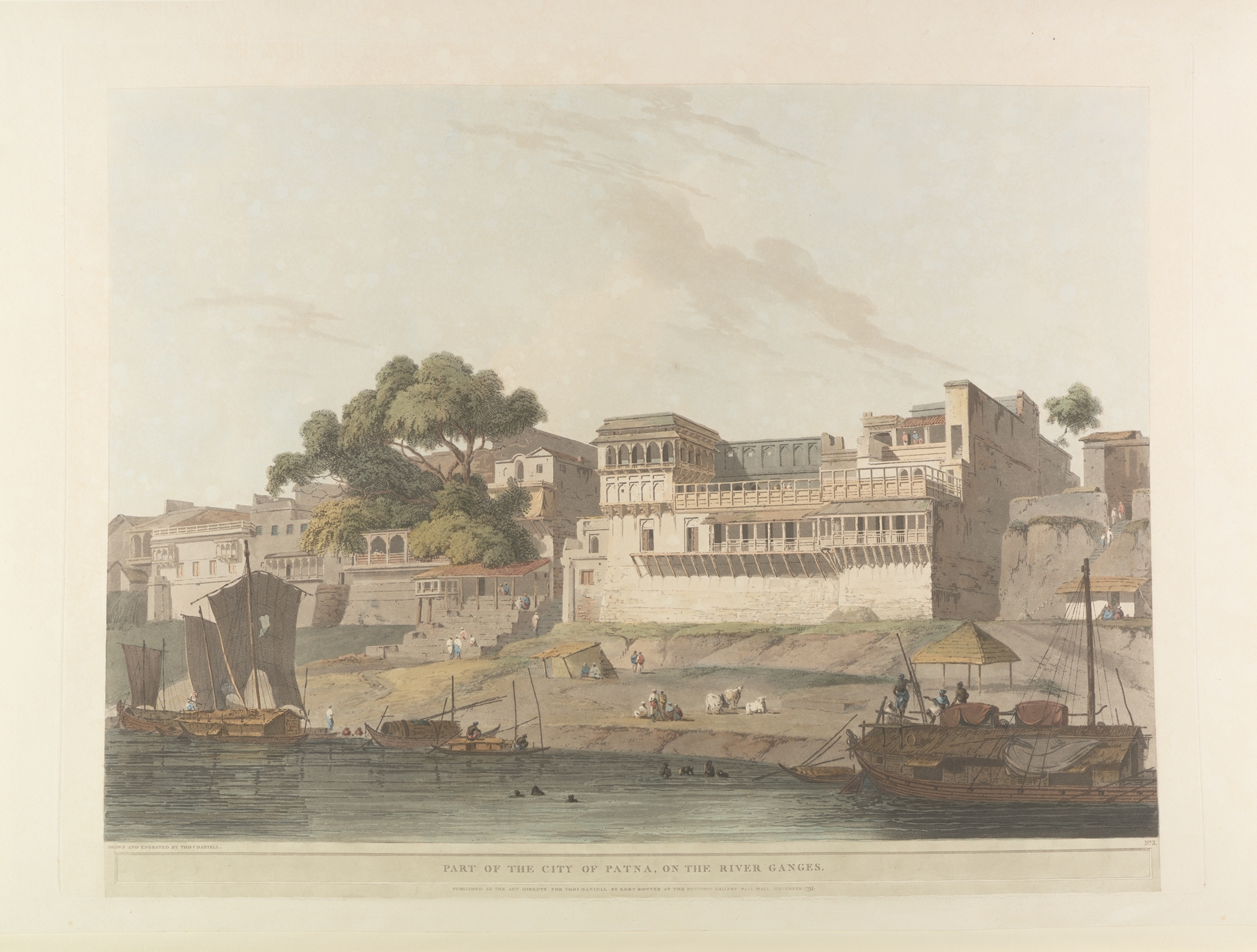
Where does light end, and longing begin? In the delicate brushstrokes of Oriental Scenery Pl. 32, the viewer is invited to ponder the boundaries between reality and imagination. Look to the left at the gentle undulations of distant hills bathed in a warm, golden hue. The soft, diffused light creates an ethereal glow that leads the eye towards the serene river winding gracefully through the landscape.
Notice the intricate details of the foreground, where lush foliage intertwines with delicate flowers, enhancing the sense of a world both familiar and foreign. The careful composition draws you in, making you feel the peace of this tranquil setting. Yet, beneath the surface beauty lies a profound tension. The juxtaposition of the vivid colors against the tranquil blues hints at a deeper longing for connection with the sublime, a yearning for a truth that transcends mere beauty.
The small figures engaged in daily life remind us of the fleeting nature of human existence, contrasting with the timelessness of the landscape around them. Each element invites contemplation on the relationship between nature and the human spirit, creating a narrative that resonates on multiple levels. In 1808, at a time when exploration was redefining perceptions of far-off lands, the artist found inspiration in the East, capturing the essence of a culture both alluring and remote. This period marked a significant moment in the art world, where Orientalism began to flourish, and artists like him sought to reconcile the realities of their travels with their visions of the exotic.